Snacks
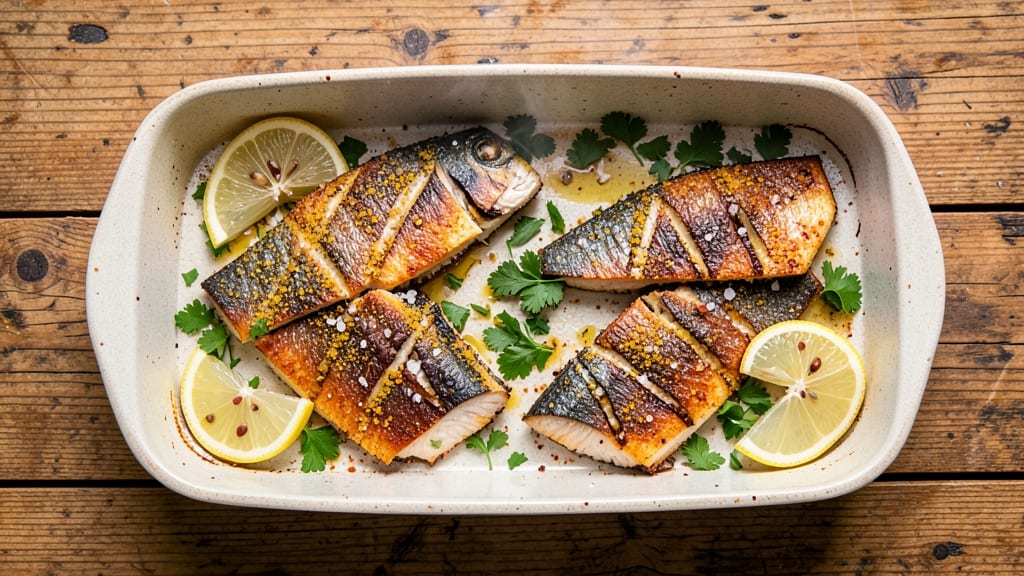
Baking mackerel transforms this rich, oily fish into a crispy, restaurant-worthy dish with minimal effort. The secret lies in a cornmeal crust that creates a satisfying crunch while keeping the fish tender inside—no frying required.
I developed this method after struggling with soggy baked fish, and the difference is dramatic. The zesty lemon zing cuts through the richness, balancing every bite.
This recipe delivers foolproof results with just six simple ingredients, including pantry staples like cornmeal and lemon juice. The key technique is patting the fish dry before coating it in cornmeal, which ensures maximum crispiness.
Baking at 400°F for 12-15 minutes guarantees a golden crust without overcooking the delicate flesh inside.
What you’ll end up with is a dish that’s crispy on the outside, moist on the inside, and brightened by a tangy lemon-herb finish. The cornmeal crust adds a subtle nuttiness that pairs beautifully with the fish’s natural oils, while the lemon prevents the dish from feeling heavy.
Serve it with a simple side salad or crusty bread to soak up every last bit of flavor.
This method works equally well for fresh or frozen mackerel, making it versatile for any weeknight. The recipe scales perfectly for meal prep, and leftovers reheat beautifully. Whether you’re cooking for one or feeding a crowd, this baked mackerel delivers restaurant-quality results with minimal fuss.
Ingredients for bake mackerel
Six simple ingredients transform oily mackerel into crispy, golden perfection with minimal effort.
| Ingredient | Amount | Notes |
|---|---|---|
| Fresh Mackerel Fillets 🐟 | 4 whole | Skin-on, deboned, 6-8 oz each |
| Fine Yellow Cornmeal 🌾 | ½ cup | Stone-ground preferred for texture |
| Extra-Virgin Olive Oil 🫒 | 2 tbsp | For coating fish before crust |
| Fresh Lemon Juice 🍋 | ¼ cup | From 2-3 medium lemons |
| Fresh Flat-Leaf Parsley 🌿 | ¼ cup | Finely chopped, for garnish |
| Kosher Salt 🧂 | 1 ½ tsp | Diamond Crystal preferred |
| Ground Black Pepper 🌶️ | ½ tsp | Freshly cracked for intensity |
| Garlic Powder 🧄 | ½ tsp | Not garlic salt |
The mackerel fillets are the foundation—opt for fresh, sustainably sourced fillets from your local fishmonger or high-quality frozen fillets thawed overnight. Whole Foods Market or Trader Joe's carry excellent frozen options, but if buying fresh, look for fillets with vibrant color and minimal bruising. The cornmeal choice matters too: stone-ground cornmeal creates a finer, more cohesive crust compared to regular cornmeal. Pat the fillets bone-dry before coating—this step is non-negotiable for crispiness. For extra insurance, let them sit on a wire rack for 10 minutes to evaporate any remaining moisture.
No fresh parsley? Dried parsley at one-third the amount works in a pinch, though fresh provides that bright, herbaceous finish. Substituting lemon juice? Lime juice or white wine vinegar both work, but reduce to 0.2 cup for equivalent acidity. The olive oil coating shouldn't be skipped—it helps the cornmeal adhere and creates that coveted golden crust. For a gluten-free adaptation, ensure your cornmeal is certified gluten-free. The garlic powder adds subtle depth, but if you prefer fresh, 1 minced garlic clove would suffice. Always season the crust generously—mackerel's natural oils carry flavor beautifully.
Prepped mackerel fillets keep 2 days in the fridge, wrapped tightly in parchment paper. The cornmeal crust loses crispiness when reheated, so serve immediately or portion into individual serving dishes for meal prep. Leftovers, if any, reheat at 350°F for 5-6 minutes—just enough to warm through without re-crisping. Store cooked portions in an airtight container with a paper towel to absorb any excess moisture. The dish freezes poorly due to the crust's texture, so plan to enjoy it fresh.
Why You'll Love This Recipe
- Here’s what sold me: the contrast. The cornmeal gives you that addictive crunch on the outside, while the fish stays tender inside. Drizzle that fresh lemon juice right before serving? It cuts through the richness like a bright, zesty hug. Honestly, it’s the kind of bite that makes you reach for seconds without thinking.
- Few Ingredients, Big Payoff: I swear by this recipe—just five things, and you’ve got dinner. No chopping mountains of veggies or hunting for obscure spices. The mackerel’s natural richness shines through the cornmeal crust, and the lemon ties it all together without extra fuss. That’s my kind of cooking: simple, but never boring.
- Crispy-Lemon Magic: Here’s what sold me: the contrast. The cornmeal gives you that addictive crunch on the outside, while the fish stays tender inside. Drizzle that fresh lemon juice right before serving? It cuts through the richness like a bright, zesty hug. Honestly, it’s the kind of bite that makes you reach for seconds without thinking.
- Weeknight or Guest Night: Between us, this recipe works everywhere. Slap it on a sheet pan for a lazy Tuesday, or serve it at a dinner party when you’re pretending to be a fancy chef. (Spoiler: no one will know it took you 20 minutes.) The leftovers? Just as good cold the next day—wrap them in a tortilla for a quick lunch. Versatile? Check.
Step-by-step instructions for crispy cornmeal-crusted mackerel
Master this technique for restaurant-quality crispy crust without compromising tender fish inside.
Prepare the Mackerel and Seasoning Base
Pat the 4 whole fresh mackerel fillets dry with paper towels—this critical drying step prevents steam from forming under the crust, which guarantees that crispy texture you're after. Arrange them skin-side down on a clean work surface. In a small bowl, whisk together the 0.5 cup fine yellow cornmeal, 1.5 teaspoons kosher salt, 0.5 teaspoon ground black pepper, and 0.5 teaspoon garlic powder. This dry mixture forms the foundation of your crust, so make sure it's evenly combined.
Here's the thing—don't skip the skin removal if you prefer a cleaner bite. If you choose to keep the skin, press down gently on each fillet to flatten slightly; this ensures even cooking and prevents curling during baking. The cornmeal mixture should coat the entire surface of each fillet, including the edges, for maximum crispiness. I like to use my fingers to press the seasoning into the fish, creating a textured surface that will crisp beautifully in the oven.
Create the Crispy Cornmeal Crust
In a separate shallow dish, combine the 2 tablespoons extra-virgin olive oil with the 0.25 cup fresh lemon juice. This mixture serves two purposes: it creates an adhesive layer that helps the cornmeal crust adhere to the fish, and it infuses the crust with bright citrus notes that complement the mackerel's rich flavor. Dip each seasoned fillet into the oil-lemon mixture, allowing any excess to drip off.
Return the coated fillets to the cornmeal mixture, pressing gently to ensure an even, adherent crust forms. The crust should look uniformly golden and textured—this is your visual cue that it's properly coated. For best results, work quickly but deliberately; the cornmeal will start absorbing moisture from the fish if left too long. Place the prepared fillets on a parchment-lined baking sheet, arranging them in a single layer with about 1 inch between each piece to allow for even air circulation during baking.
Bake to Perfect Crispy Perfection
Preheat your oven to 425°F—this high temperature is essential for achieving that coveted crispy crust while keeping the fish tender inside. Once preheated, slide the baking sheet into the oven and bake for 12-15 minutes, until the crust turns a deep golden brown and the fish flakes easily with a fork. The crust should sound crisp when tapped gently, and you'll notice a slight aroma of toasted cornmeal filling your kitchen—this is your sensory confirmation that it's ready.
I know it's tempting to check early, but resist the urge to open the oven door before the full 12 minutes have elapsed. Each time you peek, you lose valuable heat and steam, which can prevent that perfect crust from forming. The fish is done when the internal temperature reaches 145°F at its thickest point. If the crust browns too quickly but the fish isn't done, tent loosely with foil for the remaining cooking time to prevent over-browning.
Finish with Zesty Garnish
Remove the fillets from the oven and let them rest for 3-5 minutes on the baking sheet. This brief resting period allows the juices to redistribute, ensuring each bite remains moist and flavorful. While the fish rests, finely chop the 0.25 cup fresh flat-leaf parsley and squeeze any remaining lemon juice from the lemons you used—about 1 tablespoon should do. Spoon this bright green garnish over each fillet just before serving.
The contrast between the crispy golden crust, tender fish, and vibrant lemon-herb finish creates a harmonious balance of textures and flavors. Serve immediately with a simple arugula salad or crusty bread to soak up any remaining juices. The parsley not only adds visual appeal but also freshens the dish with its bright, slightly peppery notes that cut through the richness of the mackerel.
Pro Tips For Making Bake Mackerel
- Pat the fillets dry: Mackerel is oily, and that oil is your enemy when baking—it’ll make your crust soggy instead of crisp. Grab paper towels and press hard for 30 seconds per fillet. I used to skip this, and my cornmeal coating always turned into a sad, greasy mess.
- Use cornmeal twice: First, toss the fillets in a thin layer of cornmeal to help it stick, then press the rest on firmly. The double coat guarantees a proper crust—no gaps where moisture will sneak out. (Yes, it feels like overkill, but it works.)
- Bake at 400°F, not higher: I learned this the hard way—375°F is too gentle, and 425°F burns the cornmeal before the fish cooks through. Stick to 400°F for even browning and flaky texture. A meat thermometer at 145°F guarantees doneness without guessing.
- Zest lemon first, save juice: Toss the fillets in lemon zest before the cornmeal—it adds brightness and clings better than just juice. Save the juice for a quick glaze after baking (just brush it on for 2 minutes at the end). The zest disappears, but the flavor stays.
Perfect pairings for this bake mackerel
Citrus Brightness
The zesty lemon zing in this recipe isn't just garnish—it's essential for cutting through the richness of mackerel. I recommend using freshly squeezed lemon juice (about 0.25 cup) directly in the crust mixture, not just as a garnish.
The acidity helps tenderize the fish slightly while preventing the crust from tasting flat. For extra brightness, finish with a sprinkle of lemon zest over the crust just before serving—it adds a fragrant, aromatic layer that elevates the dish. 🍋
Herbaceous Contrasts
Fresh flat-leaf parsley is the perfect herb to pair with baked mackerel, offering a clean, slightly peppery contrast to the rich fish. I chop it finely and sprinkle it over the finished dish, but you could also mix it into the cornmeal crust for a more integrated flavor.
If parsley isn't available, dill or chives work beautifully—just reduce the amount to 0.2 cup to avoid overwhelming the dish. The herbs not only enhance flavor but also add a vibrant pop of color that makes the plate look restaurant-worthy.
Crusty Bread Pairings
A warm, crusty loaf of bread is ideal for soaking up any leftover juices and adding texture contrast. I love using sourdough or ciabatta—their open crumb structure traps the crispy bits of the mackerel crust beautifully.
For an extra-special touch, lightly toast the bread and rub it with a garlic clove before serving. The bread's caramelized crust complements the fish's golden exterior, creating a satisfying crunch in every bite. 🥖
Leafy Green Sides
Light, peppery greens like arugula or watercress balance the richness of the mackerel perfectly. Toss them with a simple lemon-olive oil dressing (just 2 tbsp olive oil, 1 tbsp lemon juice, and a pinch of salt) for a refreshing contrast.
The bitterness of the greens cuts through the fish's natural oils, while the dressing ties everything together. For a heartier side, roasted asparagus with a sprinkle of Parmesan cheese adds another layer of texture and flavor.
Creamy Dips
A cool, creamy dip can transform your baked mackerel into a full meal. I love serving it with tahini-lemon dip (mix 0.25 cup tahini, 2 tbsp lemon juice, 1 tbsp olive oil, and 1 tbsp water to thin).
The nutty, tangy flavors complement the fish's richness without overpowering it. For a lighter option, try whipped feta mixed with mint and a squeeze of lemon—it adds a bright, salty contrast that keeps the dish feeling fresh. 🥄
Wine and Beer Pairings
A crisp Sauvignon Blanc from New Zealand or a Pinot Grigio from Italy pairs beautifully with this dish, thanks to their bright acidity and citrus notes. For beer lovers, a German wheat beer (Hefeweizen) or a Belgian witbier provides a refreshing, slightly spicy contrast.
Avoid heavy reds or malty beers—they can overpower the delicate flavors of the mackerel and its citrusy crust. A chilled glass of sparkling water with lemon is also a refreshing, alcohol-free option. 🍷
Nutrition facts
Frequently asked questions
Can I use frozen mackerel for this recipe?
Thaw frozen mackerel overnight in the refrigerator before using. Never thaw at room temperature, as this can promote bacterial growth. Pat the fillets completely dry with paper towels before coating with cornmeal—this step is especially critical with frozen fish to ensure maximum crispiness.
Why does my crust turn soggy instead of crispy?
Soggy crusts usually happen when the fish isn't dry enough before coating. Always pat fillets thoroughly with paper towels and let them sit on a wire rack for 10 minutes before seasoning. Another common mistake is opening the oven door too early—keep the heat steady at 425°F for the full 12-15 minutes.
What's the best way to store leftovers?
Store cooked mackerel in an airtight container with a paper towel to absorb moisture. Keep refrigerated for up to 2 days, but note that the crust loses crispiness when reheated. For best results, portion into individual servings before baking—this way, you can enjoy fresh, crispy bites even on day two.
Can I substitute cornmeal with another flour?
While cornmeal gives the best texture, you can use fine breadcrumbs or panko in a pinch. For extra crispiness, mix breadcrumbs with 1 tablespoon cornstarch per 0.5 cup of breadcrumbs. Just remember that cornmeal's natural nuttiness pairs perfectly with mackerel's rich flavor.
How do I know when the mackerel is fully cooked?
The fish is done when it reaches an internal temperature of 145°F at its thickest point. You'll also see a deep golden crust and the fish should flake easily with a fork. For extra assurance, check the skin—it should be crisp and slightly pull away from the flesh when gently lifted.