Sauces & Condiments
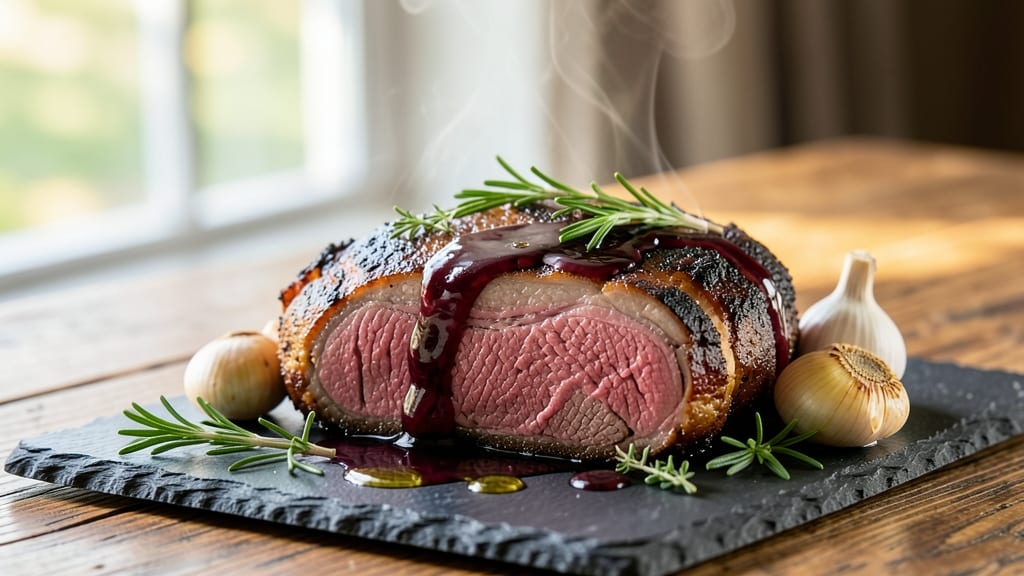
Transforming tough prime rib into melt-in-your-mouth perfection starts with this deep red wine marinade, where earthy herbs and bold flavors create a symphony of taste.
The secret lies in the precise balance of red wine reduction, Worcestershire sauce, and aromatic garlic—each ingredient playing its part to tenderize and infuse the meat with restaurant-quality depth.
I developed this marinade after years of experimenting with holiday roasts, and it never fails to elevate even the simplest cut of beef.
What makes this marinade truly special is its ability to penetrate deeply while maintaining a rich, velvety texture that clings to the meat.
The red wine reduction adds complexity, cutting through the richness of the beef with bright acidity, while fresh rosemary and thyme bring an earthy aroma that lingers long after the first bite.
Unlike store-bought versions, this marinade builds flavor over time—resting for at least 4 hours (or up to 24 hours) ensures maximum tenderness and depth.
The result is prime rib that’s impossibly tender with a crust so flavorful it disappears between bites. The marinade works its magic by breaking down tough fibers while infusing the meat with layers of savory, herby, and slightly sweet notes.
Whether you’re hosting a holiday feast or treating yourself to a special dinner, this marinade guarantees a showstopping centerpiece that tastes like it came from a high-end steakhouse.
Use this marinade as a dry rub after resting, or brush it on during the last 30 minutes of cooking for a glossy finish. The versatility makes it perfect for any occasion—just remember, the longer it rests, the better the results.
Let’s get started on creating your most flavorful prime rib yet.
Ingredients for best prime rib marinade
Nine ingredients transform prime rib into restaurant-worthy perfection.
| Ingredient | Amount | Notes |
|---|---|---|
| Dry Red Wine 🍷 | 1 cup | Bold, full-bodied like Cabernet Sauvignon |
| Worcestershire Sauce 🍶 | 2 tbsp | Original or vegetarian version |
| Fresh Garlic Cloves 🧄 | 6 cloves | Peeled, smashed for maximum flavor |
| Fresh Rosemary 🌿 | ¼ cup | Finely chopped, stems removed |
| Fresh Thyme Leaves 🍃 | ¼ cup | Stems removed, finely chopped |
| Extra-Virgin Olive Oil 🫒 | ½ cup | High quality, fruity variety |
| Dijon Mustard 🍯 | 1 tbsp | For depth and slight tang |
| Granulated Sugar 🍬 | 1 tbsp | Balances acidity in wine |
| Kosher Salt 🧂 | 1 tsp | Adjust to taste |
| Freshly Ground Black Pepper 🌶️ | ½ tsp | Freshly cracked for best flavor |
The red wine is the heart of this marinade—Cabernet Sauvignon or Merlot work best, but whatever bold dry red you have open will do. Trader Joe's and Total Wine often have affordable bottles perfect for cooking. Fresh rosemary and thyme are non-negotiable here; the dried versions just can't compete. Look for bright green stems with no brown spots. For garlic, I always grab extra—half gets minced for the marinade, half gets smashed whole for deeper flavor infusion. The Worcestershire sauce should be the original version (not the reduced kind) for that classic umami punch.
No red wine? Beef broth plus 1 tbsp balsamic vinegar works in a pinch. Fresh herbs? Dried thyme at 1/4 the amount and dried rosemary at 1/3 the amount will get you close, but you'll miss that fresh aroma. The Dijon mustard can be swapped for whole-grain mustard if that's what you have. Sugar substitutes? Honey or maple syrup at the same amount. For extra depth, add 1 tsp soy sauce—trust me, it elevates everything. The olive oil matters too; cheap oil tastes cheap in this marinade.
This marinade keeps beautifully—up to 1 week in the fridge once made. I always double the batch because it's perfect for brushing on during the last 30 minutes of cooking too. Store it in a glass jar with a tight lid and shake before each use. The flavors actually improve after 24 hours of resting, so make it a day ahead if possible. Don't be tempted to skip the resting time—patience is what makes this marinade magic.
Why You'll Love This Recipe
- No-Fuss Mixing: I swear by this marinade because it’s just a bowl and a whisk—no blender, no straining, no fuss. Toss in the red wine, Worcestershire, crushed garlic, and herbs, stir it up, and you’re done. (Yes, even on a Tuesday night.)
- Deep, Rich Taste: The red wine and Worcestershire give it that bold, savory punch, while the garlic and rosemary add layers of warmth. That crispy crust with the tender, juicy inside? Chef’s kiss.
- Holiday or Weeknight: This marinade works for a Sunday brunch prime rib or a last-minute dinner for guests. Honestly, I’ve used it for both—no one ever questions it.
- Leftovers That Shine: Marinate a big cut, roast it, and you’ll have enough for sandwiches, hash, or even scrambled eggs the next day. (Between us, the leftovers are often better than the original.)
Step-by-step instructions for prime rib marinade
This marinade transforms tough prime rib into melt-in-your-mouth perfection with bold wine and aromatic herbs.
Combine Wine and Sugar for Reduction
Pour the 1 cup dry red wine into a medium saucepan and add the 1 tablespoon granulated sugar. Bring to a simmer over medium heat and reduce by half—about 10-12 minutes—until the liquid thickens to a syrupy consistency. You'll notice the aroma intensify as alcohol evaporates, leaving behind deep wine flavors.
Real talk: Don't rush this step. The reduction process concentrates the wine's richness and balances its acidity. Stir occasionally to prevent scorching, and watch for the mixture to darken slightly as it reduces. Remove from heat once you've achieved your desired consistency—it should coat the back of a spoon.
Infuse with Herbs and Mustard
Transfer the reduced wine to a mixing bowl and let it cool slightly. Add the 6 smashed garlic cloves, ¼ cup finely chopped fresh rosemary, ¼ cup fresh thyme leaves, 1 tablespoon Dijon mustard, ½ cup extra-virgin olive oil, 1 teaspoon kosher salt, and ½ teaspoon freshly ground black pepper. Whisk vigorously for 2-3 minutes until fully emulsified.
Here's the thing—smashing the garlic cloves instead of mincing them releases more flavor compounds. The herbs should be finely chopped so they distribute evenly throughout the marinade. Let the mixture sit at room temperature for 15 minutes to allow the flavors to meld completely. You'll see the herbs soften slightly and release their aromatic oils into the wine reduction.
Incorporate Worcestershire Sauce
After the initial infusion period, stir in the 2 tablespoons Worcestershire sauce. This umami-rich ingredient adds depth that complements the wine's fruitiness. Give it a final taste and adjust seasoning if needed—you might want to add a pinch more salt or pepper depending on your preference.
The Worcestershire sauce should blend seamlessly into the marinade, creating a harmonious balance between the wine's acidity, the herbs' earthiness, and the mustard's tang. This is your final flavor check before applying it to the prime rib. The marinade should have a rich, aromatic scent that makes your mouth water in anticipation.
Apply to Prime Rib
Generously coat a 4-pound prime rib roast with the marinade, using about half the mixture for the surface and reserving the rest for basting. Place the roast in a shallow dish and marinate in the refrigerator for at least 4 hours, or up to 24 hours for maximum flavor penetration. I like to turn the roast every few hours to ensure even coverage.
Don't skip the refrigeration step—this allows the marinade to tenderize the meat and develop its complex flavors. The prime rib will absorb the wine reduction and herbs, creating a crust that's both flavorful and tender. When ready to cook, remove the roast from the refrigerator 1 hour before roasting to bring it to room temperature for even cooking.
Pro Tips For Making Best Prime Rib Marinade
- Peel Those Garlic Cloves: DESCRIPTION: Don’t just smash them raw—peel the garlic first, then crush it into a paste with a pinch of salt. I learned this the hard way after biting into a chunk while marinating. The salt also draws out moisture, helping the marinade cling better.
- Reduce the Wine First: DESCRIPTION: Simmer the red wine down by half before mixing with other ingredients. This concentrates the flavor and prevents the marinade from turning watery. (Yes, even if you’re impatient like me—just don’t boil it dry.)
- Skip the Crowding: DESCRIPTION: If you’re marinating multiple cuts, don’t stack them in the bowl. Herbs like rosemary and thyme lose their punch when crushed under weight. Lay them flat—it’s a pain, but the flavor stays bright.
- Toast the Herbs: DESCRIPTION: Lightly toast the rosemary and thyme sprigs in a dry pan for 30 seconds before adding them to the wine. The aroma jumps from subtle to wow—no extra effort, just better flavor. (Your future self will notice.)
Creative variations of these flavors
Herb-Forward Variations
Swap the rosemary and thyme for 1 tbsp fresh sage and 1 tbsp fresh oregano for an Italian-inspired twist. The sage adds a piney depth while oregano brings citrusy brightness—perfect with a Chianti-based wine reduction.
For a Mediterranean touch, add ½ tsp ground coriander and ¼ tsp cinnamon to the marinade, then finish with a sprinkle of toasted pine nuts before serving. 🌿
Spicy Kick Options
Incorporate heat by adding 1 tbsp hot sauce (like Cholula) or 1 tsp cayenne pepper for a smoky kick. For depth, mix in 1 tsp smoked paprika with the Worcestershire sauce.
If you love chili, blend 1 tbsp chipotle powder into the olive oil before combining. Balance the heat with an extra ½ tsp sugar to prevent overpowering the wine’s acidity.
Sweet & Tangy Twist
Transform this marinade into a glaze by adding 2 tbsp balsamic vinegar and 1 tbsp honey to the reduced wine. Simmer for an extra 5 minutes until syrupy, then brush generously over the prime rib during the last 20 minutes of roasting.
The caramelized crust will be irresistible—just be prepared for guests to ask for the recipe! 🍯
Umami Bomb Boost
For an extra layer of savory depth, stir in 1 tbsp soy sauce or 1 tsp fish sauce (trust me, it works!). Add 1 tsp miso paste to the reduced wine for a Japanese-inspired fusion.
The umami explosion pairs beautifully with the wine’s fruitiness. For a vegetarian option, replace Worcestershire with 2 tbsp coconut aminos—it’s a game-changer.
Global Flavor Journeys
Turn this marinade into a French-inspired version by adding 1 tsp Dijon mustard and ½ tsp tarragon to the herbs. For a Mexican twist, swap the red wine for 1 cup beef broth and add 1 tsp cumin and ½ tsp chili powder.
The key is balancing the new flavors with the original wine reduction’s richness—adjust seasonings to taste after mixing. 🌎
Nutrition facts
Frequently asked questions
Can I use this marinade for other cuts of beef?
This rich wine marinade works beautifully on ribeye steaks, New York strip, or even beef tenderloin. The key is adjusting the marinating time—thicker cuts like prime rib need 4-24 hours, while steaks only require 30 minutes to 2 hours for maximum flavor without over-tenderizing.
How do I know when the wine reduction is ready?
The reduction is done when it coats the back of a spoon and has reduced by half (about 10-12 minutes). It should smell intensely aromatic with deep wine notes and have a syrupy consistency. If it starts to darken too much or smell burnt, remove it immediately—it's ready before it looks like it is!
Can I make this marinade ahead of time?
Yes! This marinade actually tastes better after 24 hours of resting. Store it in an airtight glass jar in the fridge for up to 1 week. Shake well before using, as the herbs will settle. Pro tip: Double the batch—you'll want to reserve some for basting during cooking.
What if I don't have fresh rosemary or thyme?
Use dried herbs at 1/4 the amount (so 1/4 tsp dried rosemary and 1/4 tsp dried thyme instead of 1/4 cup fresh). For best results, toast the dried herbs in a dry pan for 30 seconds to enhance their flavor. Fresh herbs have more aroma, but dried will still work in a pinch.
Is it safe to marinate prime rib for more than 24 hours?
While the marinade won't spoil, marinating for more than 24 hours can start to break down the meat's surface proteins too much, potentially making it mushy. For best results, stick to 4-24 hours. If you need to marinate longer, consider using it as a dry rub after the initial 12 hours instead.