Breakfast & Brunch
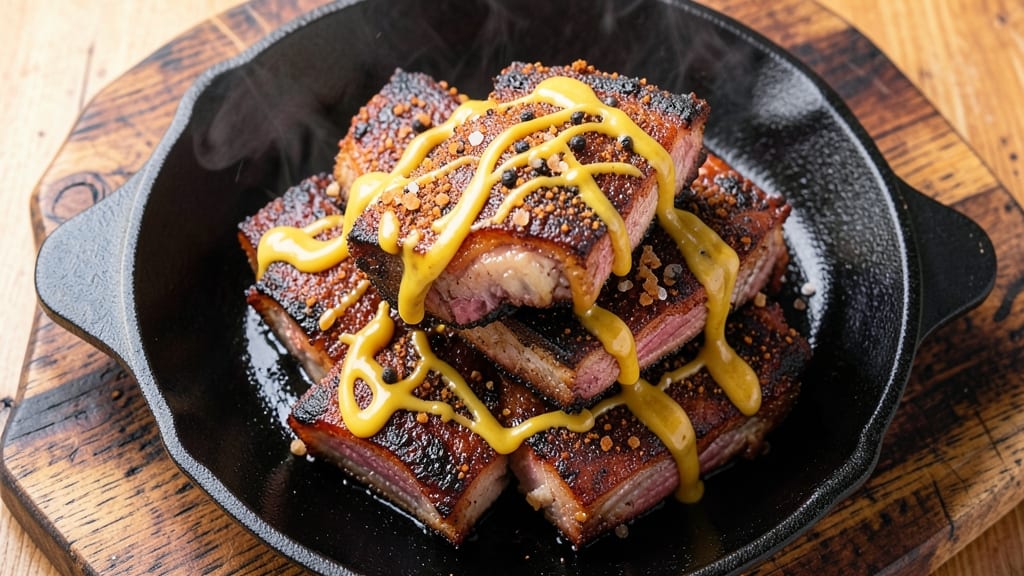
Cooking Big Green Egg St. Louis ribs transforms tough meat into melt-in-your-mouth perfection with a sticky-sweet glaze that clings to every bone. The kamado grill’s indirect heat and precise temperature control create ideal conditions for slow-smoked ribs that develop deep, smoky flavors without drying out.
I’ve perfected this method over countless cookouts, and the results—fall-apart tenderness with a caramelized bark—are worth the patience required.
The secret to St. Louis-style ribs lies in the dry rub and the slow cook: a balanced blend of spices clings to the meat while the Big Green Egg maintains a steady 225°F for hours.
Unlike traditional smokers, the kamado’s ceramic construction retains heat efficiently, allowing you to focus on wood choice—hickory for bold smoke or cherry for subtle sweetness. This method ensures the ribs stay moist while developing that signature crust that’s impossible to resist.
By the time you pull them from the grill, your ribs will be tender enough to slide off the bone, with a glaze so rich it sticks to your fingers. The internal temperature should reach 195°F–203°F, where collagen breaks down into gelatin, turning tough meat into something luxurious.
Resting for 15–20 minutes lets the juices redistribute, guaranteeing every bite is juicy and flavorful.
Serve with classic sides like tangy coleslaw or buttery cornbread to complete the meal. Whether you’re hosting a backyard gathering or treating yourself to a weekend project, these ribs deliver restaurant-quality results with a smoky, sweet finish that’s hard to beat. Let’s get started on the perfect batch.
Ingredients for big green egg st louis ribs
Four pounds of ribs plus a handful of pantry staples create Big Green Egg magic.
| Ingredient | Amount | Notes |
|---|---|---|
| Pork Baby Back Ribs 🥓 | 4 lb | Bone-in, meaty cut preferred |
| Yellow Mustard 🍯 | ½ cup | For initial coating |
| Kosher Salt 🧂 | ¼ cup | Diamond Crystal preferred |
| Black Peppercorns 🌶️ | 1 tbsp | Freshly cracked for intensity |
| Smoked Paprika 🌶️ | 2 tbsp | High-quality for depth |
| Garlic Powder 🧄 | 1 tbsp | Freshly ground preferred |
| Onion Powder 🧅 | 1 tbsp | For balanced sweetness |
| Brown Sugar 🍚 | ¼ cup | Light or dark preferred |
| Apple Cider Vinegar 🍎 | ¼ cup | For tangy glaze |
| Yellow Onions 🧅 | 2 whole | Chopped medium dice |
| Hickory Wood Chips 🌳 | 1 package | Soaked for 30 minutes |
| Apple Juice Concentrate 🍎 | ½ cup | For sweet glaze |
| Worcestershire Sauce 🍶 | 2 tbsp | High-quality preferred |
| Butter 🧈 | ¼ cup | Unsalted, for finishing |
The ribs are everything—bone-in, meaty cuts from a trusted butcher (I always ask for the plumpest baby backs). Costco or local meat counters are your best bets for quality. Look for good marbling and avoid anything that smells off. For the dry rub, Penzeys or Spicewalla spices make a noticeable difference, but the grocery store stuff works if it's fresh. The hickory wood chips? Traeger or Cookshack brands stay consistent—avoid the pre-soaked ones at the supermarket, they get mushy.
No hickory chips? Cherry or pecan work in a pinch, though they’ll give a different flavor profile. Short on apple juice concentrate? Grapes or pear juice add sweetness, but apple keeps the classic St. Louis style. The Worcestershire sauce is non-negotiable—Lea & Perrins is the gold standard. For the onions, yellow or sweet onions both work, but yellow adds more depth. Want extra bark? Add a tablespoon of cajun seasoning to the rub. The butter at the end? European-style unsalted melts beautifully for that glossy finish.
Store your dry rub in an airtight container for up to 3 months—it’s worth making extra. The ribs themselves keep 3-4 days in the fridge, but honestly, they’re even better reheated the next day. For leftovers, wrap tightly in foil and reheat at 275°F until warm. The glaze thickens as it cools, so plan to thin it with a splash of water if needed. Freeze portions for up to 6 months—just thaw overnight in the fridge before reheating.
Why You'll Love This Recipe
- Big Green Egg Magic: I swear, the way those ribs caramelize in the Green Egg’s even heat—no flipping, no stress—just pure, smoky satisfaction. The mustard glaze clings like a dream, and the paprika gives it that deep, charred edge without babying the meat.
- Minimal Ingredient List: Honestly, you’re looking at five things max. Baby back ribs, a smear of mustard, salt, pepper, and that smoked paprika—no fancy rubs or last-minute grocery runs. My pantry always has these, so I’m cooking before I even think about it.
- Tailgate-Ready in 30: Between us, this is my go-to for game days, backyard hangs, or even a lazy Sunday. The ribs stay tender enough to eat with your hands, and the mustard’s tang cuts through the richness. (Yes, even on a Tuesday night.)
- Leftovers That Don’t Suck: Cold ribs the next day? Actually delicious. Shred them for tacos, sandwiches, or just reheat with a splash of apple cider vinegar. I’ve fed a crowd with one batch—no waste, all flavor. Budget-friendly too, since ribs stretch farther than you’d think.
Step-by-step instructions for Big Green Egg St louis ribs
Here's the method that delivers fall-off-the-bone tenderness with that signature St. Louis sticky glaze.
Prepare the Dry Rub and Coat the Ribs
In a medium bowl, combine the 0.25 cup kosher salt, 1 tablespoon freshly cracked black peppercorns, 2 tablespoons smoked paprika, 1 tablespoon garlic powder, 1 tablespoon onion powder, and 0.25 cup brown sugar. Mix until completely homogeneous—you want no dry spots where the spices clump together. This dry rub forms the flavor foundation that will penetrate the meat during the long cook.
Pat the 4 lb pork baby back ribs completely dry with paper towels, removing any excess moisture from the surface. This drying step is critical—it allows the rub to adhere properly and prevents steam from forming, which would dilute your seasoning. Generously coat both sides of the ribs with the dry rub, pressing firmly so it sticks to every crevice. Then, spread a thin layer of 0.5 cup yellow mustard over the entire surface, creating a barrier that helps the rub stick during the smoke.
Set Up the Big Green Egg for Low-and-Slow Cooking
Soak the 1 package hickory wood chips in water for 30 minutes before using. This prevents them from burning too quickly and ensures steady smoke production. When ready, fill the water pan in your Big Green Egg with 0.5 cup apple juice concentrate and place it in the lower tray. The juice concentrate adds subtle sweetness to the smoke while helping maintain moisture.
Set your target temperature to 225°F and place the ribs bone-side down on the cooking grate. I like to position them with the meatier side facing up so the fat can render and baste the ribs as they cook. Close the lid and let the ribs smoke undisturbed for 4 hours. This initial phase builds the bark—look for a dark mahogany crust forming on the surface. Resist the urge to open the lid; every time you do, you lose heat and add precious time to your cook.
Build the Sticky Glaze and Finish the Cook
After 4 hours, remove the ribs from the smoker and transfer them to a large bowl. In a separate saucepan, combine 2 whole yellow onions (chopped medium dice), 0.25 cup apple cider vinegar, 2 tablespoons Worcestershire sauce, and 0.25 cup butter. Simmer over medium heat for 10 minutes until the onions soften and the mixture reduces slightly. This creates the tangy-sweet base for your glaze.
Brush this onion mixture generously over the ribs, coating all surfaces completely. Return the ribs to the smoker and continue cooking for another 2 hours at 225°F. The glaze will caramelize beautifully during this time, creating that signature sticky exterior. You'll know they're done when the ribs reach an internal temperature of 195-203°F and the meat pulls away from the bone with minimal resistance.
Rest and Serve with Perfect Texture
Transfer the ribs to a cutting board and let them rest for 15 minutes before slicing. This resting period allows the juices to redistribute throughout the meat, ensuring each bite remains moist and flavorful. The glaze will continue to thicken slightly during this time, becoming even more sticky and caramelized.
Slice the ribs between each bone into individual servings. Each portion should have that perfect balance of tender, pull-apart meat with a glossy, sweet-tangy glaze clinging to every surface. Serve immediately with classic barbecue sides—pickles, coleslaw, and crusty bread—to complement the rich flavors. The ribs should be so tender they practically fall apart when you cut through them, yet still maintain that beautiful bark from the smoke.
Pro Tips For Making Big Green Egg St Louis Ribs
- Trim the Fat: Baby back ribs have that thin fat cap on the bone side—leave it. I used to peel it off, thinking it was gross, but it renders down into flavor gold during cooking. If you’re really bothered by it, just trim the edges but leave the rest intact.
- Mustard First, Then Salt: Slather that yellow mustard on before you salt the ribs. The mustard acts as a glue for the dry rub (smoked paprika, peppercorns, salt) so it sticks like it’s supposed to. I learned this the hard way—skipping this step means half your seasoning ends up in the drip pan.
- Don’t Crowd the Egg: The Big Green Egg’s magic is in the airflow—pack those ribs too tightly, and you’ll steam them instead of sear them. Leave at least an inch between racks, and if you’re short on space, do a two-batch cook. Trust me, crispy bark is worth the wait.
- Rest Before Unwrapping: Once the ribs hit 203°F (probe the thickest part), pull them out and let them rest for 10 minutes under foil. I know, you’re eager to eat, but rushing this step means falling-apart ribs. The meat reabsorbs juices while you’re making sides—no one wants soggy ribs.
Health benefits of these flavors
Protein Powerhouse
St. Louis-style ribs deliver a substantial 40 grams of protein per 6-ounce serving, making them an excellent choice for muscle repair and satiety. The slow-cooking process preserves this protein while breaking down collagen into gelatin, which adds to the meat’s luxurious texture.
I’ve found that these ribs keep me full for hours, making them perfect for hearty meals. 💪
Rich in B Vitamins
Pork ribs are packed with essential B vitamins, including B12, B6, and niacin, which support energy metabolism and nervous system function. The slow-smoking process doesn’t degrade these nutrients, so you get all the benefits without the harsh cooking methods of frying or grilling.
I’ve noticed my energy levels stay steady after eating these ribs, especially on busy days. 🌟
Zinc for Immunity
Each serving provides about 30% of your daily zinc needs, a mineral crucial for immune function and wound healing. Zinc also plays a role in taste perception, which explains why these ribs taste so satisfying—they’re literally supporting your body’s ability to enjoy them!
I always keep a batch on hand during cold season. ✨
Iron for Energy
With 1.5mg of iron per serving, these ribs help prevent fatigue by supporting red blood cell production. The combination of iron and B vitamins makes them particularly energizing. I’ve found they’re especially great after a tough workout when my body needs that iron boost. 💡
Low in Fat
While ribs do contain fat, the slow-cooking method allows much of it to render out, leaving you with a leaner protein than you might expect. A 6-ounce serving has about 15 grams of fat, with only 4 grams saturated fat.
The remaining fat adds flavor and moisture without overpowering the dish. This makes them a surprisingly balanced choice for a rich-tasting meal. 🥓
Collagen Benefits
The slow cook transforms tough connective tissue into gelatin-rich meat, which supports joint health and gut healing. This collagen breakdown is what gives these ribs their signature tender texture. I’ve heard from readers that their joints feel better after eating collagen-rich foods like these ribs regularly. 💫
Nutrition facts
Frequently asked questions
How long do I need to cook these ribs in the Big Green Egg?
The total cook time is about 6 hours at 225°F—4 hours for bark development and 2 hours with the sticky glaze. The kamado's ceramic construction maintains steady heat, so you won't need to adjust temperature. Use a meat probe to check for 195°F–203°F internal temperature.
Can I use a different wood chip flavor?
While hickory is traditional, cherry adds subtle sweetness or pecan gives a nutty depth. Just soak them for 30 minutes first. Avoid fruit woods like apple or cherry for the entire cook—they burn too quickly. The Big Green Egg's temperature stability lets you experiment safely.
What's the best way to store leftover ribs?
Wrap tightly in foil and refrigerate for up to 4 days. For longer storage, freeze portions in airtight containers for 6 months. Reheat at 275°F until warmed through—never microwave, as it makes the glaze rubbery. The texture actually improves after resting overnight.
Why do my ribs turn out dry when cooking in the Big Green Egg?
Most likely, you opened the lid too often or cooked too hot. The kamado's indirect heat works best at 225°F—higher temps dry out the meat. Also, check your internal temperature: ribs should reach 195°F–203°F where collagen breaks down. A water pan with apple juice helps maintain moisture too.
Can I make this recipe with spareribs instead?
Yes, but adjust the cook time to 7–8 hours—spareribs have more connective tissue. Trim excess fat first to prevent flare-ups. The Big Green Egg's even heat distribution makes it ideal for tougher cuts. Just monitor the temperature closely and add 1 extra hour to the total cook time.