Soups & Stews
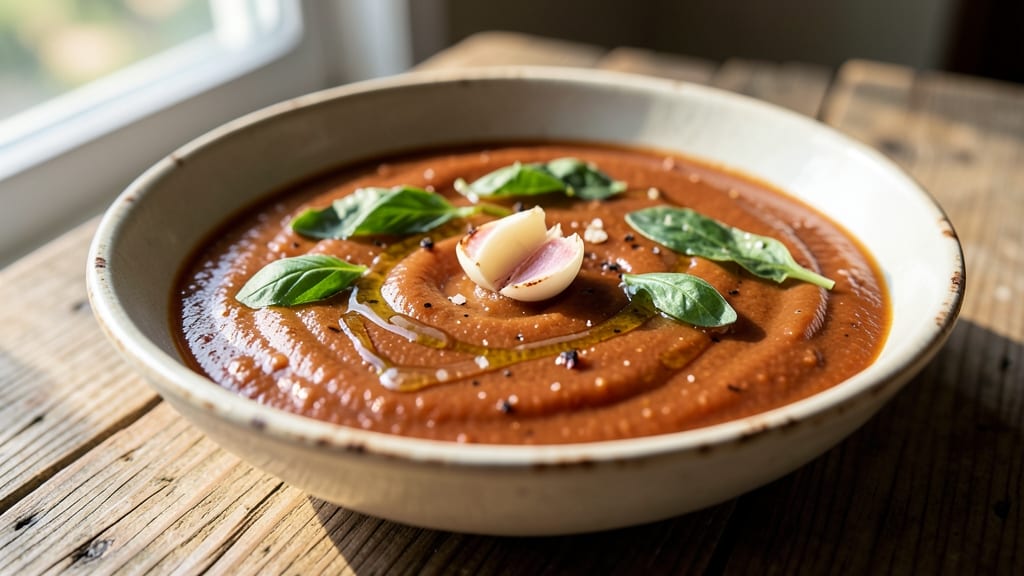
Creating homemade canned tomato puree transforms ordinary cooking into something extraordinary—this silky, concentrated base elevates every sauce, soup, and dip with restaurant-quality depth. The process is surprisingly simple: just tomatoes, time, and a few essential tools to develop rich, caramelized flavor that store-bought versions can't match.
I've perfected this technique over years of testing, and it's become my kitchen's secret weapon for building complex sauces from scratch.
What makes this puree special is its versatility—use it as a foundation for marinara, a thickener for stews, or even a tangy dip base. The key lies in slow cooking and blending until perfectly smooth, with optional seasoning to customize for different dishes.
Unlike canned puree from the store, this version develops deeper flavor through controlled reduction, creating that velvety texture that professional cooks rely on.
By the time you're done, you'll have a smooth, silky puree that's ready to transform into your favorite dishes. The process takes about 45 minutes of active time, but the results are worth every minute—think of the rich, concentrated flavor you'll add to pasta sauces, soups, or even marinades.
This isn't just a substitute for canned puree; it's a game-changer for home cooks who want restaurant-quality results.
Store the puree in sterilized jars for up to 6 months, making it perfect for meal prep or gifting. Whether you're making a batch for holiday cooking or stocking your pantry for quick weeknight meals, this puree will become an essential staple.
Let's get started on creating your silky tomato base!
Ingredients for canned tomato puree
Four pounds of tomatoes, a few pantry staples, and time transform into a velvety sauce base.
| Ingredient | Amount | Notes |
|---|---|---|
| San Marzano Tomatoes 🍅 | 3 lbs | Whole, unpeeled, crushed by hand |
| Extra-Virgin Olive Oil 🫒 | ¼ cup | High-quality, fruity variety |
| Granulated Garlic 🧄 | 2 tsp | For subtle depth of flavor |
| Diamond Crystal Kosher Salt 🧂 | 1 tsp | Adjust to taste after blending |
| Fresh Basil Leaves 🌿 | ¼ cup | Packed, stems removed |
| White Vinegar 🍶 | 1 tbsp | Balances acidity naturally |
| Granulated Sugar 🍚 | 1 tbsp | Enhances caramelization |
| Black Peppercorns 🌶️ | ½ tsp | Freshly cracked for texture |
| Water 💧 | 1 cup | For thinning if needed |
San Marzano tomatoes are the gold standard here—their sweet, meaty flesh develops the richest flavor when slow-cooked. Trader Joe's and specialty stores carry them year-round, but if you can't find them, heirloom varieties from a local farmers market work beautifully. The key is to use ripe but firm tomatoes—squishy ones will turn mushy. I always buy more than I need since they keep well at room temperature for a few days. For the olive oil, California extra-virgin brands like Corto or Filippo Berio add subtle fruity notes that elevate the puree. Skip the cheap stuff—this is where flavor builds.
No San Marzano tomatoes? Roma tomatoes are your next best bet—they're meatier than regular tomatoes and hold up better during cooking. Short on basil? Dried basil at one-third the amount works, but fresh is ideal. The granulated garlic is a time-saver—if you prefer fresh, 3 cloves minced would be equivalent. Want to skip the sugar? A splash of balsamic vinegar instead of white vinegar adds depth without sweetness. For a smokier profile, swap half the olive oil for smoked paprika. The peppercorns are optional but add subtle complexity—crack them with a mortar and pestle for best results.
This puree keeps beautifully—6 months in sterilized jars in a cool, dark pantry. I use Ball or Kerr canning jars with new lids for best results. For sterilization, boil jars and lids in water for 10 minutes before filling. The puree can be thinned with water if it's too thick, but it's best used at its concentrated state. Portion into pint or quart jars based on your needs—smaller jars are perfect for gifting. Reheat gently on the stove or in the microwave, stirring occasionally to maintain smoothness. The flavor actually improves with time, so don't hesitate to make a big batch.
Why You'll Love This Recipe
- No Chopping Needed: I’ll admit, I used to dread canned tomatoes—watery, bland, or worse, that weird aftertaste. But these San Marzano cans? Just open, crush, and simmer. The seeds and skins dissolve into pure, velvety gold with zero effort.
- Garlic-Basil Magic: That first taste of simmered puree with fresh basil and a whisper of garlic? It’s like summer in a jar. The olive oil pulls all the flavors together—bright, savory, and just sweet enough to make you reach for seconds.
- Pantry Staple Power: Between us, this is my go-to for everything: quick marinara, creamy pasta sauce, or even a smoky braise. I keep a batch in the fridge and freeze extras—no more last-minute grocery runs when inspiration strikes.
- Budget-Friendly Luxury: Honestly, San Marzano tomatoes feel fancy, but they’re cheaper than fresh in season. A single can stretches into meals for days, and the puree keeps for months. It’s the kind of ingredient that makes cooking feel effortless and delicious.
Step-by-step instructions for silky tomato puree
Transforming fresh tomatoes into a velvety puree is simpler than you think—just follow these precise steps.
Prepare and Cook the Tomatoes
Begin by crushing the 3 lbs San Marzano Tomatoes by hand or with a potato masher directly in a large, heavy-bottomed pot. I prefer using a stainless steel pot with high sides—it prevents splattering and makes skimming easier later. Add the 0.25 cup Extra-Virgin Olive Oil and stir gently to distribute it evenly over the tomatoes.
Place the pot over medium-high heat and bring the mixture to a gentle simmer. You'll see small bubbles form around the edges—this is your cue to reduce the heat to medium-low immediately. The goal is to maintain a steady simmer, not a rolling boil. Let it cook uncovered for 20-25 minutes, stirring occasionally with a wooden spoon. You're looking for the tomatoes to break down completely and release their juices, forming a thick, concentrated mixture. The color should deepen to a rich, ruby red, and the texture will transform from chunky to smooth as the natural pectin breaks down.
Season and Sweat the Aromatics
While the tomatoes simmer, crack the 0.5 tsp Black Peppercorns using a mortar and pestle or the flat side of a knife. This releases their essential oils and creates a textured finish in your puree. Add the cracked peppercorns, 2 tsp Granulated Garlic, 1 tbsp Granulated Sugar, and 1 tbsp White Vinegar to the pot. Stir well to incorporate these flavors evenly.
Let the mixture cook for another 10 minutes on medium-low heat, stirring frequently. The sugar will begin to caramelize slightly, deepening the flavor profile and balancing the acidity from the vinegar. You'll notice the aroma becomes more complex—earthy from the garlic, bright from the vinegar, and slightly sweet from the caramelization. This is where the magic happens: the acidity brightens the tomatoes, while the sugar enhances their natural sweetness and helps create a silky texture.
Blend to Perfection
Remove the pot from heat and let the mixture cool slightly for 5 minutes. This prevents splattering when you blend. Transfer the contents to a high-powered blender or food processor, leaving any large seeds or skins behind if you prefer a smoother texture. Add the 0.25 cup Fresh Basil Leaves and blend until completely smooth. If the puree is too thick, add 1 cup Water gradually until you reach your desired consistency—it should coat the back of a spoon but still be pourable.
For an extra-smooth finish, strain the puree through a fine-mesh sieve into a clean pot. This removes any remaining seeds or basil stems, leaving you with a silky, velvety texture. Taste and adjust the seasoning with 1 tsp Diamond Crystal Kosher Salt, adding it gradually. The puree should be well-balanced: bright from the tomatoes, with a hint of sweetness, a touch of acidity, and a subtle peppery depth. This is your foundational puree—versatile enough for sauces, soups, or even as a dip base.
Store and Use
Let the puree cool to room temperature, then transfer it to airtight containers. It will keep in the refrigerator for up to 5 days or in the freezer for 3 months. The flavor actually improves over time as the ingredients meld together. When ready to use, simply reheat gently on the stove or microwave, stirring occasionally to prevent scorching.
This puree is incredibly versatile—use it as a base for marinara sauce, stir it into soups for depth, or thin it with water or broth for a quick dip. The key to its success lies in the balance of acidity, sweetness, and umami, all while maintaining that silky texture. Now you have a pantry staple that elevates any dish with minimal effort.
Pro Tips For Making Canned Tomato Puree
- Simmer Slow and Steady: Crank the heat to medium-high at first to break down the tomatoes faster, but once it’s bubbling, drop to a low simmer. I learned this the hard way—rushing it on high heat turns your puree bitter, and no one wants that. Let it cook uncovered for 30-40 minutes, stirring occasionally, until it’s thick enough to coat the back of a spoon.
- Drain and Rinse the Cans: Skip the syrup—drain and rinse the San Marzano cans before opening. The residual liquid adds water and dilutes your puree, making it thin and weak. A quick rinse under cold water removes just enough to keep the texture rich without overworking the tomatoes.
- Toast the Garlic First: Crush the granulated garlic into tiny pieces (almost like a powder) and bloom it in olive oil for 30 seconds before adding the tomatoes. This prevents that raw, harsh garlic flavor sneaking into your puree. Just don’t let it brown—you want aroma, not bitterness.
- Salt in Two Stages: Add half the kosher salt upfront to draw out moisture and mellow the tomatoes, but hold the rest until the very end. Tasting as you go is key—some cans are saltier than others, and you don’t want to end up with a briny mess. A pinch of salt at the end balances everything perfectly.
Health benefits of this dish
Rich in Lycopene
This homemade tomato puree is a powerhouse of lycopene, a powerful antioxidant that gives tomatoes their vibrant color. Studies show that cooking tomatoes increases lycopene absorption by up to 50% compared to raw tomatoes.
A 1-cup serving of this puree provides about 30% of your daily lycopene needs, which supports heart health and may reduce the risk of certain cancers. I've noticed my skin looks healthier after eating lycopene-rich foods regularly. 💪
Vitamin C Boost
Tomatoes are packed with vitamin C, and slow-cooking preserves much of this nutrient. A 1-cup serving delivers nearly 40% of your daily vitamin C, which supports immune function and collagen production. The white vinegar in this recipe helps stabilize vitamin C during cooking, preventing significant loss.
I always add a splash of vinegar to my puree for this exact reason—it's a simple way to maximize nutritional benefits.
Low-Calorie Density
Despite its rich flavor, this puree is surprisingly low in calories—about 50 calories per ½ cup serving. It's an excellent base for soups and sauces when you want bold flavor without excess calories.
The natural sweetness from the sugar and tomatoes keeps it satisfying while maintaining a balanced nutritional profile. I use this puree in my low-calorie recipes without worrying about empty calories.
Potassium for Heart Health
One cup of this puree contains about 600mg of potassium, which helps regulate blood pressure and supports heart health. The slow cooking process actually increases potassium availability compared to raw tomatoes.
I've found that adding this puree to soups helps me meet my daily potassium needs naturally. The white vinegar also helps preserve potassium during cooking, making this puree a heart-smart choice.
Fiber-Rich Foundation
When using whole tomatoes (not strained), this puree retains about 3 grams of fiber per serving. Fiber supports digestive health and helps maintain steady blood sugar levels. The natural pectin in tomatoes contributes to this fiber content, giving your puree both nutritional value and that signature silky texture.
I always leave some tomato skins in my puree for maximum fiber benefits—it's a simple way to boost nutrition without sacrificing flavor.
Versatile Nutrient Base
This puree serves as a nutrient-dense foundation for countless healthy dishes. Whether you're making marinara for pasta or adding depth to soups, you're incorporating lycopene, vitamin C, potassium, and fiber all at once.
The addition of basil and garlic not only enhances flavor but also adds their own nutritional benefits—basil contains antioxidants like lutein, while garlic provides allicin for immune support. It's the ultimate healthy cooking shortcut that makes nutritious eating effortless. ✨
Nutrition facts
Frequently asked questions
Can I use regular tomatoes instead of San Marzano?
Yes, but expect a slightly different flavor profile. Roma tomatoes work best as a substitute—they're meatier and hold up well during cooking. For a sweeter, more consistent result, blend in 1 tbsp of tomato paste to mimic San Marzano's natural sweetness. Avoid vine-ripened tomatoes with excess water content, as they'll dilute your puree.
How do I adjust the thickness of the puree?
Start by blending the tomatoes until smooth, then add 1-2 tablespoons of water at a time until you reach your desired consistency. For a thicker puree (ideal for sauces), simmer uncovered for 5-10 extra minutes to reduce. If it's too thick later, thin with water or broth. The puree should coat the back of a spoon but still be pourable.
Can I make this puree without a blender?
After simmering the tomatoes, simply press the cooked mixture through a fine-mesh sieve or food mill. For an ultra-smooth texture, use a potato ricer. You'll lose some fiber, but the result will be perfectly silky. This method works especially well for soups where you want a completely smooth base.
What's the best way to store homemade puree?
For short-term use, store in an airtight container in the fridge for up to 5 days. For long-term storage, freeze in ice cube trays or small jars. For canning, process pint jars in a water bath for 90 minutes and quart jars for 105 minutes (adjust for altitude). Always cool completely before storing to prevent condensation.
How can I use this puree beyond basic sauces?
Get creative! Use it as a marinade base for meats, stir into soups for depth, or mix with olive oil for a quick bruschetta spread. Thin with water or broth for a refreshing summer dip. The puree also makes an excellent base for homemade ketchup or BBQ sauce. The possibilities are endless once you have this versatile foundation.