Salads
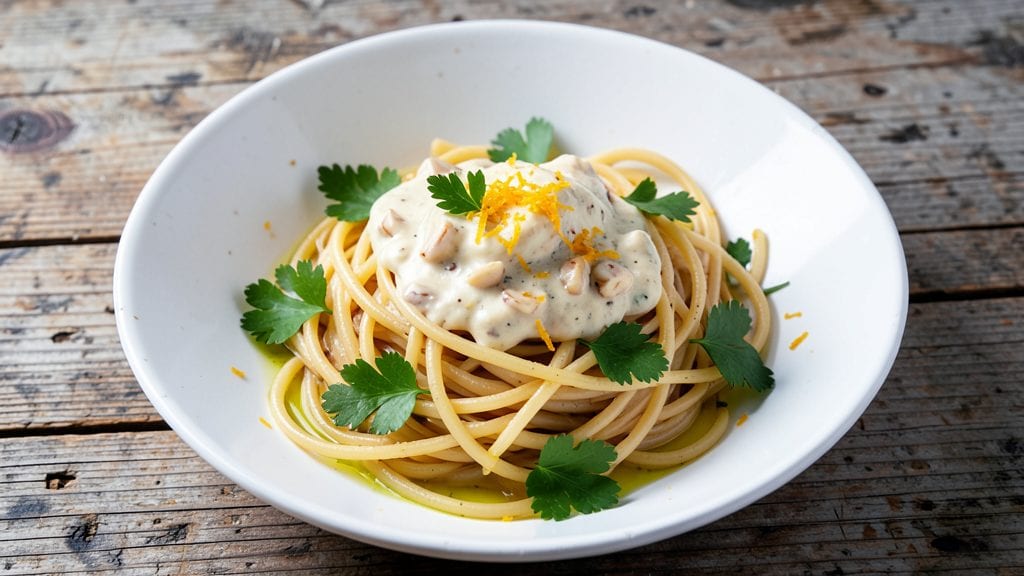
Jamie Oliver’s pasta recipe transforms simple ingredients into a bright, restaurant-worthy dish with just one pan and 20 minutes of active time. The secret lies in balancing bold garlic, zesty lemon, and rich butter—creating a sauce that clings effortlessly to every strand of al dente pasta.
I’ve adapted this technique to deliver Jamie’s signature flavor without the fuss, ensuring every bite is vibrant and full of character.
This recipe delivers restaurant-quality results with minimal effort, using just five core ingredients: pasta, butter, garlic, lemon, and fresh parsley. The key is cooking the pasta directly in the sauce, which eliminates the need for a colander and keeps everything creamy.
Perfect for weeknights or impressing guests, this dish is foolproof yet feels special—just like Jamie’s approach to cooking.
The final result is a golden, lemon-infused pasta with crispy garlic bits and tender strands, all coated in a velvety sauce that’s bright yet rich. The aroma alone will have everyone gathering around the table, and the first bite delivers that perfect balance of tangy, garlicky, and buttery flavors.
It’s the kind of dish that makes homemade cooking feel effortlessly elegant.
Serve immediately with a sprinkle of black pepper and extra parsley for color, or add grilled chicken or shrimp for extra protein. This recipe scales perfectly for a crowd, and the leftovers reheat beautifully—though I doubt they’ll last that long. Let’s get cooking!
Ingredients for jamie oliver pasta
Five ingredients transform into Jamie Oliver’s signature lemon garlic butter pasta—simple yet restaurant-worthy.
| Ingredient | Amount | Notes |
|---|---|---|
| Spaghetti 🍝 | 12 oz | Al dente preferred, medium thickness |
| Unsalted Butter 🧈 | ½ cup | Cold, cut into small cubes |
| Garlic Cloves 🧄 | 6 cloves | Fresh, thinly sliced |
| Lemon 🍋 | 1 whole | Zest and juice, organic preferred |
| Fresh Flat-Leaf Parsley 🌿 | ¼ cup | Chopped, stems removed |
| Extra-Virgin Olive Oil 🫒 | 2 tbsp | For finishing, high quality |
| Kosher Salt 🧂 | 1 ½ tsp | Adjust to taste |
| Freshly Ground Black Pepper 🌶️ | ½ tsp | Freshly cracked preferred |
The butter is the foundation here—European-style unsalted butter like Plugrá or Kerrygold delivers the richest flavor, but any good-quality unsalted works. Garlic matters too: organic cloves from the grocery store’s produce section stay fresher longer, but even pre-minced (in a pinch) will work if you toast it first. Lemon should be bright and juicy—Eureka or Meyer lemons from a specialty market are ideal, but regular grocery store lemons work fine. Fresh parsley is non-negotiable for that signature pop of color and freshness, though dried oregano in a bind won’t ruin the dish. For the pasta, De Cecco or Barilla are my go-tos—they cook evenly and hold their shape.
No fresh parsley? Fresh cilantro or basil at the same amount works beautifully, though the flavor profile shifts slightly. Butter out of stock? Ghee or olive oil keeps the dish vegetarian-friendly, though the texture changes. Short on lemon? Lemon zest plus a splash of white wine vinegar mimics the tang. Garlic powder won’t give you those crispy bits, but a pinch of garlic salt (adjust salt later) works in a pinch. The olive oil is just for finishing—don’t skimp on the extra-virgin here. A good bottle from Trader Joe’s or Whole Foods makes all the difference. If you’re feeling fancy, add a pinch of red pepper flakes for subtle heat.
This dish is all about freshness—use the parsley and lemon within 3 days of purchase for peak flavor. Butter and pasta keep well in a cool, dry place for months, but once cooked, store leftovers in an airtight container for up to 3 days. The sauce reheats beautifully—just add a splash of water to loosen it up. For meal prep, cook the pasta slightly underdone, then finish it in the sauce when reheating. Freezes for 1 month if you’re planning ahead, though I can’t promise it’ll last that long with how good it is.
Why You'll Love This Recipe
- Foolproof Freshness: I swear by this one—no wilting herbs, no sad garlic. The parsley stays bright, the lemon zings, and the butter melts into that al dente spaghetti like it’s been waiting its whole life. Honestly, it’s the kind of dish where you want to eat it immediately, but it’s also the kind you’ll sneak a bite of while prepping dinner.
- Garlic-Lemon Magic: That first bite? Pure brightness. The butter and garlic toast together until they’re golden and fragrant, then the lemon cuts through with this sharp, citrusy punch. It’s simple, but it’s ridiculously good—the kind of flavor that makes you pause mid-bite and think, “Wait, is this too good to be true?”
- Weeknight to Weekend: Make it for a lazy Tuesday when you’re too tired to think, or serve it at a dinner party when you want to look like you slaved for hours. The same ingredients work for both—just adjust the parsley (more for company, less for me) and call it a win. Between us, it’s my go-to when I need something that feels special but doesn’t require a grocery haul.
- Leftovers That Don’t Suck: Most pasta gets sad in the fridge, but this? It’s better the next day. The flavors meld even more, the lemon brightens instead of fading, and it reheats in minutes. I’ll be real: I’ve eaten this cold from the fridge with a sprinkle of extra parsley, and no one judged me. Budget-friendly? Absolutely. Time-saving? Even more so.
Step-by-step instructions for Jamie Oliver's lemon garlic butter pasta
This one-pan wonder delivers bright, buttery lemon garlic pasta in under 20 minutes.
Cook the Spaghetti Al Dente
Bring a large pot of water to a rolling boil and add 1.5 teaspoons kosher salt. Once boiling, add the 12 oz spaghetti and stir immediately to prevent sticking. Cook for 8-10 minutes until the pasta is al dente—it should have a slight bite when tested with a fork.
Reserve 1 cup of the pasta water before draining. This starchy liquid is essential for creating a silky sauce later. Drain the pasta directly into the same pot, but don't rinse it—those surface starches help bind the sauce to each strand.
Sauté Garlic in Butter Until Fragrant
While the pasta cooks, heat a large skillet over medium heat. Add the 0.5 cup unsalted butter, cut into small cubes, and let it melt completely. Add the 6 cloves thinly sliced garlic and cook for 1-2 minutes until the garlic becomes golden and fragrant—not browned.
Watch the garlic carefully—it burns quickly. If it starts to darken, remove the pan from heat for 30 seconds to cool slightly. The butter should foam gently but not brown, creating a rich base for the sauce.
Combine Pasta with Lemon Butter Sauce
Transfer the drained spaghetti to the skillet with the garlic butter. Add the zest and juice of 1 whole lemon (about 2 tablespoons juice) and toss everything together vigorously. The lemon's acidity will brighten the rich butter flavor instantly.
Cook for 2-3 minutes on medium heat, stirring constantly. If the sauce begins to look too thick, add 2-3 tablespoons of the reserved pasta water at a time until it reaches a creamy, glossy consistency. The sauce should coat the pasta lightly without being soupy.
Finish with Olive Oil and Fresh Parsley
Remove the skillet from heat and stir in the 2 tablespoons extra-virgin olive oil. This adds a touch of brightness and prevents the sauce from becoming too heavy. The olive oil should blend seamlessly into the butter, creating a balanced flavor profile.
Add the 0.25 cup chopped fresh flat-leaf parsley and the 0.5 teaspoon freshly ground black pepper. Taste and adjust seasoning with additional kosher salt if needed. The dish should be bright, buttery, and slightly peppery with a fresh lemon finish.
Serve Immediately with Extra Lemon
Divide the pasta among 4 plates and garnish each serving with an extra sprinkle of fresh parsley and a few drops of lemon juice. Serve immediately while the pasta is hot and the sauce is still glossy.
This dish works beautifully as a quick weeknight meal or an elegant light lunch. The one-pan method keeps cleanup simple while delivering restaurant-quality flavor in minutes. Enjoy the bright, buttery lemon garlic notes that make this pasta so irresistible!
Pro Tips For Making Jamie Oliver Pasta
- Cook Garlic Low: Jamie’s recipe relies on sweet, fragrant garlic—not bitter, burnt bits. Sauté those cloves over the lowest heat you can tolerate, stirring constantly until they’re golden and just starting to smell like a summer garden. I learned this the hard way—once I let mine brown too fast, and the whole dish tasted like a campfire instead of a lemony hug.
- Salt the Water Hard: The pasta needs to taste like the sea, not a sad swimming pool. Use two full tablespoons of salt per pound of spaghetti—yes, even if your water boils like a volcano. Taste it: it should sting your lips. I skip this often, and the butter-lemon sauce clings to limp noodles instead of al dente perfection.
- Zest Before Juice: The lemon’s zest is where the magic hides—bright, citrusy, and way more potent than juice. Use a microplane to get fine strips (no pith!), then squeeze just enough juice to moisten the butter. I used to dump in half a lemon, and the dish turned watery. Save the rest for cocktails.
- Reserve Some Butter: Tossing the pasta in the garlic-butter sauce? Hold back a teaspoon of that golden goodness. Drizzle it over the finished dish—it’ll coat every strand like a silky blanket. I was skeptical until I tried it; now I double the butter just for this move. (Your future self will notice.)
Storing and reheating this recipe
Refrigerator Storage
Store leftovers in an airtight glass container with a lid—like Pyrex or Le Creuset—for up to 3 days. The sauce will thicken slightly when chilled, so add 1-2 tablespoons of water or pasta water when reheating to restore creaminess.
I always let the pasta cool completely before storing to prevent condensation, which keeps the texture perfect. 🌡️
Freezer-Friendly Tips
This pasta freezes beautifully for up to 1 month if you follow these steps: Toss the cooled pasta with 1 teaspoon of olive oil before freezing to prevent sticking. Use silicone freezer bags or glass containers with tight seals.
When reheating, microwave in 30-second bursts, stirring between each, until heated through. The sauce may separate slightly, but a quick stir brings it back together.
Reheating Like a Pro
For the best texture, reheat in a large skillet over medium-low heat with 2-3 tablespoons of water or broth. Stir constantly for 5-7 minutes until everything is steaming and the sauce is glossy again.
Avoid high heat—it can make the butter separate or the pasta turn mushy. A splash of lemon juice at the end brightens the flavors after reheating. ✨
Make-Ahead Prep
Cook the pasta 1 minute less than directed if you plan to reheat it later. The extra al dente bite holds up better during storage. Store the sauce separately in the fridge if you want to reheat just the pasta first, then toss it with fresh sauce.
This trick works especially well for meal prep—just reheat the pasta, then add the lemon butter sauce fresh for maximum brightness.
Garnish Refresh
After reheating, always finish with fresh parsley and a squeeze of lemon—these ingredients lose their vibrancy when stored. A drizzle of high-quality olive oil adds a fresh touch.
For extra restaurant flair, sprinkle with toasted breadcrumbs or grated Parmesan right before serving. The contrast of textures makes every bite feel special. 💫
Portion Control
Divide the pasta into single-serving containers before freezing or refrigerating. This makes reheating effortless—just grab what you need without thawing the whole batch. I like using mason jars for portion control; they stack neatly in the freezer and make leftovers feel like a treat.
Label with the date to track freshness accurately. 📅
Nutrition facts
Frequently asked questions
Can I use this recipe with other types of pasta?
While spaghetti works perfectly, try linguine or fettuccine for a similar texture. For heartier options, penne or rigatoni hold the sauce beautifully. Just adjust cooking times—thicker pastas like pappardelle need 1-2 extra minutes in boiling water. The key is keeping it al dente so it doesn't turn mushy when tossed with the sauce.
What if I don't have fresh parsley?
No problem! Swap it for fresh basil or cilantro at the same amount for a different but equally vibrant flavor. If you're stuck with dried herbs, use 1 teaspoon dried parsley (or basil) but reduce the amount by half. For extra color, try toasted pine nuts or crispy fried shallots as garnishes instead. The dish will still taste amazing—just with a slightly different twist.
Why does my sauce get too thick when reheating?
This happens when the butter solidifies during storage. To fix it, add 1-2 tablespoons of water or reserved pasta water while reheating and stir constantly over low heat. For best results, reheat in the same pan you cooked it in—this helps the sauce re-emulsify naturally. If the sauce still looks dry, a splash of lemon juice or heavy cream can restore that creamy texture.
Can I make this vegetarian?
Yes! Simply replace the butter with olive oil or vegetable oil for a dairy-free version. For extra richness, use nutritional yeast or cashew cream instead of butter. The lemon and garlic flavors will still shine through—just ensure your oil is high-quality for the best taste. This version works perfectly as a vegan pasta dish.
How do I make this dish more protein-packed?
Add grilled shrimp (sautéed in olive oil with garlic), chicken breast strips (cooked separately and added at the end), or white beans (rinsed and tossed in). For a vegetarian option, try crumbled feta or toasted breadcrumbs with herbs. Just be sure to cook proteins separately and add them to the pasta right before serving to keep everything warm and flavorful.