
Appetizers
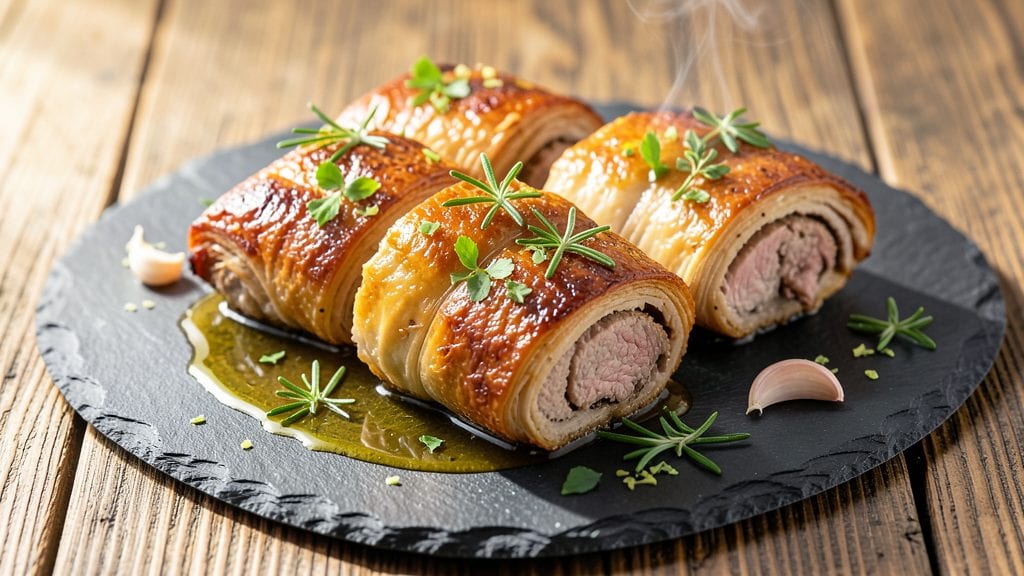
Creating herb-crusted lamb shoulder rolls transforms simple ingredients into a showstopping appetizer with layers of flavor and texture. The secret lies in thinly slicing the lamb, layering it with fresh herbs and garlic, then rolling it into tight spirals before searing to perfection.
This method ensures juicy pink hearts every time, making it ideal for parties or special occasions.
What sets these rolls apart is the balance between crispy edges and tender centers, achieved through precise cooking techniques. The herb crust adds an aromatic depth that complements the rich, gamey flavor of the lamb.
With just 15 minutes of active prep and 20 minutes of cooking, you'll have a dish that looks impressive yet requires minimal effort.
The result is a plate of golden-brown lamb rolls with fragrant herbs peeking through the crust, their centers remaining succulent and pink. Each bite delivers a perfect harmony of textures—crispy exterior, tender meat, and fresh herb notes.
Serve with a side of tzatziki or lemon wedges to enhance the flavors further.
These rolls are versatile enough for any gathering, from holiday feasts to casual dinner parties. The recipe scales easily, so you can prepare a single batch for a small gathering or double it for larger crowds. Here’s how to make them perfectly every time.
Ingredients for lamb shoulder rolls
Fresh herbs and tender lamb shoulder transform into elegant herb-crusted rolls with crispy edges.
| Ingredient | Amount | Notes |
|---|---|---|
| Lamb Shoulder 🥩 | 1 ½ lb | Bone-in, trimmed of excess fat |
| Fresh Rosemary 🌿 | ¼ cup | Finely chopped, stems removed |
| Fresh Thyme 🌿 | ⅛ cup | Leaves only, finely chopped |
| Fresh Parsley 🌿 | ⅛ cup | Flat-leaf, finely chopped |
| Garlic Cloves 🧄 | 6 cloves | Minced, for herb paste |
| Extra-Virgin Olive Oil 🫒 | ¼ cup | For herb paste and searing |
| Dijon Mustard 🍯 | 1 tbsp | For binding herb crust |
| Panko Breadcrumbs 🍞 | ½ cup | For extra crunch |
| Unsalted Butter 🧈 | 2 tbsp | Melted, for brushing |
| Kosher Salt 🧂 | 1 tsp | Plus extra for seasoning |
| Freshly Ground Black Pepper 🌶️ | ½ tsp | For seasoning |
| Lemon Zest 🍋 | 1 tsp | Brightens herb mixture |
| All-Purpose Flour 🌾 | ¼ cup | For rolling and dredging |
The quality of the lamb shoulder is critical—look for well-marbled cuts with even fat distribution. Whole Foods or specialty butchers often carry premium cuts ideal for this dish. Trim any large fat deposits before slicing, as they can make the rolls greasy. Fresh herbs should be bright green and vibrant, not wilted or yellowing. For the best flavor, source rosemary and thyme from local farmers markets or organic sections of grocery stores. The garlic should be firm and free of sprouts—Spanish or Italian varieties work best for their mild sweetness. When slicing the lamb, cut against the grain for maximum tenderness in each roll.
No fresh rosemary? Dried rosemary at half the amount works, but the flavor won't be as vibrant. Substitute parsley with cilantro or dill if needed, though parsley's mild flavor complements the lamb best. For the olive oil, high-quality extra-virgin makes a noticeable difference—avoid heavily processed brands. The Dijon mustard can be swapped for whole-grain mustard for added texture. If you're short on time, pre-minced garlic from a jar works, though fresh is always preferred. For the breadcrumbs, Japanese panko adds extra crunch, but regular panko or even crushed cornflakes work well in a pinch. The lemon zest can be omitted if you don't have fresh lemons, but the acidity helps balance the richness of the lamb.
Freshly prepared herb paste keeps best in an airtight container in the refrigerator for up to 3 days. For longer storage, freeze the paste in 1-tablespoon portions for easy use later. The lamb shoulder can be trimmed and sliced a day ahead, then wrapped tightly in plastic wrap and refrigerated. The rolls themselves reheat beautifully—10 minutes at 375°F restores their crispy exterior and juicy centers. For serving, arrange them on a platter and drizzle with any leftover herb paste or a lemon-butter sauce. These rolls also freeze well for up to 2 months—thaw overnight in the fridge before reheating.
Why You'll Love This Recipe
- One-Pan Magic: I swear by this recipe because it’s that simple—just roll, tie, and roast. No fancy prep, no extra pans, and the lamb practically cooks itself while you chop herbs (which, honestly, takes less time than scrolling through recipes).
- Herb-Packed Punch: That rosemary-thyme-parsley blend? It’s like a flavor hug for your lamb. The garlic cloves tucked inside? Absolute gold—crispy, aromatic, and impossible to resist when you bite into one.
- Leftovers That Don’t Suck: Between us, lamb leftovers are usually sad. Not these. The rolls stay juicy, the herbs keep their brightness, and I’ve reheated them for days—even my picky teenager asks for seconds (yes, even on a Tuesday night).
- Budget-Friendly Feast: Lamb shoulder is a steal compared to chops, and this recipe stretches it perfectly. A single cut feeds four, tastes luxurious, and won’t break the bank—plus, the leftovers make next-day lunches feel fancy without the effort.
Step-by-step instructions for herb-crusted lamb shoulder rolls
Transforming lamb shoulder into tender, herb-encrusted rolls requires patience and precision—here's how to achieve juicy pink centers every time.
Prepare the Herb Paste and Season the Lamb
In a food processor, combine the 0.25 cup fresh rosemary, 0.125 cup fresh thyme, 0.125 cup fresh parsley, 6 cloves minced garlic, 1 tbsp Dijon mustard, 1 tsp lemon zest, 0.25 cup extra-virgin olive oil, 1 tsp kosher salt, and 0.5 tsp freshly ground black pepper. Pulse until you achieve a thick, vibrant green paste that clings together—this will become your flavorful crust.
Pat the 1.5 lb lamb shoulder dry with paper towels and season both sides generously with additional salt and pepper. This drying step is critical—it ensures a crisp crust rather than a steamed exterior. Let the lamb sit at room temperature for 30 minutes while you prepare the rest of your ingredients.
Roll and Secure the Lamb Shoulder
Preheat your oven to 375°F and line a baking sheet with foil. Place the lamb on a cutting board and, using a sharp boning knife, make a deep cut along one side of the meat, about ½-inch from the edge, stopping just before you reach the bone. This creates a flap that will help form the roll.
Spread an even layer of the herb paste over the entire surface of the lamb, including the cut side. Starting from the cut edge, tightly roll the lamb into a spiral, tucking the flap underneath as you go. Secure the roll with kitchen twine, wrapping it every 1-2 inches to maintain its shape. This rolling technique distributes fat and juices evenly throughout the meat, guaranteeing a moist final product.
Create the Crisp Herb Crust
In a small bowl, mix the 0.5 cup panko breadcrumbs with 2 tbsp melted unsalted butter until evenly combined. This mixture will form the crispy exterior that contrasts beautifully with the tender lamb inside. Brush the herb-covered lamb roll generously with the remaining 0.25 cup extra-virgin olive oil, then roll it in the panko-butter mixture, pressing firmly to adhere the crumbs.
Place the rolled lamb on the prepared baking sheet, seam-side down. Bake for 45 minutes, then carefully flip the roll and continue baking for another 45 minutes. The panko should turn golden brown and crispy, while the internal temperature should reach 145°F—this ensures the lamb remains juicy with a pink center.
Rest and Slice for Maximum Juiciness
Remove the lamb from the oven and transfer it to a cutting board. Let it rest, loosely covered with foil, for 20 minutes. This resting period is essential—it allows the juices to redistribute throughout the meat, preventing them from pooling on the cutting board when you slice. During this time, preheat your serving platter in the oven to keep the lamb warm.
Once rested, remove the twine and slice the lamb into ½-inch thick rolls. The herb crust should be crisp and fragrant, while each slice should reveal a juicy pink center with a perfect smoke ring. Serve immediately with the pan juices drizzled over the top for an extra burst of flavor.
Pro Tips For Making Lamb Shoulder Rolls
- Trim the Fat First: Lamb shoulder rolls have a thick fat cap—slice it down to ¼-inch before rolling. This keeps the meat juicy (fat renders better) and prevents soggy crusts when searing. I used to skip this, and my rolls always ended up greasy inside.
- Salt Like It’s 1950: Generously salt the lamb at least 4 hours ahead—this breaks down fibers for tender rolls. Use 1 tsp kosher salt per pound, and don’t wipe it off before cooking. My grandmother’s method: "Salt makes flavor stick, not just season."
- Sear in Batches: Crowding the pan cools the oil and steams the lamb instead of browning. Work in 2 batches max, and don’t rush—let each side get a deep crust before rolling. After burning three batches, I finally realized: high heat + patience = caramelized magic.
- Tie with Butcher’s Twine: Skip rubber bands—they snap when hot. Use 12-inch butcher’s twine, looping it every 2 inches for tight rolls. This keeps the shape intact during roasting, and the twine burns off cleanly. (Yes, it’s a pain, but your rolls won’t unravel mid-cook.)
Essential equipment for lamb shoulder rolls
Essential Cutting Tools
The right tools make all the difference when working with lamb shoulder. A sharp boning knife (like the Victorinox 8-inch or Wüsthof Classic) is critical for cleanly slicing the meat against the grain.
I also recommend a long, flexible slicing knife (such as the Mac Professional) for cutting the finished rolls into even portions. A sharp chef's knife works for mincing garlic and herbs, but I prefer using a microplane for garlic to avoid burning it in the food processor. 🔪
Food Processor
A high-quality food processor (I use the Cuisinart DFP-14BCNY) is essential for creating the herb paste. It needs to handle tough herbs like rosemary and thyme without overheating. If you don’t have one, a mortar and pestle works for small batches, though it requires more elbow grease.
The key is achieving a smooth, thick paste that clings to the lamb—this ensures maximum flavor transfer. 🌿
Baking Equipment
For even cooking, use a heavy-duty baking sheet (like All-Clad Stainless Steel) to prevent warping. Line it with heavy-duty aluminum foil for easy cleanup. A meat thermometer (I swear by the Thermoworks Smoke) is non-negotiable—it ensures the lamb reaches 145°F without overcooking.
Preheat your oven to 375°F and use the middle rack for consistent heat distribution. 🌡️
Rolling and Securing
To roll the lamb neatly, I use kitchen twine (like Butcher’s Twine from Amazon) to secure the spiral. Avoid plastic wrap—it can melt in the oven. A rolling pin helps flatten the herb paste before applying it to the lamb.
For extra stability, place the rolled lamb on a wire cooling rack while it rests—this allows heat to escape evenly, preventing soggy crusts. 🧵
Optional Pro Upgrades
For a restaurant-quality finish, invest in a mandoline slicer (like the OXO Good Grips) to achieve perfectly even rolls. A digital scale (such as the Escali Primo) ensures precise herb measurements.
If you love crispy textures, a pasta maker can help create ultra-thin lamb slices for delicate rolls. These tools elevate the dish but aren’t strictly necessary for home cooks. ⚡
Nutrition facts
Frequently asked questions
Can I use lamb shoulder without the bone for these rolls?
Boneless lamb shoulder works perfectly for this recipe! Simply follow the same rolling technique, but you may need to adjust your cut slightly to create the spiral shape. The absence of bone makes the rolls easier to slice, though they'll be slightly less stable during baking. For extra security, wrap them more tightly with kitchen twine.
How do I prevent the herb crust from becoming soggy?
Pat the lamb completely dry before applying the herb paste, and make sure your panko-butter mixture is well-coated. The key is baking the rolls seam-side down first to create a barrier between the crust and the meat. For extra insurance, chill the assembled rolls in the fridge for 15 minutes before baking to help the crust set.
What's the best way to reheat leftover lamb shoulder rolls?
Reheat in a 375°F oven for 10-12 minutes on a wire rack to restore crispiness. For a quick option, use an air fryer at 350°F for 5 minutes. Avoid microwaving—it makes the crust rubbery. Always reheat covered with foil, then uncover for the last 2 minutes to crisp up the exterior.
Can I substitute other herbs in the crust?
Try fresh mint and cilantro for a Mediterranean twist or oregano and basil for Italian flair. Just maintain a 2:1 ratio of rosemary/thyme to parsley in your mix. Avoid overly strong herbs like sage or tarragon—they can overpower the lamb's delicate flavor.
Why is my lamb shoulder roll falling apart when I slice it?
This usually happens if the meat wasn't rolled tightly enough or rested properly. Make sure to wrap the roll with twine every 1-2 inches and let it rest for the full 20 minutes after baking. For extra stability, chill the assembled roll in the fridge for 30 minutes before baking to help the juices set.