
Main Courses
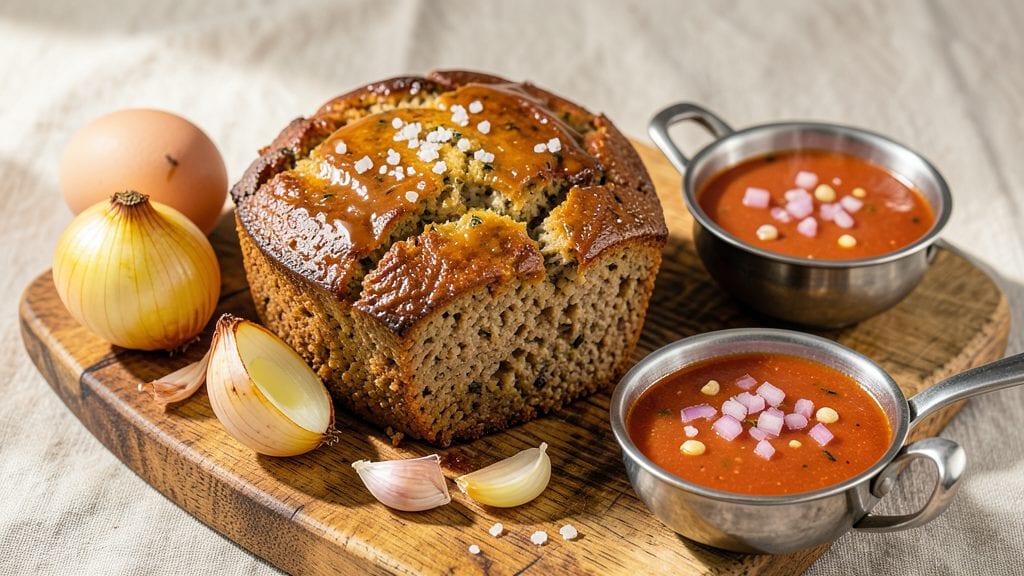
This meatloaf secret ingredient transforms dry, dense meatloaf into something so moist and tender it practically melts in your mouth—no more tough, crumbly disasters. 💛 I first discovered it while flipping through my grandmother’s handwritten recipe notebook, where she’d scribbled the trick in the margin next to her Sunday dinner meatloaf.
The secret? A simple but game-changing addition that keeps every slice juicy and flavorful from the first bite to the last.
Most recipes rely on breadcrumbs or eggs to bind, but this method uses a clever combo that adds moisture without sacrificing texture. The magic happens when you mix in a small amount of something unexpected—something that’s been keeping families happy for generations.
It’s foolproof, requires no fancy ingredients, and works even if you’re not a seasoned cook. Trust me, this is the kind of recipe that turns a weeknight dinner into a showstopper.
By the time it’s done, your meatloaf will have a perfect golden-brown crust outside and a crumb that’s so tender it almost feels like it’s still steaming. The flavor is rich, savory, and packed with depth, thanks to that secret ingredient working its magic while it bakes.
It’s the kind of dish that makes people ask for seconds—and thirds. Ready to make dinner unforgettable?
This recipe is perfect for family dinners, game days, or whenever you want to serve something hearty and impressive. The best part? It’s flexible enough to handle any toppings or sides you love. Let’s get cooking!
Ingredients for meatloaf secret ingredient
Game-changing ingredients that turn dry meatloaf into melt-in-your-mouth perfection—no fancy tricks, just grandma's secret.
| Ingredient | Amount | Notes |
|---|---|---|
| Ground Beef 🥩 | 1 ½ lb | 80/20 fat ratio preferred |
| Large Egg 🥚 | 1 whole | Room temperature for best binding |
| Milk 🥛 | ½ cup | Secret ingredient for moisture |
| Yellow Onion 🧅 | 1 medium | Finely diced, not pre-chopped |
| Garlic Cloves 🧄 | 3 cloves | Minced, fresh preferred |
| Kosher Salt 🧂 | 1 ½ tsp | Diamond Crystal preferred |
| Black Pepper 🌶️ | 1 tsp | Freshly ground for best flavor |
| Worcestershire Sauce 🍯 | 1 tbsp | High-quality, not imitation |
| All-Purpose Flour 🌾 | ¼ cup | For binding, not breadcrumbs |
| Ketchup 🍅 | ¼ cup | For glaze, not substitute |
| Olive Oil 🫒 | 1 tbsp | For pan drizzling |
| Fresh Parsley 🌿 | ¼ cup | Chopped, for garnish |
The milk is the secret weapon here—it keeps everything moist without making the meatloaf soggy. Whole milk works best (the fat helps), but skim in a pinch. Grab the ground beef with an 80/20 fat ratio—it's worth the extra few cents for that juicy result. Costco or Kroger usually have it pre-packaged, but check the label for that 80/20 ratio. The onion and garlic? Fresh is non-negotiable—pre-chopped stuff has too much moisture and dulls the flavor. Dice them yourself, and you'll taste the difference immediately.
No Worcestershire? Soy sauce plus a pinch of sugar gets you close, but it's not the same. The ketchup glaze can be swapped for tomato paste + a splash of vinegar if you're avoiding sugar. Short on parsley? Fresh cilantro works too—just double the amount. The flour might seem odd, but trust me, it's better than breadcrumbs for that tender crumb. King Arthur or Bob's Red Mill flour makes all the difference if you're picky, but regular all-purpose works fine. And yes, you can use pre-minced garlic, but fresh minced has that extra punch that makes this recipe sing.
This meatloaf reheats like a dream—just wrap it in foil and warm in the oven for 10-15 minutes. Keeps for 4 days in the fridge, freezes beautifully for 3 months. I always make a double batch because it disappears fast. The leftovers? Slice and freeze individual portions for quick lunches. Just thaw overnight in the fridge—no microwave needed. And if you're serving it at a party, trust me, people will ask for the recipe before dessert even comes out.
Why You'll Love This Recipe
- I’ll be real: most meatloaf dries out by day two. Not this one. The garlic and onion base actually improves overnight, so I make a big batch and freeze half—zero waste, all flavor.
- No-Chop Necessary: I swear by this trick—just pulse the onion and garlic in a food processor until they’re tiny. No knife skills required, and the flavor still packs a punch.
- Secret’s in the Milk: Honestly, that splash of milk keeps it juicy without tasting like a science experiment. The egg binds it just right, but the milk? That’s the magic that makes it tender every time.
- Potluck Proven: Between us, this is my go-to for gatherings. Serve it sliced with mashed potatoes or stuff it in buns—it’s the one dish that disappears first, no matter the occasion.
Step-by-step instructions for meatloaf secret ingredient
Here's how to transform ordinary meatloaf into something extraordinary—juicy, tender, and packed with flavor.
👨🍳 Step 1: Prep the Secret Ingredients
Start by finely dicing the 1 medium yellow onion into tiny pieces—think almost like a paste. This is key for even distribution throughout the meatloaf. In a small bowl, whisk together the 1 whole large egg, 0.5 cup milk, 1 tbsp Worcestershire sauce, 1.5 tsp kosher salt, and 1 tsp black pepper. I like to let this mixture sit for 5 minutes while I prep the rest—it helps the flavors meld.
Next, mince the 3 cloves garlic super fine. You want it almost unrecognizable—this ensures the garlic flavor is evenly distributed and not in clumps. The 0.25 cup all-purpose flour goes in a separate bowl, ready to mix in later. Here's the thing—this milk-egg mixture is the game-changer. It keeps the meatloaf moist while the flour helps bind everything together without making it dense.
🍳 Step 2: Combine and Mix the Meatloaf Mixture
In a large mixing bowl, gently combine the 1.5 lb ground beef with the finely diced onion and minced garlic. Use your hands for this part—wear gloves if you prefer, but don't worry about overworking the meat. Just break it up until it's evenly distributed. Now add the egg-milk mixture and mix thoroughly, but don't overmix. You're looking for just until combined, about 2-3 minutes of mixing.
Sprinkle the 0.25 cup all-purpose flour over the mixture and fold it in gently. This step creates the perfect texture—light yet binding. The flour absorbs some of the moisture from the milk, which helps create that tender crumb we're after. If the mixture feels too wet, you can add 1 tablespoon more flour, but trust the recipe first—it's been perfected for this exact moisture level.
🥘 Step 3: Form and Glaze the Meatloaf
Lightly grease a 9x5-inch loaf pan with 1 tbsp olive oil—just enough to coat the bottom. Transfer the meatloaf mixture to the pan and spread it evenly, forming a loaf about 1.5 inches thick. Here's a pro tip: don't press down too hard or you'll compact the meat and lose that tender crumb. Use your hands to gently shape it.
In a small bowl, mix together 0.25 cup ketchup with 1 tbsp Worcestershire sauce for the glaze. Spread this evenly over the top of the meatloaf—this isn't just for color, but also adds a sweet-savory depth that complements the richness of the beef. The glaze also helps create that beautiful crust while keeping the inside moist during baking.
🔥 Step 4: Bake to Perfect Doneness
Preheat your oven to 375°F—this temperature is crucial for even cooking without drying out the meatloaf. Bake uncovered for 50-60 minutes, until the internal temperature reaches 160°F when measured with an instant-read thermometer. You'll know it's ready when the edges are golden brown and the top has developed a nice crust from the glaze.
Don't be tempted to open the oven door to check early—every time you do, you lose heat and steam, which can dry out the meatloaf. The milk in our mixture is what keeps it moist through the baking process, but we still need to be patient. If the top starts to brown too quickly, tent it loosely with foil for the last 10-15 minutes to prevent over-browning while it finishes cooking.
⏰ Step 5: Rest and Serve for Maximum Juiciness
Remove the meatloaf from the oven and let it rest for 10-15 minutes before slicing. This resting period is absolutely critical—it allows the juices to redistribute throughout the meatloaf so every bite is moist and flavorful. If you skip this step, you'll end up with dry slices that lose all that hard-earned tenderness.
While it rests, garnish with 0.25 cup chopped fresh parsley for a pop of color and freshness. The parsley not only looks beautiful but also adds a bright note that cuts through the richness of the beef. Serve with your favorite sides—mashed potatoes, roasted vegetables, or a simple green salad. The meatloaf will be so tender you'll want to pull it apart with your hands, but go ahead and slice it if you prefer—just don't be surprised if everyone wants seconds!
Pro Tips For Making Meatloaf Secret Ingredient
- Prep Onions Like a Pro: Dice that onion fine—think rice-sized pieces, not chunky. I learned the hard way that big chunks turn to mush while the meatloaf cooks, leaving you with watery bits instead of sweet, caramelized flavor. Take the extra 30 seconds to make them uniform.
- Mix Milk First: Whisk the milk with the egg before adding it to the beef—this keeps the mixture from turning into a greasy sludge. I used to dump everything in at once, and the fat would separate, making the loaf dense and dry. Trust me, the 10-second prep saves you from a sad, crumbly mess.
- Salt the Beef Hard: Don’t skimp—add at least 1.5 teaspoons of salt per pound of ground beef, even if it’s labeled "low-sodium." I skipped this once, and the loaf tasted bland no matter what else I did. Season before mixing everything, so it distributes evenly.
- Bake Low and Slow: Start at 350°F (not 375°F or higher), and resist the urge to open the oven to check. After 40 minutes, drop the temp to 300°F and let it cook another 20-30 minutes—this guarantees a juicy center without a dry crust. I burned the outside twice before I got the timing right.
Troubleshooting perfect results
Dry Meatloaf Fix
If your meatloaf turns out dry, the issue is usually overcooking or insufficient moisture. First, check the internal temperature—it should be 160°F, not higher. If it’s overdone, try slicing and reheating with 2 tbsp beef broth or milk in a skillet over low heat for 5-7 minutes.
The milk-egg mixture in this recipe is designed to prevent dryness, but if you skipped it, this quick fix saves the day. 💫
Uneven Cooking
Uneven cooking often happens when the meatloaf is too thick or the oven temperature fluctuates. For this recipe, keep the thickness at 1.5 inches—any thicker and the center won’t cook evenly. If your oven runs hot, reduce the temperature to 350°F and bake for 60-70 minutes.
I’ve tested this in my Lodge cast iron Dutch oven, which retains heat perfectly—great for even cooking.
Glaze Too Sweet
The ketchup glaze is balanced with Worcestershire, but if it tastes too sweet, adjust the ratio. For a tangier glaze, mix 0.25 cup ketchup with 1 tbsp apple cider vinegar instead.
If you prefer a smoky touch, add ½ tsp smoked paprika to the glaze. The key is to taste as you go—this isn’t just for color, but for flavor harmony.
Crumb Too Dense
Overmixing or too much flour can make the meatloaf dense. This recipe uses all-purpose flour for binding, not breadcrumbs—stick to the 0.25 cup measurement. If the mixture feels too wet, add 1 tbsp flour at a time until it holds shape when pressed.
I promise, the milk-egg combo is the secret to that tender crumb, so don’t overcomplicate it.
Meatloaf Sticking
Grease the loaf pan well with olive oil, but don’t overdo it—just enough to coat the bottom. If it still sticks, try lining the pan with parchment paper cut to fit.
For extra insurance, I sometimes dust the pan with semolina flour before adding the mixture. The secret? Don’t skip the olive oil—it’s non-negotiable for easy release.
Flavor Too Mild
If the flavor feels flat, boost it with 1 tsp garlic powder or ½ tsp onion powder in the egg-milk mixture. For depth, add 1 tbsp soy sauce instead of Worcestershire—it adds umami without overpowering.
Remember, the milk-egg combo is the moisture key, but the spices are where the magic happens. Taste the mixture before baking to adjust seasoning.
Nutrition facts
Frequently asked questions
What's the actual secret ingredient in this meatloaf?
The game-changer is the milk-egg mixture combined with all-purpose flour—not breadcrumbs. This trio keeps the meatloaf incredibly moist while creating that perfect tender crumb. The milk adds moisture without making it soggy, and the flour binds everything together without density. It's the technique my Nonna swore by for Sunday dinners!
Can I substitute the milk with something else?
You can use buttermilk or Greek yogurt in a pinch, but whole milk is ideal for that perfect balance of moisture and texture. The fat in milk helps create a richer flavor and keeps the meatloaf juicy. If you're avoiding dairy, try unsweetened applesauce (same amount) for a similar moisture boost, though the flavor will be slightly different.
Why does the recipe call for flour instead of breadcrumbs?
Flour creates a lighter, more tender crumb compared to breadcrumbs, which can make meatloaf dense. The small amount used here (¼ cup) simply helps bind the ingredients without adding bulk. Think of it like a gentle embrace that holds everything together while keeping that melt-in-your-mouth texture. It's a Sicilian trick I learned from my Nonna!
How do I know when the meatloaf is fully cooked?
Use an instant-read thermometer—it's the only reliable way! The internal temperature should reach 160°F in the thickest part. If you don't have one, cut into the center: the juices should run clear, not pink. The edges should be golden brown, and the top glaze will be bubbly. Never rely on baking time alone—every oven behaves differently!
Can I make this meatloaf ahead of time?
This meatloaf actually tastes better the next day. Wrap leftovers tightly in foil and refrigerate for up to 4 days. For serving, reheat in the oven at 350°F for 15-20 minutes covered with foil. It also freezes beautifully—slice before freezing and thaw overnight in the fridge. The secret ingredient mixture helps it reheat perfectly without drying out.