Desserts
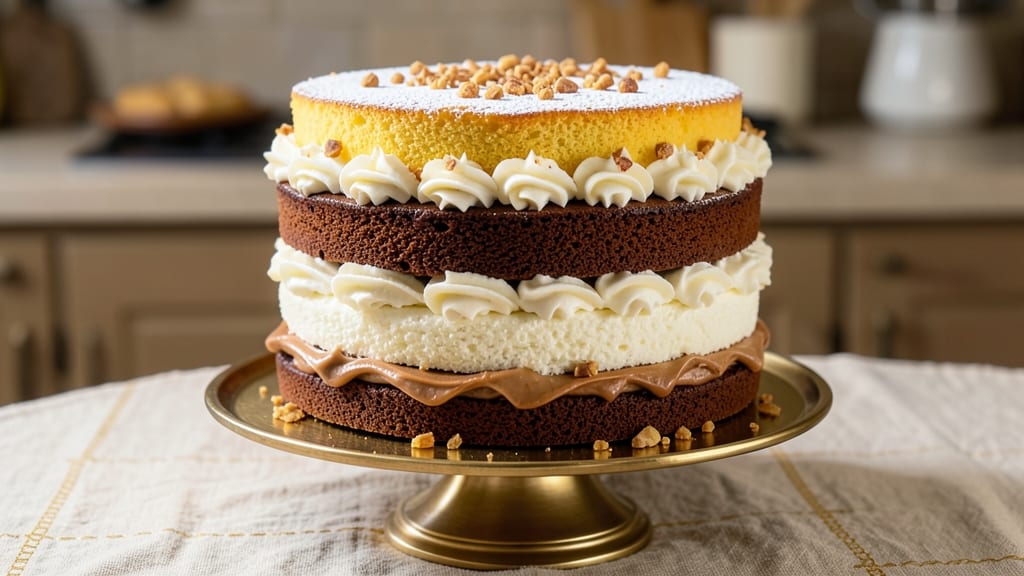
This Nigerian cake recipe delivers the perfect balance of rich spice and moisture that makes every slice unforgettable. 💫 The secret lies in blending traditional ingredients like ginger, nutmeg, and cloves with modern baking techniques to create a cake that’s both tender and flavorful.
I’ve perfected this recipe over years of baking, ensuring it rises just right with a velvety crumb and aromatic essence that transports you to Nigerian kitchens.
The foundation of this cake is a precise mix of butter, sugar, and eggs, whipped to create lightness before folding in flour and spices. What sets it apart is the addition of evaporated milk and a touch of vinegar, which guarantees that signature moisture that keeps it fresh for days.
The spices—ginger, nutmeg, and cinnamon—infuse every bite with warmth, while vanilla extract adds depth. This cake isn’t just dessert; it’s a celebration of texture and tradition.
By the time it emerges from the oven, you’ll have a golden, fragrant cake with a crackly top and a tender interior that melts in your mouth. The aroma alone will have everyone gathering around the table, and the first bite delivers that perfect harmony of spice and sweetness.
Whether you’re serving it at a family gathering or enjoying a quiet moment with tea, this cake is designed to impress.
For those who love variations, this recipe works beautifully as a classic Nigerian sponge cake or can be adapted into a rich red velvet version with cocoa powder. The techniques here—folding the batter gently and baking at the right temperature—ensure foolproof results every time. Let’s get baking!
Ingredients for nigerian cake
Butter, sugar, and spices come together for this fragrant, moist Nigerian cake masterpiece.
| Ingredient | Amount | Notes |
|---|---|---|
| Unsalted Butter 🧈 | 1 cup | Softened to room temperature |
| Granulated Sugar 🍚 | 2 cups | White or light brown |
| Large Eggs 🥚 | 4 whole | Room temperature preferred |
| All-Purpose Flour 🌾 | 2 ½ cups | Sifted for lightness |
| Evaporated Milk 🥛 | 1 cup | Full-fat for moisture |
| White Vinegar 🍶 | 1 tbsp | Distilled or apple cider |
| Ground Ginger 🌿 | 1 tbsp | Freshly ground preferred |
| Ground Nutmeg 🌿 | ½ tsp | Freshly grated better |
| Ground Cinnamon 🌿 | 1 tsp | Ceylon preferred |
| Ground Cloves 🌶️ | ½ tsp | Lightly toasted |
| Pure Vanilla Extract 🌸 | 1 tbsp | Bourbon or Madagascar |
| Baking Powder 🧂 | 1 tsp | Double-acting preferred |
| Salt 🧂 | ½ tsp | Fine sea salt |
The spices are non-negotiable here—Penzeys or bulk bins at Whole Foods are your best bets for quality. Freshly ground ginger and nutmeg make all the difference (trust me, the pre-ground stuff tastes like dust). For the butter, Land O'Lakes unsalted is reliable, but European-style like Plugrá adds extra richness. The evaporated milk? Don't grab the low-fat version—full-fat is key for that signature moisture. I always double-check the baking powder is fresh (it loses potency after 6 months).
No evaporated milk? Whole milk plus 1 tbsp cornstarch works in a pinch (let it sit 5 minutes first). Running low on vanilla? Vanilla bean paste gives you seeds too. The spices can be swapped—cardamom for cloves if you're feeling adventurous. For the flour, King Arthur all-purpose is my go-to, but any sifted flour will do. The vinegar adds tang without overpowering—apple cider vinegar works if you're avoiding white vinegar.
This batter keeps for 2 days in the fridge if you're prepping ahead. The cake itself? 3 days wrapped tightly at room temp or 1 week refrigerated. For freezing, slice first—2 months wrapped in plastic. Pro tip: Brush warm cake slices with extra vanilla syrup (equal parts sugar + water + vanilla) for a restaurant-worthy finish.
Why You'll Love This Recipe
- No Mixer Needed: I swear by this recipe—just cream butter and sugar by hand, crack in eggs, and fold in flour. The evaporated milk keeps it moist without extra fuss, and honestly? My arms don’t even get tired.
- Rich Without Fuss: That butter-to-sugar ratio? Pure magic. The cake’s got a tender crumb but stays dense enough to hold its shape, and the evaporated milk adds this subtle, creamy depth. It’s not sweet like American cakes—it’s got a grown-up, slightly caramelized warmth.
- Party or Pantry: I’ve served this at birthdays, church gatherings, and even packed slices for my kids’ school lunches. The flavor’s bold enough for celebrations but simple enough to eat straight from the fridge. (Yes, even on a Tuesday night.)
- Budget-Friendly Luxury: Five ingredients, zero specialty items. The evaporated milk stretches the butter and eggs, so you’re not drowning in costs, and leftovers? They actually improve overnight. Cut a slice the next day, and you’ll wonder why you didn’t make two batches.
Step-by-step instructions for Nigerian spiced cake
Here’s how to bake a rich, moist cake with that signature Nigerian spice blend.
👨🍳 Step 1: Cream Butter and Sugar for Maximum Moisture
In a large mixing bowl, beat the 1 cup softened unsalted butter and 2 cups granulated sugar together on medium speed until light and fluffy—about 4-5 minutes. You’ll see the mixture nearly double in volume and turn pale. This step is key for a tender crumb.
I like to scrape the bowl with a spatula every 30 seconds to ensure everything gets fully incorporated. The butter should be completely smooth with no graininess. If you’re using brown sugar, it’ll add subtle caramel notes that pair perfectly with the warm spices.
🍳 Step 2: Add Eggs and Vanilla for Richness
Add the 4 whole large eggs, one at a time, mixing well after each addition. Then stir in the 1 tablespoon pure vanilla extract. The mixture will thicken slightly, and you’ll notice a deeper aroma—this is where the cake’s signature flavor starts developing.
I always use room-temperature eggs to prevent curdling. If your eggs are cold, warm them in a bowl of warm water for 5 minutes first. The vanilla extract should be high-quality bourbon or Madagascar—it makes a noticeable difference in the final flavor.
👨🍳 Step 3: Combine Dry Ingredients for Perfect Texture
In a separate bowl, sift together the 2.5 cups all-purpose flour, 1 teaspoon baking powder, 0.5 teaspoon salt, 1 tablespoon ground ginger, 0.5 teaspoon ground nutmeg, 1 teaspoon ground cinnamon, and 0.5 teaspoon ground cloves. This spice blend is what gives this cake its signature warmth.
Lightly whisk the dry ingredients to break up any clumps. I find that sifting first ensures a smoother batter and prevents dense spots. The spices should be freshly ground if possible—they pack more flavor punch than pre-ground blends.
🥘 Step 4: Mix Wet and Dry Ingredients Gently
Gradually add the dry ingredients to the butter mixture, mixing on low speed just until combined. You want to avoid overmixing—stop as soon as you see no more flour streaks. Then stir in the 1 cup evaporated milk and 1 tablespoon white vinegar. The vinegar reacts with the milk to create a buttermilk-like texture, keeping the cake ultra-moist.
This is where the magic happens—the batter should be thick but pourable. If it seems too stiff, add 1-2 tablespoons of warm water to loosen it. The batter will be rich and fragrant with those warm spices, promising a cake that’s both tender and flavorful.
🔥 Step 5: Bake to Golden Perfection
Preheat your oven to 350°F and grease two 8-inch round cake pans or one 9x13-inch pan. Pour the batter evenly into the prepared pan(s) and smooth the top. Bake for 30-35 minutes (or 40-45 minutes for the larger pan) until a toothpick inserted in the center comes out clean.
I like to tent the pan with foil after 20 minutes to prevent over-browning if your oven runs hot. The cake should be golden on top with a slightly domed center. Let it cool in the pan for 10 minutes, then transfer to a wire rack to cool completely before frosting or serving.
Pro Tips For Making Nigerian Cake
- Cream Butter Properly: Beat the unsalted butter and sugar until it’s light, fluffy, and pale—not just crumbly. I used to rush this, but skipping the 3-5 minutes of vigorous mixing leaves dense pockets in the cake. Think "cloud-like," not "sand-like."
- Whisk Eggs First: Separate and whisk the eggs before adding them to the butter mixture. Room-temperature eggs blend smoother, and whisking them first prevents lumps—especially important when using evaporated milk later. (Yes, even if you’re impatient like me.)
- Don’t Overmix Flour: Fold in the flour gently with a spatula—just until combined. Overmixing develops gluten and turns your cake tough. Stop when there’s one dry spot left; the residual heat will finish the job.
- Test for Doneness Early: Nigerian cake often looks underdone at 325°F. Pull it when the edges spring back slightly (not fully) and a toothpick comes out with moist crumbs—not wet batter. Oven temps vary, so start checking at 40 minutes.
Common mistakes when making this dish
Overmixing the Batter
This is the #1 mistake I see—overmixing after adding the dry ingredients turns your cake dense and tough. The moment you see no more flour streaks, stop mixing immediately. I use a hand mixer on low speed for just 10-15 seconds after combining everything.
Overmixing develops gluten in the flour, which creates a chewy texture instead of the light, tender crumb you want. If your batter looks lumpy, that's actually better than overworking it smooth! 🍰
Skipping Room Temperature Ingredients
Cold butter, eggs, or milk can cause your cake to develop a dense, uneven texture. Always let your butter, eggs, and milk sit at room temperature for at least 30 minutes before baking. I place eggs in warm water for 5 minutes if they feel chilly.
The butter should be soft enough to leave a slight indentation when pressed with a finger. This ensures everything emulsifies properly for that signature moist crumb.
Incorrect Oven Temperature
Baking at 350°F is critical—any lower and your cake may not rise properly, while higher temperatures can cause over-browning. I recommend using an oven thermometer to verify your oven's actual temperature (many run 25°F hotter than set).
If your cake browns too quickly, tent it with foil after 20 minutes. The center should spring back when gently pressed, and a toothpick should come out clean (with a few moist crumbs).
Using Low-Quality Spices
Pre-ground spices lose potency quickly, especially cloves and nutmeg. I always use freshly ground spices from Penzeys or bulk bins at Whole Foods. The difference in flavor is dramatic—your cake will taste flat and bland with old spices.
Toast your whole spices lightly before grinding to enhance their aroma. For nutmeg, freshly grated from a microplane adds that extra depth that makes this cake truly special. 🌶️
Not Greasing Pans Properly
Greasing your cake pans isn't just about preventing sticking—it ensures even baking and easy release. I use a mix of butter and flour (or baking spray) for round pans and line the bottom with parchment paper for sheet pans.
For extra insurance, dust the bottom with 1 teaspoon flour after greasing. Unevenly greased pans can cause cakes to stick or bake unevenly, ruining that perfect domed top.
Overbaking or Underbaking
Every oven is different, so rely on visual cues: your cake should pull away slightly from the pan edges and have a golden-brown top. The center should spring back when pressed gently. Overbaking dries out the cake, while underbaking leaves it gummy.
I pull mine when the toothpick comes out with a few moist crumbs (not wet batter). Let it cool in the pan for 10 minutes before transferring—this helps set the structure for clean slices. ⏱️
Nutrition facts
Frequently asked questions about Nigerian cake
What makes this Nigerian cake different from regular sponge cake?
The signature difference lies in the spice blend—ginger, nutmeg, cinnamon, and cloves create a warm, aromatic profile that sets it apart. The use of evaporated milk and vinegar also ensures a moist, tender crumb that stays fresh longer. This cake balances sweetness with earthy spice notes that feel distinctly Nigerian.
Can I substitute evaporated milk in this recipe?
Yes! Mix 1 cup whole milk with 1 tablespoon cornstarch, let it sit for 5 minutes to thicken slightly, then use as a 1:1 replacement. The vinegar still needs to be added for that signature moisture. For extra richness, you could also use heavy cream instead.
How do I know when the cake is fully baked?
Insert a toothpick into the center—the cake is done when it comes out with a few moist crumbs (not wet batter). The edges should pull away slightly from the pan, and the top should be golden-brown. For extra accuracy, use an instant-read thermometer: the internal temperature should reach 205-210°F.
What's the best way to store leftover cake?
Wrap tightly in plastic wrap and store at room temperature for 3 days, or refrigerate for up to 1 week. For longer storage, slice and freeze—it keeps well for 2 months. To revive, warm slices in the oven at 300°F for 5 minutes or brush with simple syrup (equal parts sugar + water).
Can I make this cake gluten-free?
Yes, but with adjustments. Replace the all-purpose flour with a 1:1 gluten-free baking flour blend (like Bob's Red Mill) and add 1 teaspoon xanthan gum to improve texture. You may also need to reduce other liquids by 1-2 tablespoons since gluten-free flours absorb differently. Test with a small batch first.