Sauces & Condiments
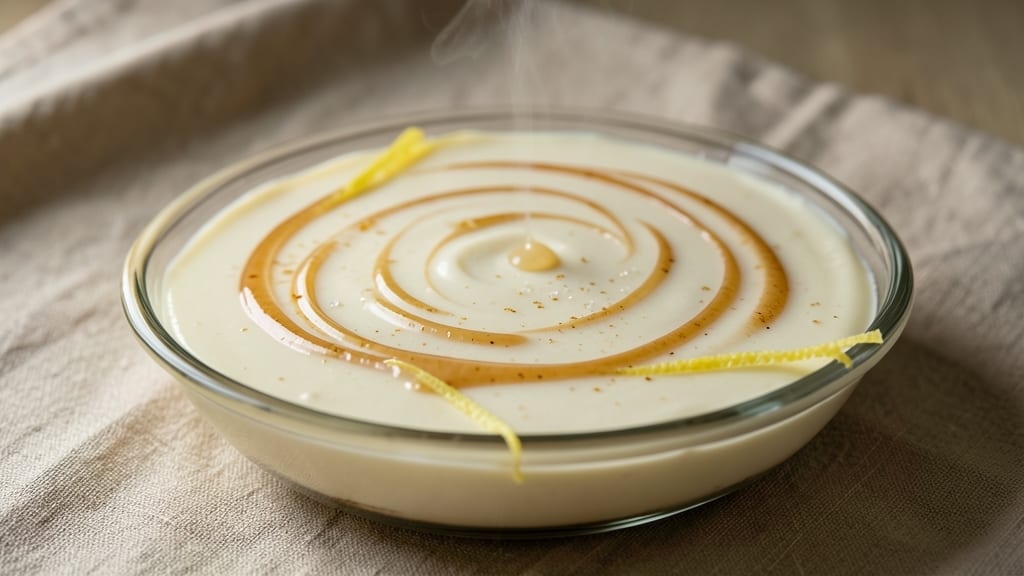
This Russian icing recipe transforms ordinary cakes into showstopping masterpieces with its velvety texture and rich flavor—perfect for traditional medovik or ptichye moloko layers. 💫 Unlike ordinary buttercream, this version uses a precise ratio of butter and powdered sugar for a smooth, pipeable consistency that holds its shape beautifully.
The secret lies in proper technique: whipping the butter to room temperature and gradually adding powdered sugar to avoid graininess.
Traditionally used in Russian baking, this icing requires just five core ingredients—unsalted butter, powdered sugar, vanilla extract, egg whites, and a pinch of salt—to create a stable, glossy finish. The egg whites add lightness, while the butter ensures a tender crumb when spread between cake layers.
For extra stability, I recommend chilling the icing for 30 minutes before piping, which prevents melting and keeps decorations sharp.
What sets Russian icing apart is its versatility—it can be flavored with citrus zest, almond extract, or even a splash of rum for depth. Whether you're filling a honey cake or decorating a tiered dessert, this icing delivers a professional finish with minimal effort.
The result? Layers that stay moist for days and a surface so smooth it rivals bakery-quality frosting.
For best results, use this icing on freshly baked cakes to prevent sogginess, and store leftovers in an airtight container for up to 5 days. Ready to elevate your baking? Let’s get started with this foolproof technique.
Ingredients for russian icing
Five core ingredients transform into professional Russian icing for flawless cake layers.
| Ingredient | Amount | Notes |
|---|---|---|
| Unsalted Butter 🧈 | 1 cup | Room temperature, European preferred |
| Powdered Sugar 🍚 | 4 cups | Sifted for smooth texture |
| Vanilla Extract 🌿 | 1 tbsp | Pure Madagascar preferred |
| Large Egg Whites 🥚 | 3 whole | Room temperature, pasteurized if concerned |
| Fine Sea Salt 🧂 | ¼ tsp | Kosher preferred for delicate balance |
| Lemon Zest 🍋 | 1 tsp | Optional for bright citrus notes |
| Almond Extract 🌰 | ½ tsp | Optional for nutty depth |
The butter is non-negotiable—European-style with at least 82% fat content delivers the signature velvety texture. Plugrá or President brands excel, but any high-quality unsalted butter works. Room temperature is critical: cold butter creates lumps, while overly soft butter can't hold air. For powdered sugar, Domino or C&H brands are reliable, but always sift to eliminate clumps. The egg whites must be fresh—older whites whip less volume, compromising stability. Store your butter in the fridge and let it sit at room temperature for 1-2 hours before using, covered loosely to prevent condensation.
No vanilla extract? Vanilla bean paste at half the amount adds flecks for visual appeal. Short on egg whites? Aquafaba (chickpea brine) at 1:1 ratio works for vegan adaptations, though texture differs slightly. The salt is subtle but essential—omit only if using salted butter. For flavor variations, orange zest or rum extract replace lemon/almond equally well. All extracts should be pure, not imitation—McCormick or Frontier Co-op brands are trusted choices. The optional lemon zest should be finely grated to avoid graininess in the final icing.
This icing maintains peak performance when stored properly: spread a thin layer of powdered sugar over the surface before sealing to prevent drying. Keeps for 5 days in an airtight container at room temperature or 3 months frozen in portions. For best results, chill the icing for 30 minutes before piping to achieve sharp decorations. Leftovers can be reheated gently in the microwave for 10-15 seconds to restore workability, though texture may soften slightly. Portion into small containers for convenience—2-ounce ramekins work perfectly** for single-use amounts.
Why You'll Love This Recipe
- No Stand Mixer Needed: I’ll be honest—this icing comes together faster by hand than most recipes I’ve tried with mixers. The butter and egg whites whip into something silky smooth with just a hand mixer or even a sturdy whisk, and no one will guess it wasn’t made by a pastry chef.
- Vanilla-Powdered Sugar Magic: That first bite of vanilla-infused powdered sugar? It’s like a warm hug for your taste buds. The butter keeps it rich without being greasy, and the egg whites give it that signature glossy sheen—no artificial dyes needed.
- Frosting for Every Occasion: Cake layers, donuts, or even a sheet cake? This icing plays well with everything. I’ve used it for birthdays, holiday treats, and even as a quick glaze for store-bought cookies when I’m in a pinch—it’s that versatile.
- Makes More Than You Think: Between us, this recipe stretches further than you’d expect. I’ve had leftovers last weeks in my fridge, and it still tastes fresh. Plus, the ingredients are cheap—you’re basically getting gourmet frosting for the price of a coffee.
Step-by-step instructions for Russian icing recipe
Master this classic buttercream with professional techniques for flawless cake decorating.
👨🍳 Step 1: Prepare the Egg White Mixture
In a medium bowl, whisk the 3 whole large egg whites until completely smooth and free of any lumps. This step is crucial because any remaining egg white streaks will create texture issues in your final icing. I like to use a hand mixer for this—it's faster and ensures uniformity.
Gradually add the 1 cup unsalted butter (softened to room temperature) while continuing to whisk on medium speed. The butter should incorporate smoothly, creating a light, airy base. If the mixture curdles at all, don't panic—just whisk vigorously for another 30 seconds to re-emulsify it. The goal is a pale, creamy consistency that's thick but still spreadable.
🍳 Step 2: Incorporate Powdered Sugar Gradually
Sift the 4 cups powdered sugar directly over the butter mixture to prevent clumping. Begin whisking on low speed and gradually increase to medium-high as you add the sugar. This gradual approach prevents sugar from flying everywhere while ensuring even distribution.
After all the sugar is incorporated, stop the mixer and scrape down the sides of the bowl with a rubber spatula. This ensures you're working with a uniform mixture. The icing should now be thick but still pipeable. If it's too stiff, we'll address that in the next step. If it's too loose, we'll adjust it then as well. This is where precision matters most.
⏰ Step 3: Add Flavorings and Balance Consistency
Incorporate the 1 tbsp vanilla extract, 0.5 tsp almond extract, 1 tsp lemon zest, and 0.25 tsp fine sea salt into the icing. Mix thoroughly until completely combined. The salt might seem like a small amount, but it's essential for balancing the sweetness and enhancing all the flavors. Taste a small spoonful—you should detect all the flavor components working together.
Now for the consistency check: If the icing is too thick, add powdered sugar 1 tablespoon at a time until it reaches a smooth, pipeable consistency. If it's too thin, add more butter 1 tablespoon at a time until it thickens. The perfect consistency should hold its shape when piped but still be smooth enough to spread. This might take 5-10 minutes of adjustments, so be patient—proper consistency makes all the difference in professional results.
🥘 Step 4: Achieve Smooth, Professional Finish
Transfer the icing to a piping bag fitted with a smooth tip (like a Wilton 1M or Ateco 803). Gently press the icing through the tip to eliminate any air bubbles and ensure a completely smooth texture. This step might take a few minutes but is worth the effort—those tiny air bubbles can ruin an otherwise perfect finish.
For an extra-smooth finish, I recommend pressing the icing through a fine-mesh sieve directly into the piping bag. This catches any remaining lumps and creates a silky texture perfect for cake decorating. The icing should now be ready to use immediately or can be stored in an airtight container in the refrigerator for up to 5 days, or frozen for up to 3 months. When ready to use again, simply re-whip to restore its smooth consistency.
Pro Tips For Making Russian Icing
- Whip Butter First: Softened butter (not cold, not melted) blends smoother into powdered sugar—no grainy lumps. I used to toss in cold butter and ended up with a paste that needed extra beating. Room temp butter (68°F/20°C) saves you 10 minutes of mixing later.
- Salt the Egg Whites: A pinch of fine sea salt (about 1/8 tsp) stabilizes the meringue before folding. I learned this after my first batch collapsed—it’s the difference between stiff peaks and sad, flat drips.
- Fold, Don’t Stir: Use a spatula to gently fold in egg whites in 3 additions, or you’ll deflate the airiness. Stirring once = dense, heavy icing. Think "cut and lift" like cake batter, not "mix until smooth."
- Chill the Bowl: Place your mixing bowl in the fridge for 5 minutes before whipping egg whites. Cold surfaces help volume—my first batch only reached soft peaks because the bowl was warm. (Yes, even if you’re impatient like me.)
Flavor customization for this dish
Citrus Twist
Brighten your Russian icing with 1 tbsp orange zest or ½ tsp orange extract instead of lemon. The citrus oils elevate the vanilla notes while adding a refreshing tang. For extra zing, fold in 1 tsp fresh lime juice—it cuts through the richness beautifully.
I find this variation works especially well for spring cakes or fruit-filled desserts. 🍊
Nutty Depth
Swap the almond extract for 1 tsp hazelnut extract or ½ cup finely ground toasted hazelnuts (blended into the icing). The nutty complexity pairs perfectly with the buttercream's sweetness.
For a showstopper, pipe rosettes with a Wilton 104 tip and sprinkle with crushed hazelnuts. This version feels especially luxurious for holiday desserts.
Spiced Warmth
Infuse your icing with ½ tsp cinnamon and ¼ tsp cardamom for a cozy, aromatic twist. The spices work beautifully with vanilla and create a perfect balance for spiced cakes like medovik.
For extra warmth, add 1 tsp rum extract or a splash of dark rum (about 1 tbsp). This variation feels especially festive during autumn and winter.
Chocolate Indulgence
Transform your icing into a chocolate lover's dream by adding ½ cup melted dark chocolate (60-70% cocoa) or ¼ cup cocoa powder. For a smoother texture, temper the chocolate first.
This rich version works perfectly for chocolate layer cakes or as a filling for ptichye moloko. I recommend using a Wilton 1A tip for elegant swirls on top.
Creamy Coffee
Add 1 tsp instant espresso powder or 2 tbsp strong brewed coffee to create a sophisticated coffee flavor. This works surprisingly well with vanilla and adds depth that pairs beautifully with chocolate cakes.
For extra richness, fold in 1 tbsp heavy cream. This variation is ideal for afternoon tea cakes or coffee-flavored desserts.
Fruity Fusion
Incorporate 2 tbsp apricot jam or 1 tbsp raspberry purée for a fruity twist. The fruit adds natural sweetness and vibrant color. For a berry medley, blend ¼ cup mixed berries** and strain through a fine-mesh sieve before adding. This fruity version shines on fruit tarts or berry-filled cakes. 🍓
Nutrition facts
Frequently asked questions
What makes Russian icing different from regular buttercream?
The key difference lies in the egg whites and precise butter-to-sugar ratio. Russian icing incorporates 3 egg whites for lightness and stability, while traditional buttercream relies solely on butter and powdered sugar. This creates a smoother, more pipeable consistency perfect for intricate decorations. The egg whites also help maintain moisture in layered cakes for 3-5 days without drying out.
Can I make this icing without egg whites?
Yes! For a vegan version, replace the egg whites with 3 tablespoons aquafaba (chickpea brine) per egg white. Whip the aquafaba to stiff peaks before mixing with butter and sugar. Texture will be slightly less stable, but it works well for spreading between layers. For piping, chill the icing for 1 hour before use to improve structure.
Why did my icing turn grainy?
Graininess usually happens when powdered sugar isn't sifted or butter isn't at room temperature. Always sift the sugar and ensure butter is soft but not melted (65-68°F). For a quick fix, press the icing through a fine-mesh sieve or blend briefly with a hand mixer. The egg whites also help prevent graininess by creating a smoother emulsion.
How do I decorate with Russian icing for a professional look?
Start with a smooth base by spreading a thin layer with an offset spatula. For borders, use a Wilton 1M tip with gentle pressure. For rosettes, try a 104 tip with a piping bag. Chill decorations for 10 minutes between layers to prevent melting. Work quickly in warm rooms—icing softens at 75°F+. A damp cloth helps clean tips between colors.
What's the best cake to use with Russian ing?
This icing excels on medovik (honey cake) or ptichye moloko (bird's milk cake) due to its moisture-retaining properties. For dense cakes like pound cake, it works beautifully as a filling. Avoid overly moist cakes (like sponge) unless chilled first—excess moisture causes the icing to slide. For best results, let cakes cool completely before assembling.