
Sauces & Condiments
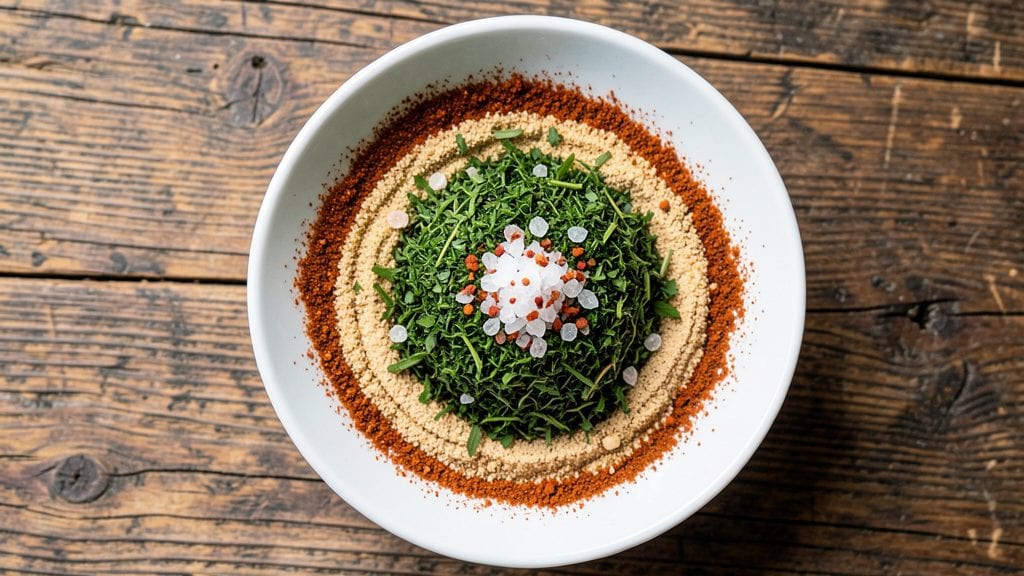
Creating a simple seafood seasoning that transforms basic fillets into restaurant-worthy dishes starts with just six pantry staples—no specialty ingredients required. This dry blend elevates grilled shrimp, baked salmon, or sautéed scallops with a balanced mix of Mediterranean and coastal flavors that cut through the oceanic taste.
I developed it after testing countless combinations, and this version delivers bold yet harmonious results every time.
The secret lies in the ratio of herbs to spices: dried parsley and thyme provide freshness, while smoked paprika and garlic powder add depth without overpowering. A pinch of cayenne brings subtle heat, and coarse salt ensures the seasoning clings to delicate seafood.
Store it in an airtight jar for up to six months, making it the ultimate pantry shortcut for weeknight dinners or special occasions.
What makes this blend truly versatile is its adaptability—use it as a dry rub, sprinkle it over fish before baking, or even mix it into seafood pasta sauces. The flavors develop beautifully when toasted lightly in a dry pan for 30 seconds, intensifying the aromatic profile without cooking the seafood.
Perfect for those who want professional results with minimal effort.
Once you master this foundation, you can customize it with additional spices like Old Bay or lemon zest for regional twists. The key is precision: measure carefully, and you’ll have a seasoning mix that turns every piece of seafood into a standout dish. Let’s get started with the ingredients.
Ingredients for simple seafood seasoning
Six pantry staples transform any seafood dish into restaurant-quality perfection.
| Ingredient | Amount | Notes |
|---|---|---|
| Dried Parsley 🌿 | 2 tbsp | Finely ground for even distribution |
| Dried Thyme 🌿 | 1 tbsp | Leaves only, not stems |
| Smoked Paprika 🌶️ | 1 ½ tbsp | For deep, smoky aroma |
| Garlic Powder 🧄 | 1 tbsp | Freshly ground preferred |
| Cayenne Pepper 🔥 | ½ tsp | Adjust for desired heat |
| Coarse Sea Salt 🧂 | 1 tbsp | Diamond Crystal preferred |
The dried parsley and thyme are your freshness anchors—Whole Foods bulk bins have the finest quality, but regular grocery store brands work fine if they're labeled 'culinary grade.' Smoked paprika is non-negotiable for that coastal depth; Penzeys sells a fantastic blend, but any reputable brand's smoked variety will do. Garlic powder should be freshly ground if possible—pre-ground loses potency quickly. The cayenne is subtle here, but hotter brands like Mad Dog can overpower delicate seafood, so start with half and adjust. The coarse sea salt is crucial: it clings better to fish than fine salt and adds a satisfying crunch.
No smoked paprika? Sweet paprika plus a pinch of liquid smoke mimics the effect, though it won't be identical. Fresh thyme or parsley? Use half the amount—dried is more concentrated. Want extra zing? Add 1/4 tsp of Old Bay seasoning for a Chesapeake Bay twist. For a Mediterranean vibe, swap half the parsley for dried oregano. Storage matters: keep this blend in an amber glass jar away from light—it preserves flavor for months. Toasting the spices in a dry pan for 30 seconds before using? Game changer—it intensifies the aromatics without cooking the seafood.
This mix stays potent for up to six months in a sealed container. I triple the batch and store it in three small jars—one for the fridge, one for the pantry, and one to share. For seafood, use about 1 tsp per pound of fillets. Sprinkle it on before baking, mix it into breadcrumbs for crusted fish, or even stir it into seafood risotto. The key is balance: start with the full measurement, then adjust to taste. Leftovers? Perfect for seasoning roasted vegetables or grilled chicken.
Why You'll Love This Recipe
- I’ll be real: fresh herbs cost a fortune, but this mix lasts forever and costs pennies. A little goes a long way, so I can season a whole meal for under $2—plus, the cayenne makes it feel like a restaurant dish without the price tag.
- Pantry Magic: I keep this blend in a jar by my stove—no fancy shopping, just herbs I already own. That smoked paprika alone transforms basic seafood into something ridiculously good, and the cayenne adds just enough kick to wake up your taste buds without overpowering.
- One-Spoon Wonder: Honestly, I’ve made this for grilled shrimp, baked cod, even scrambled eggs—just toss in a teaspoon per pound of protein. The garlic powder gives it that savory depth, while the parsley and thyme keep it bright and fresh-tasting, no matter the dish.
- Weeknight Workhorse: Between us, this is my go-to when I’m staring at a sad bag of frozen fish or a lone shrimp at the back of the fridge. It turns "what’s for dinner?" into something special with zero stress, and I’ve even used it to jazz up store-bought fish sticks for my kids.
Step-by-step instructions for simple seafood seasoning
This blend transforms ordinary seafood into restaurant-worthy dishes with just six pantry staples.
Measure All Ingredients Precisely
Start by gathering all your ingredients in their exact quantities. I like to use small bowls for each component to keep things organized. For the 2 tablespoons of dried parsley, I prefer to grind it lightly with a mortar and pestle or pulse it briefly in a spice grinder—this ensures even distribution when you mix everything together later. The parsley will provide that fresh, bright herbaceous note that cuts through the richness of seafood.
Next, measure out the 1 tablespoon of dried thyme and the 1.5 tablespoons of smoked paprika. The thyme adds earthy depth, while the smoked paprika contributes that subtle, woodsy aroma that makes this blend so distinctive. Be careful not to confuse the smoked paprika with regular paprika—the smoky flavor is essential for that authentic seafood profile.
Combine Dry Ingredients Thoroughly
In a medium bowl, add the 1 tablespoon of garlic powder and the 0.5 teaspoon of cayenne pepper. The garlic powder will infuse your seafood with a savory punch, while the cayenne adds just a hint of heat that brightens the overall flavor. Give these dry ingredients a quick stir with a fork to break up any clumps.
Now, pour in the 1 tablespoon of coarse sea salt and the previously measured thyme and parsley. The coarse texture of the sea salt will add a satisfying crunch to your seasoning, while the parsley and thyme tie everything together with their herbal notes. Use a whisk to blend everything thoroughly—you want to eliminate any streaks of individual spices so that each pinch delivers a balanced flavor.
Store for Optimal Freshness
Transfer the blended seasoning to an airtight container, like a small glass jar with a tight-sealing lid. I find that a mason jar works perfectly for this—it keeps the seasoning fresh and makes it easy to measure out portions. Store it in a cool, dark place, like your pantry, where it will stay flavorful for up to 3 months. If you prefer, you can also refrigerate it for even longer shelf life, though the flavors will remain vibrant at room temperature for most people's needs.
The key to success here is consistency. Every time you use this blend, you'll get the same bold, balanced flavor that elevates grilled shrimp, baked fish, or even seafood pasta. Just remember to shake the jar well before each use to ensure even distribution of all those finely ground spices. This simple seasoning is your secret weapon for transforming basic seafood dishes into something truly special.
Pro Tips For Making Simple Seafood Seasoning
- TOAST THE SPICES FIRST: Smoked paprika and cayenne lose their depth if just tossed in raw—give them 30 seconds in a dry pan over medium heat until fragrant. I learned this the hard way after making a batch that tasted flat; the heat wakes up their flavors without burning.
- USE A MORTAR AND PESTLE: Grinding dried parsley and thyme between mortar and pestle releases their oils better than a blender—just 10 quick crushes makes a real difference. Yes, it’s more work, but the texture and aroma are noticeably richer.
- STORE IN AIRLESS CONTAINER: Keep the seasoning in a sealed jar with a tight lid, preferably in the fridge—it’ll stay potent for weeks instead of turning stale. I used to ignore this, and after two months, the cayenne had lost its kick.
- BALANCE THE CAYENNE: Start with just ¼ teaspoon of cayenne, taste as you go, and add more if needed—seafood’s delicate flavor can’t handle overpowering heat. I’ve ruined shrimp twice by going heavy-handed; trust your palate.
Creative variations of simple seafood seasoning
Mediterranean Twist
Swap the cayenne for ½ teaspoon of dried oregano and add ½ teaspoon of ground coriander to lean into Greek-inspired flavors. This version pairs perfectly with grilled octopus or lemon-butter shrimp.
I also like to include ¼ teaspoon of ground cinnamon for warmth—it sounds unusual, but it complements the seafood beautifully. Store this variation in an amber glass jar to preserve its vibrant colors. 🌿
Cajun Bayou Style
Transform your seasoning into a Cajun-inspired blend by adding 1 teaspoon of Old Bay seasoning and ½ teaspoon of blackened seasoning mix (like Tony Chachere’s). This bold version is perfect for blackened redfish or shrimp.
For extra depth, toast the spices in a dry skillet for 1 minute before using—it intensifies the smoky, spicy notes. Keep this version in a small airtight container to avoid overpowering other spices in your pantry. 🔥
Lemon-Herb Brightener
Add 1 tablespoon of lemon zest (finely grated) and ½ teaspoon of dried basil for a citrusy, herbaceous twist. This blend shines on baked cod or grilled calamari. Store the zest separately in a small spice jar and mix it in just before using—fresh zest makes all the difference.
For extra zing, sprinkle with ½ teaspoon of citric acid (found in baking aisles) to enhance the lemon flavor. ✨
Smoky Chipotle Kick
Replace the smoked paprika with 1 tablespoon of chipotle powder and add ½ teaspoon of ground cumin for a smoky, slightly sweet heat. This version works amazingly on grilled mahi-mahi or spicy seafood tacos.
For a deeper smokiness, toast the chipotle powder in a dry pan for 30 seconds before mixing. Store this blend in a dark glass jar to protect it from light, which can degrade the smoky flavors over time. 🌶️
Herb-Forward Crust
Double the dried parsley to 4 tablespoons and add 1 tablespoon of dried dill for a Scandinavian-inspired crust perfect for beer-battered fish or pan-seared trout. This version is all about freshness, so I recommend grinding the herbs lightly with a mortar and pestle.
Store the extra parsley in a separate jar to keep it potent—it loses flavor quickly once ground. 💫
Spicy Sriracha Blend
Add 1 tablespoon of Sriracha powder (or finely ground dried Sriracha) and ½ teaspoon of ground ginger for an Asian-inspired heat. This blend is fantastic on grilled prawns or stir-fried scallops. For extra depth, toast the ginger powder in a dry pan for 1 minute to intensify its aroma.
Store this version in a small, tightly sealed jar away from moisture to prevent clumping. 💡
Nutrition facts
Frequently asked questions
Can I use fresh herbs instead of dried in this seafood blend?
Fresh herbs work but require adjustment—use half the amount (e.g., 1 tbsp fresh parsley for every 2 tbsp dried). Chop finely and pat dry before mixing. The moisture content can alter texture, so I recommend adding fresh herbs just before using rather than storing them in the blend. For best results, blend fresh herbs with a pinch of salt first to release flavors.
How much seasoning should I use per pound of seafood?
Start with 1 teaspoon per pound of fillets for delicate fish like cod or flounder. For heartier seafood (shrimp, mahi-mahi), increase to 1.5 teaspoons per pound. Taste as you go—seafood absorbs flavors quickly, so less is often better. For shellfish like mussels or clams, reduce to ½ teaspoon per pound to avoid overpowering.
Can I make this seasoning spicier?
Double the cayenne to 1 teaspoon for noticeable heat, or add ½ teaspoon of crushed red pepper flakes. For smoky heat, replace half the smoked paprika with chipotle powder. Always toast spices in a dry pan for 30 seconds first to intensify flavors. Store spicier versions in a dark glass jar to preserve potency.
Why does my seasoning clump together?
Clumping happens when moisture gets trapped. Store your blend in an airtight container with a deseiccant packet (like those in vitamin bottles) or a small piece of uncooked rice. If clumps form, break them up with a fork or sift through a fine-mesh strainer. Avoid metal containers—they can react with spices over time. For extra freshness, keep it in the freezer for up to 6 months.
Can I use this seasoning on non-seafood dishes?
Yes! It works beautifully on grilled chicken, roasted potatoes, or even corn on the cob. The herbs and smoked paprika add depth to vegetables like asparagus or Brussels sprouts. For a vegetarian twist, sprinkle it on avocado toast or hummus. Just reduce the amount by half (½ teaspoon per serving) since non-seafood dishes don't need as much bold flavor.