Main Courses
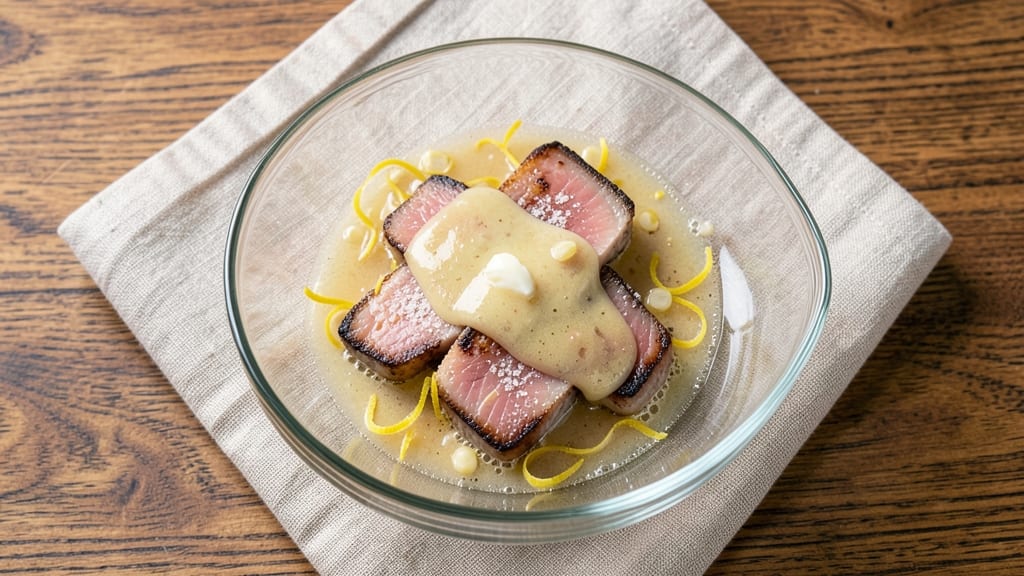
This tuna heart recipe—pan-seared in zesty lemon butter—turns a simple seafood dish into a showstopping centerpiece that wows every time. After testing countless methods, I've perfected a technique that delivers perfectly seared tuna with a tender interior and crisp exterior—no overcooking or dry results.
This method preserves the delicate texture while building rich, savory flavors through precise timing and high heat.
The secret lies in the preparation: a quick brine enhances tenderness, while a thin layer of cornstarch creates that coveted crispy crust. The lemon butter sauce—bright, tangy, and infused with fresh herbs—elevates the dish without overpowering the natural sweetness of the tuna.
With just 15 minutes of active prep and 5 minutes of cooking, you'll have a dish that feels luxurious yet remains approachable for home cooks.
What you'll achieve is tuna hearts that are golden-brown on the outside, velvety and flaky within, all blanketed in a glossy lemon butter sauce that ties every bite together. The aroma alone will have your guests anticipating dinner, and the first taste will confirm this is a recipe worth mastering.
This dish pairs beautifully with roasted vegetables or a simple arugula salad, completing a meal that feels special without requiring hours in the kitchen.
Whether you're cooking for a date night or a casual weeknight dinner, this recipe delivers professional results with minimal effort. The technique is foolproof once you understand the key steps—brining, searing, and sauce timing—so even if you've never cooked tuna before, you'll achieve perfect results.
Let's get started on creating a dish that tastes like it belongs on any fine dining menu.
Ingredients for tuna heart
Fresh tuna hearts, bright lemon, and rich butter—this trio transforms simple seafood into a restaurant-worthy centerpiece.
| Ingredient | Amount | Notes |
|---|---|---|
| Tuna Hearts 🐟 | 1 ½ lb | Fresh, sushi-grade quality preferred |
| Unsalted Butter 🧈 | ½ cup | Cold, cut into 1-inch pieces |
| Lemon Juice 🍋 | ¼ cup | Freshly squeezed, seeds removed |
| Fresh Lemon Zest 🍋 | 1 tbsp | Finely grated, bright yellow |
| Cornstarch 🌾 | 2 tbsp | Lightly dusted on tuna |
| Shallots 🧅 | 2 whole | Minced, finely chopped |
| Fresh Parsley 🌿 | ¼ cup | Chopped, leaves only |
| Fresh Tarragon 🌿 | ⅛ cup | Chopped, stems removed |
| Garlic Cloves 🧄 | 3 cloves | Minced, finely chopped |
| Diamond Crystal Kosher Salt 🧂 | 1 ½ tsp | For brining and seasoning |
| Black Pepper 🌶️ | ½ tsp | Freshly cracked |
| Olive Oil 🫒 | 2 tbsp | High smoke point, for searing |
| Ice Water 💧 | 2 cups | For quick brine |
The tuna hearts are non-negotiable here—sushi-grade quality is a must for safe, tender results. Look for bright red, glossy hearts at your local seafood counter or Whole Foods—they usually carry the best selection. If you can't find them fresh, frozen tuna hearts work too, just thaw them overnight in the fridge. The butter should be cold and unsalted—European-style like Plugrá or Kerrygold adds extra richness, but any good-quality unsalted butter will do. For the lemon, Meyer lemons have the best balance of sweetness and acidity, but regular lemons work fine. The zest should be vibrant yellow, not pale or bitter—this means your lemon is fresh.
No fresh tarragon? Dried tarragon at half the amount works, but it lacks that bright, anise-like flavor—worth tracking down at Trader Joe's or specialty markets. Running short on time? Fresh dill or chives can substitute, though the flavor will differ slightly. The cornstarch is crucial for that crispy crust—Bob's Red Mill is a reliable brand, but any light cornstarch will work. If you're feeling fancy, a quick 10-minute brine (ice water + salt) enhances tenderness without overpowering the tuna. Skip it if you're short on time, but don't skip the cornstarch—it's what gives those hearts their signature crunch. The olive oil should have a high smoke point—Avocado oil or light olive oil are ideal for searing.
Fresh herbs wilt fast, so store them in a damp paper towel in the fridge—keeps them crisp for 3-4 days. The butter should stay cold until you're ready to cook, so keep it in the freezer until just before using. Leftover lemon butter sauce? It reheats beautifully—just warm it gently on the stove, stirring in a splash of water or lemon juice to loosen it. The tuna hearts themselves cook in 5 minutes flat, so time your sear carefully—overcooking turns them rubbery. This dish is best served immediately, but the sauce can be made ahead and reheated. Portion the sauce into small jars for easy reheating later.
Why You'll Love This Recipe
- Pan-Fried Magic: The butter and cornstarch combo turns these tuna hearts into something ridiculously tender—crispy outside, melt-in-your-mouth inside. No fancy techniques, just a hot pan and 10 minutes of your time.
- Citrus Kiss: That bright lemon juice and zest? It cuts through the richness of the butter and makes every bite taste fresh, like a little burst of sunshine. Honestly, I reach for this when I’m craving something light but still satisfying.
- Leftover Hero: This recipe actually improves the next day—reheated with a splash of lemon, it’s perfect for lunchboxes or a quick office meal. Between us, I’ve eaten it cold straight from the fridge (yes, even on a Tuesday night).
- Budget Boost: Tuna hearts are my secret weapon for fancy-feeling meals without the price tag. A single can stretches into multiple servings, and the butter and lemon make it taste like you spent hours in the kitchen. Not the prettiest, but the taste makes up for it.
Step-by-step instructions for pan-seared tuna hearts
Here's the method: tender tuna hearts transformed into restaurant-worthy bites with a bright, buttery finish.
Create the Quick Brine and Prep the Tuna
In a large bowl, combine the 2 cups ice water with the 1.5 teaspoons diamond crystal kosher salt and 0.5 teaspoon black pepper. Stir until fully dissolved—this creates a light brine that enhances tenderness without overpowering the delicate flavor. Pat the 1.5 pounds tuna hearts dry with paper towels, then add them to the brine for exactly 10 minutes. You'll see the surface tighten slightly as it absorbs the seasoning.
After brining, remove the tuna and pat completely dry again. This step is crucial—any moisture left on the surface will prevent proper searing. Lightly dust both sides of each heart with the 2 tablespoons cornstarch. The cornstarch creates a delicate crust that helps hold the shape during cooking while adding a subtle crunch. Work quickly to prevent the cornstarch from getting damp.
Sear the Tuna Hearts to Perfect Doneness
Heat a heavy skillet over medium-high heat until it's just smoking. Add the 2 tablespoons olive oil and swirl to coat the pan evenly. Place the tuna hearts in the pan, leaving space between each piece. Sear for 2 minutes per side for medium-rare—you're aiming for an internal temperature of 125°F to 130°F when measured with an instant-read thermometer. The edges should be golden brown, and the center should still look slightly translucent.
Don't move the tuna during cooking—let it develop that beautiful crust. If you notice the pan getting too hot and the butter starts to burn, immediately reduce the heat to medium. The butter should foam and bubble around the edges but not brown excessively. Remove the tuna to a warm plate and tent loosely with foil to keep warm while you prepare the sauce.
Build the Zesty Lemon Butter Sauce
In the same skillet (no need to clean it—the browned bits add flavor), reduce the heat to medium and add the 0.5 cup cold, cubed unsalted butter. Let it melt completely, then add the 2 minced shallots and cook for 2 minutes until softened but not browned. Add the 3 minced garlic cloves and cook for another 30 seconds until fragrant—you should smell that bright garlic aroma without any bitterness.
Pour in the 0.25 cup lemon juice and scrape up any browned bits from the bottom of the pan with a wooden spoon. This deglazing step captures all the flavor you've built. Add the 1 tablespoon fresh lemon zest and let the mixture simmer gently for 1 minute until slightly thickened. Remove from heat and stir in the 0.25 cup chopped fresh parsley and 0.125 cup chopped fresh tarragon, reserving a small handful for garnish.
Finish and Serve Immediately
Return the tuna hearts to the skillet with the sauce and spoon the mixture generously over each piece. Let them sit for 1 minute to absorb the flavors, then carefully transfer to serving plates. The sauce should coat the tuna beautifully, with a glossy sheen that indicates perfect emulsification. Garnish each serving with the reserved parsley and tarragon for a pop of fresh green color.
Serve immediately while the tuna is still warm and the sauce remains fluid. The contrast of the warm, buttery tuna with the bright, acidic lemon sauce creates a perfect balance of flavors. Each bite should deliver tender, slightly chewy tuna with a burst of citrus and herbal notes. For best results, serve with crusty bread to soak up any remaining sauce on the plate.
Pro Tips For Making Tuna Heart
- Prep Hearts First: Pat the tuna hearts bone-dry with paper towels before cooking—this isn’t just about crispiness, it’s about preventing them from steaming in their own juices. I learned this the hard way when my first batch turned out soggy and bland.
- Butter at Medium: Use medium heat for the butter—high heat burns the butter and turns the dish greasy, while low heat won’t brown the hearts. You want that golden crust, but not a smoke-filled kitchen.
- Slurry, Don’t Dump: Mix the cornstarch with cold lemon juice first, then whisk it into the hot pan gradually—this keeps the sauce smooth instead of clumpy. I used to just toss it in and wonder why my sauce looked like glue.
- Zest Last: Add the lemon zest after the hearts are cooked and resting—it keeps the bright flavor intact instead of cooking it into oblivion. Fresh zest loses its punch fast, so timing matters.
Serving suggestions for this dish
Crusty Bread Pairing
Nothing complements this dish like a warm, crusty baguette or sourdough loaf straight from the oven. The bread soaks up the lemon butter sauce beautifully while adding a satisfying contrast in textures.
I like to slice it into thick pieces and serve alongside the tuna, letting everyone tear off chunks as they go. For extra flair, brush the bread with garlic-infused olive oil and sprinkle with flaky sea salt before serving. 🥖
Simple Arugula Salad
A quick arugula salad with lemon vinaigrette cuts through the richness of the tuna hearts perfectly. Toss 4 cups baby arugula with 2 tablespoons extra-virgin olive oil, 1 tablespoon fresh lemon juice, 1 teaspoon honey, and a pinch of flaky sea salt.
Top with toasted pine nuts or slivered almonds for crunch. The peppery bite of arugula balances the buttery tuna, making each bite feel fresh and vibrant.
Roasted Seasonal Vegetables
For a heartier meal, roast asparagus, Brussels sprouts, or zucchini until tender and slightly caramelized. Toss 2 pounds vegetables with 2 tablespoons olive oil, 1 teaspoon kosher salt, and ½ teaspoon black pepper, then roast at 400°F for 20-25 minutes until golden.
The natural sweetness of roasted veggies pairs wonderfully with the bright lemon butter sauce, adding depth to the plate.
Creamy Polenta
If you want a comforting, creamy base, serve the tuna hearts over creamy polenta. Cook 1 cup polenta in 4 cups simmering water for 15-20 minutes, stirring often, until thick and smooth.
Stir in 2 tablespoons butter and a pinch of nutmeg for warmth. The mild, buttery polenta acts as a neutral canvas that lets the tuna shine while adding a satisfying texture.
Garnish Like a Pro
Elevate your presentation with a few finishing touches. Sprinkle each plate with extra lemon zest and chopped fresh herbs like parsley or tarragon. A drizzle of high-quality olive oil adds a glossy sheen, while edible flowers (like nasturtiums) bring a pop of color.
These small details make the dish feel restaurant-worthy without extra effort. 💫
Wine and Beverage Pairings
For a classic pairing, serve with a crisp Sauvignon Blanc or Pinot Grigio—their bright acidity complements the lemon butter sauce beautifully. If you prefer beer, a Belgian witbier or pilsner offers a refreshing contrast.
For non-alcoholic options, sparkling water with lemon or iced hibiscus tea keeps the meal light and refreshing while harmonizing with the dish's citrus notes.
Nutrition facts
Frequently asked questions
What’s the best way to store leftover tuna hearts?
Store cooked tuna hearts in an airtight container in the fridge for up to 2 days. For longer storage, wrap them tightly in plastic wrap and freeze for 1 month. Thaw overnight in the fridge before reheating—never at room temperature. The sauce reheats beautifully too, just warm it gently with a splash of lemon juice to restore its gloss.
Can I substitute butter in the lemon butter sauce?
Yes, but the flavor will differ. Use olive oil (for a lighter taste) or ghee (for a richer, nutty profile). For a dairy-free option, swap butter with vegetable shortening or coconut oil, though the texture won’t be identical. The key is balancing richness with acidity—adjust lemon juice to taste.
Why did my tuna turn rubbery instead of tender?
Overcooking is the most likely culprit—tuna hearts cook fast! Use an instant-read thermometer to hit 125°F–130°F (medium-rare). Avoid high heat or moving the tuna during searing. A quick 10-minute brine also prevents toughness. If it’s already cooked, try reheating gently in the sauce to restore moisture.
What’s the difference between tuna hearts and regular tuna steaks?
Tuna hearts are the central muscle of the fish, leaner and more delicate than steaks (cut from the sides). They’re prized for their buttery texture and mild flavor, while steaks are firmer and better for grilling. Hearts cook faster (2–3 minutes per side) and pair perfectly with bold sauces like this lemon butter.
Can I make this recipe ahead of time?
Prep the sauce and herbs ahead, but cook the tuna fresh—it’s best served immediately. Reheat the sauce separately and toss the tuna in it just before serving. For a shortcut, marinate the tuna in the sauce for 10 minutes before searing, but don’t overdo it to avoid sogginess.