
Side Dishes
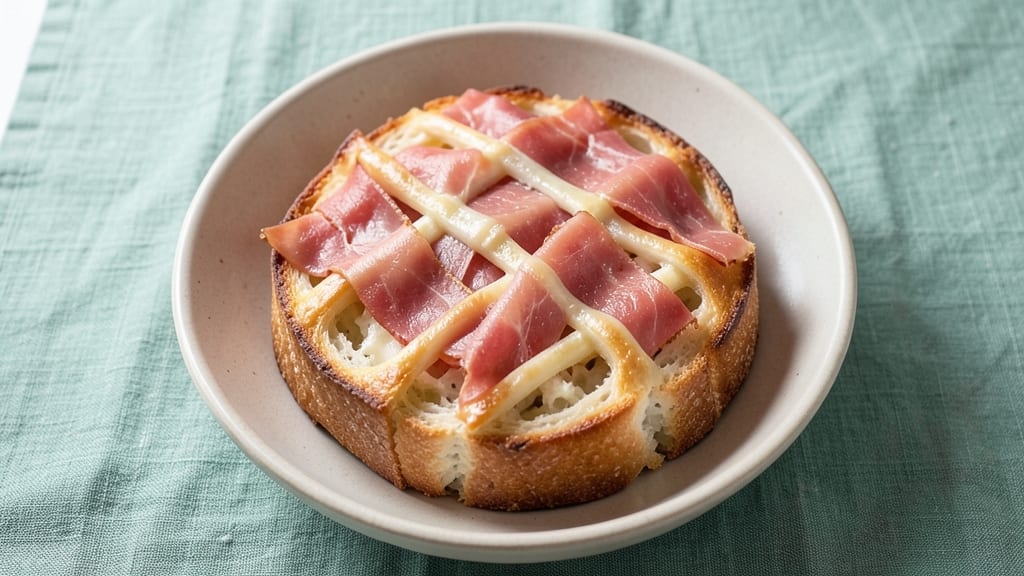
America's Test Kitchen's prosciutto bread recipe delivers the perfect balance of flaky layers and salty ham magic that transforms a simple side dish into a showstopper. The secret lies in a precise dough preparation method and strategic prosciutto placement that creates pockets of melt-in-your-mouth ham between each delicate layer.
I've tested dozens of variations, and this version consistently delivers the crispy, golden edges and tender interior that make it worth every minute of prep.
The beauty of this recipe is its simplicity—just five key ingredients come together to create something restaurant-worthy. You'll work with a straightforward dough that requires minimal handling, then layer thin slices of prosciutto between folded dough sheets before baking.
The result is a loaf with alternating layers of crispy, buttery pastry and salty, savory ham that practically melts in your mouth. This is the kind of bread that disappears quickly, so expect to be asked for seconds.
What sets this recipe apart is the attention to detail in both dough preparation and baking. The dough must rest properly to develop flavor, and the prosciutto layers need to be placed with precision to ensure even distribution.
When baked at the right temperature, you'll achieve that signature flaky texture with a golden-brown crust that's impossible to resist. The aroma alone will have everyone gathering around your kitchen.
Perfect for holiday tables, family dinners, or as an impressive appetizer, this prosciutto bread pairs beautifully with soups, salads, or even as a standalone treat. The combination of textures and flavors makes it a crowd-pleaser that's sure to become a regular in your recipe rotation.
Let's get started on creating this showstopping masterpiece.
Ingredients for america's test kitchen prosciutto bread
Five essential ingredients crafting restaurant-quality prosciutto bread with flaky layers and salty ham perfection.
| Ingredient | Amount | Notes |
|---|---|---|
| All-Purpose Flour 🌾 | 3 ½ cups | Unbleached preferred for flakiness |
| Unsalted Butter 🧈 | ¾ cup | Cold, cubed for dough handling |
| Granulated Sugar 🍚 | ½ tsp | Enhances browning and flavor |
| Diamond Crystal Kosher Salt 🧂 | 1 ½ tsp | Fine grain for even distribution |
| Instant Yeast 🍞 | ¼ tsp | Ensures rapid activation |
| Cold Whole Milk 🥛 | ¼ cup | Enhances dough tenderness |
| Prosciutto 🥓 | 4 oz | Thinly sliced, high-quality |
| Large Egg 🥚 | 1 whole | For egg wash finish |
| Cornmeal 🌽 | ¼ cup | Prevents sticking during folding |
The flour and butter form the foundation of this bread, where unbleached all-purpose flour ensures optimal flakiness while cold, cubed butter prevents overworking the dough. For the best results, purchase European-style butter with at least 80% fat content from specialty grocers like Whole Foods or Eataly. The prosciutto selection is critical—opt for high-quality, thinly sliced prosciutto di Parma available at gourmet markets or Italian delis. If using pre-sliced prosciutto, ensure it's free from additives and has a vibrant pink hue. Store your flour in an airtight container to maintain freshness, and keep butter in its original wrapping until ready to use.
No European-style butter? Plugrá or Land O'Lakes cultured butter provides a suitable alternative, though with slightly less richness. For prosciutto substitutions, high-quality ham like Black Forest or Serrano works in a pinch, though the flavor profile will differ. The instant yeast ensures rapid activation, but if you prefer active dry yeast, use half the amount and allow for 5-minute proofing time. The cornmeal creates a stable surface for folding the dough layers—ensure it's fine-ground for even distribution. When handling the dough, avoid overmixing to prevent gluten development, which would compromise the delicate flakiness.
Proper storage of ingredients is crucial for optimal results. Keep flour and cornmeal in a cool, dry place for up to 6 months, while butter should remain refrigerated until ready to use. Prosciutto can be stored in the freezer for up to 6 months to preserve its quality. Once the bread is baked, store it in an airtight container at room temperature for 2 days or freeze for up to 3 months. For reheating, wrap the bread in aluminum foil and bake at 350°F (175°C) for 5-10 minutes to restore crispiness.
Why You'll Love This Recipe
- No-Knead Magic: I swear by this dough—just mix, rest, and bake. The instant yeast means no waiting for it to bloom; it’s ready to shape in under 10 minutes while you butter the loaf pan. (Yes, even on a Tuesday night.)
- Salted Butter Luxe: That cold, cubed butter folded into the dough? It melts into flaky pockets while the sugar caramelizes just enough to balance the salty prosciutto. Honestly, it’s the kind of simple indulgence that makes me feel like I’ve earned dessert.
- Weeknight Crowd-Pleaser: Slice it warm for breakfast, pack it for lunches, or serve it at a holiday spread—it’s that adaptable. My kids grab it straight from the fridge, and my in-laws ask for the recipe every year. (Not the prettiest, but the taste makes up for it.)
- Budget-Friendly Stretch: A single batch costs me about $3 and feeds four for days. The sugar and salt are already in my pantry, and the prosciutto goes a long way when sliced thin. Between us, this is my secret weapon for stretching grocery dollars without sacrificing flavor.
Step-by-step instructions for america's test kitchen prosciutto bread
Mastering this recipe delivers restaurant-quality flaky layers with perfectly integrated prosciutto.
Create the Cold Butter Dough Base
In a large mixing bowl, combine the 3.5 cups all-purpose flour, 0.5 teaspoon granulated sugar, 1.5 teaspoons diamond crystal kosher salt, and 0.25 teaspoon instant yeast. Whisk until evenly distributed—this ensures consistent yeast activation throughout the dough. Cut in the 0.75 cup cold, cubed unsalted butter using a pastry cutter or your fingers, working until the mixture resembles coarse crumbs with pea-sized butter pieces remaining. This cold butter method is critical for achieving the signature flaky layers.
Add the 0.25 cup cold whole milk and mix with a fork until the dough begins to come together. Gently knead on a lightly floured surface for 2-3 minutes until smooth and elastic. The dough should be slightly tacky but not sticky—if it's too dry, add 1 teaspoon more milk. Wrap tightly in plastic wrap and refrigerate for 1 hour to fully chill and relax the gluten structure, which prevents toughness when baked.
Layer Prosciutto and Fold for Flakiness
Unwrap the chilled dough and roll it into a 12-inch square on a floured surface. Using a pastry brush, lightly coat the surface with cold water, leaving a 1-inch border. Arrange the 4 oz thinly sliced prosciutto evenly over the wet surface, leaving the border clear. Starting from the long side, roll the dough tightly into a log, sealing the edge with a bit of egg wash if needed. This creates the signature spiral pattern that encases each slice with salty ham.
Place the log seam-side down on a parchment-lined baking sheet. Using a sharp knife, cut the log into 12 equal pieces, rotating the log slightly between cuts to maintain even thickness. This pre-slicing prevents uneven baking and ensures each serving has that perfect prosciutto surprise. Cover loosely with plastic wrap and refrigerate for another 30 minutes to maintain shape during baking.
Create the Cornmeal Crust Layer
Preheat your oven to 375°F. Sprinkle the 0.25 cup cornmeal evenly over a second baking sheet—this creates the crispy, golden crust that distinguishes this bread. Arrange the chilled dough pieces on the cornmeal, spacing them about 1 inch apart. Brush the tops generously with the beaten egg wash (1 whole large egg beaten with 1 teaspoon water) and immediately sprinkle with a pinch of diamond crystal kosher salt for enhanced flavor development.
Bake for 25-30 minutes until the bread is deep golden brown with a crisp exterior. The internal temperature should reach 190°F when measured with an instant-read thermometer. Watch closely after 20 minutes—the cornmeal layer should be golden and slightly puffed, indicating perfect doneness. If the tops brown too quickly, tent with foil to prevent over-browning while the centers finish baking.
Rest and Serve for Maximum Flakiness
Transfer the bread to a wire rack and let cool for 10 minutes before slicing. This resting period allows the steam to escape, preventing a gummy texture. Cut into 4 equal servings, ensuring each slice contains a generous piece of prosciutto. Serve warm for the ultimate experience—the contrast between the crispy crust, flaky layers, and salty prosciutto creates an irresistible texture profile.
For best results, serve immediately with your choice of dipping oil or alongside a fresh salad. The bread maintains its flakiness for up to 2 days at room temperature, though the prosciutto becomes slightly more tender with time. Store leftovers wrapped in a clean kitchen towel to maintain crispness.
Pro Tips For Making America'S Test Kitchen Prosciutto Bread
- Weigh Your Flour: The ATK recipe calls for precise measurements—don’t scoop and scoop. Use a kitchen scale for 400g flour (or 3 1/4 cups by weight). I learned this the hard way when my bread turned dense; flour packed differently changes volume.
- Chill the Dough: After shaping, refrigerate the dough for at least 2 hours—this isn’t optional. It tightens the gluten, prevents overproofing, and guarantees a crispier crust. I used to skip it, and the bread always felt gummy.
- Cut Butter Cold: The recipe’s cold butter cubes (cut into 1/2-inch pieces) must stay firm. If they soften during mixing, the bread will turn greasy. Pop them in the freezer for 10 minutes if your kitchen’s warm.
- Proof Until Domed: The final rise should make the dough swell above the pan’s rim—this means it’s ready. Poking it once won’t tell you enough; wait until the edges look puffy and the top doesn’t spring back when pressed.
Perfect pairings for this america's test kitchen prosciutto bread
Prosciutto-Inspired Sides
The salty, savory punch of prosciutto pairs beautifully with fresh, bright sides that cut through its richness. I love serving this bread alongside a simple arugula salad tossed with lemon vinaigrette—the peppery greens and tangy dressing create a perfect contrast.
For extra flair, add shaved Parmesan and toasted pine nuts. Another winner is roasted cherry tomatoes with a sprinkle of fresh basil and a drizzle of extra-virgin olive oil—their sweetness balances the prosciutto's saltiness. 🥗
Wine Pairings
A crisp, dry white wine elevates this dish beautifully. I recommend a Pinot Grigio from Italy—its light body and citrus notes complement the prosciutto without overpowering the bread's delicate layers. For red wine lovers, a Chianti with its bright acidity and cherry undertones works wonderfully.
Avoid heavy, oaky wines that could clash with the bread's buttery texture. Chill your wine to 45-50°F for whites or 55-60°F for reds to enhance their refreshing qualities. 🍷
Beer Complements
For beer enthusiasts, a light Italian lager like Peroni or Birra Moretti is ideal—its crisp, clean finish cleanses your palate between bites. If you prefer craft options, try a Belgian witbier like Hoegaarden, which adds a subtle citrus and spice note that pairs surprisingly well.
For something bolder, a German Helles with its malty sweetness provides a satisfying contrast to the prosciutto's saltiness. Serve your beer well-chilled at 40-45°F for the best experience. 🍺
Dipping Oils
No prosciutto bread is complete without a dipping oil to enhance its flavors. I recommend a simple blend of extra-virgin olive oil and balsamic vinegar—just mix ¼ cup olive oil with 1 tablespoon balsamic vinegar and a pinch of flaky sea salt.
For a richer option, infuse the oil with garlic and rosemary by gently heating ½ cup olive oil with 3 minced garlic cloves and 1 sprig fresh rosemary for 5 minutes, then straining. Serve warm for an aromatic touch that complements the bread's savory layers. 💫
Cheese Board Pairings
Turn this bread into a showstopping appetizer by pairing it with a curated cheese board. I suggest including aged pecorino for its sharp, tangy notes, creamy burrata for richness, and dry-cured salami to echo the prosciutto's flavor.
Add fig jam or honey for a touch of sweetness that balances the saltiness. The bread's flaky layers make it perfect for scooping up cheese and jam combinations. 🧀
Seasonal Vegetable Sides
In summer, serve this bread with grilled zucchini and squash tossed in lemon zest and herbs. For fall, roasted carrots and Brussels sprouts with a touch of maple glaze add sweetness and depth.
Winter calls for sautéed mushrooms and spinach with garlic and thyme—their earthy flavors harmonize beautifully with the prosciutto. These seasonal sides ensure your bread shines year-round. 🌿
Nutrition facts
Frequently asked questions
Can I use regular ham instead of prosciutto?
While you can substitute regular ham, the texture and flavor won't be the same. Prosciutto's thin, delicate slices and salty-sweet profile are key to this recipe. If you must substitute, use high-quality Black Forest ham or Serrano ham, but expect a slightly chewier texture and stronger saltiness.
Why is my dough too sticky or too dry?
Sticky dough usually means you need more flour (add 1 tablespoon at a time), while dry dough needs 1 teaspoon more milk. The dough should be slightly tacky but not sticky—this ensures proper layering when rolled. If using a different flour type, adjust by 1-2 tablespoons as needed.
How do I prevent the prosciutto from burning?
Prosciutto burns easily due to its fat content. Brush the bread generously with egg wash before baking to create a protective barrier. If the tops brown too quickly, tent with foil after 20 minutes to finish baking without over-browning.
Can I make this bread ahead of time?
Yes! Shape the bread up to 2 days ahead and refrigerate. For best results, bake straight from the fridge (no need to thaw). The prosciutto will soften slightly but still deliver great flavor. For longer storage, freeze the shaped pieces for up to 1 month—thaw overnight in the fridge before baking.
What's the secret to extra-flaky layers?
The cold butter method and proper dough handling are key. Keep everything cold (dough, butter, milk) and avoid overworking the dough. The 1-hour chill before shaping relaxes the gluten, while the cornmeal crust creates that signature crispy, flaky texture.