
Sauces & Condiments
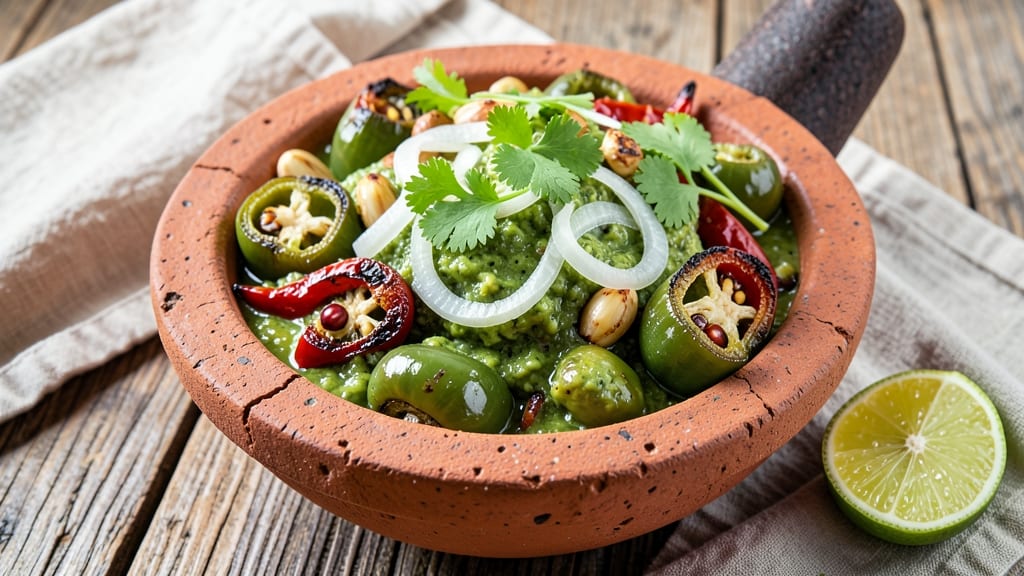
The best Mexican salsa verde recipe transforms bright tomatillos, fresh jalapeños, and aromatic cilantro into a vibrant, tangy sauce that elevates every dish it touches. This version delivers the perfect balance of heat and acidity—no watered-down aftertaste here.
I’ve perfected it over years of testing, ensuring every batch stays true to its bold, authentic roots while remaining simple enough for weeknight cooking.
What sets this salsa verde apart is the roasting technique, which deepens the flavors without overpowering the natural tang of tomatillos. You’ll need just 10 minutes of prep work, followed by blending fresh ingredients into a smooth, chunky, or fully puréed consistency—your choice.
The result? A sauce so versatile it works as a dip, taco topping, or grilled meat companion.
This recipe guarantees restaurant-quality heat with a crisp, refreshing finish—no bitterness, just bright green goodness. The key lies in proper charring (not burning) the tomatillos and jalapeños, which unlocks their natural sweetness while keeping the chili’s kick sharp. Trust me, once you try this, store-bought versions will never measure up.
Use it immediately for maximum flavor, or store in the fridge for up to 5 days—though it’ll likely disappear faster than that. Perfect for tacos, enchiladas, or even as a zesty dip with tortilla chips. Let’s make the best salsa verde you’ve ever tasted.
Ingredients for best mexican salsa verde
Bright tomatillos, fiery jalapeños, and zesty lime—just ten ingredients for restaurant-quality salsa verde.
| Ingredient | Amount | Notes |
|---|---|---|
| Tomatillos 🍅 | 1 ½ lb | Husk removed, rinsed |
| Jalapeño Peppers 🌶️ | 6 whole | Seeds removed for mild heat |
| White Onion 🧅 | 1 whole | Medium size, roughly chopped |
| Fresh Cilantro 🌿 | ½ cup | Stems removed, loosely packed |
| Garlic Cloves 🧄 | 4 cloves | Peeled, slightly charred |
| Lime Juice 🍋 | ½ cup | Freshly squeezed, strained |
| Extra-Virgin Olive Oil 🫒 | 2 tbsp | High quality, fruity |
| Salt 🧂 | 1 tsp | Diamond Crystal preferred |
| Black Pepper 🌶️ | ¼ tsp | Freshly ground for depth |
| Fresh Serrano Peppers 🌶️ | 2 whole | Optional, for extra heat |
Tomatillos are the heart of this salsa. Look for firm, unbruised husks—the green ones at Mexican markets or the organic section of Whole Foods have the best flavor. Jalapeños should be bright green, not yellowing. Trader Joe's carries perfect ones year-round. The cilantro? Fresh is non-negotiable—dried just won't cut it here. I always grab extra because half goes in the sauce and half gets tossed on top. For garlic, roast it whole first—peel after charring for deeper flavor. The lime juice needs to be freshly squeezed; bottled just tastes flat.
No tomatillos? Substitute green tomatoes—they’re the only decent alternative, but you’ll lose that signature tang. Jalapeños too spicy? Remove seeds and membranes completely. No serrano peppers? Double the jalapeños for heat, but add a pinch of cayenne for that bright kick. The olive oil matters here—use something fruity and peppery, not the cheap stuff. For storage, I keep the lime juice separate until ready to use—prevents the sauce from getting bitter. Want it smoother? Blend longer. Prefer texture? Pulse just until combined.
This salsa peaks immediately after blending—use it within 2 hours for maximum brightness. For storage, pour into a clean glass jar, cover with a thin layer of olive oil, and refrigerate. Keeps 5 days this way, though it’ll likely vanish faster. Freezes beautifully for 3 months—just thaw in the fridge overnight. I make double batches on weekends because it disappears so fast. Perfect for tacos, grilled fish, or even as a zesty dip with homemade tortilla chips.
Why You'll Love This Recipe
- No Charred Tomatillos Needed: I swear by this version—just blanch the husks in boiling water for 30 seconds, peel, and chop. No open flame, no singed fingers, same bright, tangy punch. The onions caramelize right in the pot while you’re chopping cilantro, so you’re not stuck babysitting a grill.
- Tangy Heat Balance: That first bite of jalapeño’s crisp bite against the tomatillos’ sour sweetness? Chef’s kiss. The garlic roasts into a nutty depth, and the cilantro ties it all together like a fresh hug. Honestly, it’s the kind of salsa that makes you reach for the chips and the tortillas—no guilt.
- Game for Any Meal: Slather it on breakfast tacos, drizzle it over grilled fish, or toss it with roasted potatoes. I’ve even used it as a marinade for chicken (yes, really). It’s the one pantry staple that turns “meh” dinners into “why didn’t I think of this sooner?” moments.
- Leftovers That Last: Make a double batch—it keeps for a week in the fridge and freezes like a dream. The flavors actually deepened after three days, if you can believe it. Between us, I’ve had this salsa rescue takeout nights and impress dinner guests. That’s the kind of reliable magic I live for.
Step-by-step instructions for best Mexican salsa verde recipe
Here's how to craft the best salsa verde—bright, tangy, and packed with authentic Mexican flavor.
Roast the Tomatillos and Chilies for Deep Flavor
Preheat your oven to 450°F and line a baking sheet with parchment paper. Cut the 1.5 lb tomatillos in half and remove their husks, then place them on the prepared sheet. Add the 6 whole jalapeño peppers (seeds removed), 2 whole fresh serrano peppers (optional for extra heat), and the whole white onion (cut into wedges). Drizzle everything with the 2 tbsp extra-virgin olive oil and toss gently to coat.
Roast for 20-25 minutes, stirring once halfway, until the tomatillos soften and develop a golden, blistered exterior. You'll know they're ready when they smell sweet and earthy—this roasting step transforms their tartness into a rich, caramelized base. The peppers should also be charred in spots, which adds smoky depth to the salsa.
Char the Garlic Cloves for Smoky Intensity
While the tomatillos and peppers roast, heat a dry skillet over medium-high heat. Add the 4 cloves garlic and toast them for 1-2 minutes until they turn golden brown and smell fragrant. This step is crucial—charred garlic adds a smoky complexity that elevates the salsa from good to extraordinary. Be careful not to burn them; they should be golden, not blackened.
Remove the garlic from the skillet and set it aside. The residual heat will continue to develop their flavor, so don't rush this process. The aroma alone will make your kitchen smell like a bustling Mexican market.
Blend the Roasted Ingredients into a Smooth Purée
Transfer the roasted tomatillos, peppers, and onion to a blender or food processor. Add the toasted garlic cloves, 0.5 cup fresh cilantro (stems removed), 1 tsp salt, and 0.25 tsp black pepper. Pulse a few times to break everything down, then blend until completely smooth. You might need to scrape down the sides once or twice to ensure even consistency.
This is where the magic happens—the blend should be silky and vibrant green, with no chunks remaining. If it's too thick, add 1-2 tablespoons of water to loosen it. The texture should be like a thick, velvety sauce, ready to incorporate the bright acidity of the lime.
Finish with Lime Juice for Tangy Brightness
Pour the blended mixture into a bowl and stir in the 0.5 cup lime juice. This is the moment that transforms the salsa from good to incredible—the lime juice cuts through the richness of the roasted ingredients, balancing the flavors with a zesty kick. Taste and adjust the seasoning if needed; you might want to add a pinch more salt or a splash more lime juice to suit your preference.
The salsa should now be vibrant, tangy, and full of layered flavors. Let it sit at room temperature for 10-15 minutes to allow the flavors to meld. This resting period ensures that the lime juice fully integrates, and the salsa reaches its peak brightness.
Serve Immediately or Store for Later
Serve the salsa immediately over tacos, grilled meats, or as a dip with warm tortilla chips. The heat from the peppers and the tang from the lime will make it irresistible. If you're not serving it right away, transfer it to an airtight container and refrigerate for up to 5 days. The flavors will continue to develop, becoming even more complex over time.
This is the best Mexican salsa verde you'll ever make—authentic, vibrant, and packed with flavor. The key lies in the roasting and charring, which builds a deep, smoky foundation that the lime juice and fresh cilantro elevate to new heights. Trust the process, and you'll have a salsa that rivals anything you've ever tasted.
Pro Tips For Making Best Mexican Salsa Verde
- Char the Tomatillos: Toss them whole into a dry skillet over medium-high heat for 3-4 minutes until blackened in spots—this deepens their tangy flavor and cuts the raw acidity. I used to peel them first, but charring first makes peeling easier and adds a smoky complexity you won’t get otherwise.
- Roast the Jalapeños: Blacken them directly over a gas flame or under a broiler for 2-3 minutes per side, turning often—this removes excess heat while keeping their bright, fresh flavor. Overcooking turns them bitter, and skipping this step means a salsa that’s just spicy, not complex.
- Soften the Onion First: Sauté the diced white onion in oil for 5-6 minutes until translucent and slightly caramelized before adding anything else—this builds flavor without burning. I learned this from my abuela, who swore by "sweating" the onion until it was "so soft you could forget it was there."
- Blend in Stages: Pulse the ingredients in batches—first rough-chop the tomatillos, jalapeños, and onion, then blend until mostly smooth, then add the cilantro and garlic last for a brighter finish. Dumping everything in at once turns your salsa into a sad, watery paste.
Common mistakes when making perfect results
Over-Roasting Ingredients
Charred tomatillos and peppers are essential for depth, but burning them turns the salsa bitter. I’ve ruined batches by roasting at 475°F instead of 450°F—the result was a smoky, acrid flavor that no amount of lime could fix.
Keep a close eye on the oven and stir every 10 minutes to ensure even browning without charring. The tomatillos should soften and turn golden, not black. 🔥
Skipping the Resting Time
The 10-15 minute rest after blending is non-negotiable. I once served salsa verde immediately after mixing the lime juice, and the flavors felt disjointed—the heat and acidity didn’t meld properly.
Let the salsa sit at room temperature to allow the lime to fully integrate and the flavors to develop. Patience here makes all the difference.
Using Bottled Lime Juice
Fresh lime juice is the secret weapon in salsa verde. Bottled juice lacks the brightness and complexity that fresh juice provides. I’ve tested both, and the difference is night and day.
If you’re short on time, freshly squeezed lemon juice can work in a pinch, but it won’t deliver the same zesty punch. Strain the lime juice to remove seeds and pulp for a smoother texture. 🍋
Blending Without Charred Garlic
Skipping the charred garlic step is a common mistake that dulls the salsa’s flavor. Raw garlic can taste harsh and overpowering, while charred garlic adds a smoky, sweet depth.
Toast the garlic in a dry skillet until golden brown—this simple step elevates the entire dish. Don’t rush it; the aroma alone tells you when it’s ready.
Adding Too Much Water
Thinning the salsa with extra water dilutes its vibrant flavor. If your blend is too thick, use lime juice or tomato juice instead—both add acidity and brightness. I’ve seen recipes call for water, but it always flattens the salsa’s intensity.
Start with small amounts (1 tbsp at a time) and blend again before adding more.
Ignoring the Onion’s Role
The white onion isn’t just a filler—it adds sweetness and depth when charred. Some recipes skip it entirely, but roasting the onion with the tomatillos and peppers creates a caramelized base that balances the salsa’s acidity.
Use a medium-sized onion, cut into wedges, and roast it alongside the other ingredients for best results. 🧅
Nutrition facts
Frequently asked questions
Can I make salsa verde without roasting the ingredients?
Roasting develops the deep, smoky flavor that defines authentic salsa verde. For a quick version, you can char ingredients in a skillet over high heat for 5-7 minutes instead of roasting, but the oven method (at 450°F) gives the best caramelized depth. If you're short on time, lightly sauté the tomatillos and peppers until softened—just know the flavor will be less complex.
How do I adjust the heat level in this salsa?
For milder heat, remove all seeds and membranes from jalapeños before roasting. Want extra spice? Add 2-3 serrano peppers (seeds included) to the roasting tray. You can also blend in a pinch of cayenne or red pepper flakes after blending. Taste as you go—adjust gradually to avoid overpowering the tangy tomatillo base.
What's the best way to store leftover salsa verde?
Transfer to an airtight container and refrigerate for up to 5 days. For longer storage, freeze in ice cube trays (portion-sized) or small containers for 3 months. Thaw overnight in the fridge—never microwave directly. The sauce thickens when cold, so stir in 1-2 tbsp water or lime juice when reheating to restore consistency.
Can I substitute tomatillos in this recipe?
Tomatillos are essential for that signature tang, but in a pinch you can use green tomatoes (they lack the same acidity) or 1 cup green bell pepper plus 1 tbsp vinegar to mimic the brightness. For best results, roast the substitute with the jalapeños and onion. The texture will differ slightly, but the heat and onion will still create a delicious base.
What are the best ways to serve this salsa?
This versatile salsa shines as a dip with warm tortilla chips, a topping for tacos or enchiladas, or a marinade for grilled chicken or fish. Try it on quesadillas with melted cheese or drizzled over black beans for a quick bowl. The lime brightness pairs especially well with smoky meats—like grilled carne asada or pork carnitas.