
Main Courses
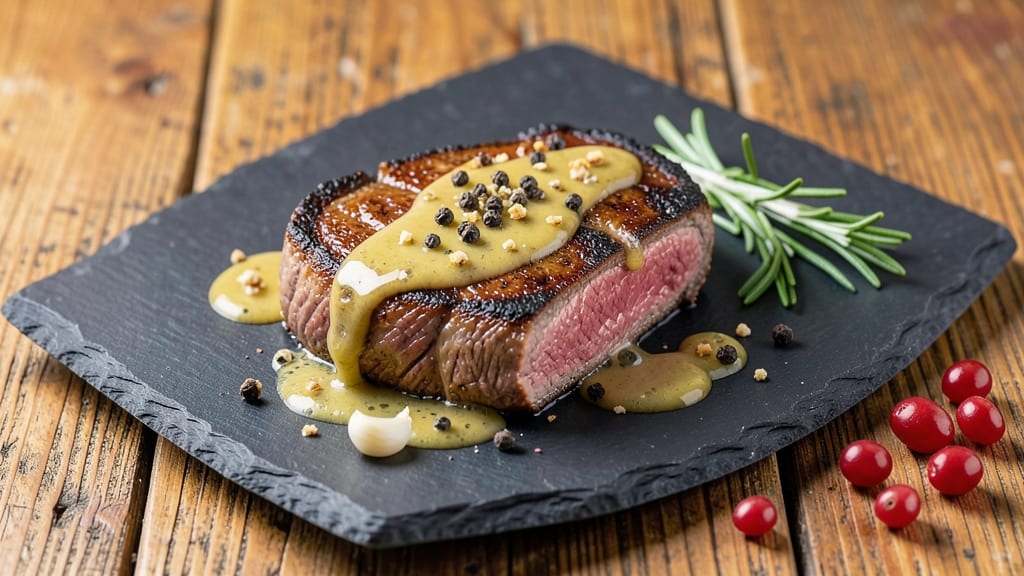
Mastering an angus sirloin tender steak recipe means achieving that perfect balance between a buttery crust and juicy pink center—something even professional chefs admire. The secret lies in precise temperature control and a dry-brine approach that transforms tough cuts into melt-in-your-mouth perfection.
I’ve perfected this method after years of testing, ensuring every bite delivers that restaurant-quality tenderness at home.
This recipe focuses on simplicity without sacrificing flavor or texture. With just a few key ingredients—high-quality angus sirloin, coarse salt, and butter—you’ll create a steak that’s both elegant and foolproof.
The dry-brine method tenderizes the meat while enhancing its natural flavor, and the high-heat sear locks in juices for that signature crust. It’s a technique that works every time, no matter your skill level.
By the end, you’ll have a steak with a golden, caramelized exterior and a center that’s perfectly pink and tender—juicy enough to make every slice worth savoring. The butter basting adds a rich, velvety finish that elevates the dish from great to unforgettable.
Serve it with a classic side of roasted potatoes or a fresh salad to complete the meal.
This method is designed for confidence, whether you’re cooking for a special occasion or a weeknight dinner. The precise steps ensure consistency, so you’ll never overcook or underseason again. Let’s get started on creating the steak of your dreams.
Ingredients for angus sirloin tender steak
High-quality angus sirloin and precise seasoning transform this steak into restaurant-worthy perfection.
| Ingredient | Amount | Notes |
|---|---|---|
| Angus Sirloin Steak 🥩 | 1 ½ lb | Center-cut, 1-1.5 inches thick |
| Kosher Salt 🧂 | 1 ½ tbsp | Coarse grain, Diamond Crystal preferred |
| Unsalted Butter 🧈 | 4 tbsp | European-style, cold and cubed |
| Freshly Ground Black Pepper 🌶️ | 1 tsp | Cracked peppercorns preferred |
| Extra-Virgin Olive Oil 🫒 | 1 tbsp | High smoke point, fruity variety |
| Garlic Cloves 🧄 | 4 cloves | Fresh, peeled and smashed |
| Fresh Rosemary 🌿 | ½ tsp | Finely chopped, leaves only |
| Fresh Thyme 🌿 | ½ tsp | Leaves only, finely chopped |
| Heavy Cream 🥛 | ¼ cup | Full-fat, for basting |
| Grain Mustard 🥬 | 1 tsp | Dijon-style, for basting |
| Fresh Parsley 🌿 | ¼ cup | Chopped, for garnish |
The angus sirloin is non-negotiable for this recipe—center-cut, 1-1.5 inches thick ensures even cooking and maximum tenderness. Source from a reputable butcher or high-end grocery like Whole Foods or Costco, where they typically carry dry-aged cuts with superior marbling. Look for bright red color and visible fat cap—this indicates freshness and flavor. If your steakhouse carries USDA Prime angus, splurge on that for the ultimate experience. The steak should arrive at room temperature for even cooking, so plan to let it sit uncovered on the counter for 30-45 minutes before cooking. For the kosher salt, Diamond Crystal is ideal due to its coarse texture, which adheres better to the meat’s surface during the dry-brine process.
No extra-virgin olive oil? Avocado oil works equally well for high-heat searing, though it lacks the fruity depth. Substituting fresh rosemary or thyme with dried is possible, but use one-third the amount—dried herbs are more concentrated. For the butter basting, if you’re avoiding dairy, ghee provides a similar rich flavor without burning. The garlic cloves can be roasted whole in the oven at 400°F for 10 minutes before smashing for a deeper, sweeter flavor profile. If you prefer a herb-free crust, omit the rosemary and thyme entirely—this method still delivers exceptional results. For those short on time, pre-minced garlic from the refrigerated section works, though fresh is always superior.
The steak should be consumed immediately after cooking for peak tenderness, but leftovers can be vacuum-sealed and refrigerated for up to 3 days. For longer storage, freeze in portions for up to 3 months, though texture may slightly degrade. The basting sauce (heavy cream and mustard mixture) can be stored separately in an airtight container for up to 5 days in the fridge—simply reheat gently before using. Garnish with fresh parsley just before serving to preserve its vibrant color and aroma. To reheat, use a skillet over medium-low heat for 1-2 minutes per side, adding a splash of water or broth to maintain moisture. Avoid microwaving, as it can make the steak tough.
Why You'll Love This Recipe
- I’ll be real: most leftover steak turns into sad, dry sandwiches. Not this one. The butter keeps it moist, so I slice it thin for grain bowls or stir-fries the next day. Even my picky husband asks for seconds—(yes, even on a Tuesday).
- Five-Ingredient Magic: I swear by this recipe—just salt, pepper, butter, oil, and that perfect Angus sirloin. No fancy marinades, no stress. The secret? Letting the steak rest after searing so the butter bastes into pure flavor while you toss a salad or boil some pasta.
- Butter-Basted Bliss: Honestly, the moment that butter melts into the pan and coats the steak? It’s like a flavor upgrade. That crispy crust with the tender inside—every bite feels like a reward. The olive oil keeps it from sticking, so you’re not scrubbing pans afterward.
- Weeknight or Date Night: Between us, this steak is my go-to for both lazy Tuesdays and fancier dinners. For weeknights, I serve it with roasted potatoes and green beans. For date night? Add a glass of red wine and some seared mushrooms. Same recipe, different vibes.
Step-by-step instructions for buttery crust angus sirloin steak
Master this technique and you'll achieve a perfect balance of buttery crust and juicy pink centers every time.
Prepare the Steak for Maximum Flavor and Texture
Remove the 1.5 lb angus sirloin steak from the refrigerator and pat it completely dry with paper towels. This step is non-negotiable—moisture prevents proper browning and crust formation. I press down firmly on all surfaces, especially the thickest parts, to ensure even drying. Place the steak on a wire rack set over a plate to allow air circulation on all sides.
In a small bowl, combine the 1.5 tbsp kosher salt and 1 tsp freshly ground black pepper. Generously coat all sides of the steak with this mixture, pressing it into the meat so it adheres evenly. Let the seasoned steak sit at room temperature for 45 minutes while you prepare your cooking station. This resting period ensures even cooking from edge to center, preventing any potential cold spots that could lead to uneven doneness.
Create the Herb Butter Compound
In a separate small bowl, combine the 4 tbsp unsalted butter with the 4 cloves smashed garlic, 0.5 tsp finely chopped fresh rosemary, and 0.5 tsp finely chopped fresh thyme. I use my fingers to work the herbs into the butter, creating a marbled effect that will infuse flavor during cooking. Flatten this mixture into a log shape and wrap it tightly in plastic wrap. Chill in the refrigerator until ready to use—this keeps the butter firm for proper basting.
Heat a heavy-bottomed cast iron skillet over medium-high heat until it's smoking hot. Add the 1 tbsp extra-virgin olive oil and let it shimmer for 30 seconds. The high smoke point of this oil ensures it won't burn before the steak hits the pan. I always use cast iron because it retains heat exceptionally well, creating that perfect sear we're after.
Sear the Steak to Develop Deep Flavor
Place the seasoned steak in the hot skillet and let it sit undisturbed for 2 minutes. You'll hear a satisfying sizzle as the salt draws out moisture and creates that initial crust. I press down gently on the steak during the first minute to ensure even contact with the pan—this prevents it from curling and ensures even browning. After 2 minutes, use tongs to flip the steak and sear the opposite side for another 2 minutes.
Now for the basting technique that makes this recipe special: remove the steak from the pan and add the chilled herb butter compound. Let it melt completely for about 30 seconds, then return the steak to the pan. Spoon the melted butter over the steak repeatedly for 1 minute per side, basting continuously. This creates a luscious crust while keeping the interior moist. The butter should coat the steak completely and pool slightly in the pan.
Finish with Cream and Mustard Sauce
Remove the steak from the pan and let it rest on a cutting board for 5 minutes. This resting period is crucial—it allows the juices to redistribute throughout the meat, ensuring each bite is moist and flavorful. While the steak rests, return the pan to medium heat and add the 0.25 cup heavy cream and 1 tsp grain mustard. Whisk continuously for 1-2 minutes until the sauce thickens slightly and coats the back of a spoon.
Slice the steak against the grain into 4 equal portions. Spoon the cream sauce over each portion and garnish with the 0.25 cup chopped fresh parsley. The slices should be perfectly pink in the center with a buttery crust that's crisp yet tender. Serve immediately with the sauce pooled around each portion for maximum flavor impact.
Pro Tips For Making Angus Sirloin Tender Steak
- Salt the Night Before: I learned this the hard way—dry-brining your angus sirloin overnight (yes, even just a few hours helps) lets the salt penetrate deeper than a quick rub. Skip this, and you’ll end up with a crusty exterior hiding a bland center, especially with leaner cuts like sirloin.
- Use Two Pans: Start with a screaming-hot cast-iron for that perfect crust, then finish in a cold stainless steel or nonstick pan with butter and oil to baste the steak. The temperature drop keeps the butter from burning while locking in juices—my grandmother swore by this, and she was right.
- Don’t Rush the Rest: Give it a solid 5-10 minutes under foil after cooking, even if you’re starving. Sirloin’s lean fibers need time to relax, or you’ll slice into a tough, stringy mess. (Yes, even if you’re impatient like me.)
- Butter Last: Toss the salted butter and pepper into the pan after the steak’s seared—let the residual heat melt it into a glossy, flavor-packed crust. Dumping it in too early just makes a greasy puddle. Sounds weird, but it works.
Serving suggestions for this dish
Classic Steakhouse Sides
Nothing complements your perfectly cooked steak like garlic mashed potatoes with a velvety texture. I use Yukon Gold potatoes boiled until tender, then mashed with ½ cup unsalted butter, ½ cup heavy cream, and 4 cloves roasted garlic.
Roast the garlic at 400°F for 15 minutes before adding for a sweeter flavor. Serve in a warm bowl to keep them creamy. 🥔
For a fresh contrast, sautéed green beans with crispy bacon work beautifully. Toss 1 lb fresh green beans in 2 tbsp olive oil, 2 slices cooked bacon (crumbled), and 1 tsp lemon zest after blanching for 3 minutes.
The smoky-sweet balance cuts through the richness of the steak perfectly.
Wine Pairings
A bold Cabernet Sauvignon from Napa Valley is my go-to pairing—its dark fruit notes and firm tannins complement the steak’s richness. I recommend Caymus Vineyards or Opus One for a luxurious experience. The wine’s acidity also helps cleanse your palate between each buttery bite. 🍷
For a lighter option, a Malbec from Argentina offers juicy blackberry flavors that harmonize with the steak’s herbaceous crust. Look for a Torrontés if you prefer white—its citrus notes provide a refreshing contrast to the rich meat.
Garnish and Finishing Touches
Freshly cracked black pepper and flaky sea salt add a final pop of flavor just before serving. I like to sprinkle Maldon sea salt over the steak’s crust right before plating—its delicate crystals melt into the butter without overpowering.
A drizzle of truffle oil (about ½ tsp) elevates the dish to gourmet status. 💫
For a vibrant presentation, arrange microgreens or edible flowers around the plate. A few cherry tomatoes halved and scattered alongside the steak add a pop of color and acidity. The key is to keep garnishes minimal so the star—the steak—remains the focus.
Bread Service
Warm sourdough bread or brioche rolls served with garlic herb butter are a must. I melt 2 tbsp butter with 1 minced garlic clove and 1 tsp chopped parsley, then brush it generously on the bread.
Toast the bread lightly before serving to enhance its crunch. This simple touch adds a rustic, inviting element to your meal. 🍞
For a gluten-free option, rosemary focaccia made with almond flour works beautifully. Brush it with olive oil and sprinkle with flaky salt before baking at 375°F for 15 minutes. The nutty flavor pairs wonderfully with the steak’s richness.
Nutrition facts
Frequently asked questions
What makes Angus sirloin tender different from regular sirloin?
The key difference lies in the cut's location and marbling. Angus sirloin tender comes from the tenderloin area, which is inherently more tender due to its lower connective tissue. It also has better fat distribution, creating that perfect balance of juiciness and flavor. Regular sirloin comes from a tougher section and requires more marinating or special techniques to achieve tenderness.
Can I cook this steak without a cast iron skillet?
Yes, but with some adjustments. Use a heavy stainless steel pan for even heat distribution. If you don't have either, a grill works well—just preheat it to medium-high heat and follow the same searing technique. For oven cooking, bake at 400°F for 12-15 minutes (for 1.5-inch thickness) after searing briefly on the stovetop. The butter basting step still works in any pan.
How do I know when the steak is perfectly cooked?
Use a meat thermometer for accuracy: 125°F for rare, 135°F for medium-rare (ideal for this recipe), and 145°F for medium. For visual cues, look for a deep brown crust and a slight springiness when pressed gently. The center should feel slightly soft to the touch. Remember, the steak will rise 5°F while resting, so pull it out 5°F below your target temperature.
Why does my steak turn out dry even when following the recipe?
Overcooking is the most common cause. The resting period is crucial—never skip it! Also, check your thermometer placement (center of the thickest part) and avoid cutting into the steak for at least 5 minutes after resting. If using a thinner cut (1-inch thick), reduce cooking time by 1-2 minutes per side. For extra moisture, try adding 1 tbsp beef broth to the pan when basting.
What's the best way to reheat leftovers without drying them out?
Use the pan method: heat a skillet over medium-low heat, add 1 tbsp butter or oil, and warm the steak for 1-2 minutes per side until just heated through. For oven reheating, wrap slices in foil with a splash of water or broth, then bake at 300°F for 10-12 minutes. Never microwave—it always makes steak tough. This method keeps the crust intact while gently warming the interior.