
Breakfast & Brunch
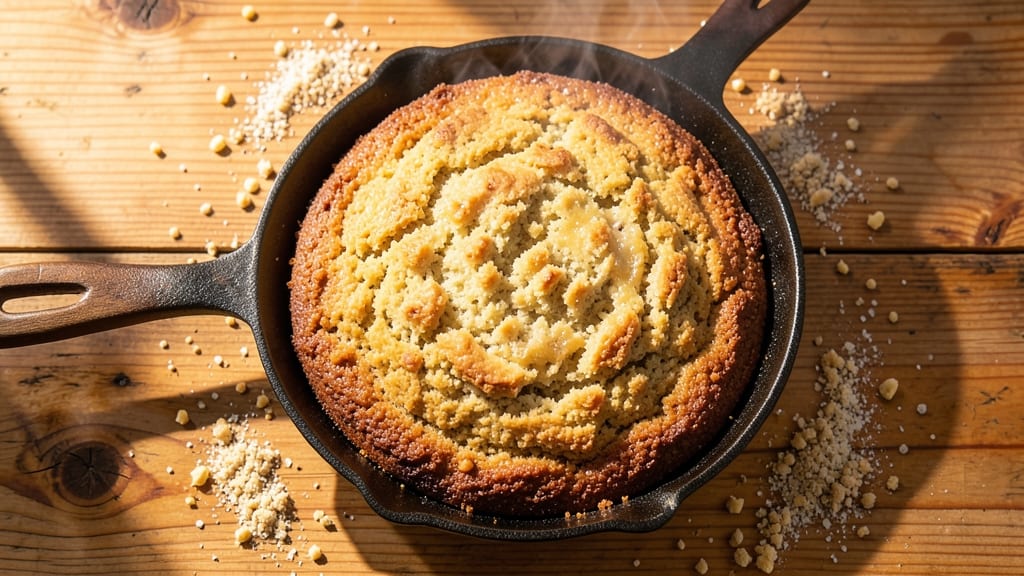
Aunt Jemima Cornmeal Cornbread Recipe delivers that classic Southern comfort in every golden bite—crisp buttermilk crust meeting a tender, honey-sweetened crumb. This recipe stays true to tradition while offering modern flexibility, whether you keep it classic or add jalapeños for a kick.
The secret lies in balancing cornmeal's texture with buttermilk's tang, creating a crumb that's both moist and slightly crumbly.
Baking at 375°F for 20–25 minutes ensures a perfectly risen loaf with a crackly crust and moist interior. Traditional ingredients like cornmeal, flour, and baking powder form the foundation, while optional toppings—honey, butter, or even a sprinkle of cheese—elevate it to restaurant-quality.
The recipe is foolproof, making it ideal for breakfast, brunch, or a side dish that pairs beautifully with chili or BBQ.
What sets this cornbread apart is its versatility—serve it warm with honey, as a side to savory dishes, or even as a base for sweet or savory casseroles.
The buttermilk adds richness, while the cornmeal keeps it authentic. Whether you're a seasoned baker or just starting, this recipe delivers consistent, delicious results every time.
Ready to bake? Here’s everything you need to create that perfect loaf of cornbread, from mixing to serving. Let’s get started with a dish that’s as comforting as it is versatile.
Ingredients for aunt jemima cornmeal cornbread
Classic Southern cornbread ingredients transformed into a buttermilk-rich loaf with honey-sweetened crumb.
| Ingredient | Amount | Notes |
|---|---|---|
| Stone-Ground White Cornmeal 🌽 | 1 ½ cups | Coarse grind for authentic texture |
| All-Purpose Flour 🌾 | 1 cup | White or whole wheat blend |
| Granulated White Sugar 🍯 | ¼ cup | Light brown sugar for deeper flavor |
| Baking Powder 🧂 | 1 ½ tsp | Double-acting, aluminum-free |
| Salt 🧂 | 1 tsp | Diamond Crystal kosher salt |
| Buttermilk 🥛 | 1 cup | Full-fat for optimal tang |
| Large Eggs 🥚 | 2 whole | Room temperature for even mixing |
| Unsalted Butter 🧈 | ½ cup | Cold, cubed for crust development |
| Pure Honey 🍯 | ¼ cup | Wildflower or clover preferred |
| Fresh Jalapeños 🌶️ | 1 whole | Seeds removed, finely diced (optional) |
| Shredded Sharp Cheddar Cheese 🧀 | ½ cup | Freshly grated for best melt |
| Extra-Virgin Olive Oil 🫒 | 1 tbsp | For greasing baking dish |
The cornmeal is non-negotiable for authentic texture—stone-ground white delivers that signature crumb while avoiding the grit of finer grinds. Bob's Red Mill or Aunt Jemima brands are reliable, but any coarse-ground variety works. For the buttermilk, full-fat is essential; low-fat versions lack the richness that creates that signature crust. If you're short on time, substitute with 1 cup milk + 1 tbsp vinegar or lemon juice, let sit for 5 minutes. The honey should be raw and unprocessed—Manuka or clover varieties add subtle floral notes that complement the cornmeal's earthiness. For the optional jalapeños, fresh is best, but jarred pickled jalapeños work in a pinch if you drain them thoroughly to avoid excess moisture.
No buttermilk? Plain yogurt thinned with milk works surprisingly well, though the flavor profile shifts slightly. Swapping the honey for maple syrup maintains moisture but adds a distinct caramel undertone. The cheese can be omitted entirely or replaced with smoked gouda for a savory twist. For those avoiding dairy, nutritional yeast adds a cheesy depth without lactose. The baking powder should be fresh—test by mixing with water; if it bubbles vigorously, it's active. If your cornmeal is fine-ground, add 1 tbsp back into the mix to restore proper texture. The olive oil for greasing? Any neutral oil works, but extra-virgin adds a subtle fruity aroma that pairs beautifully with the honey.
Store any leftovers in an airtight container at room temperature for up to 3 days, though it's best enjoyed fresh. For longer storage, wrap tightly in foil and freeze for up to 3 months. Reheat in a 350°F oven for 10 minutes to restore crispness. This cornbread reheats beautifully—microwave 20 seconds for a quick fix, but oven or skillet yields superior results. Portion into individual servings before freezing for easy reheating. The crust benefits from being toasted before serving, so keep a broiler-safe dish handy for that final crisp.
Why You'll Love This Recipe
- No Mixer Needed: I’ll be real—this cornbread comes together with just a fork and a bowl. The stone-ground cornmeal gives it that perfect crumb, but you don’t need to overthink it. Honestly, I’ve made it while chatting with my kids, and it still turns out golden and tender.
- Sweet-Savory Balance: That touch of sugar in the dry mix? It’s the secret weapon. The cornmeal’s natural nuttiness shines, but the sugar keeps it from being too heavy—like a hug from Grandma, but better. My husband always grabs the last slice, and he’s not even a dessert guy.
- Weeknight or Potluck: Between us, this is my go-to for lazy Sundays or church gatherings. It reheats like a dream, so I make a big batch and freeze half. At potlucks, people always ask for the recipe—no one expects cornbread to be this universally loved.
- Pantry Staple Magic: I swear by this recipe because it uses things I already have. No fancy ingredients, just cornmeal, flour, sugar, and a pinch of salt. It’s my budget-friendly secret for feeding a crowd without breaking the bank—plus, leftovers last for days if you store them right.
Step-by-step instructions for Aunt Jemima cornmeal cornbread
This recipe delivers a perfectly balanced cornbread with a buttery crust and moist, honey-sweetened crumb—every time.
Prepare the Dry and Wet Ingredients Separately
In a medium bowl, whisk together the 1.5 cups stone-ground white cornmeal, 1 cup all-purpose flour, 0.25 cup granulated white sugar, 1.5 teaspoons baking powder, and 1 teaspoon salt. The cornmeal should be coarse to maintain that authentic Southern texture. Sift the mixture lightly to remove any lumps, ensuring even distribution of the baking powder for proper rise.
In a separate bowl, combine the 1 cup buttermilk, 2 whole large eggs, 0.5 cup unsalted butter (cold and cubed), and 0.25 cup pure honey. Whisk vigorously until the butter is fully emulsified and the mixture is smooth. The cold butter will create pockets of steam during baking, contributing to that signature crust. Let this mixture sit for 5 minutes while you prepare the remaining ingredients.
Incorporate the Cheese and Jalapeño
Add the 0.5 cup shredded sharp cheddar cheese and 1 whole fresh jalapeño (seeds removed and finely diced) to the wet ingredients. Fold gently with a silicone spatula until evenly distributed. The cheese will melt into the crumb for a rich, savory depth, while the jalapeño adds a subtle kick without overpowering the sweetness. Avoid overmixing—just combine until no dry spots remain.
Gradually pour the dry ingredients into the wet mixture, folding with a spatula until just combined. The batter should be thick but pourable—like a loose pancake batter. If it appears too stiff, add 1 tablespoon buttermilk to loosen it. This consistency ensures a tender crumb rather than a dense, cake-like texture.
Grease the Pan and Bake to Golden Perfection
Preheat your oven to 425°F. Generously grease a 9-inch cast-iron skillet or baking dish with 1 tablespoon extra-virgin olive oil, ensuring the oil coats the bottom and sides evenly. This prevents sticking and promotes even browning. Pour the batter into the prepared pan and smooth the top with a spatula, pressing down gently to eliminate air pockets.
Bake for 20-25 minutes until the edges are deep golden brown and a toothpick inserted into the center comes out clean. The top should have a slightly crackled crust, while the interior remains moist. If the edges brown too quickly, tent the pan with foil to prevent over-browning while the center finishes cooking.
Rest and Serve Warm
Remove the cornbread from the oven and let it rest in the pan for 5 minutes. This allows the internal heat to distribute evenly, preventing a gummy texture when sliced. Transfer to a wire rack and serve warm, cutting into 6 equal wedges for the perfect shareable portion.
The cornbread will be at its best when served immediately, with a crisp exterior and a soft, slightly crumbly interior infused with honey and cheese. Pair it with honey butter, chili, or a simple side salad for a complete meal. Leftovers can be stored in an airtight container for up to 3 days, though I recommend enjoying it fresh for optimal texture.
Pro Tips For Making Aunt Jemima Cornmeal Cornbread
- Preheat Pan First: Slap that cast-iron skillet on the stove at medium-high heat before you pour in the batter. I learned this the hard way—cold pans make for uneven cooking, and you’ll end up with a gummy center while the edges burn. Give it 3-4 minutes to get screaming hot, then lower to medium for baking.
- Sift the Dry Mix: Don’t just eyeball the cornmeal and flour—sift them together with the baking powder and salt. Stone-ground cornmeal clumps like crazy, and unsifted flour can lead to dense, heavy cornbread. Use a fine-mesh sieve, tap it sharply on the bowl, and whisk the mix to break up any remaining lumps.
- Skip the Overmixing: Once you add the wet ingredients (buttermilk, eggs, melted butter), stir just until combined—maybe 10-12 strokes max. Overmixing develops gluten, and that turns your cornbread into a tough, floury brick instead of a tender, crumbly delight. Lumpy batter? That’s actually ideal.
- Test for Doneness Early: Start checking for doneness at 18 minutes, not the recipe’s suggested 20-25. Tap the center lightly—if it springs back, it’s ready. If it’s still jiggly, tent with foil and let it steam for another 2-3 minutes. I’ve pulled cornbread out too soon only to watch it sink like a sad pancake.
Troubleshooting your aunt jemima cornmeal cornbread
Dense or Gummy Crumb
Overmixing the batter is the #1 cause of dense cornbread. Once you combine the dry and wet ingredients, stop folding after just 20-25 strokes—any more and you'll develop gluten that makes the crumb tough.
I've found that using a silicone spatula and folding in a "J" motion keeps the texture light. Also, don't skip the rest time—letting the batter sit for 5 minutes before baking allows the cornmeal to hydrate properly, preventing a gummy center.
Flat or Sunken Top
If your cornbread emerges flat or sunken, your baking powder may be old or the oven temperature was inconsistent. Test your baking powder by mixing 1 tsp with 3 tbsp hot water—it should bubble vigorously. If not, replace it immediately.
For temperature control, use an oven thermometer (I recommend the Thermoworks Oven Thermometer)—many home ovens run 25°F hotter or colder than set. Also, preheat for 15 minutes to ensure even heat distribution.
Dry or Crumbly Texture
A dry cornbread usually means the cornmeal was overmixed or the butter wasn't cold enough. For the perfect moisture balance, cube the butter and keep it in the freezer until just before mixing.
If your cornbread turns out dry, try adding 1 extra tablespoon of buttermilk next time or replacing 2 tbsp of cornmeal with all-purpose flour for a slightly richer crumb. For reheating dry cornbread, brush slices with melted butter and broil for 2-3 minutes to restore moisture.
Uneven Browning
Uneven browning often happens when heat isn't distributed evenly in your oven. To fix this, place a baking sheet on the lower rack during preheating to create a convection effect. For cast-iron skillets, rotate the pan halfway through baking (after 12-15 minutes) to ensure even color development.
If the edges brown too quickly, tent the pan with aluminum foil for the last 5-10 minutes of baking while keeping the center warm.
Sticking to the Pan
Cornbread sticks when the pan isn't properly greased or the batter contains too much moisture. Always use extra-virgin olive oil (not butter or shortening) for greasing—it has a high smoke point and creates a nonstick barrier. For extra insurance, dust the pan with 1 tbsp cornmeal after greasing.
If your cornbread still sticks, let it cool in the pan for 10 minutes before attempting to remove it. For stubborn cases, run a thin metal spatula around the edges to loosen it gently.
Soggy Bottom
A soggy bottom occurs when steam gets trapped during baking. To prevent this, poke 4-6 small holes in the batter with a toothpick before baking to allow steam to escape. Also, avoid overfilling the pan—¾ full is ideal.
If you notice the bottom starting to brown too quickly, slide a piece of aluminum foil under the pan to reflect heat upward. For cast-iron skillets, place it on the middle rack rather than the bottom to avoid excessive heat concentration.
Nutrition facts
Frequently asked questions
Can I substitute buttermilk in this cornbread recipe?
Yes! If you don't have buttermilk, mix 1 cup milk with 1 tablespoon vinegar or lemon juice, then let it sit for 5 minutes until thickened. For a richer flavor, use plain yogurt (thinned with milk) or sour cream—just reduce the liquid by 2 tablespoons to maintain the right texture. The tang is key for that signature crust!
Why does my cornbread turn out dense instead of light and crumbly?
Overmixing is the #1 culprit! Once you combine wet and dry ingredients, fold just 20-25 times—any more develops gluten, making the crumb tough. Also, ensure your baking powder is fresh (test by mixing with hot water—it should bubble). Let the batter rest 5 minutes before baking to hydrate the cornmeal properly.
How can I make this cornbread gluten-free?
Replace the 1 cup all-purpose flour with a 1:1 gluten-free baking flour blend (like Bob's Red Mill or King Arthur). For the cornmeal, use a certified gluten-free stone-ground variety—avoid fine-ground versions, as they lack texture. You may need to add ½ teaspoon xanthan gum to improve binding. Keep the buttermilk and honey for authentic flavor!
Can I bake this cornbread in a muffin tin for individual servings?
Grease a muffin tin well with olive oil and fill each cup ¾ full. Bake at 400°F for 15-18 minutes until golden. For extra crispiness, broil for 1-2 minutes at the end. These mini cornbreads are perfect for appetizers or BBQ sides—just double-check the baking time, as they cook faster than a full loaf.
What’s the best way to reheat leftover cornbread?
For crispy results, wrap slices in foil and warm at 350°F for 10 minutes. For a quick fix, microwave 20-30 seconds (cover with a damp paper towel to retain moisture). The best method? Toast slices in a skillet over medium heat with a pat of butter until golden. Avoid the microwave if your cornbread is dry—it’ll make it gummy!