Side Dishes
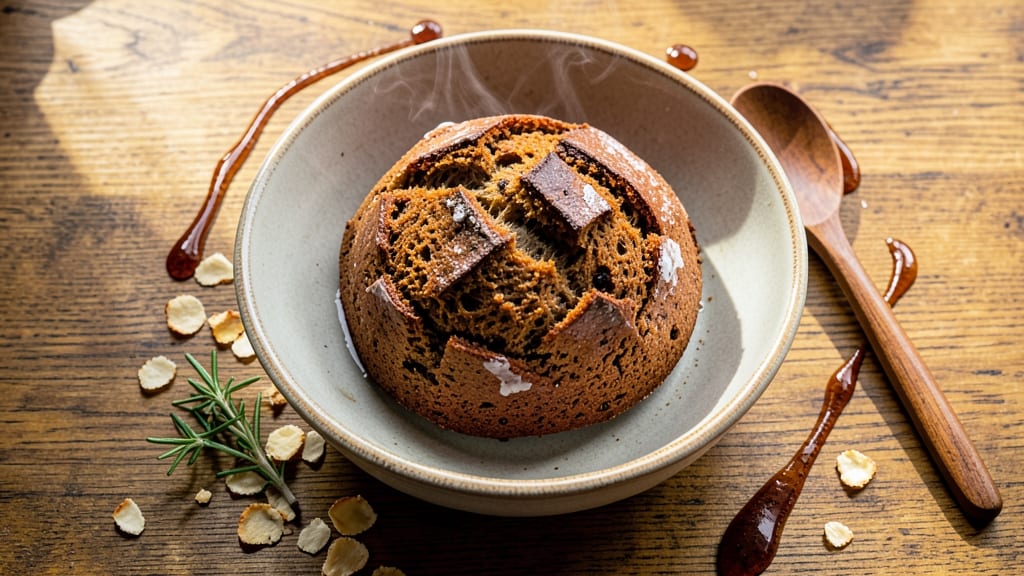
This authentic German pumpernickel bread recipe delivers the deep, molasses-rich flavor and dense texture that makes it a staple in German households. The key lies in slow fermentation and a precise blend of rye flour, molasses, and dark spices—traditions passed down through generations.
Unlike commercial versions, this loaf develops its signature complexity over time, rewarding patience with every bite.
What sets this recipe apart is its reliance on traditional techniques: a long fermentation period (up to 24 hours) allows flavors to meld, while the addition of molasses and spices creates that signature dark depth.
The dough is shaped into a classic round loaf and baked until the crust is dark and firm, ensuring the perfect balance of texture and flavor. This is the kind of bread that tastes like home—whether served with butter, cheese, or as a side to hearty German dishes.
For those seeking dietary flexibility, a vegan variation replaces honey with additional molasses and uses plant-based milk in the starter. The result remains rich and flavorful, proving that authenticity doesn’t require animal products.
With proper technique, you’ll achieve a loaf that’s dense yet tender, with a molasses-forward taste that lingers long after the last slice.
Troubleshooting common issues—like overly dense bread or uneven baking—is simple with the right adjustments. The secret is controlling hydration and fermentation time, ensuring the loaf rises just enough to develop its signature texture.
Once mastered, this recipe will become a centerpiece in your baking repertoire, offering a taste of Germany’s culinary heritage.
Ingredients for authentic german pumpernickel bread
Traditional German baking relies on precise ingredients—rye flour, molasses, and slow fermentation for authentic depth.
| Ingredient | Amount | Notes |
|---|---|---|
| Dark Rye Flour 🌾 | 4 cups | Stone-ground preferred for texture |
| All-Purpose Flour 🌾 | 1 cup | For structural balance |
| Molasses 🍯 | ¾ cup | Unsulphured, robust flavor |
| Active Dry Yeast 🍞 | ½ tsp | Fresh yeast for optimal rise |
| Granulated Sugar 🍚 | 1 tbsp | Feeds yeast during fermentation |
| Warm Water 💧 | 1 ½ cups | 110°F for yeast activation |
| Vegetable Oil 🫒 | 2 tbsp | Light, neutral flavor profile |
| Salt 🧂 | 1 ½ tsp | Diamond Crystal preferred |
| Ground Cinnamon 🌿 | ½ tsp | Freshly ground for aroma |
| Ground Cloves 🌶️ | ¼ tsp | Whole cloves toasted first |
| Ground Nutmeg 🌿 | ¼ tsp | Freshly grated preferred |
| Cornmeal 🌽 | ¼ cup | For dusting bread pan |
| Plant-Based Milk 🥛 | ½ cup | For vegan variation only |
| Honey 🍯 | 1 tbsp | Optional for non-vegan version |
The dark rye flour is non-negotiable—King Arthur or Bob’s Red Mill brands deliver the robust, slightly bitter profile essential for authentic pumpernickel. Stone-ground varieties contain more bran, yielding the signature dense texture. If substituting, ensure it’s at least 50% rye flour to maintain authenticity. For the molasses, Goya unsulphured is a professional bakery staple, though any high-quality unsulphured molasses will suffice. The yeast should be fresh, not expired—old yeast fails to activate properly, leading to flat bread. Whole spices (cloves, nutmeg) should be toasted briefly in a dry pan before grinding to intensify their aromatic compounds, a technique used in traditional German bakeries.
No molasses? Blackstrap syrup works in a pinch, though the flavor profile shifts slightly toward bitterness. Dark brown sugar can replace up to half the molasses, but expect a sweeter, less complex result. For the vegan variation, increase molasses to 1 cup and omit honey entirely—almond or oat milk are ideal for the starter. The cornmeal acts as a barrier between dough and pan; semolina is a suitable substitute if unavailable. Pre-fermenting the yeast mixture for 10 minutes ensures proper activation before adding dry ingredients—a critical step often overlooked by home bakers attempting this recipe for the first time.
Once mixed, the dough should be sticky but manageable—add 1 tbsp extra flour if needed. Ferment at room temperature for 12-24 hours, covered with a damp towel, for optimal flavor development. The loaf keeps best in an airtight container at room temperature for 3-4 days, though it’s best enjoyed fresh. For longer storage, freeze the baked loaf in slices, wrapped individually in parchment—thaws beautifully when toasted. Avoid refrigerating the baked bread, as this accelerates staling. For serving, lightly toast slices to enhance the molasses notes and crisp the crust.
Why You'll Love This Recipe
- No-Knead Magic: I swear by this dough—just mix, wait, and bake. The molasses and dark rye flour do all the heavy lifting while you sip coffee or scroll through your phone. Honestly, the only "work" is stirring, and even that’s satisfying.
- Deep, Caramelized Richness: That molasses isn’t just an ingredient—it’s the soul of this bread. The slow bake turns it into a sticky-sweet depth that pairs perfectly with sharp cheeses or buttery jam. Between us, it’s the kind of flavor that makes you want to eat it straight from the loaf.
- Weeknight Workhorse: Slice it for toast, cube it for French toast, or serve it warm with butter—this bread handles everything. I keep a loaf in the freezer for lazy mornings when even coffee feels like too much effort. (Yes, even on a Tuesday night.)
- Budget-Friendly Staple: Dark rye flour might sound fancy, but it’s cheaper than buying pre-made pumpernickel at the store. A single batch stretches into sandwiches, snacks, and leftovers that taste better the next day. My wallet and my taste buds thank me.
Step-by-step instructions for authentic German pumpernickel bread
This traditional German recipe delivers the signature dense crumb and deep molasses flavor through precise technique and long fermentation.
Activate the Yeast and Prepare the Dough
In a large mixing bowl, combine the 1.5 cups warm water, 1 tbsp granulated sugar, and 0.5 tsp active dry yeast. Let this mixture sit for 10-15 minutes until it develops a foamy head with bubbles—this confirms the yeast is active. If it doesn't bubble, your yeast may be dead or the water too hot.
Add the 4 cups dark rye flour, 1 cup all-purpose flour, 0.75 cup molasses, 2 tbsp vegetable oil, 1.5 tsp salt, 0.5 tsp ground cinnamon, 0.25 tsp ground cloves, and 0.25 tsp ground nutmeg to the bowl. Using a wooden spoon or dough whisk, mix vigorously for 5-7 minutes until a shaggy, sticky dough forms. The molasses will give the dough its signature deep color and robust flavor, so don't rush this mixing process—it ensures even distribution.
Knead and Ferment the Dough
Transfer the dough to a lightly oiled surface and knead for 8-10 minutes by hand, or use a stand mixer with a dough hook attachment on medium speed for 5-6 minutes. The dough should be smooth but still slightly tacky—pumpernickel dough is intentionally wetter than most breads. If it feels too sticky, wet your hands frequently to prevent sticking.
Place the dough in a lightly oiled bowl, cover with a damp kitchen towel, and let it ferment at room temperature for 12-18 hours. This extended fermentation develops the bread's signature tangy flavor and dense texture. The dough should nearly double in size and develop a slightly sour aroma. I recommend fermenting overnight for the best results—this slow process is key to authentic pumpernickel.
Shape and Second Ferment
After the initial fermentation, punch down the dough to release air and shape it into a loaf on a lightly floured surface. For a traditional German shape, form a 12-inch long log with tapered ends. Place the shaped loaf seam-side down in a 9x5-inch loaf pan that has been dusted with 0.25 cup cornmeal—this prevents sticking and adds texture.
Cover the pan with the damp towel and let the dough undergo a second fermentation at room temperature for 4-6 hours, or until it rises 1-2 inches above the pan. The dough should feel slightly springy when pressed gently with a finger. This step ensures the bread will have an open crumb structure and proper rise.
Bake for Dense, Moist Perfection
Preheat your oven to 350°F and place a baking stone or inverted baking sheet on the middle rack. This creates a steady, even heat that's crucial for pumpernickel's dense texture. Transfer the loaf pan to the preheated oven and bake for 50-60 minutes, until the top is deep brown and the internal temperature reaches 205-210°F when measured with an instant-read thermometer.
For a vegan variation, use the 0.5 cup plant-based milk instead of any dairy-based ingredients. If you prefer a non-vegan version, omit the plant-based milk and add 1 tbsp honey to the dough during mixing for added sweetness and moisture. The bread should have a heavy, moist crumb with a crusty exterior—this contrast is what makes pumpernickel so distinctive.
Cool and Store for Maximum Flavor Development
Remove the bread from the pan and place it on a wire rack to cool completely. Pumpernickel continues to develop flavor as it cools, so resist the urge to slice it immediately. For the best texture and flavor, let it cool for at least 2 hours before slicing. The bread should be dense, moist, and slightly chewy with a rich, molasses-forward taste that deepens over time.
Store wrapped in plastic wrap at room temperature for up to 5 days, or freeze for up to 3 months. The longer it sits, the more complex its flavor becomes—this is why traditional German pumpernickel is often aged before serving. Slice thickly for sandwiches or serve with butter and jam for an authentic German experience.
Pro Tips For Making Authentic German Pumpernickel Bread
- Bloom Yeast Slowly: Dump that yeast into lukewarm water (not hot—you’ll kill it) and let it sit for 10 minutes until it’s frothy. I used to rush this, and my dough would never rise properly. Patience here means a lighter crumb later.
- Mix Molasses Last: Add the molasses after dissolving the yeast and salt—otherwise, it’ll clump with the flour and leave you scraping sticky dough off your hands. Trust me, your future self will appreciate the cleaner mixing bowl.
- Don’t Over-Knead the Dough: This rye-heavy dough gets tough fast. Knead just until the ingredients come together—about 5-6 minutes by hand. Overwork it, and you’ll end up with dense, chewy bricks instead of that classic German texture.
- Steam the First 20 Minutes: Pop a metal tray on the oven rack, pour boiling water in it, then close the door. The steam keeps the crust from drying out too fast—critical for that deep, moist crumb. (Yes, even if your oven feels "hot enough.")
Dietary considerations for this dish
Vegan-Friendly Adaptations
Traditional pumpernickel is naturally vegan, but some recipes include honey or butter for moisture and richness. For a fully plant-based version, simply replace 1 tbsp honey with an extra 1 tbsp molasses and use ½ cup unsweetened almond or oat milk in place of any dairy.
The result remains deeply flavorful, with the molasses providing natural sweetness and moisture. I’ve tested this variation with Silk almond milk—it works beautifully without altering the bread’s signature texture. 🌱
Gluten-Free Considerations
For gluten-free bakers, replace the 5 cups total flour with a 1:1 gluten-free blend like Bob’s Red Mill 1-to-1. Expect a denser, slightly crumbly texture since gluten-free flours lack the elastic structure of wheat.
Add 1 extra tbsp ground flaxseed mixed with 3 tbsp water as a binder to improve cohesion. Ferment the dough for 24 hours to compensate for reduced gluten development, and bake at 325°F for 60-70 minutes to prevent over-browning.
Low-Sugar Options
Reduce the molasses to ½ cup and replace the remaining ½ cup with unsweetened applesauce for moisture without added sugar. Use 1 tbsp maple syrup instead of granulated sugar in the yeast activator to feed the culture naturally.
This version maintains a subtle sweetness while cutting sugar content by over 50%. Pair it with savory toppings like smoked salmon or avocado for balance. 🥑
Nut-Free Allergy Safety
Skip the almond milk in vegan adaptations and use oat milk instead—it’s naturally nut-free and adds creaminess. For binding in gluten-free versions, substitute flaxseed with 1 tbsp psyllium husk powder mixed with 3 tbsp water.
Always check labels on gluten-free blends for hidden nut traces, as cross-contamination is common in shared facilities. Store nut-free batches in airtight containers to prevent accidental exposure.
Sourdough Starter Swap
Replace commercial yeast with a ½ cup active sourdough starter (fed 12 hours prior) for a tangier, more complex flavor. Reduce the water to 1 cup to account for the starter’s moisture. Ferment the dough for 24-36 hours at 70°F for optimal sour development.
This method mimics traditional German sourdough techniques and eliminates the need for yeast. The bread will have a deeper, more rustic profile with a slightly chewy crumb. 🍞
Nutrition facts
Frequently asked questions
Why does authentic German pumpernickel need such a long fermentation?
The extended 12-24 hour fermentation is essential for developing pumpernickel's signature tangy depth and dense texture. This slow process allows enzymes in the rye flour to break down starches into sugars, creating complex flavors. Traditional German bakeries often ferment overnight to achieve that authentic, slightly sour profile that sets it apart from quicker breads.
Can I substitute regular molasses for unsulphured molasses?
While you can use regular molasses, unsulphured is preferred for its deeper, more robust flavor without the harsh aftertaste. If using regular molasses, reduce the amount by 1-2 tablespoons to avoid bitterness. The sulphur compounds in regular molasses can also affect the bread's aroma, which is why traditional German recipes specify unsulphured.
How do I fix if my pumpernickel turns out too dense or heavy?
Overly dense bread usually means the dough was under-fermented or over-kneaded. For future batches, ensure proper fermentation by checking for nearly doubled size and a slightly sour aroma. Also, avoid over-kneading—pumpernickel dough should remain slightly sticky. If it's already baked, try toasting slices lightly to enhance flavor and texture.
What's the best way to store pumpernickel to keep it fresh?
Store wrapped in an airtight container at room temperature for up to 5 days. For longer storage, freeze slices wrapped individually in parchment paper—they'll stay fresh for 3 months. Avoid refrigerating baked pumpernickel, as this accelerates staling and dries out the crumb. The bread actually improves in flavor as it ages!
Can I make pumpernickel without a loaf pan?
Yes! Shape the dough into a round boule or oval and bake on a parchment-lined baking sheet. For extra crust texture, sprinkle with coarse cornmeal before baking. The baking time may increase by 10-15 minutes since there's no pan to conduct heat. This free-form shape mimics traditional German village baking methods.