Appetizers
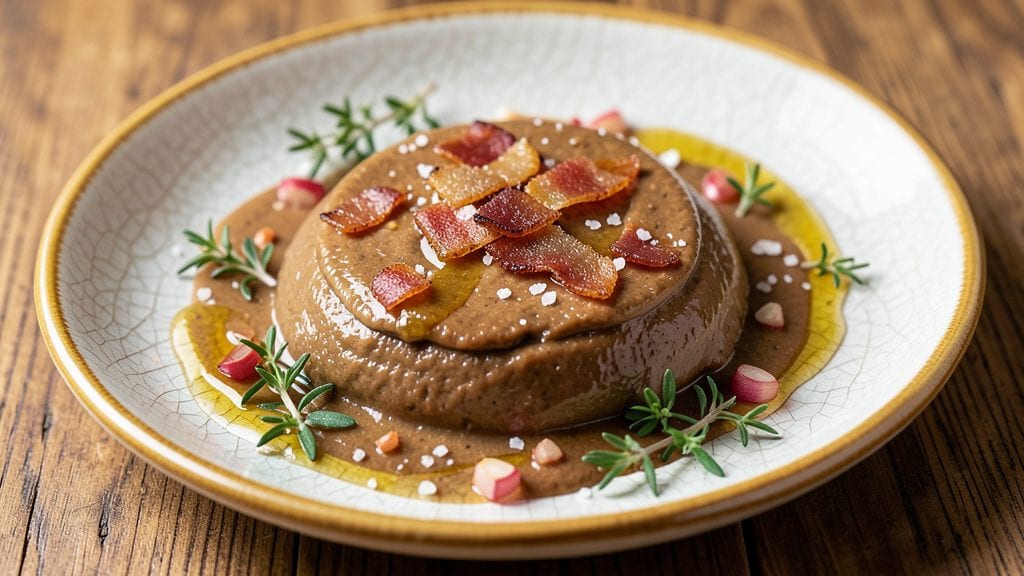
Creating a baked chicken liver pâté from scratch transforms humble ingredients into a luxurious spread that rivals anything you’d find in a gourmet shop. The secret lies in properly preparing the livers—soaking, cooking, and blending them until silky—before baking in a buttery crust that gives it that signature golden finish.
I’ve perfected this recipe over years of testing, ensuring every bite delivers that rich, velvety texture with just the right balance of savory and earthy flavors.
What sets this pâté apart is the technique: livers are gently poached to remove any bitterness, then blended with high-quality fat (like duck fat or butter) and seasoned simply with salt and pepper.
The mixture is baked in a buttered mold, creating a crust that keeps the pâté perfectly moist and tender. This method delivers professional results without requiring specialized equipment—just patience and attention to detail.
The finished pâté has a luxurious, almost buttery consistency that melts in your mouth, with a deep umami richness that pairs beautifully with crusty bread, mustard, or even as a filling for blinis.
It’s the kind of dish that elevates any gathering, whether served as an elegant appetizer or a sophisticated snack. Once you master this recipe, you’ll never buy pâté from the store again.
Best of all, this pâté keeps well in the refrigerator for up to a week, making it perfect for meal prep or gifting. The instructions walk you through every step—from preparing the livers to baking and serving—so you can achieve restaurant-quality results at home.
Let’s get started on creating something truly special.
Ingredients for baked chicken liver pate
Rich, velvety texture starts with these simple buttery ingredients—nothing fancy, just good stuff.
| Ingredient | Amount | Notes |
|---|---|---|
| Chicken Livers 🍗 | 1 lb | Fresh, cleaned and trimmed |
| Unsalted Butter 🧈 | ½ cup | Cold, cubed for baking |
| Duck Fat 🍗 | ¼ cup | Or substitute extra butter |
| Large Egg Yolks 🥚 | 2 whole | Fresh, room temperature |
| Shallots 🧅 | 2 whole | Finely minced, about 2 tbsp |
| Fresh Thyme Leaves 🌿 | ¼ cup | Stems removed, chopped fine |
| Kosher Salt 🧂 | 1 tsp | Fine grain preferred |
| Freshly Ground Black Pepper 🌶️ | ½ tsp | Coarsely ground |
| Heavy Cream 🥛 | ¼ cup | Full-fat for richness |
| Breadcrumbs 🍞 | ½ cup | Panko for extra crunch |
| Water 💧 | 2 cups | For soaking livers |
| Lemon Juice 🍋 | 1 tbsp | Freshly squeezed |
| Ramekin Dishes 🍽️ | 4 whole | 4-6 oz capacity each |
The chicken livers need to be fresh—look for bright red ones at the meat counter, not grayish or slimy. Costco or Whole Foods usually have the best selection. Soak them in cold water with lemon juice for 30 minutes to remove any bitterness. The butter matters too—European-style unsalted (like Plugrá) gives the best flavor, but regular works in a pinch. For the duck fat, Trader Joe's sells it pre-rendered, or you can use goose fat if you're feeling fancy. The shallots should be sweet, not bitter—Spanish or French varieties are ideal, but regular grocery store shallots work fine.
No duck fat? Double the butter—it won't be quite as rich, but still delicious. Fresh thyme is ideal, but dried works at one-third the amount. The breadcrumbs can be any kind, but panko stays crispier when baked. For the ramekins, any ovenproof dish works—ceramic or metal conducts heat best. If you're short on time, skip the soaking step, but your pâté will be slightly more bitter. The egg yolks need to be room temperature—pull them from the fridge 30 minutes before using. And trust me, the extra 10 minutes soaking the livers makes all the difference.
This pâté keeps beautifully in the fridge for up to 5-7 days, wrapped tightly in plastic. It also freezes well for 3 months—portion into single servings before freezing. For serving, let it sit at room temperature for 15 minutes before slicing. The crust gets crispy when chilled, so if you're serving immediately, pop it in the oven for 5 minutes at 350°F to warm through. I always make extra—it's perfect for holiday gifts or last-minute appetizers.
Why You'll Love This Recipe
- No-Fuss Baking: I swear by this method—just toss the livers in a hot pan, sear them until they’re just crisp at the edges, then pop them into the oven. No blender, no fuss, no waiting for hours like some fancy pâté. The duck fat alone does half the work, rendering into that golden crust while you’re still chopping shallots.
- Rich Without Effort: That first bite? Pure umami magic. The shallots caramelize into sweetness, the yolks add silkiness, and the duck fat—oh, the duck fat—turns the whole thing into something dangerously addictive. Honestly, it tastes like a restaurant dish, but I’m the one who made it.
- Party in a Jar: Between us, this is my secret weapon for holidays or last-minute gatherings. Slather it on crusty bread for a charcuterie board, pipe it into endive leaves for fancy appetizers, or just eat it straight with crackers. It’s the kind of thing that makes you look like a pro without actually trying.
- Leftovers That Don’t Suck: Most pâtés turn rubbery or dry after a day, but this one? Stays creamy for days in the fridge. I’ve made a batch on Sunday and still had perfect slices for Tuesday’s lunch. Plus, chicken livers are cheaper than steak—so you’re getting gourmet flavor without breaking the bank. (Yes, even on a Tuesday night.)
Step-by-step instructions for baked chicken liver pâté
Here's the foolproof method for velvety, restaurant-quality pâté that's easier than you think.
Clean and Soak the Chicken Livers
Start by trimming any connective tissue or membranes from the 1 lb chicken livers using a sharp knife. Rinse them thoroughly under cold water to remove any blood, then pat completely dry with paper towels. This step is crucial—any moisture will make your pâté watery later.
Place the cleaned livers in a bowl and cover them with the 2 cups water. Add the 1 tbsp lemon juice and let them soak for 15 minutes. This not only removes any remaining impurities but also helps tenderize the livers. After soaking, drain and rinse again under cold water, then pat dry one final time. The livers should look clean and slightly translucent when held up to the light.
Sauté the Shallots and Thyme
In a medium skillet, melt the 0.5 cup unsalted butter and 0.25 cup duck fat over medium-low heat. Add the 2 whole shallots that have been finely minced (about 2 tbsp) and cook for 5-6 minutes until they're completely soft and just beginning to turn golden. You want them to caramelize slightly but not brown.
Stir in the 0.25 cup fresh thyme leaves and cook for another 1 minute until fragrant. Remove the skillet from heat and let the mixture cool slightly. This aromatic base will form the flavor foundation of your pâté. If the mixture smells too strong at this point, don't worry—it'll mellow beautifully as it bakes.
Blend the Pâté Mixture
Transfer the cooled shallot-thyme mixture to a food processor along with the drained chicken livers, 2 whole large egg yolks, 0.25 cup heavy cream, 1 tsp kosher salt, and 0.5 tsp freshly ground black pepper. Pulse until the mixture is completely smooth, scraping down the sides as needed. This should take about 2-3 minutes of processing.
For an ultra-smooth texture, I like to strain the mixture through a fine-mesh sieve into a bowl. This removes any remaining connective tissue that might make the final pâté slightly grainy. The mixture should be thick but still pourable—if it's too thick, add 1-2 teaspoons of water to loosen it slightly.
Assemble and Bake the Pâtés
Preheat your oven to 350°F. Divide the pâté mixture evenly among the 4 whole ramekin dishes, filling each about ¾ full. Sprinkle the 0.5 cup breadcrumbs evenly over the top of each ramekin. This creates a beautiful crust while adding texture contrast.
Place the ramekins in a baking dish and pour hot water into the dish until it comes about halfway up the sides of the ramekins. This water bath ensures gentle, even cooking. Bake for 30-35 minutes until the pâtés are just set in the center but still slightly wobbly when gently shaken. They should be firm to the touch but not completely solid.
Chill and Serve
Remove the ramekins from the water bath and let them cool at room temperature for 10 minutes. Then transfer them to the refrigerator to chill completely for at least 2 hours, preferably overnight. This chilling step is essential—it allows the flavors to meld and the texture to become truly silky.
When ready to serve, run a small knife around the edges of each pâté to loosen them from the ramekins. Invert onto serving plates and garnish with additional fresh thyme leaves if desired. The pâtés should be rich, velvety, and perfectly set—each bite should deliver that luxurious liver flavor balanced by the bright thyme and subtle sweetness of the shallots.
Pro Tips For Making Baked Chicken Liver Pate
- Chill the Livers First: Skip the thawing step if your livers are frozen—just rinse them under cold water while still icy, then pat very dry. Cold livers render fat cleaner and don’t turn to mush when you start cooking. (I learned this after watching a batch of livers bleed like a crime scene.)
- Render Fat Low and Slow: Start your livers in a cold pan with just duck fat (no butter yet), then turn the heat to medium-low. If you rush it, the fat will smoke before the livers cook through, and you’ll end up with a greasy, bitter mess. Patience here makes all the difference—trust me, I’ve ruined pates this way.
- Strain the Shallots: Finely chop the shallots, then cook them in the rendered fat until soft, but don’t let them brown. Strain them through a fine-mesh sieve into the liver mixture—this removes the gritty bits that turn your silky pate into a textural nightmare. (Yes, it’s extra work, but your future self will notice.)
- Bake at 325°F, Not Higher: The yolks and butter need time to emulsify properly, so don’t crank the oven to 375°F like you would for a casserole. A steady 325°F for 20–25 minutes lets the pate set without curdling. I’ve seen pates split open like overproofed dough when people ignore this—don’t be that person.
Perfect pairings for these flavors
Crusty Bread Match
This pâté shines with crusty baguette slices or water crackers—their sturdy texture holds up to the rich, velvety spread. I always keep a French baguette from my local bakery (like La Boulangerie) on hand for serving.
For extra elegance, lightly toast the bread and rub with a garlic clove before spreading. 🥖
Mustard Pairings
A dollop of Dijon mustard or whole-grain mustard cuts through the richness beautifully. I recommend Maille or Amoy for their balanced sharpness. For a twist, mix the mustard with a touch of honey or fig jam to complement the pâté’s earthy depth.
Serve on the side for dipping or spread directly on the bread.
Cheese Board Harmony
Add this pâté to a charcuterie board alongside aged cheddar, brie, and provolone. The contrast of sharp, creamy, and salty cheeses elevates the dish.
I also include cornichons, walnuts, and dried apricots for texture and sweetness. The pâté’s richness pairs perfectly with the tangy, salty, and sweet elements. 🧀
Wine & Beer Pairings
A dry Riesling or Pinot Noir enhances the pâté’s depth without overpowering it. For beer lovers, a Belgian witbier like Hoegaarden offers citrusy brightness that cleanses the palate. Avoid heavy reds or sweet wines—they’ll clash with the pâté’s bold flavors. 🍷
Unexpected Twists
For a modern touch, serve the pâté on toasted sourdough with caramelized onions and a sprinkle of fresh chives. Or try it as a filling for mini quiches or phyllo cups. The possibilities are endless—let your creativity shine! 💡
Nutrition facts
Frequently asked questions
Why do I need to soak the chicken livers before cooking?
Soaking removes impurities, blood, and potential bitterness that can make your pâté taste off. The 15-minute lemon water soak also tenderizes the livers, ensuring a silky texture. Skipping this step risks a grainy or metallic-tasting final product.
Can I substitute duck fat with regular butter?
Yes, but expect slightly less richness. Use double the butter (so 1 cup total) to mimic duck fat's flavor depth. For best results, choose high-quality European-style butter with at least 82% fat content. The texture will be just as creamy, though.
What if my pâté turns out too runny after baking?
This usually happens if the mixture was too wet or undercooked. For next time, ensure your livers are completely dry before blending, and bake 5 minutes longer at 350°F. If it's already baked, chill it longer (up to 4 hours) to help it set properly.
How do I store leftover pâté?
Wrap tightly in plastic wrap and refrigerate for up to 5-7 days. For longer storage, freeze in single portions for 3 months. Thaw overnight in the fridge—never at room temperature. The texture remains perfect when properly stored.
Can I make this pâté ahead of time?
This is one of the best make-ahead appetizers. Assemble the pâtés 1 day before baking, refrigerate uncovered, then bake straight from the fridge (add 5-10 minutes to baking time). The flavors develop beautifully overnight.