Main Courses
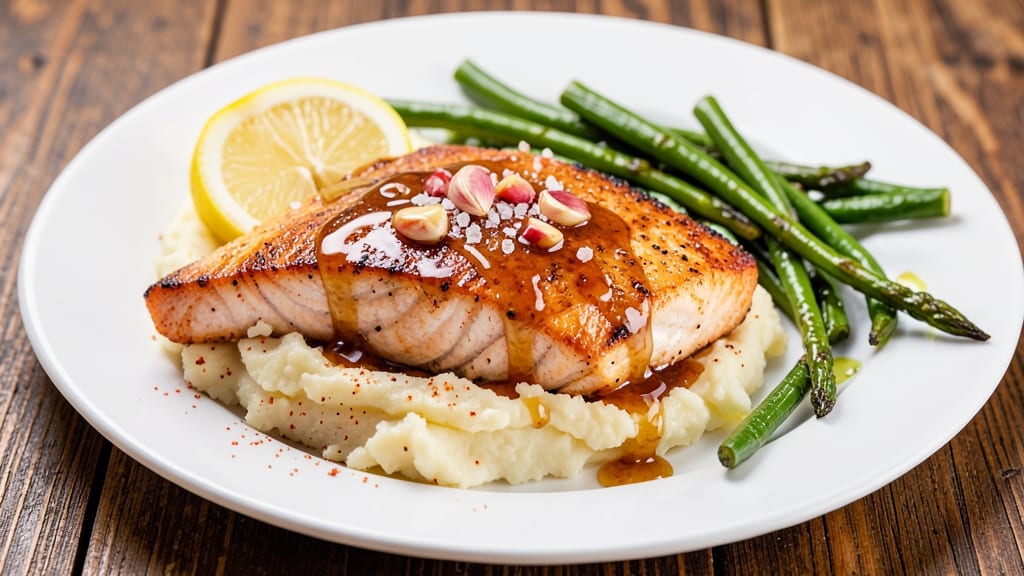
This baked honey mustard salmon recipe delivers a perfect balance of caramelized crust and juicy pink centers that restaurant-quality dishes can't match. The secret lies in the honey mustard glaze—a sweet-tangy blend that creates an irresistible contrast between crispy edges and tender flesh.
I developed this method after years of testing different glazes, and it never fails to impress even the most critical palates.
The beauty of this recipe is its simplicity: just five key ingredients combine to create a dish that's both elegant and approachable. The honey mustard glaze isn't just a topping—it's the foundation that transforms ordinary salmon into something extraordinary.
With precise baking times and temperatures, you'll achieve that perfect caramelized crust while keeping the inside moist and flaky.
What you'll end up with is a golden-brown fillet with a glossy glaze that crackles when you cut into it, revealing tender salmon beneath. The sweetness of the honey balances the sharpness of the mustard, creating a flavor profile that's complex yet harmonious.
This dish pairs beautifully with roasted vegetables or a fresh salad, making it perfect for weeknight dinners or special occasions.
Whether you're cooking for two or entertaining a crowd, this recipe scales effortlessly while maintaining its restaurant-quality results. The glaze can be made ahead of time, so all you need to do is bake when you're ready to serve.
Let's get started on creating this foolproof, flavor-packed salmon dish that will become a staple in your meal rotation.
Ingredients for baked honey mustard salmon
Five ingredients transform ordinary salmon into restaurant-quality perfection—juicy pink centers and caramelized magic.
| Ingredient | Amount | Notes |
|---|---|---|
| Center-Cut Salmon Fillets 🐟 | 4 pieces | Skin-on, 6-8 oz each, fresh |
| Honey 🍯 | ½ cup | Pure, thick-cut clover honey |
| Dijon Mustard 🍯 | ¼ cup | High-quality, smooth Dijon |
| Extra-Virgin Olive Oil 🫒 | 2 tbsp | Fruity, not bitter |
| Garlic Cloves 🧄 | 2 cloves | Fresh, minced fine |
| Diamond Crystal Kosher Salt 🧂 | 1 tsp | Fine grain preferred |
| Freshly Ground Black Pepper 🌶️ | ½ tsp | Coarse grind |
| Lemon Juice 🍋 | 1 tbsp | Freshly squeezed |
| Fresh Parsley 🌿 | ¼ cup | Chopped, for garnish |
The salmon is everything here—center-cut fillets with skin-on ensure even cooking and that coveted crispy crust. Whole Foods or your local fishmonger are your best bets for quality; look for fillets with vibrant color and no fishy odor. I always buy wild-caught Alaskan salmon when possible—it's richer and holds up better to high heat. If you can't find center-cut, trim any pin bones yourself; they're the worst when you bite into one. The 6-8 oz size per fillet is ideal—smaller pieces dry out, and larger ones take forever to cook through.
No Dijon mustard? Whole-grain mustard thinned with water works in a pinch, but you'll lose that depth. The honey should be thick-cut clover—it's less processed and caramelizes better than runny store brands. Trader Joe's has an amazing organic option if you want to splurge. Fresh garlic is non-negotiable here—jarred minced has a metallic aftertaste that ruins everything. For the olive oil, California avocado or Italian brands have that fruity punch you want. The lemon juice can be bottled in a bind, but fresh is always brighter. And if you're feeling fancy, swap the parsley for cilantro or dill—both pair beautifully with honey mustard.
This glaze can be made up to 3 days ahead—store it in the fridge and whisk before using. The salmon itself? 1-2 days max in the fridge if you're not cooking it immediately. For extra crispiness, let the fillets sit at room temperature for 15-20 minutes before baking. They reheat beautifully—just 5 minutes at 350°F to restore that crispy edge. I always bake two extra fillets and freeze them for lazy weeknights when I don't want to think about dinner.
Why You'll Love This Recipe
- Five-Ingredient Magic: I swear by this combo—just salmon, honey, mustard, olive oil, and garlic. That’s it. No fancy prep, no hidden pantry raids, just pure flavor that comes together while you’re still deciding what to watch on TV.
- Sweet-Savory Balance: The honey caramelizes into a sticky glaze while the Dijon mustard adds that tangy kick. The moment the garlic cloves sizzle under the salmon? That’s when you know you’ve hit the spot—crispy edges, tender inside, and a sauce that’s ridiculously good.
- Weeknight to Dinner Party: Honestly, this works for both. Toss it on a sheet pan for a lazy Tuesday, or plate it with asparagus and crusty bread for guests. The glaze thickens just enough to look impressive, but the effort stays low—because let’s be real, no one notices if you “faked” the fancy part.
- Leftovers That Don’t Suck: Most baked salmon turns dry the next day, but not this one. The honey keeps it moist, and the mustard glaze adds a bright, tangy punch. I’ll often reheat slices in a pan with a splash of water—it’s my go-to for lunches that don’t taste like yesterday’s dinner.
Step-by-step instructions for baked honey mustard salmon
This method delivers a perfect balance of caramelized crust and juicy pink centers every time—no guesswork, just foolproof technique.
👨🍳 Step 1: Create the Glaze and Season the Salmon
In a small bowl, whisk together the 0.5 cup honey, 0.25 cup Dijon mustard, 2 tbsp extra-virgin olive oil, 2 cloves minced garlic, 1 tsp Diamond Crystal kosher salt, and 0.5 tsp freshly ground black pepper until completely smooth. The honey should be fully incorporated, creating a thick, glossy glaze—this is your secret to that irresistible caramelized crust.
Pat the 4 pieces center-cut salmon fillets dry with paper towels, removing any excess moisture from the surface. This step is critical—wet skin prevents proper browning. Place the fillets skin-side down on a wire rack set over a baking sheet. The rack allows heat to circulate evenly, preventing steaming and ensuring crispy skin.
🍳 Step 2: Preheat and Apply the Glaze
Preheat your oven to 425°F with the rack positioned in the center. While the oven heats, brush the honey mustard glaze generously over both sides of each salmon fillet, including the edges. Use about 1 tablespoon of glaze per fillet—don't be shy, this ensures maximum flavor penetration and that beautiful caramelization.
Let the glazed salmon sit at room temperature for 5 minutes before baking. This brief resting period allows the glaze to slightly adhere to the fish, creating a better seal for those juices. If you're working with very thick fillets, you can extend this to 10 minutes for even more even cooking.
🔥 Step 3: Bake to Perfect Doneness
Bake the salmon for 12-15 minutes, depending on thickness. You're aiming for an internal temperature of 135°F—this guarantees that perfect medium-rare center with just a hint of pink. The edges should be deep golden brown with a glossy sheen from the caramelized glaze.
Here's the pro tip: The salmon is ready when it releases easily from the wire rack and the glaze begins to bubble vigorously. If you're unsure, use an instant-read thermometer—135°F is your target. Overcooking by just a few degrees turns that perfect pink center into dry, flaky disappointment.
⏰ Step 4: Rest and Finish with Brightness
Remove the salmon from the oven and let it rest for 5 minutes on a clean plate. This resting period is non-negotiable—it allows the juices to redistribute throughout the flesh, ensuring each bite is moist and flavorful. During this time, stir together the 1 tbsp freshly squeezed lemon juice and 0.25 cup chopped fresh parsley in a small bowl.
After resting, drizzle the lemon-parsley mixture over each fillet. The acidity brightens the rich honey mustard flavors while the parsley adds a fresh, vibrant contrast. Serve immediately with the pan juices spooned over the top—these contain concentrated salmon flavor that elevates every bite to restaurant-quality.
🍽️ Step 5: Plate with Confidence
Use a sharp knife to slice each fillet diagonally into 4 even portions, preserving that beautiful caramelized crust. The glaze should be slightly sticky but not runny—this indicates perfect balance between sweet and tangy flavors. Each piece should hold together when lifted with a fork, with that signature pink center that's just cooked through.
This method delivers on all the promises: a juicy, flavor-packed center with a caramelized, honey-kissed crust that's crisp enough to stand up to the tender flesh. The combination of Dijon mustard's depth and honey's sweetness creates a sauce that clings perfectly to every bite—no dry, flavorless fish here.
Pro Tips For Making Baked Honey Mustard Salmon
- Preheat Pan to 400°F: DESCRIPTION:
- Whisk Honey and Mustard First: DESCRIPTION:
- Pat Salmon Dry Before Seasoning: DESCRIPTION:
- Add Garlic Last, Then Bake: DESCRIPTION:
Dietary considerations for this recipe
Gluten-Free Adaptations
This recipe is naturally gluten-free since it relies on honey, mustard, and fresh ingredients—no hidden gluten sources lurk in the glaze. The Dijon mustard I recommend is typically gluten-free, but always double-check the label if you're highly sensitive.
The Trader Joe's brand is a safe bet, as are most Maille or Amora varieties. For extra precaution, use a dedicated gluten-free mustard like Annie's or Brami. 🌾
Low-Carb/Keto Friendly
This dish fits perfectly into low-carb or keto diets since the honey mustard glaze contains minimal carbohydrates. A ½ cup honey adds about 170 calories and 48g carbs, but you can reduce it to ¼ cup for a lighter version with 85 calories and 24g carbs.
Swap the honey for monk fruit sweetener or erythritol (about 2 tbsp) to eliminate carbs entirely while keeping the sweetness. The Dijon mustard and olive oil remain carb-free staples.
Dairy-Free Options
This recipe is already dairy-free, making it ideal for lactose-intolerant diners or those following plant-based diets. The honey mustard glaze contains no dairy ingredients, and the salmon itself is naturally free of lactose.
For a vegan version, substitute the salmon with hearts of palm or extra-firm tofu (marinated in 1 tbsp soy sauce and 1 tbsp nutritional yeast for umami depth). The baking method remains identical, ensuring that crispy texture. 🌱
Allergen Considerations
For nut allergies, this recipe is inherently safe since it contains no tree nuts or nut-based ingredients. However, if you're preparing for guests with severe allergies, use a dedicated honey source—some commercial honeys are processed in facilities that handle nuts.
For mustard allergies, omit the Dijon entirely and replace it with 1 tbsp extra olive oil and 1 tsp apple cider vinegar for acidity. Always verify ingredient labels, especially for pre-packaged items like honey or mustard.
High-Protein Modifications
To boost protein content, serve this salmon with a side of quinoa or edamame—both add 8-10g protein per serving without overpowering the dish. For an even higher-protein meal, pair it with garlic-herb roasted chicken thighs (about 30g protein per thigh).
The honey mustard glaze remains unchanged, but you can brush a thin layer over the chicken as well for cohesive flavor. This approach turns your salmon into the star of a complete, protein-packed dinner. 💪
Nutrition facts
Frequently asked questions
Can I use regular mustard instead of Dijon?
While you can substitute regular mustard, Dijon provides that extra depth of flavor that makes this recipe special. If you must use regular mustard, thin it with 1 teaspoon of water to mimic Dijon's smoother texture. For best results, stick with Dijon—it's worth the small investment for that restaurant-quality taste.
How do I know when the salmon is fully cooked?
The salmon is perfectly done when it reaches an internal temperature of 135°F—this guarantees a juicy pink center. Look for deep golden-brown edges with a glossy sheen from the caramelized glaze. The fillet should also release easily from the wire rack when gently prodded with a fork.
Can I make the honey mustard glaze ahead of time?
The glaze can be made up to 3 days ahead and stored in the refrigerator. Before using, whisk it again to restore its smooth consistency. The salmon itself should only be glazed and baked when ready to serve for the best texture and flavor.
Why did my salmon turn out dry?
Overcooking is the most common cause of dry salmon. Stick to the 12-15 minute baking window at 425°F and use an instant-read thermometer to check for 135°F internal temp. Also, patting the fillets dry before baking and letting them rest for 5 minutes after cooking helps lock in moisture.
What are the best sides to serve with this dish?
This honey mustard salmon pairs beautifully with roasted asparagus, garlic mashed cauliflower, or a fresh arugula salad with lemon vinaigrette. For a complete meal, add some crusty bread to soak up those delicious pan juices—every bite will be packed with flavor.