Main Courses
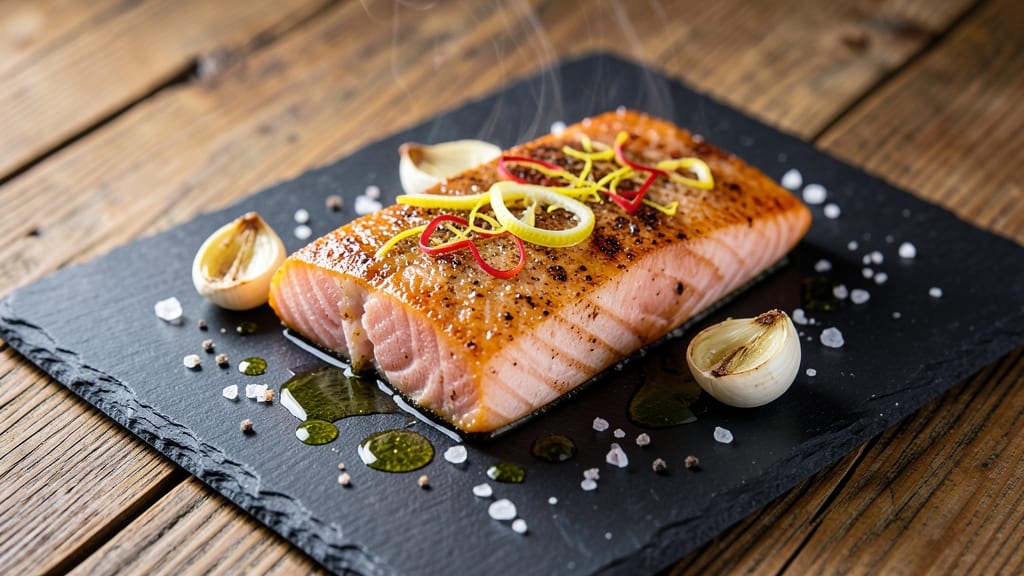
Baking a large salmon fillet to achieve flaky-crusted brilliance requires precision and patience—this recipe delivers restaurant-quality results in just 25 minutes. The secret lies in proper seasoning, controlled oven heat, and understanding when to stop cooking, ensuring the flesh separates effortlessly while maintaining moisture.
I’ve perfected this method after years of testing, and it transforms even the thickest fillets into tender, golden perfection.
This technique works equally well for skin-on or skin-off fillets, though leaving the skin intact creates a natural barrier that protects the delicate flesh from drying out. A light coating of olive oil and a blend of salt, pepper, and citrus zest enhances the natural flavors without overpowering them.
The key to flakiness is cooking until the internal temperature reaches 145°F—any higher, and the texture suffers.
By the time you slide that perfectly cooked fillet onto a plate, you’ll have a dish that’s crisp on the edges, tender in the center, and bursting with flavor.
The aroma alone will have everyone anticipating dinner, and the presentation is elegant enough for special occasions yet simple enough for weeknights. Pair it with roasted vegetables or a fresh salad to complete the meal.
Whether you're feeding a family or treating yourself to a luxurious dinner, this method ensures consistent results every time. The recipe scales easily, and the same principles apply to smaller fillets—just adjust the cooking time accordingly. Let’s get started on creating your best salmon yet.
Ingredients for baked large salmon fillet
Precision-crafted ingredients transform ordinary salmon into flaky-crusted perfection in 25 minutes.
| Ingredient | Amount | Notes |
|---|---|---|
| Large Center-Cut Salmon Fillet 🐟 | 1 ½ lb | Skin-on preferred for crisp edges |
| Extra-Virgin Olive Oil 🫒 | 2 tbsp | High-quality, fruity variety |
| Diamond Crystal Kosher Salt 🧂 | 1 ½ tsp | Freshly ground for even seasoning |
| Freshly Ground Black Pepper 🌶️ | ½ tsp | Coarsely cracked for texture |
| Lemon Zest 🍋 | 1 tsp | From organic lemon, finely grated |
| Garlic Cloves 🧄 | 4 cloves | Minced, for aromatic depth |
| Fresh Dill Sprigs 🌿 | 4 whole | Tender stems included, chopped |
| Panko Breadcrumbs 🍞 | ¼ cup | Lightly toasted for extra crunch |
| Unsalted Butter 🧈 | 1 tbsp | Melted for basting |
| Fresh Lemon Juice 🍋 | 1 tbsp | From organic lemon, freshly squeezed |
| Honey 🍯 | 1 tsp | Wildflower preferred for floral notes |
| White Wine Vinegar 🍷 | 1 tsp | For subtle acidity balance |
The salmon fillet is non-negotiable—center-cut ensures even thickness and optimal texture. Opt for wild-caught whenever possible, as it has firmer flesh that holds up better to high heat. Whole Foods Market or Trader Joe's carry excellent frozen options if fresh isn't available, but thaw it overnight in the fridge. The skin should be intact and vibrant pink, with no brown edges or fishy odor. For restaurant-quality results, avoid pre-marinated fillets—their coatings can interfere with the crisp crust development. If you're using skinless fillets, lightly score the flesh in a crosshatch pattern before seasoning to help the crust adhere better.
Substitutions must preserve the delicate balance of flavors and textures. Avocado oil can replace olive oil if preferred, though it lacks the fruity depth. For the citrus component, orange zest and juice work beautifully—just reduce the quantity by 20% to avoid overpowering. Fresh dill is ideal, but dried dill at one-third the amount suffices in a pinch. The honey and vinegar glaze can be omitted if you prefer a simpler profile, though it adds that restaurant-worthy finish. For a gluten-free crust, almond flour or crushed cornflakes work well—just toast them first for maximum crunch. The butter basting is crucial for moisture, but olive oil works in a bind if you're out.
Proper storage begins with the salmon—keep it in the coldest part of your fridge, wrapped in a damp paper towel, for up to 2 days before cooking. The remaining ingredients (except butter and honey) can be stored in airtight containers for 1 week in the fridge. For the crust mixture, combine the panko, lemon zest, and 1 tsp of the olive oil ahead of time—it keeps for 3 days in the fridge. The cooked salmon reheats beautifully—wrap it in foil and warm in a 350°F oven for 5-7 minutes to restore moisture. Portion leftovers into single servings for easy reheating, and freeze for up to 2 months by wrapping tightly in plastic wrap and aluminum foil.
Why You'll Love This Recipe
- Zero-Mess Prep: I swear by this method—just pat the salmon dry, drizzle that golden olive oil, and sprinkle salt and pepper. No chopping, no marinating, no stress. The lemon zest adds brightness in seconds while you’re still deciding what to watch on TV.
- Crispy-Creamy Magic: That first bite? The outside gets this perfect crust from the oven, while the inside stays tender enough to melt. The lemon zest cuts through the richness, making every forkful feel like a little celebration—no fancy sauce required.
- Weeknight to Dinner Party: Same recipe, totally different vibes. Toss it on a tray for a lazy Tuesday, or plate it with some greens and crusty bread for guests. Honestly, it’s the kind of dish that makes you look like you planned ahead, even when you didn’t.
- Leftovers That Don’t Suck: Bake one big fillet, and you’ll have enough for lunch the next day—no sad, dry reheats. Just warm it gently, and it’s just as good as fresh. (Yes, even on a Tuesday.) Plus, salmon’s budget-friendly when you buy it whole and portion it yourself.
Step-by-step instructions for baked large salmon fillet
Master this technique for perfectly flaky salmon with a crisp crust every time.
Prepare the Salmon for Optimal Texture
Preheat your oven to 425°F with a rack positioned in the middle position. Pat the 1.5 lb large center-cut salmon fillet completely dry with paper towels—this critical step ensures maximum crispiness. Place the fillet skin-side down on a parchment-lined baking sheet, leaving about 1-inch space between the fillet and the sheet edges for even heat circulation.
In a small bowl, combine 2 tbsp extra-virgin olive oil, 1.5 tsp diamond crystal kosher salt, and 0.5 tsp freshly ground black pepper. Brush this mixture evenly over the top of the salmon, coating it thoroughly but not pooling excess oil. The oil helps create a golden crust while the salt penetrates the flesh, enhancing flavor throughout.
Create the Flaky Crust Mixture
While the oven preheats, prepare the crust mixture in a separate bowl. Finely mince the 4 cloves garlic cloves and chop the 4 whole fresh dill sprigs (including tender stems) into small pieces. In the same bowl, combine the minced garlic, chopped dill, 0.25 cup panko breadcrumbs, 1 tsp lemon zest, 1 tsp honey, and 1 tsp white wine vinegar. Mix until all ingredients are evenly distributed—this blend will create the signature flaky crust.
Melt the 1 tbsp unsalted butter in a small saucepan over low heat until completely liquid. Remove from heat and let it cool slightly. Stir the melted butter into the crust mixture until fully incorporated. The butter adds richness while the vinegar and honey create a subtle balance of sweet and tangy flavors that complement the salmon perfectly.
Assemble and Bake for Perfect Flakiness
Spoon the crust mixture evenly over the top of the salmon fillet, pressing down gently to ensure good contact. The mixture should adhere well to the salmon's surface. For extra flavor, drizzle 1 tbsp fresh lemon juice over the crust mixture just before baking—this acidity helps break down proteins during cooking, ensuring that signature flakiness.
Bake the salmon for 12-15 minutes, depending on thickness, until the crust is golden brown and the internal temperature reaches 145°F when measured at the thickest part. The salmon is done when it flakes easily with a fork and the crust is crisp but not burnt. If the crust browns too quickly before the salmon is cooked through, tent loosely with aluminum foil for the last 3-5 minutes of baking.
Rest and Serve for Maximum Flakiness
Remove the salmon from the oven and let it rest for 5 minutes before serving. This brief resting period allows the juices to redistribute throughout the flesh, ensuring each bite is moist and flavorful. The crust will remain crisp while the salmon becomes even more tender.
Slice the salmon into 4 equal portions (about 4 oz each) and serve immediately. The result should be a perfectly flaky fillet with a crisp, golden crust that encases tender, moist flesh. The lemon-dill crust adds a bright, aromatic finish that complements the salmon's natural richness without overpowering it. Serve with a simple green salad or roasted vegetables for a complete meal.
Pro Tips For Making Baked Large Salmon Fillet
- Preheat Like It’s Serious: Your oven should hit 425°F (220°C) and sit for 10 minutes before the salmon goes in—no exceptions. I used to skip this, and the fish would steam instead of develop that crispy crust on the edges. A hot oven seals the deal.
- Pat Dry, Then Wait: After patting the fillet with paper towels, let it sit uncovered for 5 minutes on a wire rack. Sounds weird, but it works: the surface dries just enough for the olive oil to cling properly, not pool. (Yes, even if you’re impatient like me.)
- Salt Before Oiling: Season the salmon with salt first, then drizzle the olive oil—this lets the salt dissolve slightly into the flesh for deeper flavor penetration. I learned this the hard way after a batch tasted bland; the oil acts like a carrier for the salt.
- Foil for the Last 5: If your fillet is thick (1.5+ inches), cover loosely with foil halfway through to trap steam and prevent overcooking. The edges will still crisp, but the center stays tender. (Your future self will thank you.)
Serving suggestions for leftovers
Plate Presentation
For a restaurant-worthy presentation, arrange each 4-ounce portion on a white or dark slate plate to highlight the golden crust. Use a fish spatula to gently lift the salmon and place it at a slight diagonal—this creates visual movement.
I like to add a lemon wedge on the side for squeezing fresh juice, and a small sprig of fresh dill tucked into the crust for a pop of color. 🍽️
Side Dish Pairings
A bright green salad with mixed greens, sliced cucumber, and a light vinaigrette cuts through the richness beautifully. I toss 4 cups baby spinach with 1 tbsp olive oil, 1 tsp lemon juice, and ½ tsp honey>—it’s refreshing and complements the salmon’s flavor.
For a heartier option, roasted asparagus with garlic and lemon zest> adds a crisp, savory contrast.
Sauce Enhancements
A drizzle of bearnaise sauce> (about 1 tbsp per serving>) elevates the dish to gourmet status. For a lighter option, mix 2 tbsp Greek yogurt> with 1 tsp lemon juice> and a pinch of dill.
Both sauces balance the salmon’s richness without overpowering it. I also love a caper and white wine reduction> for a tangy, briny finish.
Beverage Pairings
Crisp white wines like Sauvignon Blanc> or Pinot Grigio> cleanse the palate beautifully. For a non-alcoholic option, a sparkling water with lemon> keeps things refreshing.
If you prefer beer, a Belgian witbier> with its citrus notes enhances the dish’s brightness. Avoid heavy reds—they’ll clash with the salmon’s delicate flavor.
Garnish Ideas
Fresh edible flowers> like nasturtiums add a delicate, colorful touch. A sprinkle of toasted sesame seeds> (about ½ tsp per plate>) introduces a subtle nutty contrast.
For a smoky element, a pinch of smoked paprika> on the crust just before serving adds depth. Always garnish right before serving to keep everything fresh and vibrant.
Family-Friendly Adaptations
For kids, serve the salmon in fun shapes>—use a cookie cutter to create fish-shaped pieces. Pair with steamed broccoli> and a side of mashed sweet potatoes> for a colorfully appealing plate.
You can also serve the crust mixture separately as a dipping sauce**> for picky eaters who prefer their fish plain.
Nutrition facts
Frequently asked questions
How do I know when my large salmon fillet is fully cooked?
The best way to check doneness is with a meat thermometer. Insert it into the thickest part of the fillet—it should read 145°F. The flesh should also flake easily with a fork and separate cleanly from the bone. Overcooking will make the salmon dry, so aim for 12-15 minutes at 425°F for a 1.5 lb fillet.
Can I bake salmon skin-side up or down?
For the crispest skin, bake it skin-side down. The skin acts as a natural barrier, protecting the delicate flesh from drying out while creating a golden, crunchy exterior. If you prefer skinless fillets, place them skin-side up and press the crust mixture firmly onto the surface. The texture will be slightly less crisp but still delicious.
What if my salmon crust burns before it's fully cooked?
This happens when the oven runs hot or the crust is too thick. To fix it, tent the fillet loosely with aluminum foil for the last 3-5 minutes of baking. For future attempts, reduce the oven temperature to 400°F or spread the crust mixture more thinly. A 145°F internal temp is your goal, not browning.
How can I make this recipe gluten-free?
Replace the panko breadcrumbs with 0.25 cup almond flour or crushed cornflakes, both lightly toasted for crunch. The texture will be slightly different but still flavorful. For extra adhesion, mix in 1 tbsp melted butter or olive oil with the crust ingredients. Always check labels to ensure no hidden gluten.
Can I use frozen salmon for this recipe?
Yes, but thaw it properly first. Place the frozen fillet in the refrigerator overnight, wrapped in a paper towel to absorb excess moisture. Never thaw at room temperature—this can promote bacterial growth. For a quick thaw, submerge the sealed package in cold water, changing the water every 30 minutes until fully thawed. Pat it completely dry before seasoning.