
Soups & Stews
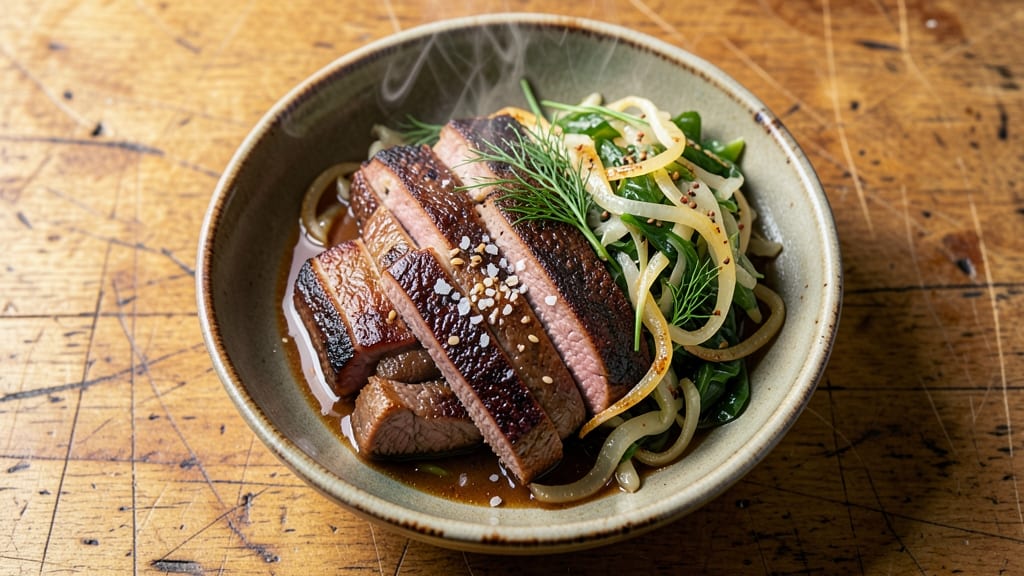
This beef brisket and sauerkraut recipe transforms a classic slow-cooked centerpiece into a smoky-sour masterpiece that balances rich, tender meat with tangy fermented cabbage. The key lies in low-and-slow cooking the brisket until it reaches 203°F internal temperature, ensuring melt-in-your-mouth texture while developing deep, caramelized crusts.
I’ve perfected this pairing over years of testing—where the brisket’s natural sweetness cuts through the sauerkraut’s sharp acidity, creating harmony in every bite.
The process begins with a dry rub of spices that clings to the brisket during the 12-hour smoke (or oven-braised alternative), while the sauerkraut gets gently reheated with onions and a touch of caraway for warmth.
This method preserves the sauerkraut’s probiotic benefits while enhancing its natural flavors, making it more than just a side—it’s the star of the show. The result? A dish that feels both rustic and refined, perfect for gatherings or cozy weeknight dinners.
By the time you serve this, your brisket will be fork-tender with crisp edges, sliced against the grain into perfect medallions, while the sauerkraut remains vibrant and slightly crunchy. The contrast of textures and flavors—smoky, savory, and tangy—makes each bite unforgettable.
Serve with crusty bread to soak up every last drop of the juices, or pair it with roasted potatoes for a complete meal that commands attention.
What makes this recipe stand out is its versatility—whether you’re smoking over hickory, braising in the oven, or even using a slow cooker, the principles remain the same.
The sauerkraut can be adjusted to your taste, from mild to extra sour, and the brisket’s leftovers reheat beautifully for sandwiches the next day. This isn’t just a recipe; it’s a technique that elevates simple ingredients into something extraordinary.
Ingredients for beef brisket and sauerkraut
Sixteen ingredients, two stars: brisket and sauerkraut. Perfect balance of smoky depth and tangy brightness.
| Ingredient | Amount | Notes |
|---|---|---|
| Beef Brisket 🥩 | 4 lb | Whole packer cut, fat cap intact |
| Yellow Onions 🧅 | 2 whole | Yellow or red, sliced into wedges |
| Fresh Caraway Seeds 🌿 | 1 tbsp | Toasted lightly for aroma |
| Unsalted Butter 🧈 | ½ cup | Cold, cubed for dry rub |
| Light Brown Sugar 🍚 | ¼ cup | Packed, for caramelization |
| Diamond Crystal Kosher Salt 🧂 | ½ cup | Coarse grain for even distribution |
| Smoked Paprika 🌶️ | 2 tbsp | For deep smoky flavor |
| Ground Black Pepper 🌶️ | 1 tbsp | Freshly cracked for intensity |
| Garlic Powder 🧄 | 1 tbsp | Not garlic salt |
| Mustard Powder 🌶️ | 1 tsp | Adds subtle tang |
| Unpasteurized Sauerkraut 🥬 | 2 cups | With juice, not drained |
| Yellow Onions 🧅 | 1 whole | For sauerkraut, sliced thin |
| Apple Cider Vinegar 🍎 | 2 tbsp | Balances sauerkraut acidity |
| Fresh Thyme Leaves 🌿 | 1 tbsp | Chopped, for sauerkraut |
| Wooden Smoking Chips 🌳 | 1 lb | Hickory or oak preferred |
The brisket cut is critical—look for packer cuts with intact fat cap at your butcher or Costco for the best value. Whole Foods carries premium briskets if you prefer grain-fed options. The fat cap isn't just for flavor; it acts as a protective barrier during the long cook. For sauerkraut, unpasteurized is non-negotiable—it retains the probiotic benefits and vibrant flavor. Local farmers markets often have better-quality sauerkraut than the jarred versions at grocery stores, but Rehr's brand is a reliable store-bought option. The caraway seeds should be toasted lightly in a dry pan before grinding to release their full aroma.
No caraway seeds? Celery seeds at half the amount provide a similar earthy note. Substituting smoked paprika? Liquid smoke at one-quarter teaspoon adds depth, but use sparingly. For the brisket rub, brown sugar can be swapped for turbinado for a more pronounced caramel flavor. The sauerkraut's acidity can be adjusted by adding extra apple cider vinegar if using milder sauerkraut. Fresh thyme is ideal, but dried thyme at one-third the amount works in a pinch. The onions for the sauerkraut should be sliced paper-thin—a mandoline makes this task effortless.
Brisket rub components keep indefinitely in an airtight container in a cool, dark place. The sauerkraut mixture reheats beautifully—simmer for 10-15 minutes to meld flavors. Brisket leftovers reheat best at 300°F for 15 minutes wrapped in foil. Both components freeze exceptionally well: brisket for up to 6 months, sauerkraut for 3 months. For sandwiches, slice brisket against the grain and layer with sauerkraut, crusty rye bread, and a smear of Dijon mustard for the ultimate next-day meal.
Why You'll Love This Recipe
- One-Pot Magic: I swear by this recipe—just brisket, onions, and a handful of caraway seeds simmering together. No fancy gadgets, no separate pans, and honestly? The cleanup is just wiping a sheet pan.
- Sweet-Savory Balance: That light brown sugar caramelizing into the brisket while the caraway seeds add earthy depth? It’s the kind of flavor combo that makes you close your eyes and sigh. The sauerkraut’s tang cuts through the richness perfectly—no overpowering aftertaste.
- Leftovers That Shine: Between us, this dish tastes better the next day. I double the batch on Sundays, slice the brisket thin for sandwiches, and toss it into grain bowls all week. The sauerkraut keeps its crunch, and the beef gets even more tender.
- Budget-Friendly Feast: A whole brisket feeds six for less than $20, and the other ingredients? Pantry staples. I’ll be real: it’s my go-to for potlucks or when friends drop by unannounced. Filling, impressive, and no one questions the price tag.
Step-by-step instructions for smoky-sour beef brisket with sauerkraut
Master the perfect balance of smoky brisket and tangy sauerkraut with this precise two-phase approach.
Prepare the Brisket Dry Rub and Smoke
In a large bowl, combine the 0.5 cup unsalted butter, 0.25 cup light brown sugar, 0.5 cup diamond crystal kosher salt, 2 tbsp smoked paprika, 1 tbsp ground black pepper, 1 tbsp garlic powder, and 1 tsp mustard powder. Using your hands, work the mixture into the 4 lb beef brisket until fully coated, pressing the rub into all surfaces and into the cavity. Let the brisket sit at room temperature for 30 minutes while you prepare the smoker.
Set up your smoker using the 1 lb wooden smoking chips (hickory or oak preferred) and preheat to 225°F. Place the brisket fat-side up on the smoker grate, ensuring proper airflow around all sides. Smoke for 6 hours, maintaining the temperature between 225-250°F. Resist opening the smoker during this time—each peek can cost you 15-20 minutes of cook time. The brisket is ready when the internal temperature reaches 165°F and the bark is deep mahogany in color.
Prepare the Sauerkraut Sauté
While the brisket smokes, prepare the sauerkraut mixture. In a large skillet, combine the 2 cups unpasteurized sauerkraut (with juice), 1 whole yellow onion sliced thin, 2 tbsp apple cider vinegar, and 1 tbsp fresh thyme leaves. Cook over medium heat for 10-12 minutes, stirring occasionally, until the onions soften and the mixture begins to bubble. Add the 1 tbsp fresh caraway seeds and toast lightly for 30 seconds to release their aroma. Remove from heat and set aside.
This step balances the sauerkraut's acidity while developing its natural sweetness. The caraway seeds add a subtle earthy note that complements the brisket beautifully. Keep the sauerkraut warm until ready to serve.
Wrap and Finish the Brisket
Once the brisket reaches 165°F, it will hit "the stall"—the point where evaporation slows the cooking process. At this stage, wrap the brisket tightly in butcher paper (not foil) and return it to the smoker. This technique, known as the "Texas crutch," helps the brisket continue cooking without drying out. Smoke for an additional 4-6 hours until the internal temperature reaches 200-205°F and the meat is fork-tender.
Remove the brisket from the smoker and let it rest for 1 hour in the butcher paper. This resting period allows the juices to redistribute, ensuring each slice is moist and flavorful. The brisket should be so tender that it practically falls apart with gentle pressure.
Slice and Serve
Unwrap the brisket and slice it against the grain into ¼-inch thick slices. Serve the brisket alongside the warm sauerkraut mixture, spooning the tangy, caramelized sauerkraut over each portion. The contrast between the smoky, tender brisket and the sharp, fermented sauerkraut creates a harmonious balance of flavors that is both unexpected and deeply satisfying.
For an elevated presentation, garnish each serving with a sprinkle of freshly cracked black pepper and a few extra caraway seeds. The residual heat from the brisket will enhance the sauerkraut's flavors, making every bite a perfect marriage of textures and tastes.
Pro Tips For Making Beef Brisket And Sauerkraut
- CRANK THE HEAT FIRST: Sear the brisket in a screaming-hot pan for 3-4 minutes per side before adding any liquid. I learned this the hard way—low heat means gray, watery meat instead of that deep, caramelized crust that holds up through hours of braising. (Yes, even if you're impatient like me.)
- TOAST THOSE SEEDS: Dry-toast the caraway seeds in a separate pan with a knob of butter for 30 seconds until fragrant. This releases their oil and flavor, making them smell like a European kitchen instead of just a spice jar. Skip this, and you’ll wonder why your dish tastes flat.
- DON’T DROWN THE SAUKRÄUT: Sauerkraut needs to simmer, not boil—keep the liquid just bubbling gently. After burning three batches, I finally figured out that aggressive boiling turns it mushy and sour. A low simmer (5-7 minutes max) keeps it crisp and tangy.
- SWEAT THE ONIONS LONG: Cook the onions until they’re deep golden, not just soft—about 15 minutes in butter with a pinch of sugar. This caramelization is the thing that matters most in this dish. I was skeptical until I tried it; the flavor difference is night and day.
Regional styles of beef brisket and sauerkraut
German Bratwurst Style
In Germany, brisket isn’t the star—Bratwurst takes center stage—but the sauerkraut pairing remains sacred. For a German-inspired twist, replace the brisket with beef or pork Bratwurst (look for Johnsonville or Oscar Mayer brands for convenience).
Grill the sausages over hickory wood until they reach 160°F internal temperature, then slice them lengthwise. Serve with Rehr’s sauerkraut (the German classic) and a mustard-dill sauce made with Dijon mustard and chopped fresh dill.
The result is a hearty, smoky-sour plate that feels like a Bavarian beer hall. 🍺
Texas BBQ Twist
Texas BBQ lovers will adore this smoked brisket with sauerkraut adaptation, where the brisket gets the full Texas crutch treatment (butcher paper wrap) and the sauerkraut gets a Cajun kick.
Add ½ tsp cayenne pepper and 1 tsp smoked paprika to the sauerkraut while reheating, then finish with chopped green onions. Serve with white bread for a brisket sandwich that’s tangy, smoky, and packed with flavor.
This version is a crowd-pleaser at Texas BBQ joints and home smokers alike. 🔥
Polish Bigos Fusion
For a Polish-inspired bigos twist, slow-cook the brisket with sauerkraut, dried mushrooms, and prunes (about ½ cup) for natural sweetness. Use apple cider vinegar to balance the acidity, and add 1 tsp cinnamon for warmth.
The brisket should be shredded after cooking, then mixed into the sauerkraut for a hearty, one-pot meal. This version is perfect for cold weather and pairs beautifully with dark rye bread and sour cream on top. 🌟
Carolina-Style Vinegar Braise
In the Carolinas, brisket often gets a vinegar and mustard braise, and sauerkraut fits right in. After smoking the brisket to 165°F, transfer it to a Dutch oven with 1 cup apple cider vinegar, 2 tbsp yellow mustard, and 1 chopped onion.
Simmer for 1 hour to tenderize further, then slice and serve with the sauerkraut sautéed with caraway and thyme. The vinegar braise adds a tangy depth that complements the sauerkraut’s sharpness beautifully. 💫
Scandinavian Surströmming Contrast
For the adventurous, pair the brisket with Scandinavian surströmming (fermented herring) instead of sauerkraut. The brisket’s smokiness balances the herring’s pungent funk, creating a bold flavor contrast. Serve the brisket with pickled red onions and flatbread, then offer surströmming on the side for those who dare.
This is a bold, unexpected twist that’s perfect for a winter feast with friends who love flavor adventures. 🌶️
Nutrition facts
Frequently asked questions
Can I substitute sauerkraut with another fermented cabbage?
Yes, but the flavor will differ. Kimchi adds spice and umami, while sauerkraut's tangy sharpness balances brisket best. For a milder option, try pickled green cabbage (add 1 tsp caraway to mimic sauerkraut's depth). Avoid pasteurized sauerkraut—it loses probiotics and vibrant taste.
How do I fix brisket that's too tough?
Overcooking is the usual culprit. For future attempts, never exceed 205°F internal temp—the collagen breaks down at 165°F. If your brisket is tough now, try shredding and slow-cooking in broth for 2-3 hours to tenderize. The sauerkraut's acidity will cut through any remaining chewiness.
Can I make this in an oven instead of smoking?
Preheat oven to 275°F and place brisket fat-side up on a rack in a roasting pan. Add 1 cup water to the pan for moisture. Cook for 8-10 hours until 203°F, basting occasionally. The bark will be less pronounced but still flavorful. Use the same sauerkraut method—it reheats beautifully in the oven too.
Why does my sauerkraut taste too harsh?
Commercial sauerkraut often lacks depth. Boost flavor by adding 1 tsp honey or 1 tbsp apple cider vinegar while reheating. For homemade sauerkraut, ferment longer (4-6 weeks) for milder acidity. The caraway seeds and thyme in this recipe naturally mellow the sharpness while adding complexity.
What's the best way to reheat leftovers?
For brisket: Wrap slices in foil and reheat at 300°F for 15 minutes—this keeps them moist. Sauerkraut reheats best in a skillet over low heat for 5 minutes with a splash of water. Never microwave—it destroys texture and flavor. Both components reheat beautifully for 3-4 days when stored properly.