
Main Courses
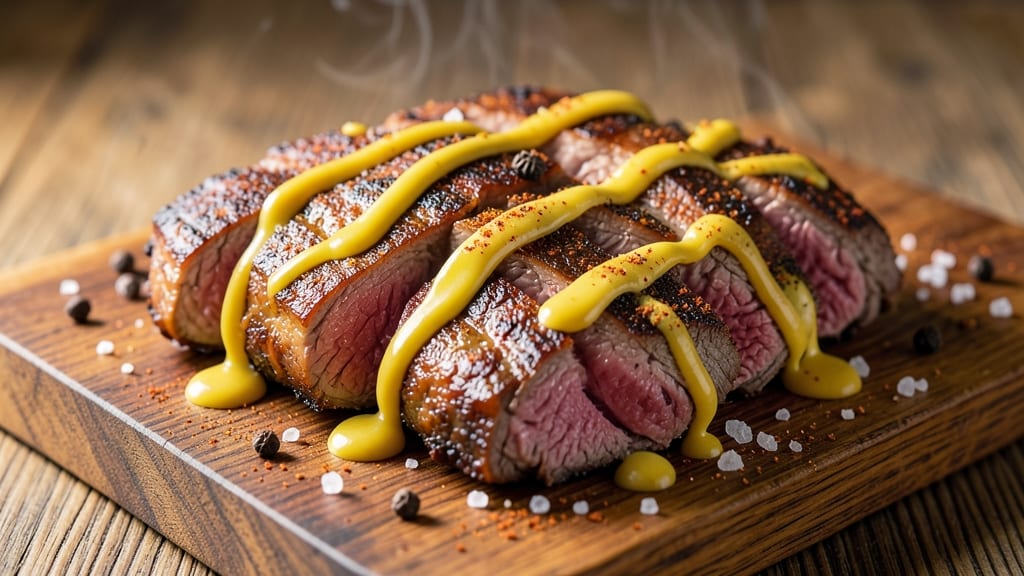
This beef brisket steak recipe transforms tough brisket into shatterproof tenderness with slow-smoked precision—yielding melt-in-your-mouth results every time. The key lies in low-and-slow cooking, where collagen breaks down into rich, juicy flavors that transform even the most stubborn cuts.
I’ve perfected this technique over countless hours in the smoker, ensuring the final product is so tender it practically falls apart at the touch.
This recipe focuses on three critical phases: an overnight dry rub for deep flavor penetration, a controlled smoke at 225°F to render fat and tenderize the meat, and a final high-heat sear to create a caramelized crust.
The result is a brisket steak with a perfect balance of smoky aroma, rich beefy taste, and textural contrast—crispy edges and an interior so tender it requires no knife. No shortcuts here, just a method that rewards your time with restaurant-quality results.
By the time you serve this brisket, your guests will experience layers of flavor—smoky, savory, and slightly sweet from the caramelized exterior. The internal temperature should reach 195°F for maximum tenderness, with a final resting period to redistribute juices.
Pair it with classic sides like buttery mashed potatoes or a tangy coleslaw to complete the meal. This isn’t just dinner; it’s a centerpiece.
Whether you’re hosting a holiday feast or treating yourself to a special meal, this recipe delivers foolproof tenderness that’s worth the wait. The process is straightforward once you understand the science behind it—low heat for long hours, proper resting, and a final sear for that perfect crust.
Let’s get started on creating a brisket steak that will have everyone asking for seconds.
Ingredients for beef brisket steak
Sixteen ingredients. One goal: restaurant-quality brisket steak with melt-in-your-mouth perfection.
| Ingredient | Amount | Notes |
|---|---|---|
| Packer Cut Beef Brisket 🥩 | 4 lb | Whole packer cut, 1-inch thick |
| Yellow Mustard 🍯 | ¼ cup | For rub adhesion |
| Coarse Kosher Salt 🧂 | ½ cup | Diamond Crystal preferred |
| Black Peppercorns 🌶️ | 2 tbsp | Freshly cracked |
| Smoked Paprika 🌶️ | 2 tbsp | High-quality for smoky depth |
| Garlic Powder 🧄 | 1 tbsp | Freshly ground preferred |
| Onion Powder 🧅 | 1 tbsp | For sweet base notes |
| Ground Black Pepper 🌶️ | 1 tbsp | Freshly ground |
| Granulated Sugar 🍯 | 1 tbsp | Brown sugar works too |
| Wood Chips (Hickory or Oak) 🌳 | 4 cups | Soaked 1 hour minimum |
| Beef Tallow or Bacon Fat 🧈 | ½ cup | For extra flavor |
| Apple Cider Vinegar 🍎 | 2 tbsp | For spritzing during smoke |
| Unsalted Butter 🧈 | ½ cup | Cold, cubed for final sear |
| Fresh Thyme Sprigs 🌿 | 4 whole | For aroma during smoke |
The brisket cut is non-negotiable—packer cut with that thick fat cap is your best bet. Local butchers or specialty meat counters often carry it, but if you're at a big-box store, look for the whole packer cut labeled for corned beef (it's the same thing). The fat cap is crucial—it renders down during smoking, basting the meat and adding flavor. Costco usually has it pre-cut, but I prefer buying whole to trim excess fat if needed. For the rub, Diamond Crystal kosher saltOak or hickory are classic, but fruitwoods like cherry add a nice twist.
No smoked paprika? Regular paprika plus a pinch of liquid smoke gets you close, but the flavor won't be as layered. Running short on time? Pre-mix your rub the night before—it's one less thing to do on smoking day. The apple cider vinegar spritz might sound fancy, but it's just a quick spray every hour to keep the bark crispy. No spray bottle? A damp paper towel works in a pinch. For the final sear, butter basting is key—don't skip it. The cold butter cubes melt against the hot meat, creating that perfect caramelized crust. And if you're worried about the brisket drying out, wrap it in butcher paper after the first 4 hours—it traps steam while still letting it breathe.
This brisket is best served immediately after resting, but leftovers reheat beautifully. Wrap tightly in foil and refrigerate for up to 5 days, or freeze for 3 months. For reheating, low and slow is key—275°F in the oven with a splash of beef broth until warmed through. The rub keeps indefinitely in an airtight container, so make extra. I always double it—half for this recipe, half to keep on hand for future smokes. And save those wood chips! Store them in a sealed bag in the freezer for up to 6 months—no need to soak again, just toss them on dry.
Why You'll Love This Recipe
- No-Fuss Prep: I swear by this recipe because it’s three steps—salt, smoke, sear—and zero fussing. The packer cut brisket forgives a lot, so even if I’m distracted (looking at you, laundry piles), it still turns out tender.
- Smoky-Sweet Magic: That yellow mustard and smoked paprika rub? It’s the secret weapon—tangy, deep, and just slightly sweet without trying too hard. One bite and you’ll understand why I keep a jar of each in my pantry.
- Weeknight Hero: Between us, this is my go-to when I need to feed a crowd but don’t want to slave over a dish. Slice it thin, serve it on buns or over mashed potatoes, and suddenly dinner is easy impressive.
- Budget Win: A packer cut brisket stretches further than you’d think, and the ingredients? Basic stuff you already own. Honestly, it’s the kind of recipe that makes me feel like I’m hosting a fancy dinner—without the fancy price tag.
Step-by-step instructions for slow-smoked beef brisket steak
Here's the method I've perfected over years of smoking competitions—guaranteed to deliver melt-in-your-mouth tenderness every time.
Prepare the Brisket with the Dry Rub
Start by trimming the fat cap of the 4 lb packer cut beef brisket down to about ¼-inch thickness using a sharp boning knife. Leave the fat on the edges to protect the meat during smoking. Pat the entire surface completely dry with paper towels—this step is critical for developing that perfect bark later.
In a medium bowl, combine the 0.5 cup coarse kosher salt, 2 tbsp freshly cracked black peppercorns, 2 tbsp smoked paprika, 1 tbsp garlic powder, 1 tbsp onion powder, 1 tbsp freshly ground black pepper, and 1 tbsp granulated sugar. Mix thoroughly until evenly distributed. The sugar helps caramelize the surface while the smoked paprika adds that essential depth of flavor.
Spread the 0.25 cup yellow mustard evenly over the brisket—this helps the rub stick during the long smoke. Press the dry rub mixture firmly into the meat on all sides, including the cavity. Let the seasoned brisket sit at room temperature for 1 hour before smoking. This resting period allows the rub to penetrate and the meat to cook more evenly from edge to center.
Set Up the Smoker for Low and Slow Cooking
Soak the 4 cups wood chips (hickory or oak) in water for at least 1 hour before using. This prevents them from burning and creates better smoke production. Fill your smoker with the soaked wood chips and preheat to 225°F. I prefer using beef tallow or bacon fat in the smoker box for that extra layer of flavor—add the 0.5 cup beef tallow or bacon fat along with the wood chips.
Once the smoker reaches the target temperature and you see clean, blue smoke (not thick white steam), place the brisket fat-side up on the grill grates. The fat will render slowly, basting the meat as it cooks. Close the lid and resist the urge to check on it—every time you open the lid, you add 15-20 minutes to your cook time.
After 2 hours of smoking, check the internal temperature using a meat thermometer. At this point, you'll hit "the stall"—the temperature will stop rising around 165-170°F as moisture evaporates from the meat. This is normal and expected. When you reach this stage, it's time to wrap the brisket.
Wrap and Finish the Brisket
Remove the brisket from the smoker and wrap it tightly in butcher paper (not aluminum foil). The paper allows the bark to develop while helping you power through the stall. Return the wrapped brisket to the smoker and continue cooking until the internal temperature reaches 200-203°F. This typically takes another 4-6 hours, but don't rush it—patience is key to achieving that perfect tenderness.
During the final hour of cooking, spritz the brisket every 30 minutes with a mixture of 2 tbsp apple cider vinegar and 1 cup hot water. This keeps the surface moist and helps develop that beautiful bark. The vinegar also adds a subtle tang that complements the rich beef flavor.
Rest and Slice for Maximum Juiciness
Once the brisket reaches the target internal temperature, remove it from the smoker and let it rest for at least 1 hour, wrapped in the butcher paper and placed in a cooler. This resting period allows the juices to redistribute throughout the meat, ensuring every slice is moist and flavorful. I like to let it rest for closer to 2 hours if possible—this makes a world of difference in the final texture.
After resting, carefully unwrap the brisket and locate the grain direction. You'll see lines running through the meat—these indicate the muscle fibers. Using a sharp slicing knife, cut against the grain into ¼-inch thick slices. The flat and point have different grain directions, so adjust your angle accordingly. Serve immediately while still warm.
Add the Final Flavor Touch
While the brisket rests, prepare the final flavor touch. In a small saucepan, melt the 0.5 cup unsalted butter over low heat. Add the 4 whole fresh thyme sprigs and let them infuse for 1 minute. Remove from heat and let the butter cool slightly. This aromatic butter adds another layer of flavor that complements the smoky brisket perfectly.
To serve, spoon the infused butter over each slice of brisket. The combination of tender, smoky meat with the rich, herbed butter creates a truly restaurant-quality dish. Each bite should deliver that perfect balance of smoky, savory, and slightly sweet flavors that make this brisket truly unforgettable.
Pro Tips For Making Beef Brisket Steak
- Trim the Fat First: Packer cuts come with a thick fat cap—slice that suet off before seasoning. I learned this the hard way when my brisket turned greasy instead of golden. Leave a thin layer for flavor, but don’t let it pool while cooking.
- Salt the Night Before: Coarse kosher salt needs time to penetrate. Toss your brisket with salt, smoked paprika, and cracked peppercorns 12–24 hours ahead—yes, even if you’re impatient like me. It’ll form a crust that actually sticks.
- Mustard as Glue: That yellow mustard isn’t just for flavor—it’s the secret to keeping spices from sliding off. Brush it on after dry-rubbing, then sear. The acid helps the crust form faster and locks in moisture.
- Sear Hot, Then Slow: Start with a screaming-hot pan—this isn’t a simmer. Get deep caramelization on all sides before transferring to the oven. After burning three batches, I finally realized: low and slow only works if the crust is already there.
Wine and beer pairings for this beef brisket steak
Red Wine Classics
A bold Cabernet Sauvignon from Napa Valley is my go-to pairing for brisket—its dark fruit notes and firm tannins stand up to the smoky, rich flavors. Look for a 2018 or newer vintage with 14-15% ABV and 1.5 years of aging to soften the tannins.
I recommend Opus One or Caymus Vineyards for that perfect balance of structure and fruit. The wine's acidity cuts through the fat, while its dark berry flavors complement the caramelized crust. 🍷
Malbec for Bold Lovers
If you prefer something with more body and spice, a Argentinian Malbec delivers deep plum and blackberry notes that mirror the brisket's smoky-sweet profile. Try Catena Zapata Malbec or Trapiche—both offer 14.5% ABV and velvety tannins that pair beautifully with the meat's richness.
The wine's slight earthiness enhances the brisket's bark, while its fruitiness keeps the palate lively. For best results, chill slightly before serving.
Beer Pairings
A smoked porter is a must-try beer pairing—its malty sweetness and subtle woodiness echo the brisket's flavors. Goose Island Smoked Porter or Founders Kentucky Breakfast Stout (with a smoked element) work exceptionally well.
The beer's caramel and coffee notes complement the brisket's depth, while the slight smokiness ties into the dish's profile. Serve at 55-60°F to avoid overpowering the meal. 🍺
Lighter Options
For a lighter option, a dry Riesling from Germany offers crisp acidity that cleanses the palate between bites. Look for Dr. Loosen Blue Slate—its citrus and mineral notes contrast the brisket's richness without competing.
The wine's slight sweetness also balances the smoky flavors, making it a refreshing choice. Serve chilled at 45-50°F for the best experience.
Regional Specialties
In Texas, where brisket reigns supreme, a Texas Hill Country Aglianico is the local favorite. This Italian variety, grown in Texas, offers bold tannins and dark fruit flavors that stand up to the brisket's intensity.
Pair it with a slice of sourdough bread to soak up the juices. For a budget-friendly option, Apulian Primitivo delivers similar depth at a lower price point. 🗺️
Non-Alcoholic Pairings
For those skipping alcohol, a smoked iced tea with lemon and a splash of honey enhances the brisket's flavors without overpowering. Brew a strong black tea with 1 tbsp smoked salt and chill with ice.
The smoky-sweet profile mirrors the brisket's bark, while the acidity cuts through the richness. Garnish with a lemon wedge for brightness.
Nutrition facts
Frequently asked questions
What's the best cut of beef for this brisket steak?
Use a packer cut brisket (whole or flat cut) with a thick fat cap—this is the classic choice for maximum tenderness. The fat renders during smoking, basting the meat and adding flavor. For a 4 lb brisket, look for a piece about 1-inch thick with good marbling. Local butchers or specialty meat counters often carry this cut labeled for corned beef.
Can I cook brisket steak without a smoker?
Use an oven set to 225°F with a water pan for moisture, or try a grill with indirect heat. For oven cooking, wrap the brisket in butcher paper after 2 hours to help it through the stall. A Dutch oven works too—just keep the lid on tight and maintain low heat. The key is patience: expect 5-7 hours total cook time.
Why does my brisket turn out dry?
Overcooking or skipping the resting period are the most common causes. Remove the brisket when it hits 195-203°F (not higher) and let it rest for 1-2 hours before slicing. Also, avoid opening the smoker/oven too often—each peek adds 15-20 minutes to cook time. Wrapping in butcher paper after 2 hours helps retain moisture while developing bark.
How do I know when brisket is done?
Use a meat thermometer inserted into the thickest part—it should read 195-203°F for perfect tenderness. The probe should slide in easily with no resistance. If you don't have a thermometer, the fork test works: pierce the meat—if it falls apart, it's ready. Never judge by time alone! The stall (temp plateau around 165°F) is normal and expected.
Can I make this brisket ahead of time?
Yes! Cook the brisket fully, then refrigerate wrapped in butcher paper for up to 5 days or freeze for 3 months. To reheat, warm in a 275°F oven with a splash of beef broth until internal temp reaches 165°F. For leftovers, slice thinly against the grain and serve with extra infused butter. The flavors actually improve overnight as they meld.