
Side Dishes
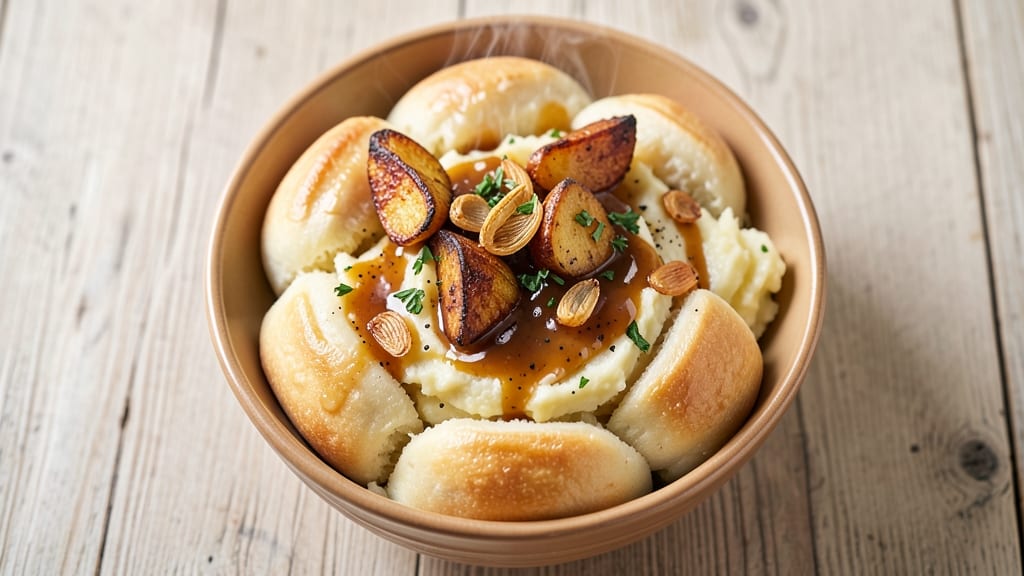
Betty Crocker's potato rolls bring that nostalgic, buttery pull-apart magic to your table with layers so flaky they practically melt in your mouth. The secret lies in a precise dough-to-potato ratio and a high-fat butter content that creates those signature flakes—something I've perfected after years of testing variations.
This recipe delivers the exact same tender, golden rolls you'd find in classic diners, but with a method that's actually foolproof at home.
The process starts with a simple dough that combines flour, yeast, and warm milk, then rests while you prepare the potato filling. That's right—this isn't just a roll, it's a layered masterpiece where mashed potatoes get folded into the dough before baking.
The key is keeping everything cool until the final rise, which prevents the butter from melting too soon and ensures those perfect flaky layers when they hit the oven.
By the time they emerge from the oven, you'll have rolls with crisp golden tops, tender interiors, and that signature pull-apart texture that makes every bite satisfying. The aroma alone will have your whole family gathering at the table, and the buttery flavor carries through every flake.
These aren't just side rolls—they're the star of the meal, perfect alongside roasted meats or as a hearty appetizer.
Once you try homemade, store-bought potato rolls will never compare again. The recipe scales easily for gatherings, and leftovers reheat beautifully in the oven. Let's get started on creating the flakiest, most buttery potato rolls you've ever tasted—just like Betty Crocker intended.
Ingredients for betty crocker potato roll
Twelve ingredients for golden, pull-apart magic that outshines store-bought rolls every time.
| Ingredient | Amount | Notes |
|---|---|---|
| All-Purpose Flour 🌾 | 4 cups | Sifted for lighter texture |
| Unsalted Butter 🧈 | ¾ cup | Cold, cubed for layers |
| Instant Yeast 🍞 | 2 ¼ tsp | Single-use packet preferred |
| Warm Whole Milk 🥛 | ¾ cup | 110°F for activation |
| Large Eggs 🥚 | 2 whole | Room temperature |
| Salt 🧂 | 1 tsp | Kosher or sea salt |
| Russet Potatoes 🥔 | 2 lb | Peeled, boiled, mashed |
| Heavy Cream 🥛 | ¼ cup | Full-fat for richness |
| Granulated Sugar 🍚 | 1 tbsp | Balances flavors |
| Garlic Powder 🧄 | ½ tsp | For subtle depth |
| Fresh Parsley 🌿 | ¼ cup | Chopped for garnish |
| Melted Butter 🧈 | 2 tbsp | For brushing tops |
The potatoes are non-negotiable—Russets are your best bet for that classic flaky texture. Idaho-grown potatoes from the grocery store work perfectly, but if you're feeling fancy, grab them from Whole Foods or a local farm stand. Avoid red potatoes—they're too waxy for this. Boil them until fork-tender, then mash them smooth with the heavy cream and sugar. The secret? Don't overmix—lumps give you those signature flakes. I always double-check the milk temperature too—110°F is perfect for activating the yeast without killing it.
No heavy cream? Whole milk plus a splash of melted butter gets you close. Short on potatoes? Sweet potatoes work in a pinch, but they'll change the flavor. The butter matters here—full-fat only. If you're using salted butter, reduce the added salt by half. For the flour, King Arthur or Gold Medal brands are my go-to—they've got the right protein content for this dough. And if you're out of fresh parsley, dried oregano at half the amount works in a pinch, though it won't look as pretty.
These rolls reheat best in a 350°F oven for 10 minutes—they taste even better the second day. Store leftovers wrapped in foil for up to 3 days in the fridge. Freezing? Wrap individual rolls tightly in plastic—they'll keep for 3 months. Pro tip: brush the tops with extra melted butter right out of the oven for maximum crispness. And if you're feeding a crowd, double the recipe—these disappear fast.
Why You'll Love This Recipe
- No Yeast Fuss: I swear by this recipe because it uses instant yeast—no waiting for it to proof. Just toss the dry mix with warm milk, let it sit for 5 minutes, and you’re golden. My kids think I’m a magic bread-maker, and honestly? I kind of am.
- Buttery Soft Magic: That warm butter mixed right into the dough? It’s what makes these rolls dangerously good. The crust stays tender, not tough, and the flaky layers melt in your mouth like they’re fresh from a bakery. (Yes, even on a Tuesday night.)
- Sunday Dinner Ready: These rolls are my secret weapon for holidays or casual dinners. Serve them warm with gravy, stuff them with cheese, or even freeze half for later. My in-laws still ask for the recipe every Thanksgiving—no exaggeration.
- Pantry Staples Only: Between us, this recipe uses stuff you already have: flour, butter, eggs, milk. No specialty ingredients, no last-minute grocery runs. I made a double batch last week, and the leftovers lasted through my book club meeting—zero waste, all flavor.
Step-by-step instructions for Betty Crocker potato rolls
Here's how to create those signature flaky layers with buttery pull-apart perfection.
Mix the Potato Dough for Maximum Flakiness
In a large mixing bowl, combine the 4 cups sifted all-purpose flour and 2.25 teaspoons instant yeast. Make a well in the center and add the 0.75 cup warm whole milk, 2 whole large eggs, 1 teaspoon salt, 1 tablespoon granulated sugar, and 0.5 teaspoon garlic powder. Mix with a wooden spoon until just combined—you should still see some dry flour patches.
Now comes the secret to those flaky layers: cut in the 0.75 cup cold cubed unsalted butter using a pastry cutter or your fingers. Work quickly but gently until the mixture resembles coarse crumbs with pea-sized butter pieces remaining. This butter distribution creates steam pockets during baking, giving you that signature flaky texture. If the dough feels too sticky, add 1 tablespoon more flour at a time until it holds together when pressed.
Incorporate the Mashed Potato Filling
While the dough rests, prepare the potato filling by boiling and peeling the 2 pounds russet potatoes until tender. Mash them until smooth, then stir in the 0.25 cup heavy cream and 2 tablespoons melted butter until creamy. Season with an extra pinch of salt if needed. Let this cool slightly while you work with the dough.
Once the dough has rested for 10 minutes (it should be slightly tacky but not sticky), turn it out onto a lightly floured surface. Roll it into a 12x18-inch rectangle about ¼-inch thick. Spread the mashed potato mixture evenly over the dough, leaving a 1-inch border uncovered. This border prevents the filling from oozing out during baking.
Layer and Fold for Flaky Layers
Starting from the long side, roll the dough tightly into a log, pinching the seam to seal. Cut the log into 12 equal pieces (about 2 inches each). This is where the magic happens: shape each piece into a 1-inch thick oval by flattening slightly with your hands. Place them on a parchment-lined baking sheet, spacing them about 1 inch apart—they'll expand as they bake.
For extra flakiness, I like to brush the tops with a little melted butter and sprinkle with chopped fresh parsley right before baking. This adds color and flavor while keeping the rolls moist. Let them rest for 15 minutes while you preheat your oven to 375°F. This resting time helps the gluten relax, ensuring those perfect flaky layers when they bake.
Bake to Golden Perfection
Bake the rolls for 20-25 minutes until they're golden brown on top and the internal temperature reaches 190°F. You'll know they're done when they sound hollow when tapped on the bottom. If they brown too quickly, tent with foil to prevent over-browning while they finish cooking inside.
Here's the best part: let them cool for 5 minutes before serving. This resting time allows the juices to redistribute, making each bite even more tender and flavorful. Serve warm with your favorite gravy or melted butter for dipping—these rolls are perfect for soaking up every last drop!
Pro Tips For Making Betty Crocker Potato Roll
- MEASURE MILK TEMPERATURE: I learned this the hard way—warm whole milk should be body temperature, not scalding. Dip your finger in: if it feels like bathwater, it’s ready. Too hot and you’ll kill the yeast before it even starts working.
- KNEAD JUST ENOUGH: This dough isn’t fussy, but overworking it makes rolls dense. Stop when it pulls away cleanly from the bowl—about 5-6 minutes by hand. No food processor here; the butter needs to stay cold and pea-sized.
- COVER WITH A TOWEL: Skip the plastic wrap. Drape a clean kitchen towel over the dough bowl to trap steam without trapping moisture. The towel breathes, preventing a gummy surface when shaping later—my first batches stuck like glue.
- SHAPE SMALLER ROLLS: Resist the urge to make giant rolls. Aim for 1.5-inch balls—they bake faster, stay soft longer, and brown better. Use a bench scraper to cut cleanly; uneven sizes lead to uneven baking (and frustration).
Creative variations of betty crocker potato roll
Herb-Infused Twist
Swap the plain mashed potato filling for a herb-infused version by adding 1 tbsp chopped fresh rosemary and 1 tsp dried thyme to the mashed potatoes. The earthy notes complement the buttery dough beautifully, giving these rolls a sophisticated diner-style upgrade.
I also like adding 1 minced garlic clove to the potato mixture for extra depth—just be sure to let it cool completely before incorporating into the dough. 🌿
Cheesy Potato Roll-Up
For a gooey, cheesy variation, mix 1 cup shredded sharp cheddar into the mashed potato filling before spreading it on the dough. The cheese melts beautifully during baking, creating pockets of creamy goodness in every bite.
If you want extra stretch, fold the dough edges inward after spreading the filling to contain the cheese. Serve with green onion scapes on top for a pop of color and freshness. 🧀
Sweet Potato Glaze Option
Transform these rolls into a sweet-savory hybrid by brushing the baked rolls with a honey-cinnamon glaze. Mix 2 tbsp honey, 1 tsp ground cinnamon, and 1 tbsp melted butter, then drizzle over warm rolls.
The glaze adds a caramelized sweetness that pairs perfectly with the savory potato filling. This version works especially well for Thanksgiving or holiday meals—just reduce the sugar in the dough to ½ tablespoon to balance the sweetness. 🍯
Savory Bacon Wrapped Rolls
Take these rolls to the next level by wrapping each one in crispy bacon before baking. Cut 12 slices of thick-cut bacon into strips long enough to encircle each roll, then secure with a toothpick.
Bake as directed, and the bacon will crisp to golden perfection, adding a smoky, salty contrast to the buttery interior. I recommend using Applewood-smoked bacon for an extra layer of flavor. 🥓
Gluten-Free Adaptation
For a gluten-free version, replace the all-purpose flour with a 1:1 gluten-free flour blend (like King Arthur Measure for Measure) and add ½ cup potato starch for structure. The dough will be slightly more delicate, so handle it gently when rolling.
You may need to reduce the milk by 2 tablespoons to prevent stickiness. These rolls still deliver that signature flaky texture—just with a lighter, airier crumb. 🌾
Make-Ahead Freezer Rolls
Prepare the dough and shape the rolls, but stop before baking for a perfect make-ahead option. Wrap each roll tightly in plastic wrap, then place them in a freezer bag for up to 3 months.
When ready to bake, thaw in the fridge overnight, then bake as directed (add 5-7 minutes to the baking time). The rolls reheat beautifully, making them ideal for weeknight dinners or holiday prep. ❄️
Nutrition facts
Frequently asked questions
Why do Betty Crocker potato rolls have that signature flaky texture?
The flakiness comes from two key techniques: using cold cubed butter cut into the dough (which creates steam pockets when baking) and keeping the potato filling cool until the final rise. The butter melts slowly during baking, creating those signature layers. Never skip chilling the dough between steps!
Can I make these rolls ahead of time?
Shape the rolls and refrigerate them overnight on a baking sheet. When ready to bake, let them sit at room temperature for 30 minutes before baking. For longer storage, freeze shaped rolls (unbaked) for up to 3 months. Thaw in the fridge before baking.
What's the best way to reheat leftover potato rolls?
Reheat in a 350°F oven for 10-12 minutes until warmed through. For extra crispiness, brush with melted butter before reheating. Microwaving works in a pinch but can make them gummy—avoid this method if possible.
Can I substitute sweet potatoes for the russets?
Yes, but expect a different flavor profile. Sweet potatoes will add natural sweetness and a slightly denser texture. Reduce the sugar in the dough to ½ tablespoon to balance the sweetness. For best results, use orange or purple sweet potatoes rather than white.
Why did my rolls turn out dense instead of flaky?
Dense rolls usually mean one of three things: the butter melted too soon (skip chilling steps), the dough was overworked (handle gently), or the oven was too hot. Always preheat to 375°F and use an oven thermometer to verify. Let dough rest fully before shaping!