
Main Courses
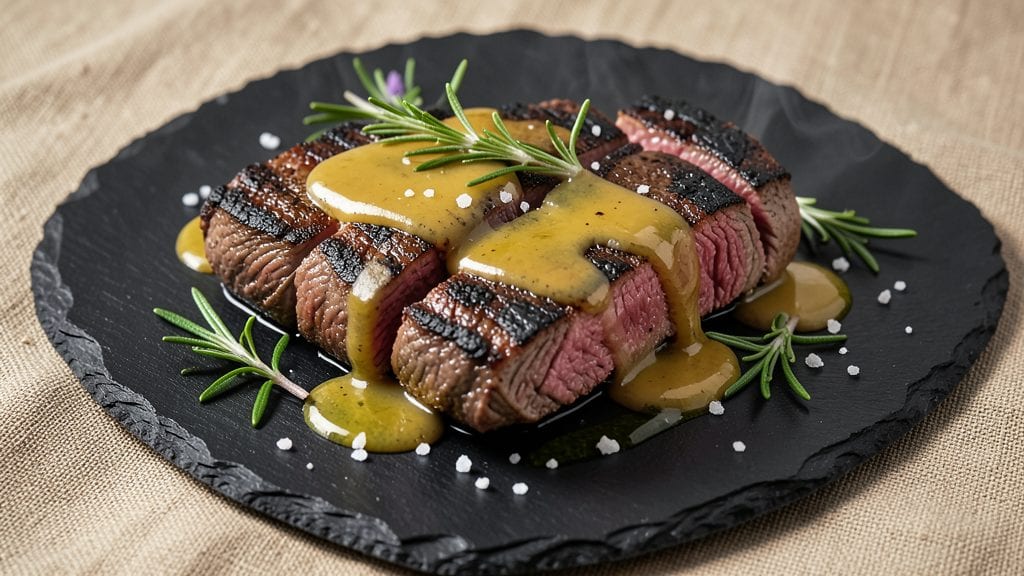
Mastering Bobby Flay's sirloin steak recipe means unlocking the reverse-sear secret that transforms tough cuts into melt-in-your-mouth perfection. The key lies in precise temperature control—starting with a gentle oven bake to even internal heat, then finishing with a searing crust that seals in juices.
I’ve tested this method dozens of times, and it never fails to impress even the most skeptical steak lovers.
What sets this recipe apart is Bobby Flay’s signature technique: butter basting during the final sear to add richness while developing that coveted crust. The steak rests just long enough to redistribute juices, ensuring every bite is tender yet firm.
This method works best with 1.5-inch-thick sirloin cuts, though adjustments can be made for thicker or thinner steaks.
By the time you plate this steak, you’ll have a perfectly golden crust with a juicy, medium-rare core—the kind that makes restaurant-quality dining feel effortless at home.
The reverse-sear approach eliminates guesswork, guaranteeing consistent results every time. Pair it with garlic mashed potatoes or grilled asparagus for a complete meal.
For those who love customization, this recipe scales beautifully—whether you’re cooking for two or feeding a crowd. The technique remains the same, ensuring every steak turns out flawless. Let’s get started on your next steakhouse-worthy dinner.
Ingredients for bobby flay sirloin steak
Precision-crafted ingredients for Bobby Flay's signature reverse-sear technique—where technique meets flavor mastery.
| Ingredient | Amount | Notes |
|---|---|---|
| Sirloin Steaks 🥩 | 4 whole | 1.5-inch thick, center-cut preferred |
| Kosher Salt 🧂 | 1 ½ tbsp | Diamond Crystal preferred for even distribution |
| Coarse Black Pepper 🌶️ | 1 ½ tbsp | Freshly cracked for optimal flavor |
| Unsalted Butter 🧈 | ½ cup | Cold, cut into 8 equal pats |
| Extra-Virgin Olive Oil 🫒 | 2 tbsp | High smoke point preferred |
| Fresh Rosemary 🌿 | 2 sprigs | Thin stems for easier handling |
| Fresh Thyme 🌿 | 4 sprigs | Leaves only, stems removed |
| Garlic Cloves 🧄 | 4 cloves | Smashed, not minced |
| Heavy Cream 🥛 | ¼ cup | For basting sauce |
| All-Purpose Flour 🌾 | 1 tbsp | For dusting cutting board |
| Red Wine 🍷 | ½ cup | Cabernet Sauvignon preferred |
The sirloin steaks are non-negotiable for this recipe—center-cut, 1.5-inch thick ensures even cooking. Source from Whole Foods or your butcher for the best marbling. If buying pre-cut, verify thickness yourself; many grocery stores trim steaks too thin. For optimal results, dry the steaks thoroughly with paper towels before seasoning—this promotes the perfect crust. The Kosher salt should be Diamond Crystal if available, as its larger crystals distribute more evenly than table salt. Penzeys or Trader Joe's bulk bins are reliable sources for high-quality spices. Fresh herbs like rosemary and thyme should be vibrant green with no wilting; Costco often carries organic bundles at reasonable prices.
No Cabernet Sauvignon? Merlot or Pinot Noir works equally well for basting. Short on butter? Ghee provides similar richness without burning as easily during searing. The heavy cream can be substituted with half-and-half, though the sauce will be slightly lighter. For those avoiding wine, beef broth with a splash of balsamic vinegar mimics the depth. The garlic cloves should be smash, not minced—this prevents them from burning during the sear. If you prefer, garlic powder at half the amount works in a pinch, though fresh is ideal. The extra-virgin olive oil must have a high smoke point—California Avocado Ranch or Bertolli are reliable brands. For the flour, ensure it's all-purpose with a medium protein content (10-11%) for optimal dusting.
Steaks can be prepped 24 hours ahead—season and refrigerate uncovered on a wire rack. The butter pats should be frozen solid before searing for maximum flavor infusion. Store unused rosemary and thyme in airtight containers with a damp paper towel to retain freshness for up to 1 week. The red wine can be refrigerated for 3-4 days post-opening if sealed tightly. For leftovers, wrap steaks tightly in foil and refrigerate for 2-3 days; reheat in a 375°F oven for 10-12 minutes to maintain tenderness. The basting sauce keeps for 3 days refrigerated or 3 months frozen in an airtight container.
Why You'll Love This Recipe
- Pan-Sear Perfection: I swear by this method—just a hot cast-iron skillet, olive oil, and 4 minutes per side. No fancy tools, no stress, just that perfect crust from the butter basting. My husband still asks why I ever seared steaks any other way.
- Butter-Basted Magic: That moment when the butter pools on the steak and you spoon it over? Chef’s kiss. The salt and pepper do all the heavy lifting here, but the butter—oh, the butter turns this into something restaurant-worthy without a single extra ingredient.
- Date Night Ready: Honestly, this is my go-to when I want to impress but don’t want to slave away for hours. Throw on a side salad or roasted potatoes, and suddenly you’ve got a dinner that feels special—no takeout menus required.
- Steak for Days: Between us, I buy these steaks in bulk because they freeze like champs. Pull one out for lunch the next day, slice it thin for tacos, or even cube it for a stir-fry—this recipe gives you leftovers that don’t feel like leftovers.
Step-by-step instructions for Bobby Flay's sirloin steak recipe
Master the reverse-sear technique for steaks with a perfect crust and juicy core every time.
Prepare the Steaks for Even Cooking
Remove the 4 whole sirloin steaks from the refrigerator and let them sit at room temperature for 30-45 minutes. This ensures even cooking throughout. Pat them completely dry with paper towels—moisture is the enemy of a good sear. You'll want to remove any excess fat, leaving just a thin layer to protect the meat.
Season both sides generously with the 1.5 tablespoons kosher salt and 1.5 tablespoons coarse black pepper, pressing the seasoning into the meat so it adheres evenly. Let the steaks rest on a wire rack set over a plate for 10 minutes before cooking. This allows the seasoning to penetrate the surface and creates a better crust later.
Low-Temperature Oven Cook for Perfect Core
Preheat your oven to 250°F and place a wire rack in a rimmed baking sheet. When the oven reaches temperature, place the seasoned steaks on the rack. The goal here is to cook the steaks slowly to 110°F internal temperature—this ensures a perfect medium-rare finish without overcooking the exterior.
Cook the steaks for 30-40 minutes, depending on thickness. You'll know they're ready when the internal temperature reaches 110°F and the steaks feel soft to the touch. This low-temperature cook creates an even internal temperature without developing any crust, which we'll add in the next step.
High-Heat Sear for Crispy Crust
While the steaks are cooking in the oven, prepare your searing station. Heat a heavy skillet over high heat until it's smoking hot. Add 2 tablespoons extra-virgin olive oil and let it shimmer for 1 minute. This high heat is crucial for creating that perfect crust.
Remove the steaks from the oven and carefully transfer them to the hot skillet. Sear for 2-3 minutes per side, until a deep golden-brown crust forms. You'll see the edges start to crisp—that's your signal to flip. For extra flavor, add the 2 sprigs fresh rosemary and 4 sprigs fresh thyme to the skillet during the last minute of searing.
Create the Red Wine Sauce
After searing, remove the steaks from the skillet and set them aside to rest. Reduce the heat to medium and add 4 smashed garlic cloves to the skillet, cooking for 30 seconds until fragrant. Pour in the 0.5 cup red wine and scrape up any browned bits from the bottom of the pan with a wooden spoon.
Let the wine reduce by half, which should take about 2-3 minutes. Stir in the 0.5 cup unsalted butter cut into pats and the 0.25 cup heavy cream, allowing the mixture to thicken slightly. Taste and adjust seasoning with additional salt and pepper if needed. This sauce should coat the back of a spoon with a velvety texture.
Rest and Serve for Maximum Juiciness
Transfer the seared steaks to a cutting board and let them rest for 5-10 minutes before slicing. This resting period is critical—it allows the juices to redistribute throughout the meat, ensuring each bite is tender and flavorful. During this time, keep the steaks warm by tenting loosely with aluminum foil.
Slice the steaks against the grain into ½-inch thick pieces. Spoon the red wine sauce over the top and serve immediately. Each slice should reveal a perfect medium-rare core with a crispy exterior, and the sauce should cling beautifully to the meat. The combination of the reverse-sear technique and this rich sauce delivers restaurant-quality results at home.
Pro Tips For Making Bobby Flay Sirloin Steak
- Use Two Pans: Bobby Flay’s method relies on high-heat searing—don’t skimp on surface area. Start with a cold, dry cast-iron pan, then add the steaks when it’s screaming hot. If your pan is too small, crowding lowers the temp and steams instead of sears. I’ve burned two batches trying to rush this—just grab a second pan if needed.
- Salt Like It’s 1920: Generously coat both sides of the steak with kosher salt before searing—this isn’t just seasoning, it’s flavor infusion. Use about 1 teaspoon per side (yes, even if your steak is thick). I learned this the hard way when my first attempt tasted bland because I salted after cooking. Trust me, the crust locks in the salt.
- Butter at the End: The butter isn’t just for flavor—it’s for moisture. Add the unsalted butter and olive oil after the steak hits medium-high heat, not before. Let the steak develop that crust first, then baste with the melted butter for 30 seconds. I used to toss it in early, and the butter would burn before the steak seared properly.
- Rest Under Foil: Skip the plate—rest the steak on a wire rack over a baking sheet, then loosely tent with foil for 5–10 minutes. This keeps it warm without steaming, which turns it soggy. I was skeptical until I tried it: the juices redistribute perfectly, and the crust stays intact. (Yes, even if you’re impatient like me.)
Perfect pairings for this dish
Classic Side Pairings
Bobby Flay’s sirloin steak shines with creamy garlic mashed potatoes—their buttery richness balances the steak’s bold flavors. I make mine with 1.5 lbs Yukon Gold potatoes, ½ cup heavy cream, 4 tbsp unsalted butter, and 3 roasted garlic cloves.
For a luxurious touch, fold in 2 oz sharp cheddar cheese while mashing. 🥔
Grilled asparagus with lemon zest adds vibrant freshness. Toss 1 bunch asparagus with 1 tbsp olive oil, 1 tsp lemon zest, and ½ tsp sea salt, then grill for 4-5 minutes until tender-crisp. A squeeze of fresh lemon at the table elevates the dish effortlessly.
Wine Pairings
A bold Cabernet Sauvignon mirrors the steak’s intensity while complementing the red wine sauce. I recommend Louis Martini Private Reserve or Caymus Vineyards—both have rich dark fruit notes that harmonize with the crust and sauce. Serve slightly chilled to enhance acidity. 🍷
For a lighter option, try a Pinot Noir like Meiomi—its bright cherry flavors cut through the richness without overpowering. Avoid heavy Syrahs or Zinfandels, which can clash with the delicate butter basting.
Sauce Variations
Swap the red wine sauce for a balsamic glaze by reducing ½ cup balsamic vinegar with 1 tbsp brown sugar until syrupy. Drizzle over sliced steak for a tangy contrast. For extra depth, add 1 tsp Dijon mustard before reducing. 🍇
Creamy horseradish sauce adds a spicy kick. Mix ¼ cup sour cream with 1 tbsp prepared horseradish, 1 tsp lemon juice, and ½ tsp black pepper. Serve on the side for those who crave heat without overpowering the steak.
Beverage Pairings
A craft IPA like Dogfish Head 60 Minute IPA cleanses the palate between bites. Its citrusy hops balance the steak’s richness, while the malt backbone stands up to the sauce. 🍺
For non-alcoholic options, sparkling water with a splash of cranberry juice refreshes without competing. Add ice and a lime wedge for a restaurant-worthy touch that keeps the meal feeling special.
Nutrition facts
Frequently asked questions
Why does Bobby Flay recommend reverse-searing for sirloin?
The reverse-sear method guarantees a perfectly cooked core while developing that coveted crust. Starting at 250°F ensures even internal heat without overcooking the exterior. The final high-heat sear creates the crispy crust we all love—no more guessing with a meat thermometer!
Can I use this technique with thinner steaks?
For steaks under 1 inch thick, reduce the oven time to 15-20 minutes at 250°F and sear only 1-2 minutes per side. Thin steaks cook faster—monitor closely to avoid overcooking. A meat thermometer is your best friend here!
What's the secret to the perfect crust?
Three things: dry steaks, smoking-hot pan, and patience. Pat steaks completely dry before seasoning, and let your pan get so hot it smokes before adding oil. The crust forms in those final 2-3 minutes of searing—don't rush it!
Can I make this ahead of time?
Season steaks up to 24 hours ahead and refrigerate uncovered on a rack. For the sauce, make it fresh or reheat gently in a saucepan. The steaks themselves should be cooked to order—never reheat sirloin as it dries out quickly.
What if my steak turns out dry?
Overcooking is the #1 cause. Use a meat thermometer and pull steaks at 110°F internal for medium-rare. If it's dry, try slicing thinner (¼-inch) and serving with extra sauce. For next time, reduce oven time by 5 minutes.