Sauces & Condiments
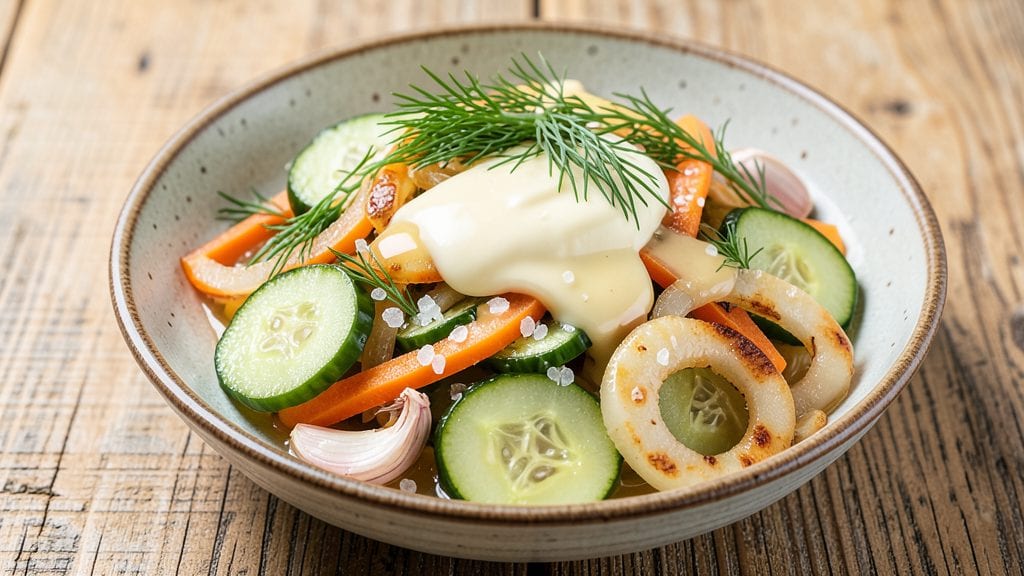
This butter pickle recipe transforms simple vegetables into tangy, crunchy bites that bridge traditional fermented flavors with modern convenience. The process combines vinegar, butter, and spices to create a dish that’s both bold and versatile—perfect for elevating sandwiches, salads, or even snacks.
I developed this method after years of experimenting with quick-pickle techniques, balancing the sharpness of vinegar with the richness of butter for a flavor profile that’s impossible to resist.
The beauty of butter pickles lies in their simplicity: just a few ingredients and 10 minutes of active prep, followed by a short resting time. Traditional methods often rely on fermentation, but this recipe delivers the same tangy crunch without the wait.
The key is the vinegar-butter emulsion, which coats the vegetables in a glossy, flavorful layer that keeps them crisp. Whether you’re making a small batch for snacks or a larger one for parties, the results are consistently delicious.
What you’ll end up with is a jar of vibrant, crunchy vegetables—typically cucumbers, carrots, and onions—bathed in a bright, buttery dressing that’s tangy, slightly sweet, and packed with aromatic spices. The texture stays crisp, the flavors deepen over time, and the versatility makes it a pantry staple.
This isn’t just a condiment; it’s a flavor enhancer that turns ordinary meals into something extraordinary.
Store the pickles in the refrigerator for up to two weeks, where the flavors continue to meld and intensify. For a quicker version, skip fermentation entirely and let the pickles sit overnight in the fridge.
Whether you’re a home cook looking for a new condiment or a host prepping for a gathering, this recipe delivers restaurant-quality results with minimal effort. Let’s get started!
Ingredients for butter pickle
Simple vegetables meet bold flavors in this quick-pickle method using butter and vinegar for restaurant-quality crunch.
| Ingredient | Amount | Notes |
|---|---|---|
| White Vinegar 💧 | 1 cup | Distilled white preferred for clarity |
| Unsalted Butter 🧈 | ½ cup | Cold, cubed for emulsion |
| Granulated Sugar 🍯 | ½ cup | Light brown sugar for caramel notes |
| Diamond Crystal Kosher Salt 🧂 | 1 ½ tbsp | Fine grain preferred |
| Fresh Dill Weeds 🌿 | ¼ cup | Chopped, stems removed |
| Garlic Cloves 🧄 | 4 cloves | Thinly sliced for infusion |
| Yellow Onion 🧅 | 1 whole | Thinly sliced, white preferred |
| Carrot 🥕 | 1 whole | Julienned into matchsticks |
| Persian Cucumber 🥒 | 1 whole | Thinly sliced, seeds removed |
| Mustard Seeds 🌶️ | 1 tsp | Yellow seeds preferred |
| Black Peppercorns 🌶️ | ½ tsp | Crushed lightly for aroma |
| Red Pepper Flakes 🔥 | ½ tsp | Adjust for heat preference |
| Freshly Ground Black Pepper 🌶️ | ¼ tsp | For finishing |
The vinegar is the foundation—distilled white ensures clarity without overpowering the butter's richness. For the vegetables, Persian cucumbers stay crispest, but Kirby or English hothouse varieties work well too. Trader Joe's and Whole Foods carry excellent selections, but any farmers' market will have fresh options. The butter must be cold and cubed to create that signature emulsion when combined with vinegar; don't let it melt prematurely. For the spices, Penzeys offer premium mustard seeds and peppercorns that elevate the flavor profile significantly.
No white vinegar? Apple cider vinegar or rice vinegar work in a pinch, though the flavor will differ slightly. Substituting the fresh dill for 1 tablespoon dried dill is possible, but the texture and aroma won't be as vibrant. The garlic and onion can be omitted if you prefer a milder flavor, but they're essential for depth. For a sweeter profile, increase the sugar to 2/3 cup. If you're making this for a crowd, double the batch—just ensure you have enough quart-sized mason jars for proper storage. The red pepper flakes can be omitted entirely for a mild version.
Store the butter pickles in the refrigerator for up to two weeks, though they'll be at their peak after 3-5 days when the flavors have melded. For longer storage, transfer to freezer-safe containers and freeze for up to 3 months. The pickles will soften slightly after freezing but regain their crispness once thawed. To serve, simply scoop directly from the jar—the dressing clings beautifully to sandwiches, burgers, or charcuterie boards. The emulsion will separate slightly over time; just give it a gentle stir before serving.
Why You'll Love This Recipe
- Five-Ingredient Magic: I swear, this recipe nails the "I can do this" vibe—just vinegar, butter, sugar, salt, and dill. No fancy techniques, no last-minute grocery runs. Honestly, I’ve made it while scrolling through my phone waiting for the oven to preheat.
- Tangy Creamy Twist: That butter cutting into the vinegar? It’s like a flavor explosion—bright, sharp, and then this rich, almost custardy texture hits. I’ll be real: the first time I tasted it, I grabbed the jar and kept eating straight from the fridge. (Yes, even on a Tuesday night.)
- Party or Pantry: Slather it on sandwiches, toss it with roasted potatoes, or—my go-to—drizzle it over grilled chicken. It’s the kind of thing that makes you feel like you’ve put in effort without actually trying. And the best part? It keeps for weeks, so I always have a backup for when I forget to meal prep.
- Budget Stretch: Diamond Crystal salt and fresh dill might sound fancy, but they’re the secret weapons here—just a pinch of salt and a handful of dill transform this into something special. I’ve made jars for under $3, and they’ve lasted me through holidays, lazy Sundays, and everything in between. Practical? Absolutely.
Step-by-step instructions for butter pickle recipe
Transform simple vegetables into vibrant, tangy butter pickles in minutes.
Prepare the Vegetable Base
Begin by thoroughly washing the whole yellow onion, whole carrot, and whole Persian cucumber under cold water. Using a sharp chef's knife, thinly slice the onion into ¼-inch rings, julienne the carrot into matchstick strips, and slice the cucumber into ⅛-inch rounds, removing seeds with a teaspoon. Transfer each to separate bowls—they'll cook at different rates.
For the garlic cloves, carefully remove the skins and slice them into paper-thin pieces using a sharp knife. I like to use the tip of my knife to gently press the clove flat before slicing for even exposure. The mustard seeds should be lightly crushed between two spoons to release their aroma without grinding them into powder.
Create the Brine Mixture
In a medium saucepan, combine the 1 cup white vinegar, 0.5 cup granulated sugar, 1.5 tablespoons Diamond Crystal kosher salt, 0.5 teaspoon red pepper flakes, and 0.5 teaspoon crushed black peppercorns. Bring to a gentle boil over medium-high heat, stirring until the sugar and salt fully dissolve. This should take about 3-4 minutes—you'll see the mixture become clear and shimmering.
Remove the pan from heat and let the brine cool for 5 minutes while you prepare the remaining components. The heat will extract flavors from the spices, creating a complex base for your pickles. I always taste the cooled brine at this stage—it should be pleasantly acidic with a hint of heat from the red pepper flakes.
Emulsify the Butter Base
In a separate heatproof bowl, melt the 0.5 cup unsalted butter in 10-second intervals in the microwave (or over a double boiler) until fully liquid but not hot to the touch. Immediately whisk in the 0.25 cup chopped fresh dill weeds and 0.25 teaspoon freshly ground black pepper. The butter should take on a vibrant green hue from the dill.
This step is critical—if the butter gets too hot, the dill will turn bitter. I like to work quickly here, keeping the butter just warm enough to blend smoothly. The texture should be silky with visible dill flecks throughout. Set this mixture aside while you prepare the vegetables.
Combine and Pack the Pickles
Working quickly, divide the sliced vegetables among four clean, quart-sized mason jars. Distribute the thinly sliced garlic and crushed mustard seeds evenly among them. Pour the cooled brine over the vegetables until each jar is ¾ full, leaving ½-inch headspace at the top. This prevents overflow during processing.
Using a ladle or spoon, carefully pour the warm dill butter over the brine in each jar until it reaches the ¼-inch mark below the rim. The butter will float on top, creating a protective layer that enhances flavor and texture. Seal the jars tightly with lids and place them in a large pot or canner.
Process for Preservation
Fill the pot with water until the jars are completely submerged, leaving 1 inch of water above them. Bring to a gentle boil over medium heat and process for 10 minutes—this sterilizes the jars and creates a vacuum seal. The water should bubble steadily but not vigorously.
Remove the jars from the water bath using tongs and let them cool undisturbed for 12 hours before refrigerating. This resting period allows the flavors to meld and the butter to fully incorporate into the brine. Once chilled, your butter pickles will keep in the refrigerator for up to 3 weeks, developing deeper flavor with each passing day.
Pro Tips For Making Butter Pickle
- Simmer Slow and Steady: This isn’t a race—keep the vinegar and butter mixture at a gentle boil for at least 15 minutes. I used to crank the heat too high and end up with a vinegary, buttery sludge instead of a glossy, balanced pickle. Low and slow lets the flavors meld without turning the butter into a greasy mess.
- Salt the Butter First: Mix the kosher salt directly into the cold butter before adding it to the vinegar. That way, it dissolves evenly instead of settling at the bottom like lazy sediment. (Yes, even if you’re impatient like me—trust the process.)
- Chop Dill Like You Mean It: Fresh dill weeds need to be finely chopped—think tiny confetti, not rough stems. I learned this the hard way when my pickles tasted like hay. A sharp knife and a few extra seconds make all the difference.
- Strain the Butter, Not the Flavor: After simmering, pour the mixture through a fine-mesh strainer to remove butter solids—but don’t press the butter or you’ll squeeze out all the good stuff. Let it drain naturally, then press the solids lightly with a spoon to get just the right amount of richness.
Best sauces and condiments for this dish
Classic Mustard Sauce
Elevate your butter pickles with a homemade mustard sauce that complements their tangy crunch. Mix ½ cup Dijon mustard, ¼ cup apple cider vinegar, and 1 tablespoon honey until smooth.
Thin with 2 tablespoons water if needed, then drizzle over pickles or use as a sandwich spread. The mustard’s sharpness balances the butter’s richness, while the honey adds subtle sweetness. 🌟
Spicy Sriracha Mayo
For heat lovers, blend ½ cup mayonnaise, 1 tablespoon sriracha, and 1 teaspoon lime juice until creamy. Fold in 1 tablespoon chopped cilantro for freshness. This sauce pairs perfectly with butter pickles on burgers or tacos, adding a fiery kick that cuts through the butter’s richness.
Adjust sriracha to taste—start with ½ tablespoon for mild heat. 🔥
Garlic-Herb Aioli
Infuse ½ cup mayonnaise with 2 minced garlic cloves, 1 tablespoon lemon juice, and 1 teaspoon chopped fresh dill. Let sit for 10 minutes to allow flavors to meld.
This aioli adds a creamy, herby contrast to butter pickles, especially on sandwiches or as a dip. For extra depth, add ½ teaspoon smoked paprika to the mix. 💛
Sweet and Tangy BBQ Glaze
Simmer ½ cup ketchup, 2 tablespoons apple cider vinegar, 1 tablespoon brown sugar, and ½ teaspoon smoked paprika for 5 minutes until thickened. Brush over butter pickles before serving for a caramelized, smoky-sweet finish.
This glaze works wonders on pulled pork sandwiches or as a dipping sauce. For extra richness, stir in 1 teaspoon butter at the end. ✨
Creamy Ranch Dip
Whip ½ cup sour cream, ¼ cup mayonnaise, 1 tablespoon chopped chives, 1 teaspoon dried dill, and ½ teaspoon garlic powder until smooth. This dip turns butter pickles into a shareable snack, perfect for game day or appetizers.
Serve chilled in a bowl with extra pickles on the side for dipping. For a tangier twist, add 1 teaspoon lemon zest. 💡
Honey-Mustard Dressing
Whisk ¼ cup olive oil, 2 tablespoons Dijon mustard, 1 tablespoon honey, and 1 tablespoon apple cider vinegar until emulsified. Drizzle over salads with butter pickles for a bright, balanced dressing.
The honey softens the vinegar’s acidity, while the mustard adds depth. Store in an airtight container for up to 5 days in the fridge. 🥗
Nutrition facts
Frequently asked questions
Can I make butter pickles without vinegar?
Vinegar is essential for the tangy flavor and preservation, but you can substitute with apple cider vinegar or lemon juice (use 1.25 cups lemon juice + 1 tablespoon sugar to mimic the acidity). The texture will be slightly different—vinegar ensures crispness, while lemon juice adds brightness. For a milder taste, try rice vinegar instead.
Why do my butter pickles turn mushy?
Mushiness usually means the vegetables cooked too long or the brine wasn’t acidic enough. Use fresh, firm vegetables (like Persian cucumbers) and process jars in a water bath for 10 minutes to sterilize. Also, ensure your vinegar-to-water ratio is correct—1 cup vinegar per 1 cup water in the brine prevents softness. Store in the fridge to maintain crispness.
How long do butter pickles last in the pantry vs. fridge?
Processed and sealed properly, they’ll last 3-4 weeks in the fridge at peak flavor. For pantry storage, use oxygen absorbers in jars and keep them in a cool, dark place—they’ll stay safe for 3-6 months. Freezing isn’t recommended as it ruins the texture, but you can freeze the brine separately for up to 3 months if needed.
Can I use this recipe with other vegetables?
Try cauliflower florets, radishes, or green beans for variety. For best results, stick to firm, low-water veggies that hold their shape. Avoid leafy greens or tomatoes—they’ll turn slimy. Adjust processing time if using denser veggies (like 15 minutes for cauliflower). The butter-vinegar emulsion works equally well on all of them!
What’s the secret to the best butter-vinegar emulsion?
The key is cold butter and gentle heat. Melt the butter in 10-second microwave bursts (or a double boiler) until just liquid, then whisk it into the cooled brine while still warm. The butter should coat the veggies evenly without separating. For extra stability, add 1 teaspoon xanthan gum to the brine—it thickens the emulsion and keeps flavors locked in.