
Main Courses
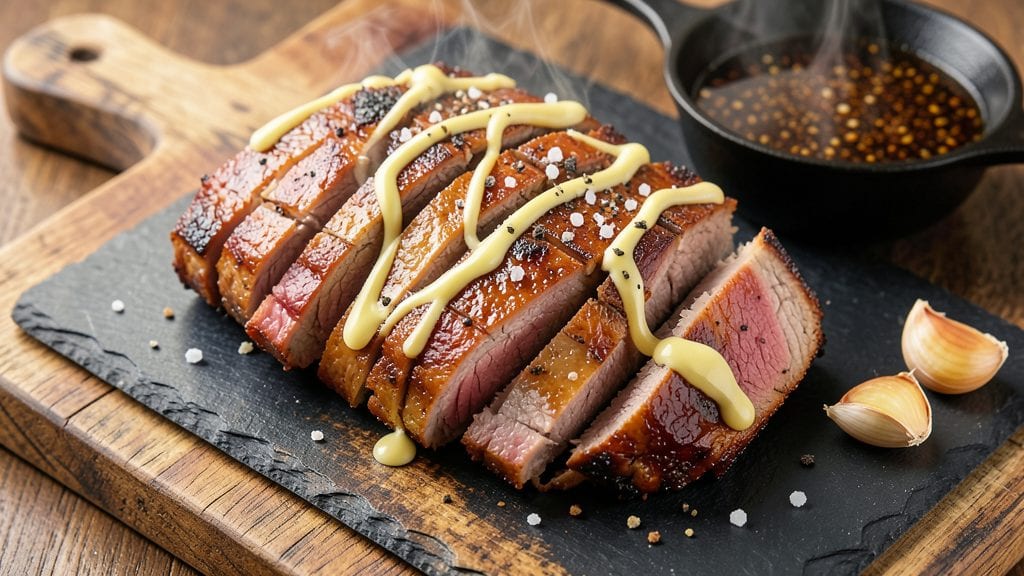
Claude's brisket recipe delivers that perfect balance of smoky bark and buttery tenderness that turns a simple meal into a showstopper. 💛 After years of perfecting this technique—whether smoking low and slow or using an oven method—I’ve cracked the code for brisket that falls apart at the touch of a fork.
The secret lies in precise seasoning, controlled cooking temperatures, and knowing exactly when to pull it from the heat.
This recipe works for both traditional pit masters and home cooks looking for a reliable method. We’ll cover everything from trimming the fat cap to achieving that 195–203°F internal temperature that guarantees melt-in-your-mouth texture.
Whether you’re smoking for 12 hours or braising in the oven for 6, the principles remain the same: patience, precision, and a little bit of Texas-style know-how.
By the time you’re done, you’ll have brisket so tender it practically shatters, with a dark, caramelized crust that’s impossible to resist. The aroma alone will have everyone gathering around the table, and every slice will reveal that perfect balance of juicy meat and rich, smoky flavor.
This is the kind of brisket that makes people ask for seconds—and thirds.
Serve it with classic sides like tangy pickles, buttery cornbread, or a drizzle of your favorite BBQ sauce for the full experience. Let’s get started on unlocking that restaurant-quality brisket right in your kitchen.
Ingredients for claude's brisket
Six pounds of brisket, twelve hours of patience, and a dry rub that transforms ordinary meat into Texas-style perfection.
| Ingredient | Amount | Notes |
|---|---|---|
| Packer Brisket 🥩 | 6 lb | Whole packer cut with fat cap intact |
| Yellow Mustard 🍯 | ¼ cup | For fat cap application |
| Coarse Kosher Salt 🧂 | ½ cup | Diamond Crystal preferred |
| Coarse Black Pepper 🌶️ | ¼ cup | Freshly cracked |
| Smoked Paprika 🌶️ | 3 tbsp | For deep smoky flavor |
| Garlic Powder 🧄 | 2 tbsp | Freshly toasted preferred |
| Onion Powder 🧅 | 2 tbsp | For balanced depth |
| Ground Chipotle Pepper 🔥 | 1 tbsp | Adjust for heat preference |
| Brown Sugar 🍚 | 2 tbsp | Light or dark |
| Apple Cider Vinegar 🍎 | 2 tbsp | For tenderizing |
| Beef Tallow or Bacon Fat 🥓 | ½ cup | For basting |
| Wood Chips (Hickory or Oak) 🌳 | 4 cups | Soaked for 1 hour |
| Butter 🧈 | ½ cup | Unsalted, cubed |
| Beef Broth 💧 | 1 cup | Low-sodium preferred |
The brisket is the star, and Packer cut is non-negotiable—it’s the only cut with that perfect balance of fat and lean. Look for a piece with a thick fat cap (at least 1/2 inch) for flavor and moisture. Costco and local butchers are your best bets for quality; avoid pre-cut briskets from the supermarket deli. Trim the fat cap down to about 1/4 inch after purchase, leaving a thin layer for flavor. For wood chips, hickory gives that classic BBQ taste, but oak adds a touch of sweetness—mix them if you want both. Soak the chips for at least an hour before using to prevent flare-ups.
No smoked paprika? Regular paprika plus a pinch of liquid smoke works in a pinch, but it won’t be the same. Chipotle too spicy? Swap for extra cayenne or crushed red pepper, but start with half the amount. The apple cider vinegar might seem odd, but it tenderizes the meat and balances the sweetness of the brown sugar. For a deeper flavor, add a splash of bourbon to the beef broth—trust me, it elevates everything. If you’re short on time, the oven method still works; just wrap the brisket in foil with the wood chips and broth for a 6-hour braise at 275°F. The key is low and slow, no matter the method.
This brisket tastes even better the next day, so plan ahead. Wrap the cooked brisket tightly in butcher paper (not foil) and let it rest at room temperature for 2 hours before slicing—this keeps it juicy. Store leftovers in the fridge for up to 5 days, or freeze for 3 months. For serving, slice against the grain and drizzle with the rendered fat from the pan. The fat cap? Save it for next time—it’s pure flavor gold. And if anyone asks, the secret isn’t just the rub; it’s the patience and the butter basted in at the end.
Why You'll Love This Recipe
- I’ll be real: most brisket leftovers are sad. Not this one. The mustard keeps it tender, and the salt/pepper balance means it tastes just as good cold in sandwiches as it does hot.
- Four-Ingredient Magic: I swear, you only need salt, pepper, smoked paprika, and that yellow mustard to unlock deep, smoky flavor. No fancy rubs or long marinades—just a quick coat and a sear.
- Smoke Without the Smoker: Honestly, the mustard and paprika combo gives it that just-off-the-grill vibe even if you’re cooking on the stovetop. That crispy bark? Pure satisfaction.
- Weeknight Crowd-Pleaser: Between us, this is the dish I pull out for game days, potlucks, or when my in-laws drop by unannounced. Everyone reaches for seconds, and I don’t even have to slice it thin.
Step-by-step instructions for Claude's brisket recipe
Here's how to transform a tough brisket into melt-in-your-mouth perfection with a crackling bark.
👨🍳 Step 1: Create the Dry Rub and Mustard Paste
In a large bowl, combine the 0.5 cup coarse kosher salt, 0.25 cup coarse black pepper, 3 tbsp smoked paprika, 2 tbsp garlic powder, 2 tbsp onion powder, 1 tbsp ground chipotle pepper, 2 tbsp brown sugar, and 2 tbsp apple cider vinegar. Mix thoroughly with your hands until the spices are evenly distributed and the vinegar creates a slightly sticky texture.
In a separate small bowl, mix the 0.25 cup yellow mustard with 2 tbsp of the dry rub to create a paste. This mustard mixture serves two purposes: it helps the rub adhere to the brisket and tenderizes the meat by breaking down proteins. Set both the dry rub and mustard paste aside—they're ready for the brisket.
🔥 Step 2: Season and Apply the Mustard Paste
Pat the 6 lb packer brisket completely dry with paper towels, including the fat cap. This step is crucial—any moisture on the surface will prevent the rub from sticking properly and will steam the meat instead of creating that coveted bark. I like to work in a cool room or even the refrigerator for this part to keep my hands from getting too greasy.
Apply the mustard paste evenly to the fat cap, spreading it in a thin layer with your fingers. Then, generously coat the entire brisket with the remaining dry rub, pressing it firmly into the meat so it adheres well. Pay special attention to the edges and any crevices where the rub might not stick as well. Let the brisket sit at room temperature for 1 hour while you prepare your smoker.
🔥 Step 3: Set Up and Smoke the Brisket
Soak the 4 cups wood chips (hickory or oak) in water for at least 1 hour before using. This prevents them from burning too quickly and creating bitter smoke. Set up your smoker to maintain a temperature of 225°F. I've found this low-and-slow approach is key to achieving that perfect balance of tenderness and flavor without drying out the meat.
Place the brisket fat-side up on the smoker grate. The fat cap will render down and baste the meat as it cooks, creating additional flavor and moisture. Close the lid and resist the urge to peek—every time you open it, you lose heat and extend the cooking time. Smoke the brisket for 4-5 hours, or until the internal temperature reaches 165-170°F. This is when you'll hit "the stall," where the temperature plateaus as moisture evaporates.
🥘 Step 4: Wrap and Finish the Cook
When the brisket hits the stall, it's time for the "Texas crutch." Remove the brisket from the smoker and wrap it tightly in butcher paper (not aluminum foil—paper allows for better bark development). This technique helps push the brisket through the stall while maintaining that crispy exterior. Return it to the smoker and continue cooking until the internal temperature reaches 200-205°F.
This final stage typically takes another 3-5 hours, but don't rush it. You'll know the brisket is done when a probe slides in like butter with no resistance. The meat should be fork-tender, with a beautiful pink smoke ring just beneath the bark. Let the brisket rest in the butcher paper for 1 hour before slicing—this resting period is essential for redistributing the juices.
🔪 Step 5: Slice and Serve with Butter Baste
Unwrap the brisket and locate the grain direction—you'll see lines running through the meat. Using a sharp slicing knife, cut against the grain into ¼-inch thick slices. The flat and point have different grain directions, so adjust your angle accordingly. For extra flavor, heat the 0.5 cup beef tallow or bacon fat and 0.5 cup butter together in a saucepan until melted, then whisk in 1 cup beef broth to create a rich basting sauce.
Serve the brisket immediately with the basting sauce spooned over each slice. The result should be tender, juicy meat with a dark mahogany bark on the outside and a beautiful pink smoke ring just beneath. Each bite should deliver rich, smoky flavor with just the right amount of heat from the chipotle. The brisket should be so tender it practically falls apart with a gentle tug, proving that low-and-slow smoking is the secret to unlocking its full potential.
Pro Tips For Making Claude'S Brisket
- SEAR THE FAT SIDE DOWN: That thick fat cap on a packer brisket isn’t just for show—it’s your flavor insurance. Get your pan screaming hot and lay the brisket fat-side down first, letting it render for 8-10 minutes before flipping. I used to rush this and end up with grease splatter everywhere and uneven browning. Trust me, the extra time here means the mustard crust later will stick like glue.
- SALT THE MUSTARD MIX: The yellow mustard in this recipe isn’t just a glaze—it’s the crust. Before brushing it on, mix in an extra ½ teaspoon of kosher salt per ¼ cup of mustard. That salt dissolves into the mustard, creating a sticky, flavor-packed coating that caramelizes into a crackly shield. I learned this the hard way after my first batch tasted bland under the smoky paprika.
- AVOID THE FOIL TRAP: Wrapping brisket too early steams it instead of rendering fat, and that’s a one-way ticket to soggy meat. Only wrap the brisket in foil when the internal temp hits 160°F—no earlier. If you’re nervous about drying it out, peek under the foil every 30 minutes to check for excess moisture. (Yes, it’s annoying, but your brisket will thank you.)
- USE A THICK MUSTARD LAYER: Don’t be shy with the mustard—slather it on thick enough that it pools slightly in the seams. That extra layer means more caramelization and a deeper flavor. I used to spread it thin like ketchup, and the result was always underwhelming. Think of it as a glaze, not a drizzle. The paprika will stick better, and the crust will be worth the effort.
Serving suggestions for this claude's brisket
Classic BBQ Spread
Serve Claude’s brisket with a classic Texas-style BBQ spread that complements its rich, smoky flavors. Start with homemade white bread or crusty French rolls for dipping—warm them in the oven for 3-5 minutes at 350°F until golden.
Offer a selection of pickles (dill, bread-and-butter, or spicy jalapeño) to cut through the richness. I love adding quick-pickled red onions (slice 1 large onion thin, soak in ½ cup vinegar, 1 tbsp sugar, and 1 tsp salt for 30 minutes) for a tangy crunch. 🥒
Buttery Cornbread
No brisket feast is complete without southern-style cornbread—its crumbly texture and sweetness balance the smoky meat perfectly.
I use a Jiffy cornbread mix (just add eggs and milk) for convenience, but for homemade, whisk together 1 cup cornmeal, 1 cup flour, 1 tbsp sugar, 1 tbsp baking powder, ½ tsp salt, and 1 cup buttermilk.
Bake in a 9-inch cast-iron skillet at 400°F for 20-25 minutes until golden. Serve warm with a pat of Land O’Lakes butter melting on top. 🍞
Loaded Potato Salad
Swap the mayo-heavy potato salad for a creamy, tangy version with mustard and herbs.
Boil 2 lbs baby potatoes until tender, then toss with a dressing of ½ cup mayo, 2 tbsp Dijon mustard, 1 tbsp apple cider vinegar, 1 tsp celery seeds, and chopped green onions and dill.
Fold in ½ cup diced bacon and ¼ cup chopped hard-boiled eggs for extra protein. Chill for 1 hour before serving to let flavors meld. ❄️
Smoky Coleslaw
Add a smoky twist to traditional coleslaw by incorporating liquid smoke and apple cider vinegar.
Shred 4 cups cabbage and 2 carrots, then toss with a dressing of ½ cup mayo, 2 tbsp apple cider vinegar, 1 tbsp liquid smoke, 1 tsp smoked paprika, and ½ tsp celery salt. Add a pinch of cayenne for heat if desired.
Let it sit for 30 minutes to soften slightly—this slaw pairs perfectly with brisket’s richness. 🥬
Dessert Pairings
End the meal on a sweet note with peach cobbler or bourbon pecan pie—both complement the smoky flavors beautifully.
For a quick option, bake 4 ripe peaches halved and arranged in a 9-inch pie dish, topped with a mix of 1 cup flour, ½ cup sugar, 1 tbsp baking powder, and ½ cup milk. Bake at 375°F for 30 minutes until bubbly.
Serve with vanilla ice cream for the ultimate comfort-food finish. 🍑
Pro Serving Tips
For a restaurant-worthy presentation, slice the brisket against the grain into ¼-inch thick pieces and arrange on a wooden cutting board or platter. Drizzle the basting sauce generously over the top and garnish with fresh cilantro or microgreens for color.
Serve family-style with extra basting sauce in a small ceramic crock for dipping. I also recommend setting out small bowls of extra pickles and cornbread crumbs for guests to customize their plates. 💡
Nutrition facts
Frequently asked questions
What's the secret to getting that perfect dark bark on brisket?
The key is a combination of dry rub adhesion and smoke exposure. Start by patting the brisket completely dry before applying the mustard paste—this helps the rub stick. Use a thick layer of yellow mustard on the fat cap, then press the dry rub firmly into all surfaces. Smoke at a consistent 225°F with the fat side up, and resist opening the smoker lid too often. The bark develops best when the brisket is exposed to steady smoke without temperature fluctuations.
Can I use an oven instead of a smoker for this recipe?
For an oven method, preheat to 275°F and place the brisket on a rack in a roasting pan. Add 1 cup beef broth to the pan and cover tightly with foil. Cook for 6 hours, then remove the foil and increase heat to 400°F for 15-20 minutes to crisp the bark. The internal temperature should reach 200-205°F. This method works well if you don’t have a smoker, though the flavor will be slightly less smoky.
Why does my brisket turn out tough instead of tender?
Tough brisket usually happens from one of three issues: overcooking, skipping the stall wrap, or not slicing against the grain. Always pull the brisket when it hits 200-205°F—never let it exceed 210°F. The "Texas crutch" (wrapping in butcher paper at 165°F) is crucial for pushing through the stall. Finally, slice ¼-inch thick against the grain—this shortens the muscle fibers and makes each bite tender.
How do I store leftover brisket to keep it moist?
Wrap the cooked brisket tightly in butcher paper (not foil) and let it cool completely at room temperature. Store in an airtight container in the fridge for up to 5 days. For reheating, warm in a 325°F oven for 20-30 minutes with a splash of beef broth to restore moisture. Never microwave—it dries out the meat. For longer storage, freeze in portions for up to 3 months.
What's the difference between the flat and point cuts of brisket?
The flat is leaner and cooks faster (about 1 hour less than the point), while the point has more fat and connective tissue, making it more tender when cooked low and slow. For best results, cook them together—the flat will be done first, but the point benefits from the extra time. When slicing, the flat cuts across the grain while the point cuts against the grain.