
Side Dishes
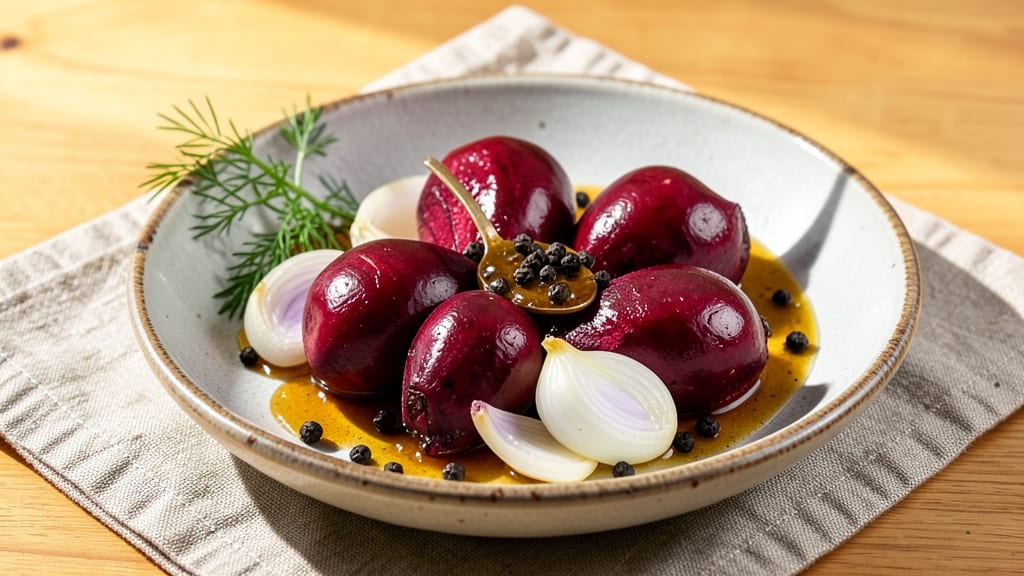
Transforming simple beets into cooked pickled beets unlocks a sweet-tangy side dish that elevates any meal in just 30 minutes. The process combines boiling for tender texture with a bright vinegar-spice brine that preserves flavor and color.
I developed this recipe after discovering how versatile these beets become—perfect for salads, charcuterie boards, or even as a tangy topping for roasted meats.
The beauty of this method lies in its simplicity: no fancy equipment, just fresh beets, basic pantry staples, and a precise balance of vinegar, sugar, and spices.
The boiling step ensures they soften perfectly while maintaining their vibrant hue, while the pickling process creates that signature sweet-tangy flavor profile that makes them irresistible. This technique works equally well with store-bought or homegrown beets.
What you'll achieve is a batch of beets that are tender yet hold their shape, infused with a bright, balanced flavor that's neither too sweet nor overly sour. The texture is ideal—firm enough to bite into but soft enough to melt in your mouth.
These beets keep beautifully in the refrigerator for up to two weeks, making them a practical addition to your meal prep routine.
Serve them chilled as a side dish, toss them into grain bowls, or arrange them artistically on a platter with cheese and cured meats. The possibilities are endless, and the process couldn't be simpler. Let's get started on creating this versatile, restaurant-worthy side dish.
Ingredients for cooked pickled beets
Fresh beets, vinegar, and spices—just what you need for vibrant, tangy pickled beets.
| Ingredient | Amount | Notes |
|---|---|---|
| Medium Beets 🍠 | 1 ½ lb | Fresh, trimmed and peeled |
| White Vinegar 🍶 | 1 cup | White or apple cider vinegar |
| Granulated Sugar 🍚 | ½ cup | White or brown sugar |
| Water 💧 | 1 cup | Filtered or tap water |
| Salt 🧂 | 1 tsp | Sea salt or kosher salt |
| Black Peppercorns 🌶️ | 6 whole | Crushed lightly for flavor |
| Bay Leaves 🍃 | 2 whole | Fresh or dried |
| Garlic Cloves 🧄 | 2 cloves | Minced for depth |
| Mustard Seeds 🌿 | ½ tsp | Yellow or brown seeds |
| Dried Thyme 🌿 | ½ tsp | Or 1 tsp fresh thyme |
| Vegetable Oil 🫒 | 2 tbsp | For boiling water |
The beets are the star, so grab fresh, medium-sized ones—they're sweeter and hold their shape better. Trader Joe's and Whole Foods usually have pre-washed, trimmed beets for convenience, but regular grocery stores carry them too. If you're using homegrown or store-bought beets, just scrub them well and peel after cooking. The vinegar matters here—white vinegar is classic, but apple cider adds a subtle sweetness. For the spices, Penzeys or bulk bins have the best quality, but your grocery store's spice aisle works fine. Look for whole peppercorns and bay leaves—they add more flavor than pre-ground spices.
No white vinegar? Apple cider or red wine vinegar works just as well. Short on sugar? Maple syrup or agave nectar can replace it, but taste as you go—these are sweeter. The garlic and thyme are optional but add great depth. Fresh thyme is ideal, but dried works at half the amount. If you're using dried thyme, crush it lightly between your fingers to release the oils. The mustard seeds? Skip them if you don't have them—they're more for texture than flavor. For a quicker prep, use pre-peeled baby beets from the produce section, but they'll be smaller and may need less cooking time.
These beets keep beautifully in the fridge for up to 2 weeks. Store them in the brine they're pickled in—it preserves their color and flavor. If you want to make a big batch, double the recipe and store in airtight jars for easy grab-and-go sides. The flavor actually improves over time, so they're perfect for meal prep. Want to use them up fast? Toss them into salads, spread them on vegan cheese boards, or serve them chilled with roasted potatoes.
Why You'll Love This Recipe
- No Chopping Needed: I swear by this trick—just roast whole beets, peel them after, and slice. No knife skills required, just a little patience (and maybe a towel for sticky fingers).
- Sweet-Tangy Magic: That balance of sugar and vinegar? It’s like a flavor hug—earthy beets meet bright acidity, and the sugar caramelizes just enough to make them irresistible. Honestly, it’s the kind of taste that makes you go back for seconds without thinking.
- Meal Prep MVP: These keep for weeks in the fridge, so I make a big batch and toss them into salads, charcuterie boards, or even sandwiches. (Yes, even on a Tuesday night.) No waste, all flavor—what’s not to love?
- Budget-Friendly Pantry Staples: You’re using beets, vinegar, sugar, and salt—ingredients you already have. No fancy add-ins, just pure, reliable flavor that stretches across multiple meals without breaking the bank. My wallet thanks me every time.
Step-by-step instructions for cooked pickled beets
Here's how to make perfectly balanced, sweet-tangy pickled beets that stay crisp and vibrant.
Prepare the Beets for Cooking
Start by washing the 1.5 lb medium beets thoroughly under cold water. Trim off the leafy tops, leaving about 1 inch of stem. Peel the beets using a vegetable peeler or paring knife, working carefully to remove all skin while keeping the shape intact. You'll want to end up with whole beets that are completely clean—any remaining skin will make the finished product look unappealing.
Cut the peeled beets into even-sized chunks, about 1 to 1½ inches thick. This size ensures they'll cook through evenly without becoming mushy. Place the cut beets in a large bowl and set aside. I like to keep them submerged in cold water until ready to cook—this prevents them from drying out and keeps their color bright.
Boil the Beets Until Tender
In a large pot, combine the 1 cup water, 2 tbsp vegetable oil, 1 tsp salt, 6 whole black peppercorns, 2 whole bay leaves, 2 cloves minced garlic, 0.5 tsp mustard seeds, and 0.5 tsp dried thyme. Bring this mixture to a boil over high heat. Once boiling, carefully add the prepared beets and return to a rolling boil.
Reduce heat to medium-high and let the beets simmer for 12 to 15 minutes, or until they're fork-tender. You'll know they're done when a knife slides in easily and the edges start to soften. Don't overcook—they should still hold their shape but be tender throughout. If you notice the water level drops significantly, add a little more water to keep them submerged.
Prepare the Sweet-Tangy Pickling Liquid
While the beets cook, combine the 1 cup white vinegar and 0.5 cup granulated sugar in a separate bowl. Stir until the sugar dissolves completely. This mixture should be smooth and slightly syrupy—it's the secret to that perfect balance of sweetness and tang. Taste a small amount to check the flavor; you can adjust the sugar to your preference if needed, but remember that the beets will absorb some of the liquid as they pickle.
Once the beets are tender, use a slotted spoon to transfer them to a clean bowl or jar, reserving the cooking liquid. This liquid adds depth to the flavor, so don't discard it. Strain the cooking liquid through a fine-mesh sieve to remove the spices and herbs, then pour it into a measuring cup. You should have about 1½ to 2 cups of liquid—if it's less, add a little water to make up the difference.
Combine and Pickle the Beets
Return the cooked beets to the pot and pour the vinegar-sugar mixture over them. Stir gently to coat the beets evenly with the liquid. Add enough of the reserved cooking liquid to just cover the beets—this ensures they stay submerged and pickle properly. The beets should be fully immersed, with about ½ inch of liquid above them.
Bring the mixture to a gentle simmer over medium heat, then reduce heat to low. Let it simmer for 10 to 12 minutes, stirring occasionally. You're looking for the beets to absorb the flavors and develop that signature sweet-tangy balance. The liquid should reduce slightly but still coat the beets. If it reduces too much, add a splash of water to keep them covered.
Cool and Store for Maximum Flavor
Remove the pot from heat and let the beets cool to room temperature. This step is crucial—cooling allows the flavors to meld and the beets to absorb the pickling liquid fully. Once cooled, transfer the beets and their liquid to airtight jars or containers. They'll keep in the refrigerator for up to 2 weeks, with the flavor deepening over time.
Serve the pickled beets cold or at room temperature. They're perfect as a side dish, salad topping, or even a snack straight from the jar. The beets should be tender but still hold their shape, with a vibrant color and that perfect sweet-tangy flavor. If you find the liquid too strong, you can drain them slightly before serving—just leave a little clinging to keep them moist.
Pro Tips For Making Cooked Pickled Beets
- Peel Beets After Cooking: Raw beets stain like crazy—trust me, I’ve ruined more cutting boards than I’ll admit. Roast or boil them whole first, then plunge into ice water before peeling. The skins slide off effortlessly, and you won’t be scrubbing dye out of your hands for an hour.
- Use 1:1 Vinegar-to-Water Ratio: I learned this the hard way—too much vinegar makes the beets taste harsh, and too little water dilutes the flavor. Stick to equal parts white vinegar and water for the brine. If you’re picky about tang, add a splash of apple cider vinegar later for balance.
- Simmer Gently After Boiling: The moment the beets hit the vinegar-water mix, reduce heat to a bare simmer. I used to let it boil like a soup, and the edges turned mushy. A gentle roll keeps them firm while absorbing the pickling liquid evenly—no sad, waterlogged textures here.
- Add Sugar Last, Then Chill: Dissolve the sugar in just the vinegar first, then pour it over the cooled beets. This prevents graininess and lets the sweetness soak in properly. Pop them in the fridge for at least 4 hours before eating—patience here makes the flavor sing.
Flavor customization for this dish
Sweet-Tart Balance
Adjust the sugar-to-vinegar ratio to control sweetness. For a more tart profile, increase vinegar by 2 tbsp and reduce sugar by 1 tbsp. For extra sweetness, add 1 tbsp honey or 1 tsp vanilla extract to the pickling liquid.
I often use apple cider vinegar for a subtle fruitiness that pairs beautifully with roasted meats. 🍯
Herb & Spice Variations
Swap out thyme and bay leaves for rosemary and juniper berries for a savory, earthy twist. For warmth, add ½ tsp ground cinnamon or ¼ tsp smoked paprika to the pickling liquid.
Fresh dill or tarragon brightens the flavor—just add 2 tbsp chopped fresh herbs at the end. I love using Penzeys' whole spices for the best flavor intensity.
Global Flavor Infusions
Transform these beets into a Mediterranean dish by adding 1 tbsp lemon zest and 1 tsp dried oregano. For an Asian-inspired version, use rice vinegar, 1 tsp grated ginger, and 1 tsp sesame seeds.
A Mexican twist works with lime juice, ½ tsp cumin, and crushed red pepper flakes. These variations keep the core technique simple while adding exciting depth. 🌍
Texture Adjustments
For crispy edges, roast the beets at 400°F for 15 minutes before pickling. To make them extra tender, simmer them in the pickling liquid for an additional 5 minutes.
If you prefer softer beets, reduce the initial boiling time to 10 minutes—they’ll absorb more of the pickling liquid during the second simmer. 🥔
Flavor Boosters
Add 1 tbsp capers or 2 tbsp chopped cornichons to the pickling liquid for a briny kick. A splash of balsamic vinegar (2 tbsp) deepens the umami. For a citrusy finish, toss in 1 tbsp orange zest or ½ cup sliced radishes during the final simmer.
These additions elevate the beets from simple to showstopping. 🍋
Spicy Heat Levels
For mild heat, add ½ tsp crushed red pepper flakes to the pickling liquid. For medium heat, use 1 tsp chili flakes or 1 sliced jalapeño. For serious spice, infuse the vinegar with 1-2 habanero peppers (seeds removed for less heat) for 24 hours before using.
Always taste as you go—adjust to your spice tolerance! 🌶️
Nutrition facts
Frequently asked questions
Can I use baby beets instead of medium beets for this recipe?
Yes, baby beets work perfectly—they're already tender and don't require peeling! Simply trim the stems, wash them well, and cut them into ½-inch thick slices or leave whole for smaller portions. Since they're smaller, reduce the cooking time to 8-10 minutes in Step 2 to prevent mushiness. Their natural sweetness shines through beautifully in the pickling process.
How do I know when the beets are fully pickled and ready to eat?
Your pickled beets are ready when they've absorbed the tangy-sweet liquid and the flavor is well-balanced. After cooling, they should taste bright and balanced—not overly sweet or sour. The ideal texture is tender yet firm, with vibrant color. If stored properly, they'll actually improve in flavor over 24-48 hours as the flavors meld.
What if my pickled beets turn cloudy or lose their color?
Cloudiness usually means the beets were overcooked or exposed to air too long. To prevent this, keep them fully submerged in the pickling liquid and store in airtight containers. For color preservation, use white vinegar (not apple cider) and add ½ tsp citric acid to the pickling liquid. If color fades, the flavor is still fine—just serve them with a drizzle of balsamic glaze to restore vibrancy.
Can I make this recipe without sugar?
For a sugar-free version, replace the ½ cup sugar with ½ cup maple syrup or agave nectar, or simply omit it entirely. The vinegar will still create tanginess, though the flavor will be more acidic. If you prefer a sweeter profile, add 1 tbsp honey or stevia to taste. The beets will still pickle beautifully without sugar.
What are the best ways to serve these pickled beets?
These versatile beets shine in so many ways! Serve them chilled as a side with roasted meats, toss into grain bowls with quinoa and greens, or arrange on charcuterie boards with cheese and nuts. They also make a great salad topping—try pairing with goat cheese and walnuts. For a quick snack, serve straight from the jar with crackers. The possibilities are endless!