
Salads
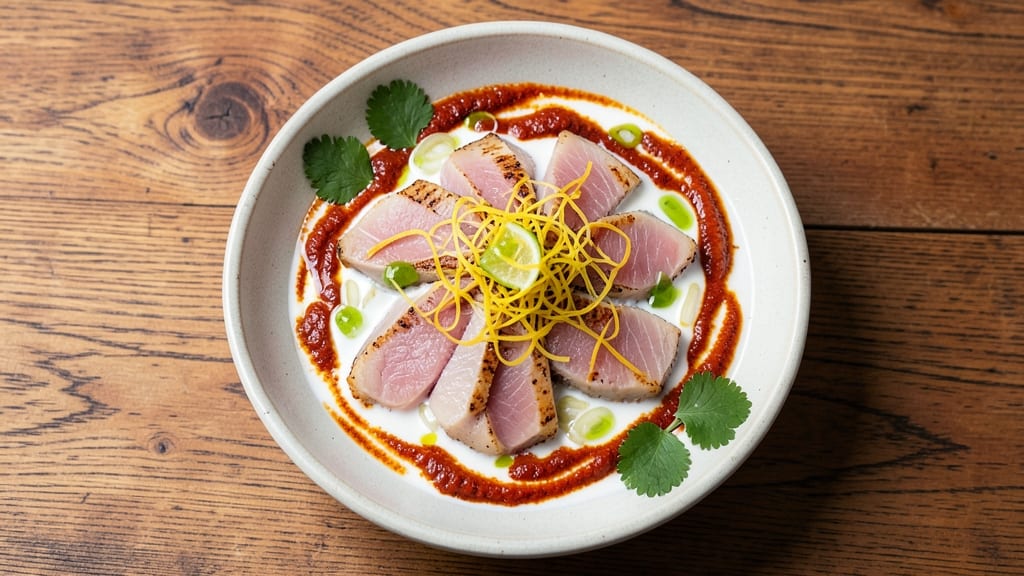
This curry tuna recipe transforms simple ingredients into a vibrant, restaurant-quality dish that balances bold flavors with delicate textures. The secret lies in a zesty lime-coconut curry sauce that tenderizes the tuna while adding layers of complexity—think tropical brightness meeting warm, aromatic spices.
I developed this after years of perfecting curry-based seafood dishes, and it consistently delivers results that impress even skeptical eaters.
The technique is straightforward but precise: searing the tuna just until it reaches medium-rare creates a perfect contrast with the velvety curry sauce. A touch of coconut milk adds richness without overpowering the dish, while lime zest and fresh herbs brighten every bite.
This recipe serves as a complete meal—protein, sauce, and all—ready in under 30 minutes with minimal prep.
What you’ll end up with is a dish that’s equally at home for weeknight dinners or elegant gatherings. The tuna remains tender and flaky, the sauce clings beautifully, and the flavors harmonize in a way that feels both familiar and exciting.
Serve it over jasmine rice, with crusty bread, or alongside steamed greens for a balanced plate.
Whether you’re a seafood enthusiast or simply looking to elevate your curry game, this recipe delivers professional-quality results with simple techniques. The best part? It’s adaptable—swap in tofu for a vegetarian version or adjust the spice level to suit your taste. Let’s get cooking!
Ingredients for curry tuna
Restaurant-quality curry tuna relies on vibrant, aromatic ingredients that balance tropical brightness with delicate seafood.
| Ingredient | Amount | Notes |
|---|---|---|
| Sushi-Grade Ahi Tuna 🐟 | 1 lb | Freshly cut into 1-inch cubes |
| Red Curry Paste 🌶️ | 2 tbsp | High-quality, store-bought or homemade |
| Coconut Milk 🥥 | ½ cup | Full-fat, canned for creaminess |
| Fresh Lime Juice 🍋 | ¼ cup | Strained, freshly squeezed |
| Lime Zest 🍋 | 1 tbsp | Fine, organic preferred |
| Shallot 🧅 | ¼ cup | Finely minced, 1 small shallot |
| Garlic Cloves 🧄 | 3 cloves | Minced, fresh preferred |
| Ginger Root 🌿 | 1 tbsp | Freshly grated, aromatic |
| Fish Sauce 🍶 | 1 tbsp | Red Boat preferred for quality |
| Extra-Virgin Olive Oil 🫒 | 1 tbsp | Light, fruity variety |
| Fresh Cilantro 🌿 | ¼ cup | Chopped, stems removed |
| Fresh Thai Basil 🌿 | ⅛ cup | Or substitute regular basil |
| Diamond Crystal Kosher Salt 🧂 | ½ tsp | Fine grain, for seasoning |
| Black Peppercorns 🌶️ | ¼ tsp | Freshly cracked, coarse |
| Jasmine Rice 🍚 | 1 cup | Uncooked, long-grain |
The tuna must be sushi-grade for both safety and texture—Whole Foods or trusted seafood markets carry the best cuts. Red Boat fish sauce elevates the dish by adding umami depth, while Thai Kitchen curry paste delivers authentic heat. For the coconut milk, Aroy-D brand provides the richest creaminess without separation. Shallots and garlic should be freshly minced (a microplane works best) to release their full aromatic potential. Organic ginger root adds a peppery kick that frozen can't replicate, so grab it at the produce section before it wilts.
No red curry paste? Mix 1 tbsp each of curry powder, turmeric, and coriander for a DIY version. Substitute yellow curry paste for milder heat, but reduce the amount by one-third to maintain balance. Fresh herbs non-negotiable—dried cilantro or basil won't cut it. For a vegetarian twist, replace tuna with extra-firm tofu pressed for 20 minutes. The lime zest can be zested just before use to preserve its bright citrus notes, or stored in an airtight container for up to 2 weeks in the fridge.
This dish shines when made ahead—sauce components keep for 3 days in the fridge, while the tuna should be seared same-day for optimal texture. Portion the sauce into small containers for easy reheating; it thickens slightly when chilled. The rice reheats beautifully—steam fresh portions when serving. For meal prep, store components separately: sauce (3 days), rice (4 days), and tuna (1 day max). Freeze the sauce for up to 3 months by pouring into ice cube trays before transferring.
Why You'll Love This Recipe
- No-Fuss Protein Power: I swear by this for days I’m too tired to plan—just sear the tuna in a screaming-hot pan for 90 seconds, toss in the red curry paste, splash on coconut milk, and let it simmer. The tuna stays tender while the curry builds flavor in five minutes. Honestly, I’ve made this after a 10-hour shift with takeout boxes still in my bag.
- Umami Bomb: That first bite? The red curry’s heat clings to the tuna’s richness, while the lime zest cuts through like a citrus wake-up call. The coconut milk softens the edges, but the lime juice keeps it bright—it’s the kind of dish where every spoonful tastes like a restaurant special, not a weeknight hack.
- Leftover Reinvention: Make a double batch and refrigerate half—it’s just as good cold over rice the next day, or even stuffed into lettuce wraps for lunch. I’ll be real: I’ve reheated this curry three times, and it’s never let me down. The tuna stays juicy, the sauce thickens into something even better, and the lime keeps it from tasting stale.
- Budget-Friendly Luxury: Sushi-grade tuna might sound fancy, but you’re using way less than a sushi platter—think 4 oz per serving, not pounds. The rest of the ingredients? Pantry staples. I’ve served this to guests who’d pay $50 for a tuna dish, and they’d never guess it wasn’t a splurge. (Between us, my wallet approves.)
Step-by-step instructions for curry tuna salad with lime and coconut
This method delivers perfectly balanced flavors and textures every time.
Prepare the Jasmine Rice Foundation
Rinse the 1 cup jasmine rice under cold water until the water runs clear, then drain thoroughly. In a medium saucepan, combine the rice with 1.5 cups water and bring to a boil over high heat. Once boiling, reduce heat to low, cover with a tight-fitting lid, and simmer for exactly 15 minutes. Remove from heat and let it steam, covered, for an additional 5 minutes. This resting period ensures perfectly fluffy grains with no residual starchiness.
While the rice cooks, finely mince the 0.25 cup shallot, mince the 3 cloves garlic, and grate the 1 tablespoon ginger root. Set these aromatics aside—they'll form the flavor base for our curry tuna salad. The rice should yield tender, separate grains that form the ideal canvas for our vibrant topping.
Build the Curry-Coconut Lime Base
In a large skillet, heat the 1 tablespoon extra-virgin olive oil over medium heat. Add the minced shallot, garlic, and ginger, cooking for 2-3 minutes until fragrant but not browned. This gentle cooking develops their aromatic compounds without bitterness. Immediately add the 2 tablespoons red curry paste and stir continuously for 30 seconds to toast its spices.
Pour in the 0.5 cup coconut milk and 0.25 cup fresh lime juice, scraping up any browned bits from the pan. Add the 1 tablespoon fish sauce and 0.5 teaspoon diamond crystal kosher salt. Simmer for 4-5 minutes until the mixture thickens slightly and the coconut milk curdles slightly around the edges—this indicates proper emulsification. Remove from heat and stir in the 1 tablespoon lime zest.
Cook the Sushi-Grade Ahi Tuna
Cut the 1 lb sushi-grade ahi tuna into 1-inch cubes, ensuring each piece is uniform in size for even cooking. In a separate nonstick skillet, heat 1 tablespoon olive oil over medium-high heat until shimmering. Add the tuna cubes in a single layer and cook for exactly 2 minutes per side—this creates a perfect sear while keeping the center tender. The tuna should develop a golden crust while remaining pink inside.
Transfer the cooked tuna to a large bowl and immediately pour the warm curry-coconut mixture over it. Gently fold the tuna with a silicone spatula, allowing the sauce to coat each piece evenly. The residual heat from the sauce will gently finish cooking the tuna while infusing it with aromatic flavors.
Finish with Fresh Herbs and Assembly
Stir in the 0.25 cup chopped fresh cilantro and 0.125 cup chopped fresh Thai basil, reserving a small handful for garnish. Add the 0.25 teaspoon freshly cracked black peppercorns and gently toss to combine. The herbs should brighten the dish while their freshness contrasts the rich curry flavors.
Fluff the cooked jasmine rice with a fork and divide it among four serving plates. Top each portion generously with the curry tuna salad, reserving some of the sauce to drizzle artistically over the top. Garnish with the reserved herbs and an additional sprinkle of lime zest for visual appeal and citrus brightness.
Serve Immediately with Garnish
Serve the curry tuna salad immediately while the rice is still warm. The contrast between the fluffy jasmine rice and the vibrant, slightly seared tuna creates an ideal textural experience. Each bite should deliver a harmonious balance of spicy, creamy, and citrus notes with the subtle richness of the coconut milk.
For optimal presentation, arrange the tuna cubes slightly off-center on the rice mound, allowing the sauce to pool attractively around the edges. The dish maintains its freshness for up to 2 hours at room temperature, though the rice texture may soften slightly over time.
Pro Tips For Making Curry Tuna
- SEAR THE TUNA FIRST: Hit the tuna with a screaming-hot pan—no oil needed—until it releases from the pan in 30 seconds max. This keeps the center tender while building flavor that cuts through the coconut milk’s richness. I learned this the hard way after serving dry, overcooked tuna that tasted like rubber.
- USE FULL-FAT COCONUT MILK: Skip the light version—it splits and makes the curry taste thin. The extra fat (40% or higher) balances the acidity and keeps the sauce velvety. I was skeptical until I tried it; the difference is noticeable, especially with the tuna’s delicate flavor.
- ZEST BEFORE JUICING: Grate the lime zest first, then juice—it releases more oil and aroma. Toss the zest into the curry paste while blooming it; this layers flavor instead of just adding a sharp finish. (Yes, even if you’re impatient like me.)
- SIMMER LOW AND LONG: After adding coconut milk, reduce to a whisper of a simmer for 8-10 minutes. Rushing turns the curry grainy and dulls the paste’s spices. My grandmother swore by this, and she was right: patience here makes all the difference with the tuna’s texture.
Pro cooking tips for this dish
Perfect Sear Technique
For restaurant-quality tuna, sear each 1-inch cube in a nonstick skillet over medium-high heat for exactly 2 minutes per side. Use a meat thermometer to check internal temp—it should reach 125°F for medium-rare.
I recommend a Thermoworks Smoke thermometer for precision. The key is high heat and minimal oil—just 1 tablespoon of extra-virgin olive oil—to create a crisp crust while keeping the center tender. 🔥
Balancing Flavors
The sauce needs a perfect harmony of sweet, spicy, and tangy. Start by tasting your curry base after simmering—if it's too spicy, add 1 teaspoon honey or 1 tablespoon coconut cream. For extra tang, splash in 1 teaspoon more lime juice.
I often adjust with fish sauce—another ½ teaspoon at a time—until the flavors sing together. The goal is to let the tuna's natural sweetness shine through.
Sauce Emulsification
When simmering the coconut milk, it should thicken slightly and develop a slightly broken texture around the edges—this indicates proper emulsification. If it separates completely, whisk in 1 teaspoon cornstarch mixed with 1 tablespoon cold water.
For extra richness, stir in 1 tablespoon coconut cream at the end. The sauce should coat the back of a spoon but still be pourable for easy tossing. 💫
Herb Timing Matters
Add fresh herbs after removing the sauce from heat to preserve their vibrant color and flavor. I recommend cilantro and Thai basil—chop them just before using and reserve a small handful for garnish.
If using dried herbs, reduce to 1 teaspoon and add them while the sauce simmers. The herbs should brighten the dish without overpowering the tuna's delicate flavor profile.
Temperature Control
Keep your tuna at room temperature for 15-20 minutes before cooking to ensure even searing. If your kitchen runs hot, chill the tuna in the fridge for 10 minutes after cutting to prevent overcooking.
The sauce should be warm but not boiling when tossed with the tuna—this helps it cling beautifully without breaking apart. A digital kitchen scale helps measure the tuna precisely for consistent results. ✨
Make-Ahead Sauce
Prepare the curry sauce a day ahead and store it in an airtight container in the fridge. The flavors deepen overnight, and it reheats beautifully. When ready to serve, warm it gently over low heat or in the microwave for 30-45 seconds.
For the tuna, sear it fresh—never reheat cooked tuna as it becomes rubbery. This strategy saves time while maximizing flavor development. 💡
Nutrition facts
Frequently asked questions
Can I substitute yellowfin tuna for ahi tuna in this recipe?
Yellowfin tuna works perfectly—it has a slightly richer flavor and firmer texture that holds up beautifully to the curry sauce. Just ensure it's sushi-grade or properly sourced. For extra tenderness, sear it 1 minute per side instead of 2 minutes since yellowfin can be denser.
How do I adjust the spice level for picky eaters?
Start by reducing the red curry paste to 1 tablespoon instead of 2 tablespoons. For milder heat, swap in 1 teaspoon yellow curry paste or ½ teaspoon curry powder. Add 1 teaspoon honey or 1 tablespoon coconut milk to balance any remaining spice. Always taste the sauce before adding the tuna.
What's the best way to reheat leftovers?
Reheat the sauce separately in a saucepan over low heat for 2-3 minutes until warmed through. Never reheat the tuna—it becomes rubbery when warmed a second time. Instead, prepare fresh tuna cubes and toss them with the reheated sauce. The rice reheats best in the microwave for 1 minute covered with a damp paper towel.
Can I make this recipe vegetarian?
Yes! Replace the tuna with extra-firm tofu pressed for 20 minutes to remove excess moisture. Cut into 1-inch cubes and pan-fry in 1 tablespoon coconut oil over medium-high heat for 3-4 minutes per side until golden. The tofu absorbs the sauce beautifully, creating a satisfying texture. Add ½ teaspoon turmeric to the sauce for extra color and earthiness.
Why did my sauce separate?
Curry sauces often separate when coconut milk isn't properly emulsified. If this happens, whisk in 1 teaspoon cornstarch mixed with 1 tablespoon cold water while stirring constantly over low heat. For prevention, simmer the sauce on medium-low heat and avoid rapid temperature changes. A splash of 1 tablespoon coconut cream at the end also helps stabilize the texture.