
Main Courses
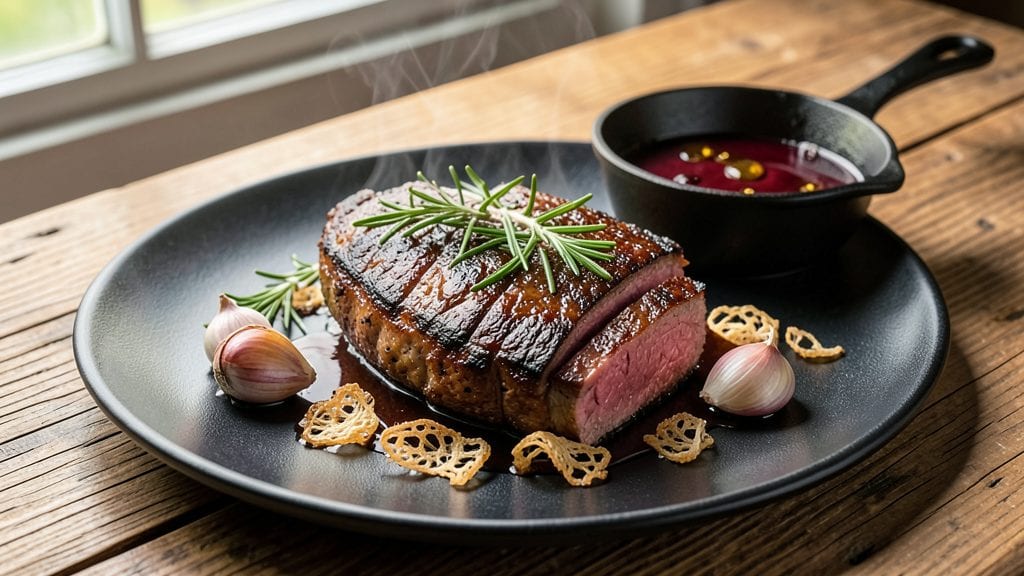
Transforming wild game into a restaurant-worthy dish begins with this deer shoulder steak recipe, where slow-braised tenderness conquers gamey intensity. The key lies in a precise balance of acidity, aromatics, and patience—techniques that elevate this lean cut into melt-in-your-mouth perfection.
I've refined this method over years of hunting trips and kitchen experiments, ensuring every bite delivers rich flavor without overpowering richness.
This recipe transforms tough deer shoulder into succulent steak through a two-stage process: first searing for depth, then slow braising to break down fibers. The marinade—acidic yet balanced with sweet and savory notes—prepares the meat while building complex flavors.
What makes this method foolproof is the controlled cooking time, which guarantees tender results even from the most gamey cuts.
By the time you plate this dish, you'll have perfectly browned edges with a velvety interior, ready to pair with bold sides like red wine reduction or roasted root vegetables.
The aroma alone will transform your kitchen into a rustic dining experience, proving that wild game can rival the finest cuts of beef when prepared with precision.
Whether you're a seasoned hunter or new to game cooking, this recipe delivers professional results with simple techniques. Let's create a dish that honors the hunt while delivering restaurant-quality satisfaction at home.
Ingredients for deer shoulder steak
Gamey richness meets tender perfection with these 14 ingredients—simple but powerful for transforming tough deer shoulder into melt-in-your-mouth bites.
| Ingredient | Amount | Notes |
|---|---|---|
| Deer Shoulder Steak 🦌 | 2 lb | Cut into 1.5-inch thick pieces |
| Red Wine 🍷 | 1 cup | Bold dry variety like Cabernet Sauvignon |
| Balsamic Vinegar 🍶 | ¼ cup | For acidity balance |
| Honey 🍯 | ¼ cup | Wildflower preferred for depth |
| Garlic Cloves 🧄 | 6 cloves | Minced, fresh preferred |
| Fresh Rosemary 🌿 | ¼ cup | Finely chopped, stems removed |
| Fresh Thyme 🌿 | ¼ cup | Leaves only, stems discarded |
| Olive Oil 🫒 | ½ cup | Extra-virgin for searing |
| Diamond Crystal Kosher Salt 🧂 | 1 ½ tbsp | For seasoning and marinade |
| Freshly Ground Black Pepper 🌶️ | 1 tbsp | Coarsely cracked |
| Beef Broth 🍲 | 1 ½ cups | Low-sodium preferred |
| Carrots 🥕 | 2 whole | Peeled, cut into chunks |
| Yellow Onion 🧅 | 1 whole | Peeled, sliced into wedges |
| Bay Leaves 🍃 | 2 whole | Fresh if available |
The deer shoulder is your canvas here. Look for well-marbled cuts—the fat keeps the meat tender during braising. If you're processing your own, trim excess fat but leave some for flavor. For sourcing, local hunters or specialty butchers are your best bet; they'll know how to cut it properly. The red wine should be bold and dry—think Cabernet Sauvignon or Merlot. If you're hunting season, save a bottle for this recipe. Fresh herbs make all the difference: rosemary and thyme from the grocery store's produce section (not the dried aisle) will give you that restaurant-quality aroma. And that honey? Wildflower or clover adds complexity that regular honey can't match.
No red wine? Substitute with beef broth plus a splash of balsamic—it'll still deliver depth. Short on fresh herbs? Dried thyme at one-third the amount works, but fresh rosemary is non-negotiable for that piney aroma. The beef broth can be homemade or store-bought—just skip the high-sodium versions. For the carrots, baby carrots work fine, but regular carrots add more natural sweetness. The bay leaves? Fresh if you've got them, but dried will do in a pinch. And if you're worried about gamey flavor, soak the meat in milk for 30 minutes before marinating—it helps mellow the taste without overpowering.
This marinade keeps for 3 days in the fridge, but the meat should marinate no longer than 12 hours—any longer and it gets mushy. The braised steak reheats beautifully: 350°F for 10-15 minutes in the oven with a splash of broth. For leftovers, portion into airtight containers—it keeps for 4 days refrigerated or 3 months frozen. Pro tip: Save the braising liquid for gravy or risotto. Every drop of that golden liquid is packed with flavor.
Why You'll Love This Recipe
- I’ll be real: most steak leftovers turn to shoe leather. Not this. The balsamic glaze keeps it tender, so reheated slices taste just as good cold in sandwiches or over salad. And since deer shoulder is leaner than beef, it’s a budget-friendly way to stretch a meal without sacrificing flavor.
- Foolproof Pan Time: Honestly, this comes together in one pan while you sip your wine—no fancy searing station needed. Just sear the steak, deglaze with red wine, and let the honey-balsamic reduction work its magic. Twenty minutes max, and zero stress.
- Rich, Unexpected Twist: That honey cutting through the red wine’s acidity? It’s like someone took a classic steakhouse flavor and gave it a gourmet upgrade. The garlic cloves roast right into the pan, so every bite has that deep, aromatic punch without extra effort.
- Weeknight or Weekend Hero: Between us, this steak feels special enough for date night but still shows up reliably when you’re too tired to think. Serve it with mashed potatoes for a hearty meal, or toss it in wraps for a quick lunch the next day—it adapts without losing its star power.
Step-by-step instructions for deer shoulder steak
Transform gamey deer into melt-in-your-mouth perfection with this slow-braised method.
Sear the Deer Shoulder Steak
Heat a heavy Dutch oven over medium-high heat until it's smoking hot. Add 0.5 cup olive oil and swirl to coat the bottom evenly. Pat the 2 lb deer shoulder steak dry with paper towels—this ensures maximum browning. Season both sides generously with 1.5 tbsp diamond crystal kosher salt and 1 tbsp freshly ground black pepper, pressing the seasoning into the meat.
Place the steak in the Dutch oven and sear for 4-5 minutes per side until deep golden brown with crispy edges. Don't move it around—let it develop that flavorful crust. Once browned, remove the steak and set it aside on a plate. You'll notice the meat releases easily from the pan when it's ready to flip. This initial sear locks in juices and builds the foundation for your rich braise.
Build the Flavorful Base
In the same Dutch oven, add 1 whole yellow onion sliced into wedges and 2 whole carrots cut into chunks. Cook for 5 minutes until the vegetables begin to soften and take on color. Add the 6 cloves minced garlic cloves and cook for another 30 seconds until fragrant—this prevents them from burning and imparts their sweet, aromatic essence.
Pour in the 1 cup red wine and scrape up all the browned bits from the bottom of the pan with a wooden spoon. These bits, called fond, are packed with flavor. Let the wine simmer for 3-4 minutes until reduced by half. This step deglazes the pan and forms the base of your sauce, concentrating the wine's depth while balancing the gamey richness of the deer.
Create the Braising Liquid
Add 0.25 cup balsamic vinegar, 0.25 cup honey, 1.5 cups beef broth, and the 2 whole bay leaves to the Dutch oven. Stir well to combine all the ingredients. The balsamic vinegar adds acidity to cut through the richness, while the honey introduces subtle sweetness that complements the deer's natural flavors. Bring the mixture to a gentle simmer, then return the seared steak to the pot.
Add 0.25 cup finely chopped fresh rosemary and 0.25 cup fresh thyme leaves to the pot. The herbs infuse the braising liquid with their earthy aromas, enhancing the overall depth of flavor. The liquid should come about halfway up the sides of the steak pieces. If it's too shallow, add a splash of water or broth to ensure proper braising.
Slow-Braise to Tender Perfection
Cover the Dutch oven with a tight-fitting lid and transfer it to a preheated 300°F oven. Braise for 3-4 hours until the steak is fork-tender and easily pulls apart with minimal resistance. The low and slow cooking method breaks down the tough connective tissues, transforming the deer into succulent, melt-in-your-mouth bites.
About halfway through cooking, check the liquid level and add more beef broth if needed to keep the steak submerged. This ensures even cooking and prevents the meat from drying out. You'll know it's done when the steak reaches an internal temperature of 200-205°F and the meat is so tender it practically falls apart. The aroma filling your kitchen will be irresistible—rich, sweet, and deeply savory.
Rest and Serve
Remove the braised deer shoulder steak from the oven and transfer it to a serving platter. Let it rest for 10-15 minutes before serving. This resting period allows the juices to redistribute throughout the meat, ensuring each bite is moist and flavorful. During this time, you can skim off any excess fat from the braising liquid if desired, but leave enough to coat the meat for serving.
Spoon the flavorful braising liquid over the steak and serve it with the tender vegetables. The combination of the rich, slow-braised deer, caramelized onions, and sweet carrots creates a harmonious balance of flavors. Each bite delivers a symphony of textures and tastes, with the gamey richness of the deer beautifully tamed by the slow-cooked magic of this braising method. Pair it with crusty bread to soak up every last drop of that delicious sauce.
Pro Tips For Making Deer Shoulder Steak
- SEAR FIRST, REDUCE LATER: Deer shoulder steak loves a good crust, but don’t rush it—get that pan screaming hot (medium-high) before adding oil, then let the meat sit for 2-3 minutes per side without stirring. After searing, pull it out and reduce the wine and balsamic hard (no lid, 5-6 minutes) until it’s syrupy—this cuts through the richness and adds depth the lazy reduction won’t.
- DON’T SKIP THE GARLIC: Peel those cloves just before tossing them in the pan—raw garlic burns fast, and charred garlic ruins the dish. Slice them thin (not minced) so they cook evenly, and add them after the wine deglazes but before the honey goes in. Trust me, this is where the magic happens.
- REST THE MEAT (YES, REALLY): Deer shoulder steak finishes tender when rested—5-10 minutes under foil, not on a cutting board. I used to slice it immediately, and the juices pooled on my plate instead of the meat. Let it sit, then slice against the grain for that melt-in-your-mouth texture.
- UPGRADE WITH A SPLASH OF WATER: When reducing the wine and balsamic, add 2 tablespoons of water (or even better, a splash of broth) halfway through. It won’t dilute the flavor—it’ll just help the sauce cling to the meat instead of sticking to the pan. Works every time, no extra effort.
Wine and beer pairings for these flavors
Red Wine Pairings
A bold Cabernet Sauvignon from Napa Valley or a Syrah from the Rhône Valley mirrors the dish's rich, gamey depth while standing up to the braising liquid's acidity.
Look for wines with 14-15% alcohol and notes of blackberry, cedar, and dark chocolate—these flavors complement the deer's earthy profile without overpowering it. I recommend chilling slightly (60-65°F) to balance the dish's warmth. 🍷
Malbec for Richness
Argentinian Malbec offers a perfect balance of fruit-forward sweetness and structured tannins that cut through the braised meat's richness. Choose a 2018 or newer vintage with 14.5% alcohol or higher to ensure enough body.
The wine's dark plum and vanilla notes harmonize beautifully with the honey and balsamic in the braising liquid, creating a luxurious pairing that feels almost expected. 💛
Beer Pairings: Amber Ales
For beer lovers, a well-hopped amber ale with 6-7% ABV provides the ideal contrast. I love Fat Tire or New Belgium's Fat Tire Amber Ale—their caramel malt sweetness and citrusy hops complement the dish's depth while cleansing the palate between bites.
The beer's moderate bitterness helps balance the gamey richness of the deer. 🍺
Port for Dessert Pairing
While not the main pairing, a small glass of tawny port (10-year or older) after the meal enhances the dining experience. The port's nutty, caramelized notes echo the braising liquid's sweetness, while its 19-20% alcohol provides a warming finish.
This is a classic choice for game dishes in many European traditions. 💡
White Wine Alternative
If you prefer white wine, a dry Riesling from Germany's Mosel region offers surprising compatibility. Its acidic brightness cuts through the richness, while subtle stone fruit notes complement the honey and caramelized onions. Chill to 45-50°F to enhance its crispness against the warm dish. 🍷
Coffee Pairing
For a non-alcoholic option, a medium-roast coffee with chocolate and spice notes—like a Sumatran Mandheling—mirrors the dish's depth. The coffee's earthiness complements the gamey flavors, while its bitterness provides a satisfying contrast. Serve it post-meal to cleanse the palate and extend the dining experience. ☕
Nutrition facts
Frequently asked questions
Why does deer shoulder steak need slow braising instead of quick cooking?
Deer shoulder contains tough connective tissues that require low-and-slow cooking to break down. Braising at 300°F for 3-4 hours transforms these fibers into silky tenderness, while quick methods like grilling would leave it chewy. The acidity in the marinade (balsamic and wine) further tenderizes the meat during cooking.
Can I substitute beef broth with chicken broth in this recipe?
While it'll work, beef broth adds deeper umami that complements the gamey flavor of deer. For a 1:1 swap, add 1 tsp Worcestershire sauce to mimic beef's richness. Chicken broth will make the dish lighter but may lack the same depth.
How do I know when the deer shoulder is fully tender?
The steak is done when it reaches 200-205°F internally and a fork slides in with minimal resistance. You'll also see the meat fibers begin to separate slightly. For extra assurance, press a piece between your fingers—if it crumbles easily, it's perfect.
What's the best way to reheat leftovers without drying them out?
Place the steak in an oven-safe dish with a splash of beef broth, cover with foil, and reheat at 350°F for 10-15 minutes. For microwave reheating, use short bursts (30 seconds) with a damp paper towel covering it. Never reheat above 325°F to prevent toughness.
Can I use this recipe with other game meats like venison or elk?
The same technique works for venison or elk shoulder, though venison may need slightly less braising time (2.5-3 hours) due to its leaner nature. For elk, extend to 3.5-4 hours as it's more muscular. Adjust salt slightly—game meats often need 10-15% less seasoning than beef.