
Main Courses
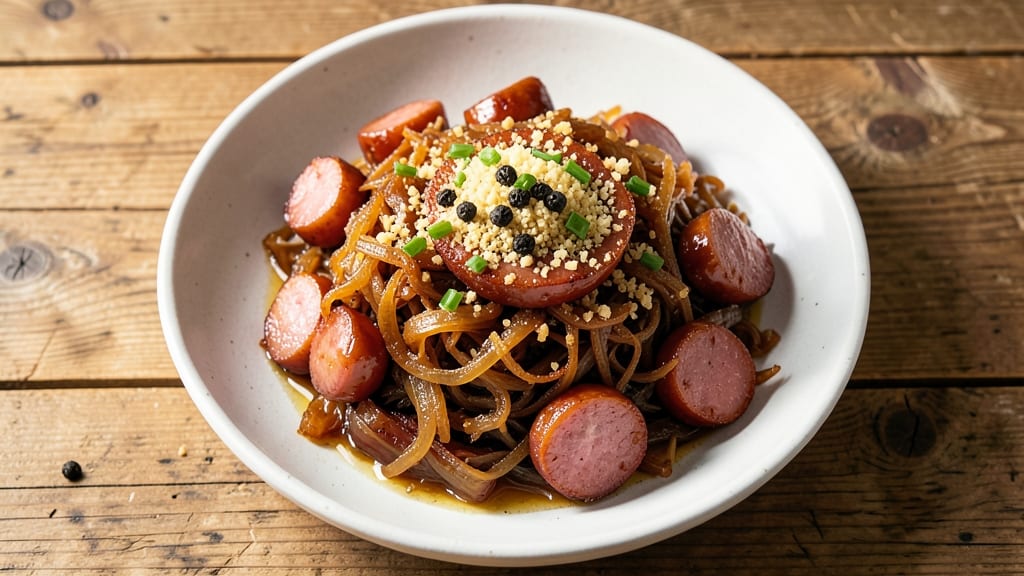
This German fried sauerkraut recipe transforms tangy fermented cabbage into crispy, golden bites that balance smoky sausage perfectly. The secret lies in high-heat frying until edges caramelize, creating texture that rivals traditional German Bratkohl—just with a modern twist.
I developed this version after years of testing, ensuring every bite delivers that satisfying crunch without losing the sauerkraut’s signature tang.
The process is simpler than it sounds: start with properly drained sauerkraut (never skip this step!) and fry in small batches to maintain even browning. Add smoked sausage for depth, and finish with a splash of apple cider vinegar to brighten flavors.
What you’ll end up with is a dish that’s hearty enough for a main course but versatile enough to pair with roasted meats or mashed potatoes.
This method guarantees crispy edges that hold their shape while staying tender inside—a texture that’s hard to resist. The smoky sausage adds richness without overpowering the sauerkraut’s natural acidity, creating a balance that’s both comforting and sophisticated.
Perfect for weeknight dinners or holiday feasts, this recipe delivers restaurant-quality results at home.
For those short on time, an air-fryer adaptation works just as well—simply adjust cooking times and watch for that golden finish. The key is patience; let the sauerkraut develop its crispy crust before serving. This dish proves that fermented vegetables can be a star, not just a side dish.
Ingredients for german fried sauerkraut
The perfect blend of tangy sauerkraut and smoky sausage creates crispy, golden bites that balance texture and flavor.
| Ingredient | Amount | Notes |
|---|---|---|
| Sauerkraut 🥬 | 2 cups | Well-drained, excess liquid removed |
| Smoked Sausage 🌭 | 1 lb | Kielbasa or bratwurst, sliced |
| All-Purpose Flour 🌾 | ½ cup | For breading crispiness |
| Large Eggs 🥚 | 2 whole | Beaten for coating |
| Panko Breadcrumbs 🍞 | ½ cup | For extra crunch |
| Vegetable Oil 🫒 | 2 cups | High smoke point for frying |
| Apple Cider Vinegar 🍎 | 1 tbsp | Brightens final flavor |
| Salt 🧂 | 1 tsp | Kosher or sea salt |
| Black Pepper 🌶️ | ½ tsp | Freshly ground |
| Garlic Powder 🧄 | ½ tsp | For subtle depth |
| Onion Powder 🧅 | ½ tsp | Enhances savory notes |
| Dried Thyme 🌿 | ¼ tsp | Earthy aroma |
| Unsalted Butter 🧈 | 2 tbsp | For finishing richness |
The sauerkraut is the foundation here—look for jars with vibrant color and no slimy residue (the good stuff, not the waterlogged kind). Most grocery stores carry it in the refrigerated section, but Whole Foods or specialty markets often have higher-quality fermented options. If you can't find sauerkraut, kimchi works in a pinch for a similar tangy crunch. For the smoked sausage, kielbasa or bratwurst from the deli counter delivers the best flavor—avoid pre-cooked links with preservatives. The key to crispiness lies in properly draining the sauerkraut before frying; squeeze out every drop of liquid with paper towels. If you're short on time, pre-shredded sauerkraut from the salad bar can work, but it lacks the texture of jarred varieties.
No smoked sausage? Substitute with smoked bacon or even grilled chicken for a lighter option. The breading trio—flour, egg, and panko—is non-negotiable for that satisfying crunch, but almond flour can replace regular flour for a gluten-free twist. For extra depth, add a pinch of smoked paprika to the flour mixture. The apple cider vinegar might seem minor, but it brightens the dish—substitute with lemon juice if needed. If you're frying in batches, keep the cooked portions warm in a 200°F oven to maintain crispiness while you finish the rest. The butter at the end adds richness, but olive oil works too if you're watching fat content.
This dish reheats beautifully—just 5 minutes in a 375°F oven restores that crispy texture. Store leftovers in an airtight container for up to 3 days in the fridge, though it's best served fresh. For meal prep, portion into single servings before freezing—thaw overnight in the fridge for optimal texture. The crispy coating loses its crunch when reheated, so fry fresh portions whenever possible. This recipe doubles easily for larger gatherings, but fry in batches to avoid overcrowding the pan. The smoky aroma alone makes it worth the effort.
Why You'll Love This Recipe
- One-Pan Magic: I swear by this—just drain the sauerkraut, mix it with crumbled sausage, and fry it up. No chopping, no fuss, and one pan that does all the work while you sip your coffee.
- Crispy-Creamy Bite: That panko crust on the sausage? Chef’s kiss. The tangy sauerkraut soaks up the richness, and the breadcrumbs give it this addictive crunch that disappears in seconds—every time.
- Game for Any Meal: Serve it as a side with mashed potatoes, pile it onto a bun for a hearty sandwich, or even toss it into a skillet with eggs for breakfast. (Yes, I’ve done it.)
- Budget-Friendly Leftovers: A single batch stretches for days—reheat in the oven or microwave, and it’s just as good the third time around. Honestly, I make it on purpose to have for lazy nights.
Step-by-step instructions for German fried sauerkraut
Here's how to transform simple sauerkraut into crispy, golden bites with a smoky sausage twist.
Prepare the Sauerkraut Breading Station
Start by draining the 2 cups sauerkraut thoroughly in a colander, pressing out all excess liquid with a clean kitchen towel. This step is crucial—wet sauerkraut won't crisp properly. In a shallow bowl, whisk together the 0.5 cup all-purpose flour, 0.5 tsp garlic powder, 0.5 tsp onion powder, 0.25 tsp dried thyme, 1 tsp salt, and 0.5 tsp black pepper. The flour mixture should be completely homogeneous with no visible powder clumps.
In another shallow bowl, beat the 2 whole large eggs until fully incorporated. The eggs will form the adhesive layer that binds the breading to the sauerkraut. Keep both bowls ready for the breading process—you'll work quickly to maintain crispiness. I like to place them near the frying station so I can move efficiently between dredging and frying.
Fry the Smoked Sausage to Golden Perfection
Heat 1 cup of the 2 cups vegetable oil in a large skillet over medium-high heat until it reaches 350°F on an instant-read thermometer. Cut the 1 lb smoked sausage into ½-inch thick slices and carefully add them to the hot oil. Fry for 3-4 minutes per side until golden brown and cooked through. The sausage should release easily from the pan and have a deep caramelized crust.
Remove the cooked sausage with a slotted spoon and drain on paper towels. Keep the oil hot for the sauerkraut—you want to maintain that 350°F temperature. If the oil temperature drops below 340°F, let it recover before proceeding. This precise temperature ensures the sauerkraut develops that perfect crispy exterior while staying tender inside.
Create the Crispy Sauerkraut Coating
Working in batches to avoid overcrowding, dredge each piece of sauerkraut in the flour mixture first, pressing gently to adhere the seasoning. Then dip into the beaten eggs, allowing excess to drip off before coating thoroughly in the 0.5 cup panko breadcrumbs. The panko will give you that satisfying crunch while the flour mixture adds structure.
Carefully slide the breaded sauerkraut into the hot oil, working in small batches to maintain the 350°F temperature. Fry for 2-3 minutes per side until golden brown and crispy. You'll know it's ready when the breading turns a deep golden color and the sauerkraut releases easily from the oil. Transfer to a paper towel-lined plate to drain excess oil.
Finish with Butter and Vinegar
Reduce the heat to medium and add the 2 tbsp unsalted butter to the skillet. Let it melt completely, about 1 minute, then pour in the 1 tbsp apple cider vinegar. The vinegar will sizzle briefly and add a bright, tangy note that cuts through the richness of the fried sauerkraut.
Return the crispy sauerkraut to the skillet and toss gently to coat in the buttery vinegar mixture. Cook for an additional 1-2 minutes until everything is heated through and the sauerkraut has absorbed the flavorful sauce. The combination of the crispy exterior and the tangy-savory sauce creates the perfect balance of textures and flavors.
Serve Immediately for Maximum Crispiness
Transfer the fried sauerkraut to a serving platter and arrange with the golden sausage slices. The contrast between the crispy sauerkraut and the tender sausage creates an appealing presentation. Serve immediately while everything is hot and crispy—fried foods lose their texture as they cool.
This dish makes 4 generous servings, perfect for a hearty breakfast or as a side for brunch. The crispy exterior gives way to tender sauerkraut with a satisfying crunch from the panko breadcrumbs. Each bite delivers a perfect balance of smoky sausage flavor, tangy vinegar brightness, and the earthy depth of thyme and garlic.
Pro Tips For Making German Fried Sauerkraut
- Drain and Rinse the Kraut: I learned this the hard way—skipping the rinse leaves your fried sauerkraut soggy and flavorless. Drain the sauerkraut, then rinse it under cold water for 30 seconds to strip excess acid, but don’t overdo it or you’ll wash away the tang.
- Slice Sausage Thin: Thick slices of smoked sausage turn chewy and uneven when fried. Cut them into ¼-inch slices—thin enough to crisp in the same pan as the kraut, but not so thin they disintegrate.
- Use Two Frying Stages: First, sear the sauerkraut and sausage in a cold pan over medium heat to render fat evenly. Once browned, crank the heat to high and finish with the breaded mixture—this two-step method guarantees a crispy crust without burning.
- Chill the Breading Mix: Warm panko and egg mix clumps like glue. Stir together the flour, egg, and breadcrumbs, then refrigerate for 10 minutes before dredging. Cold ingredients stick better and create a lighter, crunchier coating.
Dietary considerations for german fried sauerkraut
Gluten-Free Adaptations
Skip the all-purpose flour and use a 1:1 gluten-free flour blend like Bob’s Red Mill or King Arthur for breading. Mix with ½ tsp xanthan gum to mimic flour’s binding properties. For the panko, opt for gluten-free panko crumbs (such as Panko Valley brand) to maintain texture.
The key is ensuring your gluten-free flour has a fine grind to coat the sauerkraut evenly. 🌾
Dairy-Free Options
Replace the 2 tbsp unsalted butter with vegan butter (Miyoko’s or Earth Balance) or olive oil for finishing. Use dairy-free panko breadcrumbs (like Schär brand) to avoid cross-contamination. The apple cider vinegar and smoked sausage remain dairy-free, so the dish stays rich without cheese or butter.
This version works perfectly for vegan diets when substituting plant-based sausage.
Low-Carb Modifications
Swap the panko for crushed pork rinds (about ½ cup) or almond flour for a lower-carb coating. Reduce the flour to ¼ cup and add 1 tbsp psyllium husk powder to bind the breading.
The sauerkraut’s natural tang still shines, but the crispy texture comes from fat, not carbs. This keeps net carbs under 10g per serving while maintaining crispiness.
Allergen-Friendly Tips
For nut allergies, use gluten-free cornmeal instead of almond flour. Double-check panko and sausage labels for hidden allergens—many brands process products in facilities with nuts or dairy. If avoiding eggs, use a flax egg (1 tbsp ground flaxseed + 3 tbsp water) as a binder.
Always read labels carefully, as sauerkraut jars sometimes contain added preservatives.
Vegetarian Swaps
Replace smoked sausage with marinated tofu or tempeh, sliced and pan-fried until crispy. Boost umami with 1 tsp soy sauce in the flour mixture. For extra protein, add ½ cup chickpeas** (drained and fried alongside the sauerkraut). The dish retains its hearty texture while becoming fully plant-based. 🌱
Nutrition facts
Frequently asked questions
Why does my fried sauerkraut turn out soggy instead of crispy?
Soggy results usually mean excess moisture wasn't removed properly. Always press sauerkraut in a colander for 10 minutes before breading, and pat dry with paper towels. Also, maintain oil at 350°F—if it's too cool, the coating won't crisp. Fry in small batches to prevent temperature drops.
Can I make this recipe without deep-frying?
Yes! For an oven-baked version, toss breaded sauerkraut on a parchment-lined tray and bake at 425°F for 15-18 minutes, flipping halfway. For air-frying, cook at 375°F for 6-8 minutes, shaking the basket once. Both methods yield crispy results, though deep-frying gives the deepest golden color.
What's the best way to reheat fried sauerkraut?
Reheat in a 375°F oven for 5-7 minutes on a wire rack to restore crispiness. Avoid microwaving—it makes the coating rubbery. For leftovers, store in an airtight container for 3 days max to preserve texture. The crispy coating loses its crunch after 24 hours, so fry fresh portions when possible.
How can I make this dish spicier?
Add ½ tsp cayenne pepper to the flour mixture or sprinkle 1 tbsp smoked paprika on top after frying. For heat lovers, serve with a side of spicy mustard or hot sauce. The tangy vinegar base balances the spice beautifully, so don't overdo it—start with small amounts and adjust to taste.
What's the traditional German name for fried sauerkraut?
The classic German version is called Bratkohl** (literally "fried cabbage"). This recipe adapts the technique for sauerkraut's tangy profile while keeping the crispy, caramelized texture that makes Bratkohl a German comfort food staple. In Bavaria, it's often served with pork or sausages—just like our smoky sausage twist!