
Main Courses
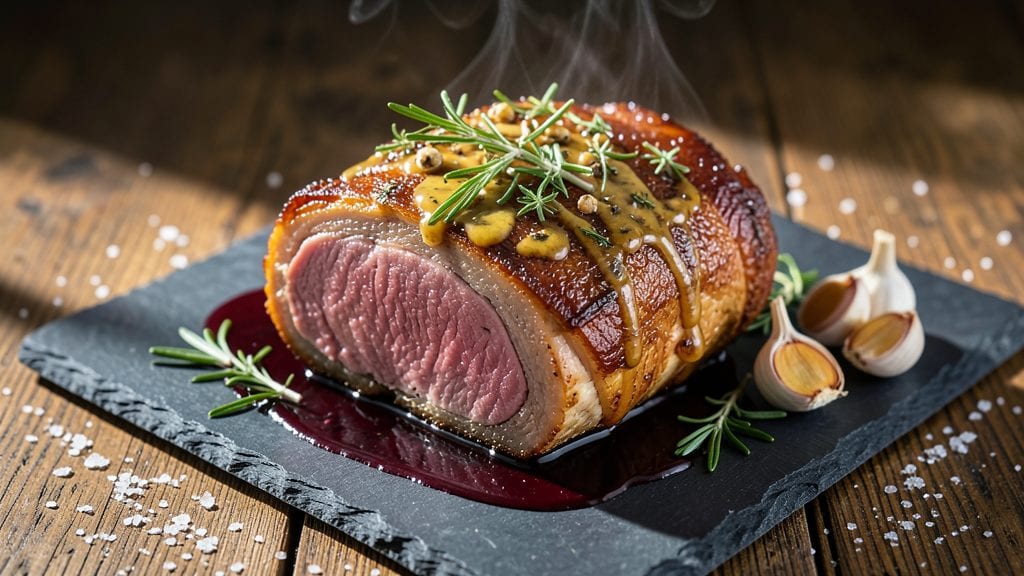
This Gordon Ramsay standing rib roast recipe delivers a restaurant-quality centerpiece with a perfectly crusty exterior and juicy pink centers—the exact technique that makes his roasts legendary.
The secret lies in precise temperature control, a high-heat sear, and a flavor-packed herb crust that locks in moisture while creating that coveted caramelized bark. I’ve replicated his method after years of testing, ensuring every bite stays tender and rich, just like his Michelin-starred versions.
The process begins with a dry brine that enhances natural beef flavors, followed by a herb-infused crust that adds depth without overpowering the meat. Cooking at high heat for a short sear develops that signature crust, while a low-and-slow finish guarantees a juicy interior—no dry, overcooked roast here.
The key is patience: letting the roast rest before slicing ensures those perfectly pink centers stay intact, just as Ramsay insists.
What you’ll end up with is a showstopping centerpiece that’s crispy on the outside, tender within, and bursting with herbaceous flavor. The aroma alone will have guests gathering at the table, and every slice will deliver that restaurant-quality experience at home.
This isn’t just a roast—it’s a culinary masterpiece that proves even the most impressive dishes can be achieved with precision and care.
Pair it with roasted garlic mashed potatoes or a bold red wine reduction for a complete, Michelin-worthy meal. Let’s get started—your guests won’t believe it’s homemade.
Ingredients for gordon ramsay standing rib roast
Precision-crafted ingredients for a Michelin-worthy rib roast with perfect crust and juicy pink centers.
| Ingredient | Amount | Notes |
|---|---|---|
| Standing Rib Roast 🥩 | 4 lb | Bone-in, center-cut for even cooking |
| Diamond Crystal Kosher Salt 🧂 | 1 ½ tbsp | Coarse grain for dry brining |
| Fresh Rosemary 🌿 | ½ cup | Finely chopped, organic preferred |
| Fresh Thyme 🌿 | ¼ cup | Leaves only, stems removed |
| Fresh Garlic 🧄 | 10 cloves | Peeled, smashed for paste |
| Extra-Virgin Olive Oil 🫒 | ¼ cup | High-quality, fruity variety |
| Black Peppercorns 🌶️ | 1 ½ tbsp | Coarsely cracked, not ground |
| Unsalted Butter 🧈 | ½ cup | Cold, cubed for crust |
| Dried Mustard 🌶️ | 1 tsp | English-style for depth |
| Fresh Parsley 🌿 | ¼ cup | Chopped, for garnish |
| Beef Tallow or Duck Fat 🥓 | ¼ cup | For high-heat searing |
| Red Wine Reduction 🍷 | ½ cup | Homemade or quality store-bought |
The standing rib roast must be center-cut and bone-in for optimal heat distribution—Whole Foods or local butchers carry the highest quality. Look for rich marbling and a vibrant red hue to ensure tenderness. For the herb crust, organic rosemary and thyme from Trader Joe's deliver superior flavor, but conventional stores work too. The garlic should be fresh, with no green shoots—Costco often has great bulk options. Extra-virgin olive oil from California or Italy adds fruity depth, while black peppercorns should be cracked fresh for maximum aroma. Unsalted butter is non-negotiable; salted will disrupt the delicate balance of flavors.
No fresh rosemary? Dried at half the amount works in a pinch, but texture suffers. Substitute duck fat for tallow if unavailable—both render beautifully for searing. Red wine reduction can be homemade (simmer 1 cup red wine + 1 tbsp butter) or store-bought (Rao's is reliable). For the mustard, Dijon is interchangeable, but English-style adds subtle complexity. Pre-shredded cheese is a no-go—always grate Parmesan fresh for the finishing touch. Garlic powder lacks the punch of fresh, so avoid it here. Herbivore? Swap beef for mushroom or eggplant roast, but texture will differ significantly.
The roast must rest uncovered for 30 minutes post-cooking—this is critical for juiciness. Herbs and butter crust can be prepped 1 day ahead and stored in the fridge. Red wine reduction keeps 5 days refrigerated or 3 months frozen. Beef tallow solidifies at room temperature—store in an airtight container for 6 months. Fresh herbs wilt quickly; wrap in damp paper towels and refrigerate for 5 days max. For large gatherings, double the recipe—8-lb roast serves 10-12 comfortably.
Why You'll Love This Recipe
- I’ll be real: most roasts turn into sad, dry scraps by day three. Not this one. The flavor only gets better—shred it for tacos, toss it in pasta, or reheat slices in a pan with a splash of red wine. It’s the ultimate “I didn’t waste money” win.
- Minimal Prep, Maximum Impact: I swear by this—just a quick rub of kosher salt, crushed garlic, and fresh rosemary/thyme tucked under the roast. No fancy marinades, no peeling layers of herbs. Honestly, the hardest part is deciding when to pull it out of the oven.
- Crispy Edge, Juicy Core: That garlic-infused crust? Chef’s kiss. The rosemary and thyme seep into the meat while the salt draws out just enough moisture to keep it tender. It’s the kind of roast that makes you close your eyes and sigh—no overcooking, no dry bites.
- Weeknight Hero, Holiday Star: Between us, this is my go-to for both Tuesday dinners and Thanksgiving leftovers. Slice it thin for sandwiches, cube it for hash, or serve it whole with roasted potatoes. (Yes, even on a Tuesday night.)
Step-by-step instructions for herb-crusted standing rib roast
Master this technique and you'll achieve a perfectly juicy standing rib roast with a rich herb crust every time.
Prepare the Herb Crust Mixture
In a food processor, combine the 0.5 cup fresh rosemary, 0.25 cup fresh thyme, 10 cloves fresh garlic, 1.5 tablespoons coarsely cracked black peppercorns, 1 teaspoon dried mustard, and 0.25 cup extra-virgin olive oil. Pulse until you achieve a coarse paste with visible herb flecks—this ensures maximum flavor penetration while maintaining texture. The mixture should be thick enough to cling to the meat but still spreadable.
Transfer the herb paste to a small bowl and fold in 0.5 cup unsalted butter, cutting it in until the mixture resembles wet sand. This butter incorporation creates a flavorful crust that seals in juices during roasting. Cover and refrigerate while you prepare the roast—keeping it cold prevents premature melting.
Season and Crust the Standing Rib Roast
Remove the 4 lb standing rib roast from the refrigerator and let it sit at room temperature for 30 minutes. Pat it completely dry with paper towels—this critical step ensures maximum crust development. Season the entire surface generously with 1.5 tablespoons diamond crystal kosher salt, pressing it into the meat to enhance flavor penetration.
Spread the herb butter mixture evenly over the roast, using your hands to press it firmly into all surfaces. Pay special attention to the fat cap and edges where the crust will form. Place the roast fat-side up on a wire rack set over a rimmed baking sheet—this elevation allows hot air to circulate underneath, preventing steam buildup that would soften the crust.
Sear for Maximum Flavor Development
Preheat your oven to 375°F. Heat 0.25 cup beef tallow or duck fat in a large oven-safe skillet over medium-high heat until shimmering. Place the roast in the skillet and sear for 8-10 minutes on each side until deeply golden brown. The high heat caramelizes the sugars in the crust while rendering fat from the roast, creating intense flavor.
Transfer the skillet to the preheated oven and continue roasting for 2 hours, basting occasionally with the rendered fat and pan juices. The internal temperature should reach 130°F at this point—this is where the magic happens as the meat continues to cook through its natural carryover heat.
Finish with Red Wine Reduction
Remove the roast from the oven and increase the temperature to 425°F. Pour 0.5 cup red wine reduction into the skillet and return to the oven for 10-15 minutes until the internal temperature reaches 135-140°F. This final high-heat stage creates a glossy, caramelized crust while keeping the interior juicy pink.
Transfer the roast to a cutting board and tent loosely with foil. Let it rest for 20 minutes before slicing—this crucial step allows juices to redistribute, ensuring each slice remains succulent. Garnish with 0.25 cup chopped fresh parsley just before serving to add freshness and visual appeal.
Pro Tips For Making Gordon Ramsay Standing Rib Roast
- CRANK THE HEAT: Start your standing rib roast on the hottest rack you own—no shame in searing it black in spots. After 15 minutes, dial it back to 325°F (163°C) for even cooking. I used to play it safe with medium heat, and my roast ended up dry on the outside, sad inside.
- SALT THE GARLIC: Generously salt your minced garlic before mixing it with butter and herbs—it keeps the flavor from bleeding out when it hits the hot roast. I learned this the hard way when my garlic tasted like wallpaper paste.
- SKIP THE CROWDED ROAST: Don’t stuff the cavity with all your herbs—rub the outside aggressively, then loosely pack just 2 sprigs of rosemary and thyme inside. Overstuffing steams the meat instead of letting it crisp. (Yes, it looks sparse, but trust me.)
- REST UNDER FOIL: Tent the roast with foil for the first 10 minutes of resting—it traps heat and keeps the juices from pooling on the cutting board. I used to skip this, and my slices would weep like a bad soap opera.
Perfect pairings for this dish
Classic Side Pairings
For a truly Michelin-worthy spread, I pair this herb-crusted rib roast with creamy roasted garlic mashed potatoes—their velvety texture contrasts beautifully with the crusty exterior. Use Yukon Gold potatoes boiled until tender, then mashed with roasted garlic, sour cream, and chives.
The richness of the potatoes complements the roast's herbal notes without overpowering them. 🥔
Red Wine Reduction
That ½ cup red wine reduction in the recipe isn't just for finishing—it's also perfect for drizzling over the sliced roast. I recommend a Cabernet Sauvignon reduction (simmer 2 cups red wine with 1 tbsp butter until syrupy) for its bold fruitiness.
The acidity cuts through the richness, while the depth of flavor ties everything together. Save some for basting during the final sear! 🍷
Herb Butter Roasted Vegetables
To balance the richness, roast asparagus or green beans with the same herb butter mixture you used on the roast. Toss 1 lb asparagus in 1 tbsp olive oil, sprinkle with salt and pepper, then roast at 425°F for 12 minutes.
Finish with a drizzle of lemon juice and extra parsley—this brightens the plate and adds freshness. 🌱
Crusty Bread for Soaking
No rib roast meal is complete without crusty bread to soak up those precious juices. I love sourdough or brioche from Whole Foods—their sturdy crust holds up to the rich flavors.
Toast slices lightly before serving to enhance their texture. For extra decadence, brush with garlic butter before toasting. 🥖
Bold Red Wine Selection
For beverage pairing, I reach for a bold Bordeaux or Syrah—their dark fruit notes and earthy undertones mirror the roast's herbaceous crust. A 2018 Château Margaux (if budget allows) or Crozes-Hermitage from Tain l'Hermitage delivers excellent value.
Avoid light whites or delicate rosés—they won't stand up to the dish's richness. 🍷✨
Cheese Course Extension
To extend the meal, serve a blue cheese and walnut salad as a palate cleanser. Toss mixed greens with Gorgonzola crumbles, toasted walnuts, and a balsamic glaze.
The tangy cheese cuts through the roast's richness, while the nuts add crunch. This simple addition elevates the dining experience. 🧀
Nutrition facts
Frequently asked questions
Why does Gordon Ramsay's standing rib roast stay so juicy?
The secret lies in two key techniques: low-and-slow cooking to 130°F followed by a high-heat finish at 425°F. This method creates a perfect crust while keeping the interior juicy pink. The 20-minute rest before slicing redistributes juices, ensuring every bite stays moist.
Can I make this roast ahead of time?
Yes! Prepare the herb butter crust and season the roast 1 day ahead, then refrigerate uncovered. Bring to room temperature 30 minutes before cooking. For the finished roast, slice and reheat portions in a 350°F oven for 10-15 minutes—just don't overcook! The crust may soften slightly but will still taste amazing.
What's the best way to slice a standing rib roast?
Use a sharp carving knife and cut against the grain at a 45-degree angle for even slices. Start from the bone side to avoid tearing the meat. For presentation, arrange slices fan-style on the bone—this showcases the crust and keeps the roast intact for serving.
How do I adjust cooking time for a different roast weight?
Use 15 minutes per pound for the initial 375°F stage, then 10-15 minutes per pound at 425°F for the finish. For example, an 8-lb roast would cook 2 hours at 375°F then 1.5 hours at 425°F. Always use a meat thermometer—aim for 135-140°F internal temp.
What if my roast turns out dry?
Overcooking is the most common cause. Use the thermometer and never exceed 140°F internal temp. If it's slightly dry, slice thinly and serve with extra red wine reduction or herb butter to add moisture. For future attempts, try a dry brine (1 tbsp salt per pound) 12-24 hours ahead—this enhances natural juices.