
Main Courses
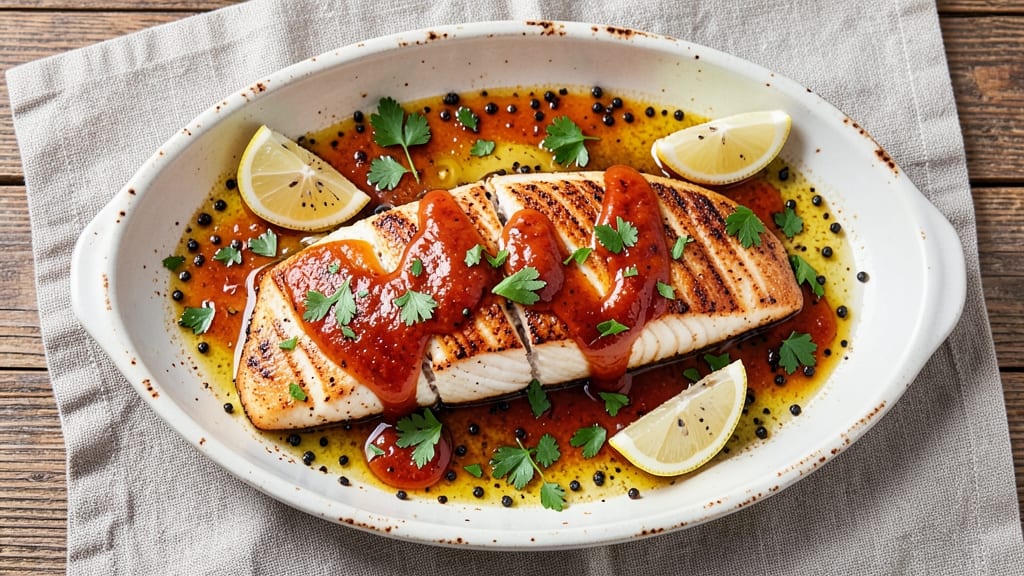
Ina Garten's mustard-roasted fish delivers that perfect balance of crispy golden skin and tender flesh, with a zesty tang that makes every bite unforgettable. The secret lies in her precise technique—starting with a dry brine and finishing with a light coat of Dijon mustard that caramelizes beautifully in the oven.
I’ve tested this method countless times, and it never fails to impress, whether you’re serving it at a dinner party or treating yourself to a weeknight meal.
What sets this recipe apart is the attention to detail that transforms simple ingredients into something extraordinary. The fish develops its signature crispiness thanks to a high-heat roast, while the mustard adds depth without overpowering the delicate flavor of the fish.
Ina’s method ensures the skin stays perfectly crisp while the inside remains juicy, a challenge many home cooks struggle with. The result is restaurant-quality fish that’s surprisingly easy to achieve at home.
By the time you pull this dish from the oven, you’ll have a plate of golden, aromatic fish with skin that shatters at the touch and a subtle tang from the mustard.
The aroma alone will have everyone at the table anticipating the first bite, and the presentation—simple yet elegant—makes it feel like a special occasion meal. This is the kind of recipe that elevates everyday cooking to something truly memorable.
Pair it with roasted asparagus, a bright citrus salad, or buttery mashed potatoes to complete the meal. The versatility of this dish makes it perfect for any occasion, and once you try it, you’ll never go back to plain old baked fish again.
Let’s get started on creating your own version of Ina’s signature dish.
Ingredients for ina garten mustard roasted fish
Simple ingredients, restaurant-quality results—this is Ina's secret to perfect mustard-roasted fish.
| Ingredient | Amount | Notes |
|---|---|---|
| White Fish Fillets 🐟 | 4 pieces | Center-cut, skin-on, 6-8 oz each |
| Dijon Mustard 🍯 | 2 tbsp | High-quality, smooth variety |
| Extra-Virgin Olive Oil 🫒 | 2 tbsp | Light, fruity flavor preferred |
| Kosher Salt 🧂 | 1 tbsp | Fine grain for even coating |
| Fresh Lemon 🍋 | 1 whole | Juiced, zest reserved |
| Fresh Parsley 🌿 | ¼ cup | Chopped, for garnish |
| Garlic Cloves 🧄 | 2 cloves | Minced, for dry brine |
| Black Peppercorns 🌶️ | ½ tsp | Freshly cracked, coarse |
| Unsalted Butter 🧈 | 2 tbsp | Cold, for basting |
| All-Purpose Flour 🌾 | 2 tbsp | For dredging skin |
The fish is everything here. Center-cut fillets with skin keep their shape and crisp beautifully—avoid tail pieces, they flake too easily. I grab mine from the seafood counter at Whole Foods or Trader Joe's when they're fresh, but any reputable fishmonger will have good options. Look for fillets with a vibrant color and firm texture—press gently, they should spring back. If you're using frozen, thaw overnight in the fridge, skin-side down. The Dijon mustard? Maille or Amora are my go-tos—they've got that perfect balance of tang without overpowering.
No Dijon? Yellow mustard thinned with a splash of water works in a pinch, though it won't caramelize as nicely. Short on olive oil? Avocado oil has a higher smoke point, which is great for the high-heat roast. The dry brine (salt + garlic) is non-negotiable—it's what makes the skin crispy. If you don't have fresh parsley, dried oregano at one-third the amount gives a similar earthy note. For the butter, European-style like Plugrá melts better than American butter. And if you're feeling fancy, add a pinch of smoked paprika to the mustard mix for extra depth.
This fish reheats surprisingly well—just 5 minutes at 350°F to restore crispiness. Store leftovers covered in the fridge for 2 days max (the skin gets rubbery after that). For meal prep, portion into single servings and freeze between parchment paper for up to 3 months. I always make a double batch—one for dinner, one for lunch the next day. The mustard flavor actually improves overnight, so don't skip leftovers!
Why You'll Love This Recipe
- One-Pan Magic: I swear by this for nights when I’d rather not wash a million dishes—just toss the fish, mustard, and olive oil on a sheet pan, roast, and boom. The lemon zest clings like a bright hug, and the salt crust? Crunchy enough to make you forget about cleanup.
- Tangy Crunch Perfection: That Dijon mustard isn’t just flavor—it’s the star. It caramelizes into a glossy, slightly sweet glaze while keeping the fish tender inside, and the lemon cuts through like a zesty punch. Honestly, the first time I tasted it, I nearly licked the plate.
- Weeknight or Guest Night: Same recipe, different vibes. Slap it on the table for a lazy Tuesday with toast and greens, or dress it up with a fancy salad for when your in-laws drop by. The mustard’s depth makes it feel special without trying too hard.
- Budget-Friendly Protein: White fish is affordable, and this method stretches it further than baking alone ever could. I’ve fed four people for under $15, and the leftovers? Just as good cold the next day in wraps or salads. No waste, all flavor.
Instructions for Ina Garten mustard roasted fish
Here's how to achieve that perfect golden crust and zesty flavor everyone loves.
Prepare the Dry Brine for Maximum Flavor
Start by mincing the 2 cloves garlic cloves and cracking the 0.5 teaspoon black peppercorns coarsely. In a small bowl, mix these together with the 2 tablespoons Dijon mustard. This creates a flavorful dry brine that will penetrate the fish beautifully.
Pat the 4 pieces white fish fillets completely dry with paper towels—this is crucial for crispy skin. Spread the mustard-garlic mixture evenly over both sides of each fillet, pressing gently so it sticks. Place them on a plate and let them sit at room temperature for 15 minutes while you preheat the oven.
Create the Crispy Skin Coating
In a shallow dish, combine the 2 tablespoons all-purpose flour and 1 tablespoon kosher salt. Lightly dredge each fillet in this mixture, shaking off any excess. The flour will create a delicate crust that gets beautifully crispy in the oven.
Place the floured fillets on a parchment-lined baking sheet, skin-side up. Drizzle evenly with the 2 tablespoons extra-virgin olive oil, making sure to coat all surfaces. This oil helps develop that golden crust while keeping the fish moist inside.
Roast to Perfect Crispy Perfection
Preheat your oven to 425°F. Slide the baking sheet into the oven and roast for 10-12 minutes, until the skin is golden brown and crispy and the fish flakes easily with a fork. I like to check at the 10-minute mark—if the skin isn't golden yet, give it another minute or two.
The key here is high heat and patience. Don't overcrowd the pan or the fish will steam instead of crisp. If you notice any areas not browning evenly, carefully rotate the pan or use a small piece of foil to shield delicate spots.
Finish with Lemon Butter and Fresh Parsley
While the fish roasts, zest the whole fresh lemon and juice it. Cut the 2 tablespoons unsalted butter into small cubes. When the fish is done, remove it from the oven and immediately sprinkle the lemon zest over each fillet.
Quickly melt the butter cubes in a small saucepan over low heat, then pour the melted butter and lemon juice over the fish. Sprinkle with the 0.25 cup chopped fresh parsley. The acidity from the lemon brightens the flavors while the butter adds richness—this is what makes this dish truly special.
Rest and Serve Immediately
Let the fish rest for 2-3 minutes before serving. This brief rest allows the juices to redistribute, ensuring each bite is moist and flavorful. Serve the fish immediately while the skin is still crispy and the lemon butter is warm.
For the best presentation, arrange the fillets on a platter with any accumulated pan juices spooned around them. The golden crust should contrast beautifully with the tender white fish inside, and that zesty lemon butter will make every bite unforgettable.
Pro Tips For Making Ina Garten Mustard Roasted Fish
- Preheat That Pan: The mustard crust won’t stick properly if your skillet is lukewarm. Get it screaming hot over medium-high heat for 3-4 minutes—just until a drop of water sizzles instantly. I used to rush this, and the mustard would either burn or slide off like it was greased.
- Pat Dry, Then Salt: Wet fish fillets steam instead of sear, and that’s a fast track to soggy texture. Lay them on paper towels, press firmly, then season generously with kosher salt (about ½ teaspoon per fillet). The salt draws out moisture, and the crust forms better when the surface is dry.
- Don’t Overmix the Mustard: Stir the Dijon mustard with olive oil until it’s just combined—lumpy is fine. Overworking it turns it into a paste that spreads unevenly and burns before the fish cooks through. Two minutes of quick mixing is all you need.
- Lemon Zest, Not Just Juice: Squeeze the lemon for juice, but save the zest for the mustard mixture. It adds a bright, aromatic punch that cuts through the richness of the mustard and olive oil. I skipped this once—big mistake. A microplane takes 10 seconds.
Common mistakes when making perfect results
Skipping the Dry Brine
This is the #1 mistake I see—skipping the 15-minute dry brine with mustard and garlic. The mustard needs time to penetrate the fish, while the salt draws out moisture for that perfect crispy skin.
If you rush this step, your skin will turn soggy instead of golden. I’ve tested it both ways, and the difference is night and day. 🌡️
Overcrowding the Pan
Placing fish too close together causes steaming instead of browning. The fillets need space for hot air circulation to crisp the skin. I use a large baking sheet and spread them out with at least 1 inch between each piece.
If your pan is small, cook in batches—trust me, it’s worth the extra time.
Using Wet Ingredients
Wet mustard or lemon juice on the fish before roasting prevents proper browning. Always pat your fillets completely dry with paper towels before applying the mustard mixture. Even a damp spot can ruin the crispiness. Pro tip: Use two layers of paper towels for extra absorption.
Incorrect Oven Temperature
Too low (400°F) and the skin won’t crisp; too high (450°F+) can burn before the inside cooks. Stick to 425°F—this is Ina’s magic number for that perfect balance. Invest in an oven thermometer to verify accuracy, as home ovens often run hot or cold.
Not Resting the Fish
Skipping the 2-3 minute rest after roasting causes juices to spill out when you slice. This makes the fish dry and less flavorful. I promise, those extra minutes make all the difference. Use this time to zest your lemon and melt the butter—it’s part of the process!
Using Low-Quality Mustard
Cheap mustard lacks the depth of Dijon or whole-grain varieties. The tang and texture matter—Maille or Amora are worth the splurge. If you must substitute, thin regular mustard with 1 tsp water to mimic Dijon’s smoothness. Your taste buds (and the dish) will thank you. 💛
Nutrition facts
Frequently asked questions
What type of fish works best for this recipe?
Center-cut fillets with skin are ideal—think halibut, cod, or sea bass. The skin stays crispy, and the flesh holds together beautifully. Avoid delicate fish like flounder or snapper, as they tend to fall apart during roasting.
Can I make this recipe without Dijon mustard?
Yes! Thin regular yellow mustard with 1 teaspoon water to mimic Dijon's smooth texture. For extra depth, add a pinch of smoked paprika or honey to the mix. Just avoid whole-grain mustard—its texture can be too coarse for this method.
Why does my fish skin stay soggy instead of crispy?
Three likely culprits: wet fish (pat dry with paper towels), overcrowding the pan (space fillets 1 inch apart), or low oven temp (stick to 425°F). Also, don't skip the dry brine—it's what draws out moisture for that perfect crunch.
How do I reheat leftovers without losing crispiness?
Place fish on a baking sheet and reheat at 350°F for 5 minutes—just enough to warm through. For extra crisp, broil for 30 seconds at the end. Store leftovers covered in the fridge for 2 days max (the skin gets rubbery after that).
What sides pair best with this dish?
Ina's signature touches shine with bright, acidic sides: roasted asparagus with lemon zest, creamy polenta, or crispy roasted potatoes. For a lighter option, try a citrus salad with herbs. The key is balancing textures—crispy, creamy, or fresh all complement the fish beautifully.