
Side Dishes
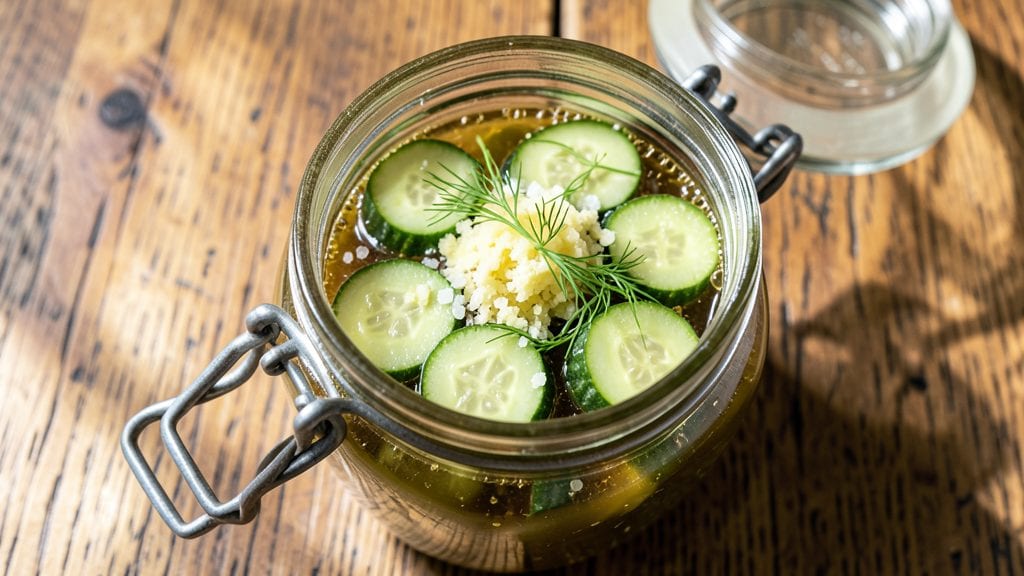
Nathan's sweet horseradish pickles deliver that perfect balance of spicy kick and sweet crunch that elevates any meal from ordinary to extraordinary. This fermented condiment transforms simple cucumbers into a vibrant, tangy-sweet accompaniment that pairs beautifully with sandwiches, charcuterie boards, or grilled meats.
The process is straightforward—just seven days of fermentation creates a complex flavor profile that's impossible to resist.
The secret lies in the combination of fresh horseradish root, sugar, and vinegar, which work together to create a condiment that's both sweet and fiery. Unlike store-bought versions, this recipe develops depth over time, with the horseradish mellowing into a subtle heat that complements rather than overpowers.
The result is a bright green, glossy pickle with a satisfying crunch and a flavor that lingers just long enough to make every bite memorable.
What makes this recipe truly professional is its versatility—use it as a sandwich topping, a garnish for soups, or a side for burgers and tacos. The fermentation process ensures a natural preservation that keeps these pickles fresh for months, making them perfect for meal prep or gifting.
With just a few simple ingredients and minimal effort, you'll have a condiment that rivals anything you'd find in a specialty store.
Ready to transform your meals with this bold, flavorful condiment? The process is simple, and the results are undeniably impressive. Let’s get started on creating a batch that will become a staple in your kitchen.
Ingredients for nathan's sweet horseradish pickles
Seven ingredients. Seven days. A condiment that transforms sandwiches into showstoppers.
| Ingredient | Amount | Notes |
|---|---|---|
| Fresh Horseradish Root 🌿 | ½ lb | Freshly grated, no pre-packaged |
| Kirby Cucumbers 🥒 | 2 lbs | Small, firm, unpeeled |
| White Vinegar 💧 | 2 cups | White or apple cider |
| Granulated Sugar 🍚 | 1 cup | White or raw cane |
| Diamond Crystal Kosher Salt 🧂 | ½ cup | Not iodized, for fermentation |
| Fresh Dill Weeds 🌿 | ¼ cup | Chopped, stems removed |
| Garlic Cloves 🧄 | 4 cloves | Thinly sliced, peeled |
| Black Peppercorns 🌶️ | 1 tbsp | Crushed, for subtle heat |
| Red Wine Vinegar 🍷 | ½ cup | For depth, optional but recommended |
The horseradish root is the heart of this recipe—freshly grated from a whole root makes all the difference. Skip the pre-packaged stuff; it's dull in comparison. Local farmers markets or specialty grocers often carry better quality roots. For cucumbers, Kirby or Persian types are ideal—they're small, crisp, and stay crunchy. If you can't find them, regular slicing cucumbers work, but cut them into slightly larger spears. The vinegar? White vinegar is classic, but apple cider adds subtle sweetness. I always grab Heinz white vinegar from the store—it's consistent and affordable.
No fresh horseradish root? Fresh ginger at double the amount gives a different but still vibrant kick. Short on dill? Fresh parsley works too, though it's not the same. The garlic can be minced, but thinly sliced keeps the texture more interesting. If you're avoiding red wine vinegar, extra lemon juice at half the amount brightens things up. The salt is non-negotiable—Diamond Crystal kosher is best for fermentation, but Morton's unsalted works in a pinch. Just don't use iodized table salt; it can interfere with the process.
These pickles keep for 6-12 months in the fridge, fermenting deeper over time. Store in a clean, airtight jar with the liquid covering the cucumbers. Burp the jar daily for the first week—just open it briefly to release gases. Once fermentation slows, they're good to go. I always make a double batch—one for immediate use, one to gift. The flavor only gets better with age, so plan ahead if you're patient.
Why You'll Love This Recipe
- No-Fuss Prep: I’ll be real—this takes less effort than a grocery run. Just slice those Kirby cucumbers (no peeling!), grate the horseradish, and toss everything into a jar. The vinegar and sugar do all the work while you’re watching a show.
- Sweet Heat Magic: That horseradish root? It’s the star—sharp at first, then melting into this unexpected sweetness that lingers. The sugar balances the bite, and the vinegar keeps it bright. Honestly, it’s the kind of pickle that makes you reach for seconds without thinking.
- Party-Ready Snack: These disappear at gatherings—no one can resist the crunch and tang. Serve them with burgers, charcuterie, or just straight from the jar. I’ve even sent them in mason jars as gifts, and they’re always the first to go.
- Jars Full of Savings: A single batch stretches for weeks in the fridge, and the ingredients won’t break the bank. Fresh horseradish lasts forever in the freezer, and cucumbers? You’ll use them before they spoil. It’s my go-to for stretching a budget without sacrificing flavor.
Step-by-step instructions for nathan's sweet horseradish pickles
Here's how to transform fresh ingredients into bold, spicy-sweet pickles with a perfect fermented crunch.
Prepare the Horseradish and Cucumber Base
Start by peeling the 0.5 lb fresh horseradish root using a vegetable peeler, then grate it finely using the large holes of a box grater. You'll need about 1 cup of freshly grated horseradish—this is where the signature kick comes from. Transfer it to a large mixing bowl and set aside.
Next, wash the 2 lbs Kirby cucumbers thoroughly and slice them into ½-inch thick rounds. I like to keep the slices uniform so they ferment evenly. Add the cucumber slices to the bowl with the horseradish and toss gently to combine. The horseradish will release its sharp oils, which will mingle beautifully with the cucumbers as they ferment.
Create the Brine and Sweet-Spicy Mixture
In a separate bowl, combine the 2 cups white vinegar, 1 cup granulated sugar, 0.5 cup Diamond Crystal kosher salt, and 0.5 cup red wine vinegar. Stir vigorously until the sugar and salt dissolve completely—this creates the base for the sweet-spicy brine. The mixture should be syrupy but pourable.
Add the 0.25 cup chopped fresh dill weeds and 4 thinly sliced garlic cloves to the brine, then crush the 1 tablespoon black peppercorns lightly with the flat side of a knife before adding them too. This combination of herbs and spices will infuse the pickles with complex layers of flavor. Give everything another stir to ensure the dill and garlic are fully incorporated.
Layer and Pack the Fermentation Jar
Transfer the cucumber and horseradish mixture to a clean, sterilized quart-sized mason jar. Pack it tightly but gently—you want to leave about 1 inch of headspace at the top. This prevents overflow during fermentation. Pour the prepared brine over the cucumbers until they're fully submerged, then add a few extra ice cubes if needed to ensure everything stays covered.
The key here is complete submersion—this prevents mold and ensures even fermentation. If any cucumbers float to the surface, press them down gently with a clean spoon. Seal the jar tightly with the lid and place it in a cool, dark spot like a pantry or cellar. Let it ferment at room temperature for 3-4 days, opening the jar daily to release any built-up gas.
Taste and Adjust for Perfect Balance
After 3-4 days, open the jar and taste a cucumber slice. It should be tangy with a sharp horseradish bite, but not overly sour or harsh. If the flavor is too mild, let it ferment another 1-2 days. If it's too intense, remove the jar from fermentation and proceed to the next step immediately—this prevents over-fermentation and bitterness.
Once you're happy with the flavor, transfer the pickles to the refrigerator to slow down fermentation. They'll continue developing flavor but at a much slower pace. The pickles are best enjoyed within 7 days, though they'll keep in the fridge for up to 3 weeks if stored properly. The horseradish's heat will mellow slightly over time, but the sweet-spicy balance remains sharp and vibrant.
Serve and Store for Maximum Freshness
When ready to serve, remove the pickles from the jar and drain them on a paper towel-lined plate for 10-15 minutes to remove excess moisture. This step prevents sogginess and helps the pickles maintain their crisp texture. Serve them chilled as a bold side dish, on charcuterie boards, or as a tangy topping for sandwiches and burgers.
For storage, return the pickles to the jar and cover them with the remaining brine. Seal the jar tightly and refrigerate. The brine will preserve the pickles for up to 3 weeks, though the flavor peaks within the first week. If you notice any discoloration or off smells, discard the pickles immediately—they've gone bad. Proper fermentation should yield pickles with a bright, glossy appearance and a crisp, satisfying crunch.
Pro Tips For Making Nathan'S Sweet Horseradish Pickles
- PEEL THE HORSERADISH RIGHT: Don’t just slice the root raw—peel it first with a paring knife or vegetable peeler. The skin’s bitterness lingers even after cooking, and scraping it off takes 30 seconds. I learned this the hard way when my first batch tasted like a mix of sweet and bitter mud.
- SALT THE BRINE COLD: Dissolve the kosher salt in the vinegar before adding sugar, and do it in cold liquid. Hot water makes the salt clump like a science experiment fail, and you’ll end up with grainy pickles. Stir until fully dissolved—no lumps, no excuses.
- USE A KNIFE, NOT YOUR TEETH: Kirby cucumbers are tiny but stubborn. Cut them into even ½-inch slices with a sharp chef’s knife instead of snapping them—uneven pieces mean uneven pickling. And for the love of all things crisp, don’t bite them to test doneness. You’ll regret it.
- COVER THEM TIGHTLY: Pack the jars firmly with cucumbers and horseradish, then pour the brine right to the rim. The horseradish will float—press it down with a clean spoon or the back of a fork. Air gaps = soggy, waterlogged pickles. No one wants that.
Wine and beer pairings for these flavors
Crisp White Wine
These sweet horseradish pickles shine when paired with a dry Riesling or Pinot Grigio—their bright acidity cuts through the horseradish's heat while complementing the sugar's sweetness. I love Chateau Ste.
Michelle Riesling ($12-$15) for its crisp finish that refreshes your palate after every bite. The wine's natural tartness mirrors the pickles' tangy-sweet profile, creating a perfect harmony. 🍷
Hoppy IPA Balance
For beer lovers, a hazy IPA with citrusy hops like Three Floyds Hazy Little Thing ($7-$9) works surprisingly well. The beer's tropical fruit notes contrast beautifully with the horseradish's sharpness, while the malt sweetness echoes the pickles' sugar.
This pairing feels modern and unexpected—great for grilled meats or charcuterie boards. 🍺
Spicy-Sweet Mead
If you're feeling adventurous, try a spiced mead like Archer's Peak Smoked Mead ($18-$22). The honey sweetness enhances the pickles' sugar, while the smoky notes add depth to the horseradish's kick. This pairing feels luxurious and pairs exceptionally well with rich dishes like duck or smoked brisket. 🍯
Light Red Contrast
A dry Rosé or light Pinot Noir adds an unexpected but delightful contrast. I recommend Whispering Angel Rosé ($12-$16) for its crisp acidity and berry notes, which balance the horseradish's heat without overpowering it.
The red fruit flavors in the wine create a beautiful interplay with the pickles' sweet-spicy profile. 🍇
Non-Alcoholic Sparkle
For a refreshing non-alcoholic option, sparkling apple cider like Martinelli's Sparkling ($5-$7) adds effervescence that cleanses the palate between bites. The slight tartness of the cider enhances the pickles' tangy-sweetness, making it a perfect choice for brunch or light meals. 🍏
Garnish with Garnish
To elevate your pairing, garnish drinks with edible flowers or a horseradish-infused simple syrup drizzle. A few drops of hot honey on the pickles or in the drink adds another layer of sweetness that ties everything together. This small touch makes the pairing feel complete and intentional. ✨
Nutrition facts
Frequently asked questions
Why does this recipe use fresh horseradish instead of prepared?
Freshly grated horseradish delivers a much more vibrant, complex heat that mellows beautifully during fermentation. Prepared horseradish often contains additives that can alter the flavor profile and texture of these sweet-spicy pickles. The fresh root also releases its oils more effectively, creating that signature sharp kick.
Can I make these pickles without vinegar?
While possible, vinegar is essential for both preservation and the signature tangy-sweet balance. For a fermented version, you'd need to use 2% salt brine instead and monitor closely for 10-14 days. The flavor will be more sour and funky, lacking the sweet-spicy harmony of the vinegar method. If you're set on no vinegar, consider a 50/50 vinegar-water mix instead.
How do I know when the pickles are ready to eat?
After 3-4 days of fermentation, taste a slice—they should have a bright tang with a sharp horseradish bite. If too mild, ferment 1-2 more days. If too intense, refrigerate immediately. The ideal balance is when the sweetness and heat complement each other perfectly, not overpower.
Can I use regular cucumbers instead of Kirby?
Yes, but you'll need to adjust the size. Kirby cucumbers stay crisp, so with regular cucumbers, cut slices ¼-inch thick and pack them tightly in the jar. They may soften slightly faster, but the flavor will still be excellent. For extra crunch, add 1 tsp calcium chloride to the brine.
What if my pickles turn cloudy or smell off?
Cloudiness can happen if the cucumbers weren't fully submerged or if fermentation went too long. If you detect any sour, rotten, or yeasty smells, discard immediately—these are signs of spoilage. Always keep the brine covering the pickles and store in a cool, dark place. Properly made pickles should stay bright and crisp.