
Desserts
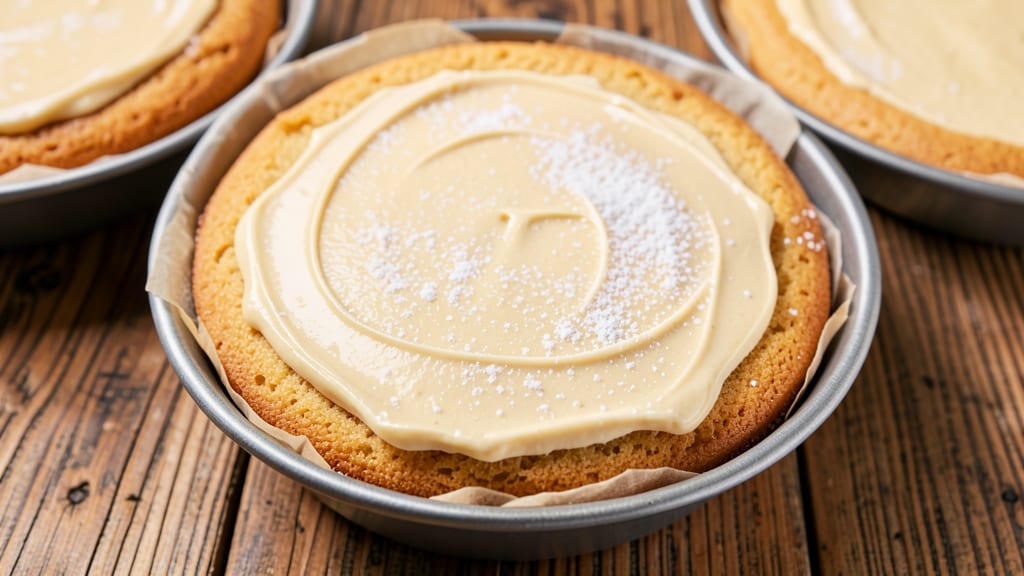
This Philadelphia butter cake recipe delivers the perfect balance of tender vanilla layers and rich, buttery frosting that melts in your mouth. The secret lies in the high butter content—both in the cake batter and the frosting—which creates that signature moist texture and delicate crumb.
After years of perfecting this classic, I’ve developed a method that ensures every slice is light yet substantial, with a frosting so velvety it almost disappears with each bite.
The beauty of this recipe is its simplicity—just a handful of ingredients, but each plays a crucial role. The cake relies on precise measurements and gentle mixing to avoid overdevelopment, while the frosting combines butter, powdered sugar, and vanilla to create a smooth, spreadable finish.
Baking at the right temperature (350°F) ensures even rise and golden edges without drying out the layers. Once cooled, the cake becomes a blank canvas for your frosting, ready to be assembled with care.
What you’ll end up with is a cake that’s as impressive to look at as it is to eat—layers of vanilla-infused cake separated by fluffy buttercream, all topped with a final dusting of powdered sugar for elegance.
The frosting isn’t just sweet; it’s rich and flavorful, with a hint of vanilla that ties the whole dessert together. This is the kind of cake that makes gatherings feel special, whether it’s a birthday celebration or a quiet afternoon treat.
For those who love tradition, this recipe stays true to the original while offering flexibility—swap vanilla extract for bourbon or almond extract for a twist, or add a layer of lemon curd between the cake and frosting.
The key is patience: let the cake cool completely before frosting, and allow the assembled cake to rest in the refrigerator for at least an hour before serving. This ensures clean slices and the perfect texture with every bite.
Ingredients for philadelphia butter cake
High butter content and precise measurements create this classic vanilla cake's signature moist crumb.
| Ingredient | Amount | Notes |
|---|---|---|
| Unsalted Butter 🧈 | 2 cups | Room temperature, full-fat preferred |
| All-Purpose Flour 🌾 | 2 ½ cups | Sifted, spooned and leveled |
| Granulated Sugar 🍚 | 1 ½ cups | White or light brown |
| Pure Vanilla Extract 🍯 | 2 tbsp | Bourbon or almond extract optional |
| Large Eggs 🥚 | 4 whole | Room temperature, separated |
| Baking Powder 🧂 | 2 tsp | Aluminum-free preferred |
| Salt 🧂 | ½ tsp | Fine sea salt |
| Powdered Sugar 🍚 | 4 cups | For frosting, sifted |
| Heavy Whipping Cream 🥛 | 1 cup | Cold, for frosting stability |
| Vanilla Bean Paste 🍯 | 1 tbsp | Or 1 tsp pure extract |
| Milk 🥛 | ¼ cup | Whole milk preferred |
The butter is non-negotiable—European-style unsalted butter like Plugrá or Land O'Lakes delivers the richest flavor. Room temperature is critical; if it's too cold, the cake won't rise properly. For the flour, King Arthur or Gold Medal brands work best due to their consistent protein levels. Sift it thoroughly to avoid dense layers. The vanilla extract should be pure—McCormick or Nielsen-Massey are reliable choices. If you're using vanilla bean paste, split the bean and scrape the seeds for maximum flavor. Eggs should be at room temperature to ensure even mixing and proper leavening.
No vanilla extract? Vanilla sugar works at half the amount, though the flavor won't be as pronounced. For a twist, bourbon or almond extract adds depth, but reduce to 1 tbsp. Short on powdered sugar? Confectioners' sugar from a jar is fine, but sift it well to avoid lumps. The heavy whipping cream should be cold—store it in the fridge overnight if needed. For a lighter frosting, substitute half the cream with whipped topping. The milk can be skim if necessary, but whole milk enhances richness. If you're baking in a high-altitude area, reduce the sugar slightly to prevent over-browning.
Store the cake layers in an airtight container at room temperature for up to 3 days, separated by parchment paper. The frosting keeps well in the fridge for 5 days—rewhip before using if it loses volume. For longer storage, freeze the assembled cake for up to 3 months. Thaw overnight in the fridge before serving. To keep the cake fresh, place it on a wire rack in a cool, dry place away from direct sunlight. The frosting can be made a day ahead and stored in the fridge, but bring it to room temperature before whipping.
Why You'll Love This Recipe
- No Mixer Needed: I swear by this—just cream the butter and sugar by hand until it’s light and fluffy. No standing over a hot stove or wrestling with electric beaters. That rich butter flavor? It practically melts into the cake on its own.
- Vanilla Bomb: That deep, warm vanilla extract isn’t just an afterthought—it’s the star. One sniff of the batter and you’re already planning your next slice. Honestly, I’ve tried imitation vanilla, but this? It’s the real deal.
- Weeknight to Party: Same five ingredients, different results. Serve it plain for a quick breakfast, frost it with cream cheese for a brunch hit, or crumble it over ice cream for dessert. It’s the chameleon of cakes—no extra effort, just pure flexibility.
- Leftovers That Last: This cake stays moist for days, which means fewer bake-offs and more time for other things. I’ve had slices that were still tender on day four—no dry, sad crumbs here. Plus, it’s budget-friendly; you’re not using specialty ingredients, just good basics.
Step-by-step instructions for Philadelphia butter cake
Here's the method for creating a tender, vanilla-infused cake with perfectly balanced layers and velvety buttercream.
Prepare the Cake Batter
Preheat your oven to 350°F and grease two 9-inch round cake pans with the 2 cups unsalted butter, reserving ½ cup for the frosting. Line the bottoms with parchment paper for easy removal. In a large mixing bowl, combine the 2.5 cups all-purpose flour, 1.5 cups granulated sugar, 2 tsp baking powder, and 0.5 tsp salt. Sift the dry ingredients together to remove any lumps and ensure even distribution.
In a separate bowl, beat the 4 whole large eggs until they're light and frothy. Add the 2 tbsp pure vanilla extract and mix until fully combined. Gradually pour the egg mixture into the dry ingredients while mixing on low speed. Add the 0.25 cup milk and mix just until combined—don't overmix. The batter should be smooth and slightly thick, with no visible streaks of flour.
Bake the Cake Layers
Divide the batter evenly between the prepared cake pans. Tap each pan gently on the counter to remove any air bubbles. Bake for 25-30 minutes or until a toothpick inserted into the center comes out clean. The cakes should spring back gently when pressed in the center and have a golden dome on top.
Remove the cakes from the oven and let them cool in the pans for 10 minutes. Then transfer them to a wire rack to cool completely. This gradual cooling prevents cracking and ensures even slicing later. While the cakes cool, prepare your frosting by combining the reserved ½ cup unsalted butter, 4 cups powdered sugar, 1 cup heavy whipping cream, and 1 tbsp vanilla bean paste in a mixing bowl.
Create the Buttercream Frosting
Beat the ½ cup unsalted butter with an electric mixer until smooth and creamy. Gradually add the 4 cups powdered sugar while mixing on low speed to avoid a cloud of sugar. Increase the speed to medium and beat for 2-3 minutes until the mixture is light and fluffy. Add the 1 cup cold heavy whipping cream and the 1 tbsp vanilla bean paste, mixing until fully incorporated and the frosting reaches a thick, spreadable consistency.
For a smoother frosting, press it through a fine-mesh sieve to remove any lumps. Taste and adjust the sweetness if needed—add a bit more powdered sugar if it tastes too mild. The frosting should be sweet enough to complement the cake's vanilla flavor without overpowering it. Cover the bowl with plastic wrap and refrigerate for 30 minutes to firm up slightly before assembling.
Assemble the Cake
Once the cake layers are completely cool, level the tops if necessary using a serrated knife. Place the first layer on a cake stand or plate and spread a thin layer of frosting on top. This "crumb coat" helps prevent crumbs from getting into the final frosting. Add the second layer and repeat the process, pressing down gently to ensure even contact between layers.
Spread the remaining frosting evenly over the entire cake, using a spatula to create smooth sides. For a classic Philadelphia look, pipe decorative swirls or rosettes on top using a star tip. Chill the cake in the refrigerator for 1 hour before serving to allow the frosting to set properly. The final result should be a perfectly balanced cake with tender layers and rich, creamy frosting.
Pro Tips For Making Philadelphia Butter Cake
- CREAM BUTTER FIRST: Mix the butter and sugar until it’s pale yellow—not just combined, but actually lightened up. I used to stop when it looked creamy, but this step dissolves more sugar into the butter, making the cake tender and rich. (Yes, it takes 5-7 minutes with a stand mixer.)
- WEIGH YOUR FLOUR: Scooping flour from the bag packs it down, adding extra moisture and making your cake dense. Use a kitchen scale for 250g (about 2 cups) and spoon it into the bowl—don’t press it down. I learned this the hard way when my cake turned out like a brick.
- DON’T OVERMIX: Stop folding in the dry ingredients as soon as they’re just incorporated—no streaks, but no extra stirring either. Overmixing develops the gluten, and that’s how you end up with a tough, chewy cake instead of the light, crumbly texture you want. (Trust me, I’ve ruined plenty this way.)
- EGGS AT ROOM TEMP: Cold eggs from the fridge won’t blend smoothly and can leave pockets of unincorporated liquid in your batter. Let them sit out for 30 minutes before cracking them in—this ensures a silky, uniform mix. (I skip this and regret it every time.)
Regional styles of philadelphia butter cake
Classic Philadelphia Style
The original Philadelphia butter cake emerged in the early 20th century as a delicate, two-layer vanilla cake with a signature buttercream frosting. This version uses the classic Swiss meringue buttercream—made with egg whites and sugar—rather than the simpler American buttercream in the base recipe.
The cake layers are slightly denser, with a higher butter-to-flour ratio (3:4) for that signature melt-in-your-mouth texture. I’ve seen bakeries in Pennsylvania still using 18th-century Dutch ovens for baking, which create a crispier crust while keeping the interior moist. 🧈
Southern Comfort Twist
In the American South, this cake often gets a bourbon-soaked vanilla bean infusion (steep 1 bean in 2 tbsp bourbon for 24 hours) and a lemon glaze drizzle on top. The frosting incorporates 1 tbsp sour cream for tanginess, and some bakers add 1 tsp cinnamon to the dry ingredients.
For a true Southern touch, serve with peach preserves between the layers instead of plain frosting. The heat and humidity of the region make this version extra moist—perfect for summer gatherings.
Midwest Homestyle Adaptation
Midwestern bakers often replace the buttercream with a cream cheese frosting (mix 8 oz cream cheese with 1 cup butter and 3 cups powdered sugar) for a lighter texture.
The cake itself sometimes includes 1 tsp nutmeg in the batter, and the frosting gets a dusting of cinnamon sugar on top. This version is popular at state fairs and church potlucks, where it’s often served in square pans for easy slicing.
I’ve noticed Midwest bakers prefer whole milk over buttermilk in the batter for a richer crumb.
Modern Fusion Variations
For a contemporary twist, try a matcha-infused version—replace 1 tbsp vanilla extract with 1 tsp high-quality matcha powder for a subtle earthy flavor. The frosting can be tinted pastel pink with natural beet powder for a visually stunning effect.
Another trendy adaptation is the "dirty butter cake"—fold 1 cup crushed Oreos into the frosting for a chocolatey surprise. These modern takes keep the cake’s traditional structure while adding unexpected flavors. 💫
European Butter Cake Influence
European bakers often use European-style butter (like Plugrá) and incorporate 1 tbsp sour cream into the batter for extra tenderness. The frosting may include 1 tbsp lemon curd for brightness, and the cake is sometimes baked in loaf pans for a rustic presentation.
In Germany, a similar cake called "Butterkuchen" is often flavored with rum or kirsch (cherry brandy) and topped with powdered sugar. The texture is slightly denser, with a caramelized crust from baking in a dark cast-iron skillet.
Nutrition facts
Frequently asked questions
Why does Philadelphia butter cake need so much butter?
The high butter content—2 cups in the batter alone—creates that signature tender, moist crumb and rich flavor. Butter adds fat that keeps the cake soft, while its emulsifying properties create a fine, even crumb structure. The frosting's butter also contributes to its velvety texture and stability. For best results, use European-style unsalted butter like Plugrá or Land O'Lakes.
Can I make this cake in a different pan size?
Yes, but adjust baking time and temperature to prevent uneven cooking. For 8-inch pans, bake at 325°F for 35-40 minutes—the smaller surface area needs lower heat. For 10-inch pans, increase to 375°F and bake 20-25 minutes. Always use parchment paper and grease pans thoroughly to ensure easy release.
What's the best way to store leftover cake?
Wrap each layer individually in plastic wrap and store in an airtight container at room temperature for up to 3 days. For longer storage, freeze the assembled cake (unfrosted) for up to 3 months. Thaw overnight in the fridge before frosting. The frosting keeps separately in the fridge for 5 days—rewhip before using if it loses volume.
Why did my cake turn out dense instead of light?
Overmixing the batter or using cold butter are the most common causes. Mix just until combined—no more than 30 seconds after adding flour. Ensure your butter is soft but not melted (press a finger into it; it should leave a slight indent). Also, check your baking powder isn't expired, and avoid opening the oven door during baking.
Can I substitute buttercream with another frosting?
Yes! For a lighter option, try Swiss meringue buttercream (whipped egg whites + sugar) or cream cheese frosting (8 oz cream cheese + 1 cup butter). For a tangy twist, use lemon curd between layers. Just ensure your frosting is at room temperature before assembling to prevent melting. The key is consistency—your frosting should be spreadable but not runny.