Main Courses
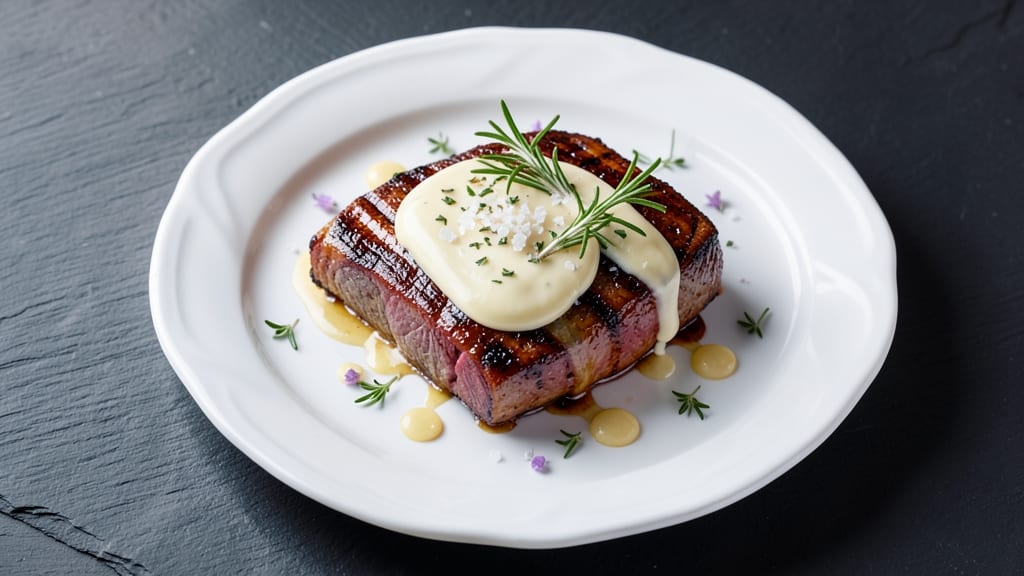
Mastering a rib eye roll steak with a buttery-herb crust and perfect pink centers is the kind of cooking skill that makes you feel like a true chef.
Standing on a step stool in my grandmother's kitchen in Sicily, I learned how to balance bold flavors with tender meat—now I'm sharing that same magic with you.
The secret lies in the crust: rich, aromatic herbs pressed into the steak before a careful sear, ensuring every bite delivers that perfect harmony of texture and taste.
This isn't just another steak recipe—it's a foolproof method that transforms even the toughest cuts into melt-in-your-mouth perfection. We're talking 15 minutes of active prep, followed by a reverse sear that guarantees a juicy center and a crust so flavorful it'll have everyone asking for seconds.
The herb butter isn't just decoration; it's the game-changer that keeps the steak moist while adding layers of savory depth.
Imagine slicing into that steak and revealing a rosy pink center surrounded by a golden, herb-infused crust—each slice so tender it practically melts. The resting time is just as critical as the cooking, and I'll show you exactly how to do it right so no juices escape.
This is the kind of steak that turns weeknight dinners into special occasions without the fuss.
Whether you're grilling for a crowd or treating yourself to a solo indulgence, this method delivers restaurant-quality results at home. Pair it with a simple salad or roasted potatoes, and you've got a complete meal that'll impress even the toughest critics. Let's get cooking!
Ingredients for rib eye roll steak
The secret to restaurant-quality rib eye roll steak lies in these bold, aromatic ingredients.
| Ingredient | Amount | Notes |
|---|---|---|
| Rib Eye Steak 🥩 | 3 lb | Thick-cut, center-cut preferred |
| Unsalted Butter 🧈 | ½ cup | Cold, cut into 1-inch pieces |
| Fresh Rosemary 🌿 | ¼ cup | Finely chopped, stems removed |
| Fresh Thyme 🌿 | ¼ cup | Leaves only, finely chopped |
| Fresh Garlic 🧄 | 8 cloves | Minced, peeled |
| Kosher Salt 🧂 | 1 ½ tbsp | Coarse grain preferred |
| Black Peppercorns 🌶️ | 1 ½ tbsp | Freshly cracked |
| Extra-Virgin Olive Oil 🫒 | 2 tbsp | High-quality, fruity |
| Heavy Cream 🥛 | ¼ cup | Full-fat for richness |
| All-Purpose Flour 🌾 | 2 tbsp | For dredging |
| Vegetable Oil 🫒 | ½ cup | For searing |
| Fresh Parsley 🌿 | ⅛ cup | Chopped, for garnish |
| Malbec Wine 🍷 | ½ cup | Bold, dry red wine |
The ribeye steak is your star—look for center-cut, thick slices at Whole Foods or your butcher shop. Costco often has great deals on pre-trimmed cuts, but if you're buying whole, ask for the fat cap removed—it's easier to roll. The herbs? Fresh is non-negotiable—dried just won't cut it here. I grab rosemary and thyme from the grocery store's produce section, but if you're feeling fancy, local farmers markets have the most vibrant stuff. The garlic? Roasted cloves add a sweet depth, but fresh minced works too—just don't skip it.
No heavy cream? Full-fat sour cream or crème fraîche works in a pinch (same amount). Short on rosemary? Swap in 1/4 cup fresh sage—it's got a similar earthy punch. The wine is optional but worth it—if you've got Cabernet Sauvignon lying around, use that instead. For the butter, European-style unsalted (like Plugrá) melts smoother than American brands. And that flour? King Arthur or Gold Medal are my go-tos—they coat evenly without getting gummy.
This steak is best made fresh, but you can prep the herb butter 2 days ahead—just store it in the fridge. The steak itself? Use within 2 hours of rolling or it'll dry out. Slice against the grain for maximum tenderness, and save those leftovers for steak sandwiches or tacos. The herb butter keeps for 1 week in the fridge, or freeze it for 3 months—just thaw it gently before using. Trust me, you'll want seconds.
Why You'll Love This Recipe
- Two-Handed Cooking: I swear by this when I’m tired—just roll the steak, tie it with twine, and let the butter and herbs do the work while I chop veggies or pour a glass of wine. No flipping, no fussing, just one pan to manage.
- Herb-Butter Magic: That melted butter basting into the steak? It’s like a flavor bomb—rosemary and thyme cling to the meat, garlic infuses every bite, and the crust? Chef’s kiss. It’s the kind of rich, savory taste that makes you close your eyes mid-chew.
- Weeknight or Weekend Star: I make this for lazy Mondays (yes, really) and Sunday dinners alike—slice it thin for tacos, serve it whole for a fancy-ish night, or pack leftovers for lunch. The roll shape keeps everything juicy, no matter how you serve it.
- Leftovers That Don’t Suck: Most steak leftovers dry out. Not this. The butter keeps it tender, and I’ve reheated slices in a skillet or even straight from the fridge with zero drama. My kids beg for it the next day—proof it’s a keeper.
Step-by-step instructions for rib eye roll steak
Master this technique and you'll achieve a restaurant-worthy rib eye roll steak with a golden-buttery herb crust and juicy pink centers every time.
Prepare the Herb Butter Mixture
In a small bowl, combine the 0.5 cup unsalted butter, 0.25 cup finely chopped fresh rosemary, 0.25 cup fresh thyme leaves, and 8 cloves minced fresh garlic. Mix thoroughly until the herbs are evenly distributed throughout the butter. The butter should be cold but pliable enough to shape easily.
Roll this herb butter mixture into a log about 2 inches in diameter and wrap tightly in plastic wrap. Chill in the refrigerator for at least 30 minutes before using. This ensures the butter stays firm enough to create that perfect crust without melting prematurely. The cold butter will also help seal in the juices during cooking.
Season and Roll the Steak
Unwrap the 3 lb rib eye steak and place it on a clean cutting board. Pat the surface dry with paper towels—this is crucial for achieving a good sear. Season both sides generously with 1.5 tablespoons kosher salt and 1.5 tablespoons freshly cracked black peppercorns, pressing the seasoning into the meat.
Starting from one of the long edges, roll the steak tightly into a cylinder shape, keeping the seasoning evenly distributed. Secure the roll with kitchen twine at 2-inch intervals to maintain its shape during cooking. This rolling technique creates a larger surface area for browning while keeping the interior juicy.
Sear the Steak for Maximum Flavor
Heat 0.5 cup vegetable oil in a large skillet over medium-high heat until shimmering but not smoking. Carefully place the rib eye roll steak in the skillet and sear on all sides for 3-4 minutes per side until a deep golden-brown crust forms. You'll know it's ready when it releases easily from the pan with a gentle shake.
Remove the steak from the skillet and let it rest on a wire rack for 5 minutes while you prepare the pan sauce. The resting period allows the juices to redistribute, preventing them from running out when you cut into the steak. Don't skip this step—it's what separates good steak from great steak.
Create the Buttery Herb Pan Sauce
Return the skillet to medium heat and add 2 tablespoons extra-virgin olive oil. Place the chilled herb butter log in the skillet and let it melt completely, about 2-3 minutes. The butter will foam as it melts, releasing incredible aromas into your kitchen.
Pour in 0.5 cup malbec wine and scrape up any browned bits from the bottom of the pan with a wooden spoon. Simmer for 3-4 minutes until the wine reduces by half. Stir in 0.25 cup heavy cream and 2 tablespoons all-purpose flour, whisking constantly until the sauce thickens to a velvety consistency. Season with additional salt and pepper if needed.
Finish and Serve with Herb Garnish
Carefully unwrap the rib eye roll steak and slice it into ½-inch thick medallions. Plate the steak and immediately spoon the buttery herb sauce over the top. Garnish with 0.125 cup chopped fresh parsley for a pop of color and freshness.
Serve immediately while the steak is still piping hot. Each bite should deliver a perfect balance of flavors: the rich, buttery herb crust, the tender pink center, and the velvety sauce that ties it all together. The malbec wine in the sauce adds a subtle depth that complements the beef beautifully. This is the kind of steak that makes people ask for seconds!
Pro Tips For Making Rib Eye Roll Steak
- START HOT, END LOW: High heat for the first 2 minutes sears the crust properly—no half-hearted sizzle here. After flipping, drop the heat to medium-low and finish cooking; rib eye rolls need patience to stay juicy, not a race to dryness.
- SALT THE ROLL BEFORE SEASONING: Unwrap the rib eye roll and pat it dry, then hit it with 1 teaspoon of kosher salt per pound before rolling it back up. This guarantees even seasoning inside the bundle, not just on the surface.
- SKIP THE GARLIC MINCE: Crush the garlic cloves with the flat side of your knife instead of mincing—it releases more flavor without turning bitter. Tuck 3-4 whole cloves into the butter packet before tying it to the roll; they’ll melt into the fat as it baste.
- REST UNDER FOIL: After cooking, transfer the rib eye roll to a tray and tent it loosely with foil for 5-10 minutes. This traps steam without steaming the crust—critical for keeping the roll tender while letting the butter glaze set properly.
Best sauces and condiments for this dish
Classic Red Wine Reduction
This is the sauce I reach for when I want to keep things simple yet elegant. After searing the rib eye roll, deglaze the pan with ½ cup dry Malbec wine (or Cabernet Sauvignon) and let it reduce by half over medium heat.
Finish with 2 tablespoons heavy cream and a splash of beef stock for richness. The wine's acidity cuts through the richness of the steak beautifully, while the cream adds a luxurious finish. I like to finish with a sprinkle of fresh thyme leaves for an extra herbal note. 🍷
Garlic-Herb Butter
This is the star of our recipe—the aromatic herb butter we press into the steak before cooking. The combination of rosemary, thyme, and garlic creates a fragrant crust that melts into the meat during cooking.
For extra depth, I sometimes add 1 teaspoon Dijon mustard to the butter mixture before chilling. The mustard adds a subtle tang that pairs perfectly with the beef. Trust me, the first time you taste this crust, you'll never go back to plain butter again. 🌿
Creamy Horseradish Sauce
If you're serving this steak to a crowd that enjoys a bit of kick, this sauce is a game-changer. Mix ½ cup sour cream, 2 tablespoons prepared horseradish, 1 tablespoon fresh lemon juice, and a pinch of salt.
The horseradish adds a sharp, peppery heat that cuts through the richness of the steak. I like to serve this sauce on the side so guests can add as much or as little as they like.
The contrast of the cool, creamy sauce with the warm steak is pure magic. 🌶️
Balsamic Glaze
For a touch of sweetness and acidity, a balsamic glaze elevates the dish to new heights. Simmer ¼ cup balsamic vinegar in a small saucepan until it reduces to a thick, syrupy consistency—about 5-7 minutes. Drizzle it over the sliced steak just before serving.
The glaze adds a glossy finish and a subtle sweetness that complements the savory flavors. I often pair this with a sprinkle of flaky sea salt for an extra layer of complexity. 💫
Chimichurri Sauce
If you're looking for a brighter, herb-forward sauce, chimichurri is a fantastic choice. Finely chop 1 cup parsley, ¼ cup cilantro, 4 garlic cloves, 2 tablespoons red wine vinegar, and ½ cup olive oil.
Pulse in a food processor until combined but still chunky. The tangy, herby flavors cut through the richness of the steak beautifully. This sauce is especially refreshing in the summer months and pairs wonderfully with grilled meats. 🌿
Blue Cheese Cream Sauce
For those who love bold, tangy flavors, a blue cheese cream sauce is an excellent match. Melt 2 tablespoons butter in a pan, then add 2 tablespoons all-purpose flour to make a roux. Slowly whisk in 1 cup whole milk and ½ cup crumbled blue cheese until smooth.
The creamy, tangy sauce adds a sophisticated touch that balances the richness of the steak. I like to garnish with extra blue cheese crumbles and a drizzle of honey for a sweet-savory contrast. 🧀
Nutrition facts
Frequently asked questions
What's the ideal thickness for a rib eye roll steak?
For perfect results, aim for a 1.5- to 2-inch thick roll. This thickness ensures even cooking while maintaining a juicy center. If your steak is thinner, reduce searing time by 1 minute per side—thicker cuts need the extra time to develop that perfect crust.
Can I use a different cut of beef instead of rib eye?
While rib eye is ideal for its marbling, you can substitute with strip loin or New York strip—just expect slightly less richness. Avoid leaner cuts like sirloin, as they lack the fat needed for that buttery crust. For best results, stick with a well-marbled cut weighing at least 2.5 lbs.
How do I know when the steak is perfectly cooked?
Use a meat thermometer for accuracy: 125°F for rare, 130°F for medium-rare (our recommendation), and 135°F for medium. The steak should feel firm but still slightly springy to the touch. Remember, it'll rise 5°F while resting—account for this when pulling it from heat.
What's the best way to slice a rib eye roll steak?
Always slice against the grain (perpendicular to the muscle fibers) for maximum tenderness. Use a sharp knife and cut at a 45-degree angle for elegant presentation. For even slices, wrap the steak in plastic wrap first—it prevents the knife from dragging through the meat.
Can I make this ahead of time?
Prep the herb butter 2 days ahead and store it chilled. For the steak itself, roll and season it 4 hours ahead, then refrigerate unwrapped on a tray for 1 hour before cooking to dry the surface for better searing. Never cook it ahead—steak is best served immediately after cooking for peak tenderness.