
Main Courses
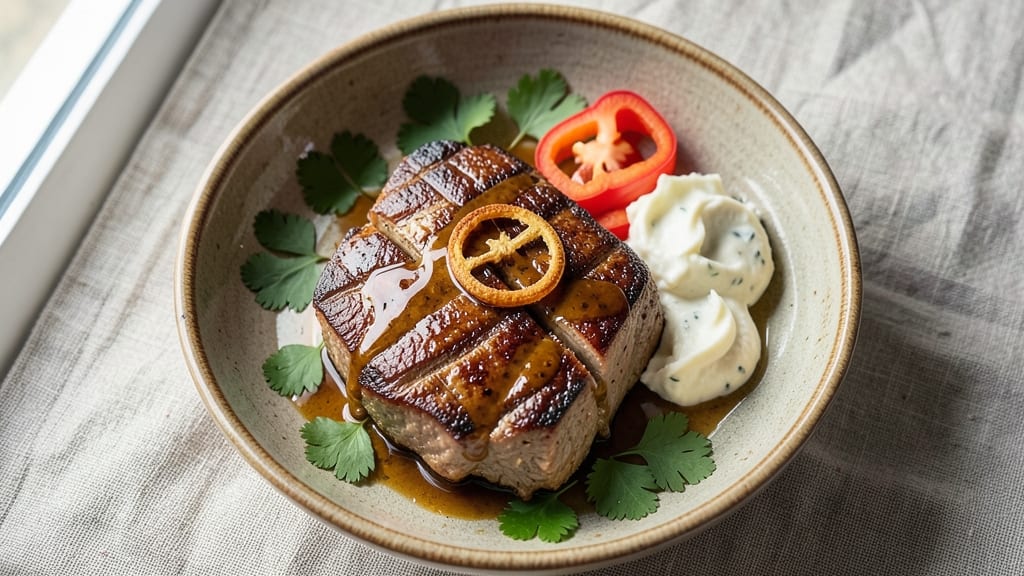
This seitan steak recipe delivers the satisfying, meat-like bite of a perfectly cooked steak without a single animal product in sight. The key lies in the precise blend of vital wheat gluten and seasonings that mimics the texture and flavor of traditional steak, making it a game-changer for plant-based grilling.
I've perfected this recipe through countless test batches, ensuring it holds up to high heat and delivers that coveted char and tenderness.
The process begins with hydrating the vital wheat gluten to create a pliable, elastic dough that can be shaped and seasoned like traditional steak. Once formed, it's ready to be seared in a hot pan or grilled to achieve that signature crust and juicy interior.
The result is a seitan steak that's rich, savory, and satisfying—ideal for those who want to enjoy a hearty, protein-packed meal without compromising their dietary preferences.
What sets this recipe apart is its versatility. Whether you're serving it as the centerpiece of a summer BBQ or as part of a hearty weeknight dinner, this seitan steak holds its own. The texture is firm yet tender, with a satisfying bite that rivals even the best beef steaks.
Pair it with your favorite grilled vegetables, a fresh salad, or a classic baked potato for a complete, satisfying meal.
For those new to seitan, don't be intimidated—the process is simpler than it sounds, and the results are well worth the effort. With just a few key ingredients and a bit of patience, you'll have a steak that's perfect for grilling, pan-searing, or even slicing for stir-fries.
Let's get started on creating your plant-based grill masterpiece.
Ingredients for seitan steak
Nine simple ingredients transform into a steak that rivals beef—perfect for grilling or pan-searing.
| Ingredient | Amount | Notes |
|---|---|---|
| Vital Wheat Gluten 🌾 | 1 ½ cups | Essential for chewy texture |
| Vegetable Broth 💧 | 1 ½ cups | Low-sodium preferred |
| Nutritional Yeast 🧀 | ½ cup | For umami depth |
| Soy Sauce 🍶 | ¼ cup | Tamari for gluten-free |
| Garlic Powder 🧄 | 2 tbsp | Freshly ground preferred |
| Onion Powder 🧅 | 1 tbsp | For savory base |
| Smoked Paprika 🌶️ | 1 tbsp | Adds depth of flavor |
| Ground Black Pepper 🌶️ | 1 tbsp | Freshly cracked preferred |
| Olive Oil 🫒 | 2 tbsp | For pan-searing |
| Liquid Smoke 🔥 | 1 tsp | Optional for smoky flavor |
| Sea Salt 🧂 | 1 ½ tbsp | Adjust to taste |
| Flaxseed Meal 🌱 | 1 tbsp | For binding dough |
| Water 💧 | ½ cup | For dough hydration |
Vital wheat gluten is the star here—Bob's Red Mill or Anthony's Goods are my go-tos for quality. The gluten needs to be finely ground; if yours feels coarse, pulse it in a food processor for a smoother texture. Soy sauce adds that savory punch, but coconut aminos works too if you're avoiding gluten. The nutritional yeast isn't just for flavor—it's packed with B vitamins, giving your seitan that 'meaty' richness. For the smoked paprika, Penzeys has a great selection if you want to splurge, but regular grocery store brands work fine. Pro tip: Toast the gluten in a dry pan for 2 minutes before mixing—it deepens the flavor.
No soy sauce? Miso paste or tamari are solid swaps, though you'll need to adjust the amount since they're more concentrated. Short on flaxseed meal? Chia seeds soaked in water work in a pinch (use 1 tbsp chia + 3 tbsp water = 1 tbsp flax). The liquid smoke is optional but adds that campfire aroma—if you skip it, a pinch of garlic powder plus smoked salt mimics the effect. For extra richness, stir in 1 tbsp of vegan Worcestershire sauce (like Annie's or Primal Kitchen). The dough should be pliable but not sticky; add a splash more water if needed. If it feels too dry, knead in a little more broth.
This seitan keeps beautifully—wrap tightly in plastic wrap and refrigerate for up to 5 days. For longer storage, freeze portions for 3 months. The texture improves after resting overnight, so make it a day ahead if possible. To reheat, pan-sear in olive oil over medium heat for 3-4 minutes per side. It reheats best in a skillet rather than the microwave, which can make it rubbery. Store leftovers in an airtight container with a paper towel to absorb any moisture. Perfect for meal prep—just slice and toss into salads or wraps later in the week.
Why You'll Love This Recipe
- No-Fuss Mixing: I swear by this—just toss the vital wheat gluten, soy sauce, and broth in a bowl, knead it like pizza dough, and you’re halfway there. No blenders, no fancy tools, just your hands and 10 minutes of patience.
- Umami Bomb: That combo of nutritional yeast and garlic powder? It’s like steakhouse magic in a bowl. The soy sauce adds a deep savory punch, while the yeast gives it that cheesy, meaty richness that’ll fool even the biggest carnivores.
- Meal Prep MVP: Slice it thin, toss it in a container with some marinade, and boom—you’ve got a week’s worth of stir-fry, sandwich filler, or salad topper. I keep mine in the fridge for lazy nights when I just want something hearty without the effort.
- Budget Steak Night: For the price of a single cut of real steak, this feeds four. Honestly, the soy sauce and broth stretch so far, and the gluten is dirt cheap. It’s my go-to when I want that satisfying, juicy texture without breaking the bank.
Step-by-step instructions for seitan steak recipe
Here's how to craft your plant-based steak with that satisfying meaty bite and smoky depth.
Mix the Vital Wheat Gluten and Broth
In a large mixing bowl, combine the 1.5 cups vital wheat gluten and 1.5 cups vegetable broth. Use your hands to work the mixture vigorously for about 5 minutes—this is crucial for developing the gluten strands that give seitan its chewy texture. You'll notice the mixture start to form a sticky, elastic dough as the gluten hydrates and binds.
I like to use my fingers to break up any large clumps and ensure even distribution of the broth. If the mixture feels too dry after mixing, add 1 tablespoon of water at a time until it becomes pliable but not sticky. The dough should hold together when pressed but still be workable—this consistency is key for shaping your steak later.
Add Seasonings and Flaxseed Binding
To the gluten mixture, add the 0.5 cup nutritional yeast, 0.25 cup soy sauce, 2 tbsp garlic powder, 1 tbsp onion powder, 1 tbsp smoked paprika, 1 tbsp ground black pepper, 1.5 tbsp sea salt, 1 tbsp flaxseed meal, and 1 tsp liquid smoke. Mix everything thoroughly with your hands for another 3-4 minutes, pressing and folding the dough to ensure all the seasonings are evenly distributed.
The flaxseed meal acts as a natural binder here, helping the seitan hold its shape during cooking. I always make sure the smoked paprika and liquid smoke are mixed in well—they're what give this seitan that authentic smoky flavor that mimics grilled meat. At this stage, the dough should be smooth, cohesive, and slightly tacky but not wet.
Shape and Rest the Seitan Steaks
Divide the dough into 4 equal portions (about 6 ounces each) and shape each into a steak shape on a parchment-lined baking sheet. Press down gently to create a uniform thickness of about 1 inch. The edges should be slightly tapered to mimic real steak cuts. Place the shaped steaks on the baking sheet and let them rest uncovered at room temperature for 30 minutes.
This resting period allows the gluten structure to relax slightly, which prevents cracking during cooking. I find it helpful to tent the baking sheet loosely with plastic wrap during this time to keep the surface from drying out too quickly. The steaks should develop a slightly firm exterior while remaining pliable in the center.
Pan-Sear for the Perfect Crust
Heat 2 tbsp olive oil in a large skillet over medium-high heat until shimmering. Working in batches if needed, carefully transfer the seitan steaks to the skillet. Cook for 4-5 minutes per side until they develop a deep golden-brown crust. You'll know they're ready when the exterior is firm to the touch and releases easily from the pan.
Don't be tempted to press down on the steaks while cooking—they'll release their own juices as they sear. The olive oil helps create that beautiful crust while adding richness. For extra flavor, you can add a splash of soy sauce to the pan during the last minute of cooking and baste the steaks with it. Remove the steaks to a plate and let them rest for 5 minutes before serving.
Optional Broiling for Extra Crispiness
For an even more restaurant-style finish, transfer the cooked steaks to a broiler-safe baking sheet and broil for 2-3 minutes on each side until you see additional browning and crisping. Watch them carefully—they can go from perfect to burnt quickly at this stage. The high heat helps caramelize the surface sugars, adding depth of flavor and texture.
Serve your seitan steaks immediately while they're still hot and crispy. They should have a satisfying chew, a smoky aroma, and that perfect golden-brown crust that makes them look and feel like real steak. Pair with your favorite grilled vegetables or a fresh salad for a complete plant-based meal that even meat lovers will enjoy.
Pro Tips For Making Seitan Steak
- Mix the Dough Wet: Vital Wheat Gluten loves water, not just broth. Start with just water (about 1.5 cups per 2 cups gluten) to hydrate it fully before adding broth—this prevents a gummy, dense steak. I used to skip this, and my seitan turned out like a sad loaf of bread.
- Simmer, Don’t Boil: Keep the broth at a gentle simmer (tiny bubbles, not rolling) while cooking the seitan. Boiling makes it tough and rubbery—like overcooked chicken. If your pot’s too hot, lower the heat or add a splash of cold water.
- Press Out Air: After shaping the dough, press it hard into the pan to squeeze out trapped air. This keeps the steak from expanding into a pancake when it hits the pan. I learned this the hard way—my first attempt puffed up like a sad soufflé.
- Marinate Overnight: Toss cooked seitan in soy sauce, nutritional yeast, and garlic powder at least 4 hours—overnight if possible. This isn’t just flavoring; it’s the difference between "meh" and "wow." (Yes, even if you’re impatient like me.)
Perfect pairings for this dish
Savory Side Dishes
Grilled asparagus with lemon zest and 1 tbsp olive oil is my go-to side—its bright acidity cuts through the richness of the seitan. Toss 1 bunch asparagus with salt, pepper, and a squeeze of lemon before grilling for 3-4 minutes per side.
For a heartier option, try garlic mashed potatoes with roasted garlic and vegan butter. The creaminess balances the chewy texture perfectly. 🌿
Fresh Salad Pairings
A crisp arugula salad with shaved fennel, walnuts, and a tangy balsamic vinaigrette adds freshness. I use 3 cups arugula, 1 tbsp balsamic glaze, and 2 tbsp olive oil for a light but satisfying contrast.
For a smoky twist, add grilled zucchini slices and crumbled vegan feta. The peppery greens complement the umami depth of the seitan beautifully.
Wine Pairings
For a bold match, I recommend a Cabernet Sauvignon—its dark fruit notes and tannins mirror the smoky, savory profile of the seitan. If you prefer something lighter, a Pinot Noir offers bright acidity that cleanses the palate.
For non-alcoholic options, a smoky black tea like Lapsang Souchong or a ginger beer with lime adds a refreshing contrast. 🍷
Beer Pairings
A dark amber ale with caramel and roasted malt flavors enhances the seitan's smokiness. I love Guinness or Samuel Smith's Nut Brown Ale for their rich, malty depth.
For a lighter option, a hoppy IPA cuts through the richness with its citrusy bite. Avoid overly sweet lagers—they can overpower the dish's savory notes.
Sauce Enhancements
Drizzle your seitan with a spicy chimichurri made from parsley, garlic, red wine vinegar, and 1 tsp cayenne pepper. For a creamy option, whip up a garlic-herb aioli using vegan mayo, lemon juice, and fresh dill.
A smoky BBQ sauce (like Stubb's Original) also works wonders for a sweet-savory balance. 🔥
Global Flavor Twists
Transform your seitan into a Korean bulgogi-style dish by marinating it in soy sauce, brown sugar, sesame oil, and garlic before grilling. For an Italian twist, serve with sun-dried tomatoes, olives, and a balsamic reduction.
A Mexican-inspired salsa verde> with avocado and cilantro adds a zesty kick. These global flavors elevate your seitan to new heights! 🌎
Nutrition facts
Frequently asked questions
Can I make this seitan steak recipe gluten-free?
Unfortunately, traditional seitan requires vital wheat gluten for its signature chewy texture. However, you can create a gluten-free alternative using chickpea flour or black salt (kala namak) for an egg-like flavor. The texture won't be identical, but it'll still be satisfying. For a closer match, try commercial gluten-free seitan blends available at specialty stores.
How do I prevent my seitan steaks from cracking during cooking?
Cracking happens when the gluten structure isn't properly developed or the steaks aren't rested enough. First, make sure to knead the dough vigorously for at least 5 minutes to fully hydrate the gluten. Then, let the shaped steaks rest uncovered for 30 minutes before cooking. This relaxation period prevents excessive shrinkage. Also, avoid overcrowding the pan—cook steaks in batches if needed.
What's the best way to store leftover seitan steaks?
Wrap cooked seitan tightly in plastic wrap or store in an airtight container with a paper towel to absorb moisture. It keeps well in the fridge for 5 days or in the freezer for 3 months. For reheating, pan-sear in olive oil over medium heat for 3-4 minutes per side—microwaving can make it rubbery. The texture improves after resting overnight, so make it a day ahead if possible.
Can I use this seitan in stir-fries or sandwiches?
This seitan holds up beautifully when sliced thin for stir-fries. For sandwiches, sear the steaks slightly underdone (3 minutes per side) so they stay tender when sliced. The smoky flavor works perfectly in Reubens or banh mi sandwiches. Just slice against the grain for maximum tenderness. For stir-fries, marinate the sliced seitan in soy sauce and garlic for extra flavor.
Why does my seitan taste bland?
Blandness usually comes from insufficient seasoning or underdeveloped gluten strands. Make sure to knead the dough thoroughly for 5+ minutes to activate the gluten's flavor potential. Also, don't skimp on the nutritional yeast (it's key for umami) and smoked paprika. For extra depth, add 1 tbsp vegan Worcestershire sauce or 1 tsp liquid smoke to the dough. Taste as you mix—seasonings should be well-distributed.