
Sauces & Condiments
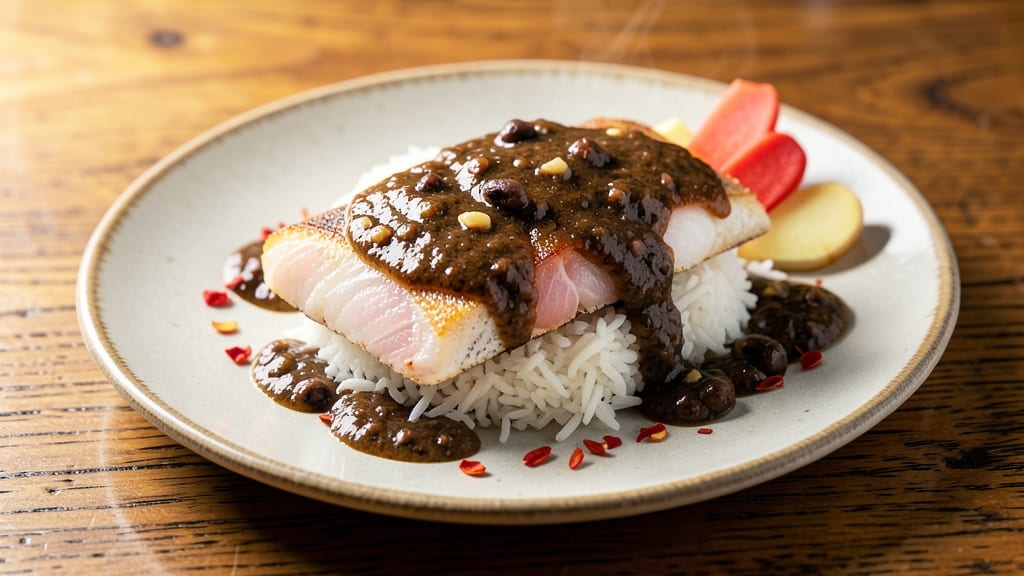
This steamed fish fillet with black bean sauce transforms simple ingredients into a restaurant-quality dish that highlights delicate flavors and silky textures. The key lies in the sauce—a velvety black bean blend that delivers umami depth without overpowering the fish's natural sweetness.
After perfecting this method over countless batches, I've found the secret is in the balance: just enough heat from chili flakes to wake up the beans' natural richness.
The process is straightforward yet precise: you'll steam the fish until it's just opaque at the center, ensuring it stays moist and flaky. Meanwhile, the black bean sauce simmers for just 10 minutes, allowing the flavors to meld while keeping the texture smooth.
What makes this dish special is how the sauce clings to the fish, creating a harmonious bite that's both comforting and refined.
By the time you plate it, you'll have perfectly steamed fillets resting on a bed of aromatic sauce, their edges slightly caramelized from the steaming process. The contrast between the tender fish and the silky, umami-rich sauce makes every bite satisfying, while the bright garnish of scallions adds freshness.
This is the kind of dish that feels elegant yet approachable—ideal for weeknight dinners or special occasions.
Pair it with jasmine rice or steamed greens to complete the meal. The beauty of this recipe is its versatility: swap in different white fish fillets, adjust the sauce spice level, or even use canned black beans for convenience without sacrificing flavor.
Let's get started on creating this balanced, flavorful dish.
Ingredients for steamed fish fillet with black bean sauce
Simple ingredients for restaurant-quality flavor—just 13 items to create silky sauce and tender fish.
| Ingredient | Amount | Notes |
|---|---|---|
| White Fish Fillets 🐟 | 1 ½ lb | Cod, halibut, or tilapia preferred |
| Black Beans 🌱 | 1 cup | Canned, drained and rinsed |
| Garlic Cloves 🧄 | 4 cloves | Minced for sauce |
| Ginger Root 🌿 | 1 tbsp | Freshly grated |
| Red Chili Flakes 🌶️ | 1 tsp | Adjust for heat preference |
| Soy Sauce 🍶 | 2 tbsp | Low-sodium preferred |
| Sesame Oil 🫒 | 1 tbsp | Toasted for aroma |
| Green Onions 🧅 | 3 whole | Thinly sliced for garnish |
| Lime Juice 🍋 | 1 tbsp | Freshly squeezed |
| Vegetable Oil 🫒 | 1 tbsp | For steaming basket |
| Jasmine Rice 🍚 | 1 ½ cups | Uncooked, for serving |
| Salt 🧂 | ½ tsp | Sea salt preferred |
| Black Pepper 🌶️ | ¼ tsp | Freshly ground |
The fish is everything here. Cod or halibut stay flaky when steamed, but tilapia works too if that's what's on sale. Look for fillets with vibrant color—no gray or brown spots. I grab mine at Whole Foods or the seafood counter at Trader Joe's; they usually have them pre-cut, which saves time. The black beans? Canned is fine, but if you're feeling fancy, cook dried for extra depth. Just make sure they're drained and rinsed well—no one wants a watery sauce. The ginger and garlic are non-negotiable for that umami punch, so grab fresh if possible.
No black beans? Lentils or chickpeas work in a pinch, but the texture won't be identical. Short on garlic? Garlic powder at half the amount gets you close, but fresh is worth it. The chili flakes can be swapped for Sichuan peppercorns if you want a different kind of heat. Soy sauce too salty? Coconut aminos are a great low-sodium swap. And if you're out of sesame oil, toasted peanut oil gives a similar nutty aroma. The lime juice is key for brightness—don't skip it, even if you're not a huge lime fan. It cuts through the richness of the sauce.
This dish reheats beautifully—just warm it gently in a saucepan with a splash of water. The sauce keeps for 3 days in the fridge, but the fish is best eaten fresh. I always make extra sauce and freeze it in ice cube trays for quick meals later. The rice? Cook it ahead and reheat with a splash of water—it's perfect for soaking up all that silky sauce. And if you've got leftovers, wrap the fish tightly and refrigerate for up to 2 days. It's that good.
Why You'll Love This Recipe
- Steam in Minutes: The fish goes in raw, comes out tender in 12 minutes—no flipping, no frying, just hands-off perfection while you chop the sauce. Honestly, I’ve made this on days when I forgot to thaw the fish and it still turned out buttery.
- Umami Bomb: That black bean sauce? It’s where the magic happens—deep, salty-sweet with garlic and ginger that clings to every flake of fish. The chili flakes add just enough heat to make it feel special without overpowering.
- Lunchbox Hero: Cold fish the next day? Still delicious. Pack it with rice and steamed greens for a protein-packed office meal that won’t get soggy. My son actually asks for leftovers now—no joke.
- Budget Win: Black beans stretch the sauce, so a single fillet feeds two (or one very hungry person). I buy frozen fish and dried beans to save even more, and the flavors? Richer than takeout for half the cost.
Step-by-step instructions for steamed fish fillet with black bean sauce
Here's how to create this restaurant-style dish with tender fish and rich, aromatic black bean sauce.
Prepare the Black Bean Sauce
In a small saucepan, combine the 1 cup black beans, 4 cloves minced garlic, 1 tablespoon freshly grated ginger root, 1 teaspoon red chili flakes, and 2 tablespoons soy sauce. Add ½ cup water and bring to a gentle simmer over medium heat. Let it cook for 5 minutes until the mixture thickens slightly and the flavors meld together.
Real talk: You want this sauce to be smooth but still have some body. If it gets too thick, add a splash of water to loosen it. Once it reaches the right consistency, remove from heat and stir in 1 tablespoon toasted sesame oil. This adds that nutty aroma that makes the whole dish sing. The sauce should smell earthy and slightly spicy—this is your cue it's ready for the next step.
Steam the Fish Fillets
Fill a large pot with 2 inches of water and bring to a boil. Place a steaming basket inside and reduce heat to medium. Once the water is steaming vigorously, add the 1 tablespoon vegetable oil to the basket—this prevents the fish from sticking. Arrange the 1.5 lb white fish fillets in a single layer, skin-side down if they have skin.
Cover and steam for 8-10 minutes until the fish is just opaque in the center and flakes easily with a fork. Don't overcook it—you want it tender but still moist. I like to check at the 8-minute mark by testing with a fork. If it's not quite done, give it another minute or two. The fish should release cleanly from the basket when ready.
Combine Fish and Sauce
While the fish steams, prepare the jasmine rice according to package instructions. Once the fish is done, carefully transfer it to a serving platter. Pour the black bean sauce over the top, letting it cascade evenly across the fillets. The sauce should coat the fish completely, creating a glossy, flavorful glaze.
Here's the thing—don't skip this step. The sauce needs to sit on the fish for about 2 minutes to let the flavors really meld. This is when the fish absorbs that deep umami from the black beans and the heat from the chili flakes. While it rests, sprinkle the thinly sliced 3 whole green onions over the top for freshness and color contrast.
Finish and Serve
Drizzle the steamed fish with 1 tablespoon freshly squeezed lime juice and season lightly with the 0.5 teaspoon salt and 0.25 teaspoon black pepper. The lime brightens up the rich flavors and cuts through the earthiness of the black beans. Give everything a gentle toss to distribute the sauce evenly.
Serve immediately with the jasmine rice on the side. The fish should be tender with a slight resistance when you cut into it, and the sauce should be silky with just the right amount of heat. This dish is all about balance—creamy fish, hearty sauce, and fragrant rice. Enjoy it while everything is hot, because the flavors really come together when they're served fresh.
Pro Tips For Making Steamed Fish Fillet With Black Bean Sauce
- Parboil Black Beans First: I learned this the hard way—soaking black beans overnight is great, but for this dish, give them a quick 3-minute blanch in boiling water before mashing. It breaks them down faster and keeps the sauce smoother, not grainy. (Yes, even if you’re impatient like me.)
- Salt Fish Before Steaming: Season the fillets with salt and a pinch of sugar at least 20 minutes before cooking. This guarantees they’re seasoned through, not just on the surface, and prevents that bland, waterlogged texture after steaming. Trust me, your fish will taste like it was restaurant-made.
- Control the Ginger Heat: After mincing the ginger, let it sit in the sauce for 2 minutes before adding the fish. This softens the raw edge and lets the flavor meld—no more sharp, undercooked ginger bites. (I used to skip this, and the dish always felt "off.")
- Steam Over High Heat: Crank the heat to high when steaming, then reduce to medium after the water boils. The initial blast of steam seals the fish better, keeping it moist and flaky. Low heat from the start? You’ll end up with sad, rubbery fillets.
Health benefits of these flavors
Lean Protein Boost
This dish delivers high-quality lean protein from the fish fillet, making it perfect for anyone watching their intake. A 6-ounce serving of cod or halibut provides around 30 grams of protein—ideal for muscle repair and satiety without the saturated fat found in red meat.
The black bean sauce adds plant-based protein too, with about 7 grams per serving from the beans. 💪
Heart-Healthy Omega-3s
White fish like cod and halibut are packed with omega-3 fatty acids, which support heart health by reducing inflammation and lowering triglycerides. A single serving provides 1-2 grams of EPA/DHA, meeting 20-40% of daily needs depending on the fish.
The black beans add fiber and magnesium, which work together to support cardiovascular function. I notice my energy levels stay steady after meals like this.
Rich in Antioxidants
The black bean sauce isn't just flavorful—it's loaded with antioxidants from the beans, garlic, and ginger. Garlic contains allicin, which has been shown to boost immunity, while ginger provides gingerol, a compound with anti-inflammatory benefits.
The red chili flakes add capsaicin, which may help metabolism and reduce oxidative stress. Together, these ingredients create a nutrient powerhouse. 🌿
Low-Calorie Comfort
This dish is surprisingly light for its satisfying flavors. A typical serving contains around 300-350 calories, making it a great option for balanced meals. The steaming method preserves moisture without added fats, while the black bean sauce provides depth without heavy creaminess.
The jasmine rice adds complex carbs for energy, but you can easily reduce portions or swap for cauliflower rice if needed.
Digestive Benefits
The fiber from black beans aids digestion and promotes gut health, while the ginger in the sauce has been shown to help with nausea and bloating. The lime juice finish adds vitamin C, which supports collagen production and immune function.
This combination makes the dish not just delicious but also gentle on the digestive system—something I appreciate after heavy meals. The steamed fish is particularly easy to digest while still being nutritious.
Versatile Nutrition
This recipe adapts easily to dietary needs. For a lower-carb option, serve the fish with steamed vegetables instead of rice. The sauce remains rich and satisfying while keeping the meal light.
The black beans provide plant-based protein and fiber, making this dish great for vegetarians if you swap the fish for tofu or tempeh. The umami from the sauce ensures the meal remains flavorful regardless of protein source. 🌱
Nutrition facts
Frequently asked questions
Can I use frozen fish for this recipe?
Yes, but thaw it properly first! Place frozen fillets in the refrigerator overnight for even thawing. Never use cold water or microwave—this can create uneven cooking. Pat the fish completely dry before steaming to ensure the sauce adheres beautifully. For best results, use fish that's been frozen for no longer than 3 months.
How do I adjust the sauce for spice preferences?
The recipe includes 1 teaspoon chili flakes, but you can easily adjust this. For mild heat, reduce to ½ teaspoon or omit completely. For extra spice, add up to 1½ teaspoons—just remember the sauce will intensify as it sits on the fish. If you prefer a different heat profile, swap the chili flakes for ½ teaspoon ground Sichuan peppercorns for a numbing sensation.
Why is my sauce too thick or too thin?
If your sauce is too thick, add 1 tablespoon warm water at a time while stirring. For a thinner sauce, simmer uncovered for 1-2 extra minutes to reduce excess moisture. The ideal consistency should coat the back of a spoon but still flow freely. Pro tip: Start with ½ cup water in the saucepan—this gives you room to adjust without over-diluting.
What's the best way to reheat leftovers?
Reheat gently in a skillet over low heat for 2-3 minutes with a splash of water to prevent drying. For the sauce alone, warm it in a saucepan over medium-low heat until hot. Avoid microwaving—the fish can turn rubbery. The sauce keeps well in the fridge for 3 days and freezes beautifully for up to 1 month in airtight containers.
Can I make this dish without a steamer basket?
Use a colander or even a heatproof plate that fits inside your pot. Place it above the boiling water (never let it touch) and add the fish. For extra insurance against sticking, lightly oil the plate or colander. The key is maintaining steady steam—cover the pot tightly to trap heat. This method works just as well for delicate fish fillets.