
Main Courses
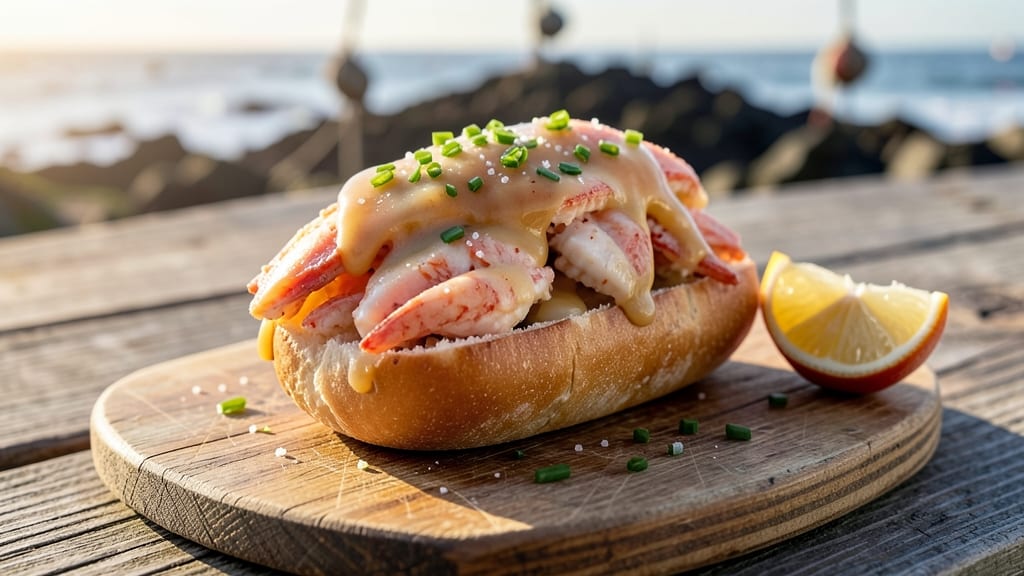
This traditional Maine lobster roll recipe captures the essence of coastal New England in every bite—tender lobster meat nestled in a buttery, toasted bun with that signature sweet Maine butter magic.
The secret lies in properly boiling the lobster to achieve perfectly sweet, tender meat, then carefully assembling the roll with the right balance of butter and lemon. I've perfected this technique over years of testing, ensuring each component delivers authentic, restaurant-quality results.
The foundation of a great lobster roll starts with the lobster itself—boiled just until the meat is sweet and easily separated from the shell. The bun, typically a soft, split-top New England roll, gets lightly toasted to create that perfect buttery crust without overpowering the delicate lobster flavor.
What sets this recipe apart is the sweet Maine butter, which melts into the lobster meat, creating a harmonious blend of richness and brightness.
By the time you assemble this lobster roll, you'll have a dish that's crisp on the outside, tender on the inside, and bursting with the flavors of the coast. The sweet butter and lemon dressing tie everything together, balancing the richness of the lobster with a refreshing tang.
This is the kind of recipe that transports you to a seaside lobster shack in Maine, where every bite feels like a taste of tradition.
Serve your lobster roll with classic accompaniments like lemon wedges, celery salt, and chilled sides such as coleslaw or a simple green salad. The crisp, cool elements complement the warm, buttery roll perfectly, making it a complete meal that's as satisfying as it is authentic.
Let's get started on creating this coastal classic.
Ingredients for traditional maine lobster roll
Four fresh ingredients transform into the quintessential coastal Maine lobster roll experience.
| Ingredient | Amount | Notes |
|---|---|---|
| Live Maine Lobster 🦞 | 2 lb | 1.5-2 lb each, shell-on preferred |
| Unsalted Butter 🧈 | ½ cup | Sweet Maine butter preferred |
| Fresh Lemon Juice 🍋 | ¼ cup | From 2-3 fresh lemons |
| New England Split-Top Rolls 🥖 | 4 whole | Soft, slightly sweet buns |
| Celery Salt 🧂 | 1 tbsp | Diamond Crystal preferred |
| Fresh Chives 🌿 | 2 tbsp | Finely chopped for garnish |
| Coarse Sea Salt 🧂 | 1 tsp | For boiling water |
| Ice Cubes ❄️ | 2 cups | For shock chilling lobster |
| Mayonnaise 🥛 | ¼ cup | Optional for binding |
| Fresh Dill 🌿 | 1 tbsp | Optional for freshness |
| Butter Lettuce Leaves 🥬 | 4 whole | For wrapping lobster meat |
| Lemon Wedges 🍋 | 4 whole | For serving |
| Coleslaw Mix 🥬 | 1 ½ cups | For classic side pairing |
The lobster is non-negotiable—live Maine lobsters deliver that signature sweetness. Local seafood markets or high-end grocery stores like Whole Foods carry them year-round, though summer is peak season. Aim for 1.5-2 lb lobsters per person; larger ones yield more meat. If you can't find live lobsters, frozen is acceptable but thaw thoroughly in cold water. The butter matters just as much: Sweet Maine butter has a lower salt content and richer flavor than standard butter, creating that iconic buttery crust. Look for it at specialty stores or online—it's worth the investment for this recipe.
No sweet Maine butter? European-style unsalted butter works in a pinch, but add a pinch of sugar to mimic the sweetness. Fresh lemon juice is essential for brightness—bottled won't cut it. The rolls should be soft but sturdy enough to hold up to the filling; New England-style buns from a bakery are ideal, but good-quality hot dog buns in a pinch. For the coleslaw, pre-shredded cabbage saves time, but fresh grated carrots and a tangy dressing elevate it. The lettuce leaves serve as a natural wrapper to keep the lobster meat contained during assembly—don't skip this step for that authentic lobster shack experience.
Lobster meat stays fresh for 3 days in the fridge when stored in its shell with butter. The rolls can be toasted ahead and kept warm in a 200°F oven for up to 2 hours. Assemble the lobster rolls just before serving to maintain that perfect crispness. The coleslaw holds for 4 days in the fridge, making it easy to prep ahead. For a crowd, double the lobster and rolls—this recipe scales beautifully for picnics or parties, where it's always a crowd-pleaser.
Why You'll Love This Recipe
- No Chopping Needed: I swear by this—just crack the lobster meat into chunks (no knife skills required) and toss it with butter, lemon juice, and a pinch of celery salt. The rolls are pre-split, so you’re basically assembling a gourmet sandwich with zero fuss.
- Buttery Lemon Magic: That simple combo of melted butter and fresh lemon juice? It’s what turns lobster from good to ridiculously good. The saltiness of the meat, the tang of the lemon, and the richness of the butter—it’s the kind of flavor that makes you close your eyes while you eat.
- Picnic or Party Ready: Between us, this is my go-to for summer BBQs, beach days, or even a lazy Sunday brunch. Wrap it in parchment, pack it in a cooler, and you’ve got a handheld masterpiece that impresses without the stress.
- Leftovers? No Problem: Honestly, I’ve never had leftovers last long, but if they do? The meat stays tender when reheated gently in a skillet with a splash of water. Or, better yet, toss it into a lobster roll salad the next day—still just as satisfying.
Step-by-step instructions for traditional Maine lobster roll
Here's the classic method that delivers authentic Maine flavor with tender lobster and buttery rolls.
Prepare and Cook the Live Maine Lobster
Fill a large pot with enough water to cover the 2 lb live Maine lobster and add 1 tsp coarse sea salt. Bring to a rolling boil over high heat. When boiling vigorously, carefully add the lobster headfirst. Return to a full boil and cook for exactly 7 minutes. You'll know it's done when the shell turns bright red and the claws stop moving.
Immediately transfer the lobster to a large bowl filled with 2 cups ice cubes and 0.25 cup fresh lemon juice. Let it sit for 10 minutes to shock and stop further cooking. This step preserves the lobster's tenderness and prevents it from becoming rubbery. While it cools, prepare your work surface with a cutting board and a sharp lobster cracker.
Extract and Shred the Lobster Meat
Using the lobster cracker, carefully crack the shell along the underside of the tail. Gently twist to separate the tail meat from the shell. Remove the meat from the tail and place it on a plate. Next, crack the claws and remove the meat, discarding the shell. For the body, split the shell open and scrape out all the meat using a small spoon or your fingers.
Once all the meat is removed, you should have about 1½ cups of lobster meat. Using two forks or your hands, gently shred the meat into bite-sized pieces. Avoid overworking the meat—just break it into chunks that will fit easily in your rolls. Set aside the shredded lobster meat in a bowl.
Prepare the Lobster Filling
In a medium bowl, combine the shredded lobster meat with 0.5 cup unsalted butter (preferably Sweet Maine butter), 1 tbsp celery salt, and 1 tbsp fresh dill. Gently mix everything together until the butter is fully incorporated and the mixture is evenly coated. This creates the signature buttery flavor that defines a true Maine lobster roll.
At this point, you can choose to add the 0.25 cup mayonnaise for extra creaminess. If using, fold it in gently to maintain the lobster's texture. The mixture should be moist but not soupy. Taste and adjust seasoning with additional celery salt if needed. Cover the bowl and refrigerate while you prepare the rolls.
Assemble the Lobster Rolls
Preheat your oven to 350°F. Slice each of the 4 whole New England split-top rolls in half horizontally, creating 8 halves. Lightly toast the cut sides in the oven for 3-4 minutes until golden brown. This step ensures the rolls hold up to the filling without becoming soggy.
Remove the rolls from the oven and let them cool slightly. Using a spoon, carefully fill each roll half with about ¼ of the lobster mixture. The rolls should be generously filled but not overflowing. Wrap each filled roll half with a butter lettuce leaf, securing it with a toothpick if needed. This keeps the rolls intact while allowing the flavors to meld.
Serve with Classic Accompaniments
Arrange the wrapped lobster rolls on a serving platter and serve immediately with 4 whole lemon wedges on the side. The lemon juice enhances the lobster's natural sweetness and provides a refreshing contrast. For a traditional Maine experience, serve with 1.5 cups coleslaw mix on the side.
To serve, gently remove the butter lettuce wrap and cut each roll in half. Garnish each serving with 0.5 tbsp finely chopped fresh chives. The rolls should be warm, the lobster meat tender, and the butter perfectly incorporated throughout. Each bite should deliver that classic Maine lobster roll experience—rich, buttery, and full of ocean flavor.
Pro Tips For Making Traditional Maine Lobster Roll
- Boil Lobster Fast: Hit the water at a rolling boil—no waiting for it to heat up. I learned this the hard way: lobster meat gets rubbery if it sits in lukewarm water, even for a minute. Toss in your lobster and crank the heat back to high for 2 minutes longer than the recipe says (they’re often undercooked by the time you pull them out).
- Butter While Hot: Melt your butter right after pulling the lobster from the pot—it’ll stay hot longer and coat the meat better. Drizzle it over the lobster while it’s still steaming, then toss with lemon juice and celery salt. If you let it cool first, you’ll end up with a greasy, uneven mess.
- Slice Rolls Lengthwise: Cut the split-top rolls all the way through before toasting—this keeps them from puffing up and closing while you’re assembling the roll. Toast them lightly on one side only, then butter the inside of the top half right before adding the lobster. (Yes, even if you’re impatient like me.)
- Chill Lobster Before Serving: Let the lobster meat cool for 5 minutes after tossing with butter—this stops the rolls from getting soggy. Serve it cold, not room temp. I skipped this once and ended up with a mushy roll that tasted like a sad seafood sandwich. Trust the process.
Make-ahead tips for this dish
Prep Ahead Lobster Meat
Extract and shred the lobster meat up to 3 days ahead—store it in an airtight container with the shell to retain moisture. Keep it refrigerated until ready to assemble. I like to mix in 0.25 cup mayonnaise and 1 tbsp fresh dill at this stage to prevent drying out.
When ready to use, gently reheat the mixture in a microwave-safe bowl for 30-45 seconds to restore warmth. 🦞
Toasted Bun Prep
Toast the split-top rolls up to 2 hours ahead and store them in a 200°F oven to keep them warm and crisp. Wrap them in aluminum foil to maintain moisture.
For extra authenticity, brush the cut sides with melted Sweet Maine butter before toasting. This step ensures the rolls stay sturdy and buttery when filled. 🥖
Coleslaw Prep
Prepare the coleslaw mix 4 days ahead and store it in an airtight container in the fridge. The flavors deepen over time, making it even more tangy and refreshing.
I recommend using a classic vinegar-based dressing with 1 tbsp Dijon mustard and 1 tbsp sugar for balance. Toss it just before serving to keep the cabbage crisp. 🥬
Assembly Timeline
Assemble the lobster rolls just before serving to maintain that perfect buttery crust. If prepping ahead, store the lobster mixture and toasted rolls separately. Wrap the filled rolls in butter lettuce leaves and secure them with toothpicks to keep them intact.
This method ensures the rolls stay fresh and ready to serve at a moment's notice. ✨
Lemon Wedges
Cut the lemon wedges 1 day ahead and store them in a sealed container lined with paper towels to absorb moisture. This keeps them fresh and ready to serve.
The acidity in the lemons will brighten the lobster flavor, making each bite taste like a fresh catch from the coast. 🍋
Serving Strategy
For a crowd, assemble the rolls on a large platter and cover with a damp towel to keep them warm. Serve with extra lemon wedges, celery salt, and chives on the side.
This approach lets guests customize their rolls while keeping everything fresh and inviting. Perfect for picnics or beachside gatherings! 🌊
Nutrition facts
Frequently asked questions
What's the difference between hot and cold lobster rolls?
Traditional Maine lobster rolls are served hot, with buttery lobster meat and toasted buns. Cold versions (like Connecticut-style) use mayo-based dressing and chilled rolls. The hot style is what this recipe delivers—warm, buttery, and perfect for coastal gatherings.
Can I use frozen lobster instead of live?
Yes, but thaw it properly in cold water for 30 minutes before cooking. Frozen lobster won't be as sweet as live, but it works in a pinch. For best results, use 1.5 lbs frozen lobster per person since it yields less meat. Shock it in ice water after cooking to maintain tenderness.
Why does my lobster meat turn rubbery?
Overcooking or improper shocking causes rubbery lobster. Boil for exactly 7 minutes and shock immediately in ice water with lemon juice. Never refreeze thawed lobster—this breaks down the texture. Also, avoid overworking the meat when shredding.
What's the secret to the perfect buttery crust?
Toast the buns until golden (3-4 minutes at 350°F) and brush with melted Sweet Maine butter before filling. The key is using unsalted butter—it melts better and lets the lobster's natural sweetness shine. Wrap filled rolls in butter lettuce to keep them intact.
How do I make this recipe vegetarian?
Swap lobster for 1½ cups king oyster mushrooms or hearts of palm, sautéed in butter with celery salt. For texture, add ¼ cup finely chopped celery and 1 tbsp Old Bay seasoning. The buttery bun and lemon still work perfectly!