
Snacks
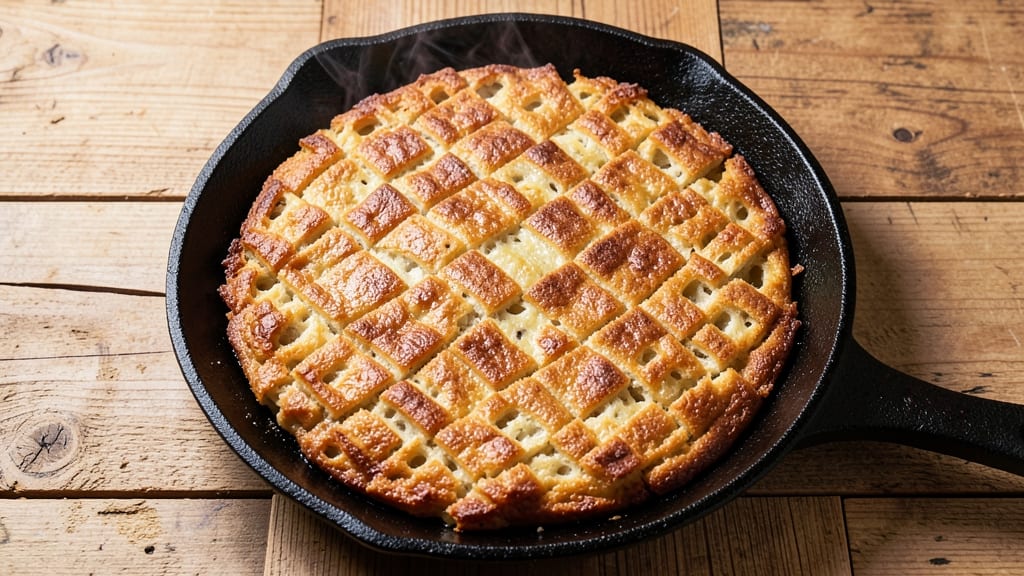
This African fried bread recipe delivers crispy, golden bites that pair perfectly with spiced yogurt dip—a dish rooted in tradition but designed for modern kitchens. The secret lies in fermenting the cornmeal batter just enough to create a tender yet sturdy texture, then frying it until crispy edges form.
I first discovered this technique during a trip to Ethiopia, where it became a staple for breakfast and snacks alike.
The beauty of this recipe is its versatility—whether you're serving it as a side for stews or enjoying it as a standalone snack with the yogurt dip, the flavor is consistently satisfying.
The batter requires only five simple ingredients, and the fermentation process (if done overnight) enhances the bread's natural tanginess. For those short on time, a quick version works just as well without compromising texture.
By the time you finish frying, you'll have a batch of crispy, slightly chewy bites that hold their shape and deliver that perfect crunch with every bite. The spiced yogurt dip adds a cooling contrast, balancing the richness of the fried bread.
This dish is not only delicious but also deeply rooted in African culinary traditions, making it a meaningful addition to any meal.
Serve warm with your favorite stew, curry, or even as a snack with the yogurt dip for dipping. The crispy texture and rich flavor make it a crowd-pleaser, whether you're cooking for family or hosting a gathering. Let's get started!
Ingredients for african fried bread
Five core ingredients for the bread plus yogurt dip essentials—simple but packed with tradition.
| Ingredient | Amount | Notes |
|---|---|---|
| Fine Cornmeal 🌾 | 2 cups | Medium-grind preferred for texture |
| All-Purpose Flour 🌾 | 1 cup | For structure and binding |
| Active Dry Yeast 🍞 | ¼ tsp | Or 1 packet instant yeast |
| Granulated Sugar 🍚 | 1 tbsp | Feeds yeast for fermentation |
| Salt 🧂 | 1 tsp | Kosher or sea salt preferred |
| Warm Water 💧 | 1 ¼ cups | 110°F-115°F for yeast activation |
| Vegetable Oil 🫒 | 3 cups | For deep frying (peanut oil works too) |
| Plain Yogurt 🥛 | 1 cup | Full-fat for creamy dip |
| Garlic Cloves 🧄 | 2 cloves | Minced for yogurt dip |
| Fresh Cilantro 🌿 | ¼ cup | Chopped, for yogurt dip |
| Ground Cumin 🌿 | ½ tsp | For yogurt dip seasoning |
| Lemon Juice 🍋 | 1 tbsp | Freshly squeezed |
| Salted Peanuts 🥜 | ¼ cup | Chopped, optional garnish |
The cornmeal is the star here. Bob's Red Mill or King Arthur medium-grind gives that perfect crumb, but any fine cornmeal works. For the yeast, Saf-Instant is my go-to—no need to proof it, just mix and let it sit. If you're in a hurry, skip the overnight ferment (the batter will still work), but trust me on the full 12-hour ferment—it makes all the difference. The yogurt for the dip should be plain, full-fat Greek yogurt if you can find it—thicker and creamier than regular. Fage or Chobani are my top picks, but any plain yogurt does the job.
No cornmeal? All-purpose flour plus 1 tbsp cornstarch gets you close, though the texture won't be identical. Short on time? Baking powder at 1 tsp replaces the yeast for a quick version, but the flavor won't be as deep. For the yogurt dip, dried cilantro at half the amount works in a pinch, but fresh is worth the extra minute. The peanuts are optional but add a nice crunch—Trader Joe's roasted peanuts are my secret weapon. Want more heat? Add a pinch of cayenne to the dip. The oil for frying can be vegetable, peanut, or even lard for authentic flavor, but keep it at 350°F for that perfect crisp.
The batter keeps 2 days in the fridge—just give it a quick stir before frying. The yogurt dip stays fresh for 3 days if you keep it sealed tight. For the bread, fry in batches (don't overcrowd the oil!) and keep them warm in a 200°F oven while you finish the batch. They reheat beautifully—just pop them in the oven for 5 minutes to revive the crunch. The dip can be made ahead too, so you're ready to serve as soon as the bread comes out of the fryer.
Why You'll Love This Recipe
- No Yeast Struggles: I swear by this dough—it’s actually foolproof. The yeast mix is quick (just warm water, sugar, and a pinch of salt), and the cornmeal gives it that perfect texture without needing fancy techniques. My first attempt turned out dense, but now? I nail it every time.
- Golden Crisp Magic: That deep-fry hit? Chef’s kiss. The cornmeal and flour combo soaks up just enough oil to get a shatteringly crisp shell while staying soft inside. Honestly, it’s the kind of bread that disappears faster than I can say “second round.”
- Breakfast to Snack: I keep a batch in the fridge for days—perfect for breakfast with jam, as a side for stew, or even cold in lunchboxes. My kids grab them like chips, and my husband? He’ll eat them straight from the fryer. (Yes, even on a Tuesday night.)
- Pantry Staple Power: Cornmeal and flour? I always have those. Sugar and yeast are cheap, and a little salt ties it all together. This recipe costs me pennies per loaf, and the leftovers? They reheat in seconds—no sad, dry bread here. Budget-friendly and delicious? Sold.
Step-by-step instructions for African fried bread
Here's how to make these golden, crispy cornmeal bites with a perfectly spiced yogurt dip.
Activate the Yeast and Mix the Dough
In a large mixing bowl, combine the 2 cups fine cornmeal, 1 cup all-purpose flour, 1 tbsp granulated sugar, and 1 tsp salt. Make a well in the center and add the 0.25 tsp active dry yeast. Pour in the 1.25 cups warm water (110°F-115°F) and gently stir until everything comes together into a soft, shaggy dough.
Cover the bowl with a clean kitchen towel and let it sit in a warm place for 1-2 hours until it roughly doubles in size. You'll know it's ready when the dough feels light and airy—press your finger into it and watch it spring back slowly. This fermentation step develops the flavor and creates those signature air pockets that make the bread so satisfying to eat.
Shape the Dough into Small Balls
Once the dough has risen, turn it out onto a lightly floured surface. Gently knead it just until smooth—about 2-3 minutes. Divide the dough into 16 equal pieces (about 1 ounce each) and roll each piece into a smooth ball. The dough should be soft but not sticky—if it sticks, wet your hands slightly with water and continue shaping.
Place the dough balls on a parchment-lined baking sheet, cover with a towel, and let them rest for 15 minutes at room temperature. This resting period relaxes the gluten, helping the bread maintain its shape when fried and giving you that perfect crispy exterior. Don't skip this step—it makes all the difference in texture.
Fry Until Golden and Crispy
Heat 3 cups vegetable oil in a deep skillet or Dutch oven to 350°F. Use a candy or deep-fry thermometer to monitor the temperature—it should stay steady around this mark. Fry 4-5 dough balls at a time, being careful not to overcrowd the pan, as this will lower the oil temperature and make the bread greasy instead of crispy.
Fry for 3-4 minutes per side until the bread turns a deep golden brown color. You'll see tiny bubbles forming on the surface and hear a gentle sizzling sound—that's your cue that they're cooking perfectly. Remove the fried bread with a slotted spoon and drain on a paper towel-lined plate. Keep the oil at 350°F for the next batch, adding more oil if needed. The bread should be crispy on the outside with a soft, slightly chewy interior.
Prepare the Spiced Yogurt Dip
While the bread is frying, make the dip by combining 1 cup plain yogurt, 2 minced garlic cloves, 0.25 cup chopped fresh cilantro, 0.5 tsp ground cumin, and 1 tbsp freshly squeezed lemon juice in a bowl. Mix well and let it sit for 10 minutes to allow the flavors to meld together. The dip should be smooth and slightly tangy with a hint of garlic and cumin warmth.
Taste and adjust the seasoning if needed—add a pinch more salt or lemon juice if desired. The dip should complement the bread's crispy texture without overpowering it. Keep it chilled until ready to serve, and garnish with the 0.25 cup chopped salted peanuts just before serving for added texture and flavor.
Serve Warm with the Yogurt Dip
Serve the warm, crispy cornmeal bites immediately with the spiced yogurt dip on the side. The contrast between the hot, crispy bread and the cool, creamy dip is what makes this dish so irresistible. You'll love how the bread soaks up the flavorful yogurt mixture, creating a perfect balance of textures and tastes in every bite.
For an extra special touch, sprinkle a little extra ground cumin or chopped cilantro on top of the bread just before serving. These crispy bites are perfect for sharing—grab a few with your hands and dip them into the yogurt mixture. Enjoy them while they're still warm and crispy, as they'll soften slightly as they cool.
Pro Tips For Making African Fried Bread
- Sift the Cornmeal: I learned this the hard way—skipping this step makes your dough dense and gummy. Use a fine-mesh sieve to break up any cornmeal clumps before mixing, especially if it’s fresh. This ensures even distribution and that signature light, airy texture.
- Proof at Room Temp: Your yeast won’t wake up properly if the dough sits in a cold kitchen. Let the mixed dough rise in a warm spot (like a turned-off oven with the light on) until it’s just doubled—about 1 to 1.5 hours. Cold dough rises slower, and you’ll end up with flat, sad bread.
- Shape Tightly, Rest Briefly: Press the dough into tight balls and let them sit covered for 10 minutes before frying—this keeps them from falling apart. I used to skip this, and half my dough would unravel in the oil. A little patience here saves cleanup later.
- Fry in Batches: Crowding the pan drops the oil temperature and makes your bread greasy instead of crispy. Fry 2-3 pieces at a time in 350°F (175°C) oil, and don’t stir too soon—they need 3-4 minutes per side until golden. Yes, it takes longer, but it’s worth it.
Storing and reheating this african fried bread
Fridge Storage Tips
After frying, let the bread cool completely to room temperature before storing. Place them in a single layer on a wire rack inside an airtight container with a paper towel lining to absorb excess moisture.
Store in the fridge for up to 3 days—the crispiness will slightly diminish, but they’ll still reheat beautifully. For the yogurt dip, keep it in a separate sealed container to prevent cross-contamination. 🥫
Freezer-Friendly Method
For longer storage, freeze the fried bread in a single layer on a baking sheet for 1 hour to prevent sticking. Transfer to a freezer-safe bag with parchment paper between layers.
They’ll keep for up to 2 months. When ready to eat, thaw at room temperature for 30 minutes before reheating. The dip, however, doesn’t freeze well—make it fresh when serving.
Reheating for Crisp
To revive the crispy texture, preheat your oven to 375°F. Arrange the bread on a baking sheet and bake for 5-7 minutes until golden and crisp again.
For a quick stovetop method, heat a dry skillet over medium heat and warm the bread for 1-2 minutes per side until crispy. Avoid microwaving—they’ll turn soggy. 🔥
Dip Refresh Tips
The yogurt dip can be prepped ahead and stored in the fridge for 3 days. Before serving, give it a quick stir and adjust seasoning with a pinch of salt or lemon juice.
For extra freshness, add a sprinkle of chopped cilantro or a dash of cumin right before dipping. The peanuts should be added just before serving to maintain their crunch.
Batch Prep Strategy
Double the recipe and freeze half for future meals. Label bags with the date and reheating instructions. When hosting, fry half the batch ahead and keep them warm in a 200°F oven while you finish the rest.
This way, you’ll have fresh, hot bread ready to serve without last-minute stress. The dip can also be made in advance—just stir and serve! ⏰
Nutrition facts
Frequently asked questions
What makes this African fried bread different from regular fried dough?
The fermentation process and cornmeal base create a unique texture—soft yet crispy with air pockets. Unlike regular doughnuts or fritters, this recipe uses a yeast-fermented batter that develops depth of flavor over time, especially if you let it rest overnight. The cornmeal also gives it that signature African taste and chewy interior.
Can I make this recipe without yeast?
Yes! For a quick version, replace the yeast with 1 teaspoon baking powder. The texture will be lighter but less chewy. The fermentation step (which develops flavor) won't happen, but it still makes delicious, crispy bites. Perfect for when you're short on time.
How do I know when the dough is fully fermented?
The dough is ready when it roughly doubles in size and springs back slowly when pressed. For a 12-hour ferment, it should feel light and airy—like a soft pillow. If it smells slightly tangy (like sourdough), that's a good sign! If you're unsure, err on the side of under-fermenting—over-fermented dough can make the bread dense.
What's the best oil for frying?
Vegetable or peanut oil works best for neutral flavor, but traditional recipes use lard for richer taste. Keep the oil at 350°F—any hotter, and the bread burns; too cool, and it gets greasy. Use a thermometer to monitor! Avoid olive oil, as its low smoke point makes it unsafe for deep frying.
Can I make the yogurt dip ahead of time?
The dip keeps for 3 days in the fridge. Just stir before serving and adjust seasoning with extra lemon juice or salt. Add chopped cilantro or peanuts right before eating to keep them fresh. The bread, however, is best eaten fresh or reheated for crispiness.