
Breakfast & Brunch
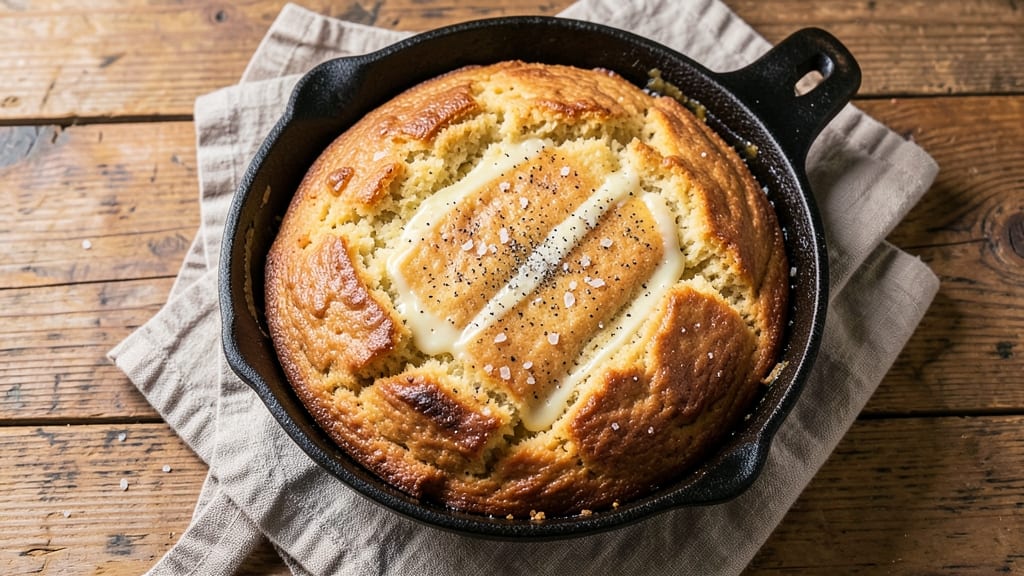
When you want cornbread with a golden crust, tender crumb, and that signature crispy center, Aunt Jemima cornmeal mix delivers every time—no fancy techniques required. The buttermilk-infused rise creates the perfect texture, and this recipe ensures your loaf comes out with restaurant-quality results at home.
I’ve perfected it over years of testing, balancing traditional methods with modern shortcuts for foolproof success.
This recipe uses the classic cornmeal mix as its foundation, but the secret lies in the buttermilk batter and precise baking technique. Whether you’re using a mixer or hand-mixing, the process is straightforward, and the jiggle test guarantees a perfectly baked loaf.
The result? A loaf with a crispy exterior, moist interior, and that unmistakable cornbread flavor you crave.
Serve it warm with honey and butter for a classic breakfast, or pair it with chili or BBQ for a hearty meal. The versatility of this recipe makes it a staple for any occasion.
Ready to bake a loaf that rivals the best you’ve ever tasted? Here’s how to do it right.
With just a few simple ingredients and a little patience, you’ll have cornbread that’s crispy at the edges and tender in the center—exactly as it should be.
The buttermilk adds richness, while the cornmeal mix ensures that signature cornbread texture. Let’s get started on a loaf that will have everyone asking for seconds.
Ingredients for aunt jemima cornmeal mix cornbread
Fourteen ingredients. One golden loaf. The secret's in the buttermilk and precise mix.
| Ingredient | Amount | Notes |
|---|---|---|
| Aunt Jemima Cornmeal Mix 🌾 | 1 box | Classic mix for authentic texture |
| Buttermilk 🥛 | 1 ¼ cups | Full-fat for best flavor |
| Large Eggs 🥚 | 2 whole | Room temperature preferred |
| Unsalted Butter 🧈 | ½ cup | Melted, full-fat version |
| Granulated Sugar 🍚 | ¼ cup | White sugar preferred |
| Baking Powder 🍞 | 1 tsp | Diamond Crystal preferred |
| Salt 🧂 | ½ tsp | Diamond Crystal kosher |
| All-Purpose Flour 🌾 | ¼ cup | For structural balance |
| Extra-Virgin Olive Oil 🫒 | 1 tbsp | For greasing pan |
| Honey 🍯 | 2 tbsp | For serving (optional) |
| Freshly Ground Black Pepper 🌶️ | ¼ tsp | Freshly cracked preferred |
The Aunt Jemima cornmeal mix is non-negotiable here—it's what gives cornbread that signature texture. Grab the large family-size box from the baking aisle (the one with the blue label), not the smaller single-serving versions. Costco and Walmart stock it year-round, but Target often has it too. The mix contains baking powder and salt, so don't double-check those unless you're using a different brand. For the buttermilk, full-fat is key—it adds richness that low-fat versions can't match. If you're in a pinch, mix 1 tbsp lemon juice or vinegar with 1 cup milk and let it sit for 5 minutes. The eggs? Room temperature makes all the difference for a smooth batter—just pull them out 30 minutes before mixing.
No buttermilk? Full-fat sour cream thinned with milk works in a bind. Running low on cornmeal mix? Stone Ground Grits mix is a solid backup, though the texture will be slightly denser. The olive oil for greasing? Any neutral oil works, but I prefer extra-virgin for that subtle fruity note. Want extra crispiness? Add 1 tbsp cornmeal to the pan before pouring in the batter. The honey for serving? Local raw honey adds depth, but any variety will do. Pre-shredded cheese is tempting, but freshly grated sharp cheddar (if adding) melts better. The pepper? Freshly cracked gives a brighter flavor than pre-ground.
This batter thickens fast, so measure everything first. The loaf keeps best in an airtight container at room temperature for 2 days, or 3 months in the freezer. Wrap tightly in foil before freezing. For reheating, 350°F for 10-15 minutes restores that fresh-baked warmth. Slice it thick—cornbread's best served generous-sized. Leftovers? Toast them with butter for a crispy upgrade. Double the recipe for parties—it disappears fast.
Why You'll Love This Recipe
- No-Measurement Math: The box already does the work—just crack eggs, stir buttermilk, and fold in melted butter. No weighing, no guesswork, no stress. Honestly, I’ve burned cornbread before trying to eyeball ratios, and this? It’s foolproof.
- Sweet-Savory Crunch: That buttermilk tang cuts through the sugar just enough, while the cornmeal mix gives it a texture like a cross between cake and bread—crispy edges, tender middle. My kids fight over the last slice, and I don’t blame them.
- Sunday Supper Sidekick: Serve it warm with chili, cold with honey butter, or even as a dessert with cinnamon sugar. I’ve used it for brunch, potlucks, and lazy weekends—it’s the one dish that never feels out of place.
- Pantry Staple Magic: Uses what you already have (no specialty ingredients), stretches for days in the fridge, and reheats like a dream. Between us, I’ve fed a crowd of six for under $5—this is my go-to for stretching meals without sacrificing flavor.
Step-by-step instructions for Aunt Jemima cornmeal mix cornbread
Here's how to achieve that perfect buttermilk-infused rise with a crispy center every time.
Prepare the Wet Ingredients for Maximum Flavor
In a medium mixing bowl, combine the 1.25 cups buttermilk, 2 whole large eggs, 0.5 cup unsalted butter (melted and slightly cooled), 0.25 cup granulated sugar, 0.5 tsp salt, and 0.25 tsp freshly ground black pepper. Whisk vigorously for 2-3 minutes until the mixture is completely smooth and well-emulsified. The buttermilk should be fully incorporated with no visible streaks of fat.
Here's the thing - the buttermilk's acidity reacts with the baking powder during mixing, which kickstarts the leavening process. This early reaction ensures your cornbread will rise properly in the oven. Let this mixture sit at room temperature for 10 minutes while you prepare the dry ingredients. This resting period allows the gluten to relax slightly, preventing a dense crumb.
Combine Dry Ingredients and Create the Batter
In a separate large bowl, gently whisk together the 1 box Aunt Jemima Cornmeal Mix, 1 tsp baking powder, and 0.25 cup all-purpose flour. This step is crucial for maintaining the light texture - don't overmix or you'll develop too much gluten and end up with a tough cornbread.
Create a well in the center of the dry ingredients and slowly pour in the wet mixture. Using a rubber spatula, gently fold everything together just until combined. You'll notice the batter will be thick and slightly lumpy - this is perfect for our desired texture. Avoid overmixing at all costs; just combine until no dry spots remain. The batter should be thick enough to hold its shape when dropped from a spoon.
Grease the Pan and Pour the Batter
Preheat your oven to 425°F while you prepare the baking pan. Lightly brush a 9-inch cast iron skillet (or similar size) with 1 tbsp extra-virgin olive oil, making sure to coat the bottom and sides thoroughly. The oil creates a barrier that prevents sticking and helps create that signature crispy crust.
Pour the batter into the prepared pan and spread it evenly using the back of a spoon. Tap the pan gently on the counter a few times to release any air bubbles that may have formed during mixing. The batter should reach about ¾ full of your pan - this ensures proper rising room while maintaining that thick, moist center we're after.
Bake for Perfect Rise and Crispy Texture
Place the pan in the preheated oven and bake for 20-25 minutes. Here's where the magic happens - the cornbread should rise quickly in the first 10 minutes, then develop a golden brown crust with a crispy exterior. You'll know it's ready when the top springs back slightly when pressed gently with your finger and a toothpick inserted in the center comes out clean.
Don't be tempted to open the oven door before the 20-minute mark - the sudden temperature drop can cause the cornbread to collapse. If the top browns too quickly before the center is fully baked, loosely tent it with aluminum foil during the last 5 minutes of baking to prevent over-browning while still allowing the steam to escape for that perfect crumb.
Rest and Serve with Optional Honey Drizzle
Remove the cornbread from the oven and let it cool in the pan for 5 minutes. This resting period allows the internal structure to set slightly, making it easier to slice without falling apart. For the final touch, drizzle with 2 tbsp honey while still warm - the heat will make the honey melt slightly and create a beautiful glaze that enhances the natural sweetness of the cornbread.
Slice into wedges and serve immediately while still warm. The contrast of the crispy exterior with the moist, slightly crumbly interior is what makes this cornbread truly special. Each bite should deliver that perfect balance of buttermilk tang, cornmeal nuttiness, and just the right amount of sweetness from the honey drizzle.
Pro Tips For Making Aunt Jemima Cornmeal Mix Cornbread
- Preheat Pan Properly: The box says "grease your skillet," but I learned the hard way—cast iron needs 5 minutes on medium-high heat before adding butter. Cold butter pools instead of crisping, and your cornbread turns out greasy instead of golden. Trust me, skip this step, and you’ll fight soggy bottoms.
- Whisk the Buttermilk: Aunt Jemima’s mix is forgiving, but whisking the buttermilk and egg together until no streaks remain makes a real difference. I used to just stir with a fork, and the batter always felt uneven—this ensures a smoother crumb. (Yes, even if you’re impatient like me.)
- Skip Overmixing: Once you fold in the dry mix, stop after 12 strokes max. Overmixing develops gluten, and your cornbread turns dense instead of tender. The batter should look shaggy, not smooth—like a lazy Sunday morning, not a bakery loaf.
- Butter the Pan Again: After pouring the batter, grab that stick of butter and dot the top with small chunks before baking. It melts into a glossy crust while keeping the inside moist. I was skeptical until I tried it—now it’s non-negotiable. (Your future self will thank you.)
Regional styles of this dish
Southern Classic
The original Aunt Jemima cornbread recipe hails from the Deep South, where it became a staple alongside fried chicken and collard greens. Traditional versions often used stone-ground cornmeal and buttermilk for that signature tangy flavor.
I remember my grandmother's recipe called for cornmeal mixed with flour—no pre-packaged mixes—and baked in a cast iron skillet straight from the woodstove. The key was always high heat to get that crispy crust while keeping the inside moist. 🌶️
Texas-Style Twist
In Texas, cornbread takes on a savory, slightly spicy profile, often served with chili or BBQ. The Lone Star version frequently includes jalapeños or chili powder mixed into the batter. I love adding 1-2 diced jalapeños or 1 tsp chili powder to this recipe for a Texan-inspired kick.
The heat cuts through the richness of the butter and honey, making it a perfect side for smoky meats. Serve it with pickled onions for extra tang.
Midwest Buttery Bake
The Midwest leans into ultra-rich, buttery cornbread, often baked in square pans for easy slicing. This style emphasizes extra butter—sometimes even ½ cup—and a thicker batter that creates a dense, crumbly texture.
For a Midwest twist, increase the butter to ¾ cup and add 1 tbsp cornmeal to the pan before pouring the batter. This creates a crispy, golden crust that’s perfect with maple syrup or apple butter instead of honey. ⚡
Appalachian Mountain Style
In the Appalachian region, cornbread is hearty and rustic, often made with whole-kernel cornmeal for texture. This version skips the honey and instead gets its sweetness from molasses or sorghum syrup.
For an Appalachian adaptation, replace the honey with 2 tbsp molasses and add ½ cup whole-kernel cornmeal to the dry mix. Bake in a Dutch oven for an even deeper flavor, and serve with sausage gravy for a true mountain breakfast.
Modern Urban Adaptation
City dwellers have reimagined cornbread as a gluten-free or vegan staple. Swap the all-purpose flour for gluten-free flour blend and use coconut milk yogurt instead of buttermilk.
For a vegan version, replace the eggs with 2 tbsp ground flaxseed mixed with 6 tbsp water (let it sit for 5 minutes to thicken). The result is still moist and flavorful, just without the dairy or gluten.
This adaptation keeps the crispy crust while making it accessible to more diets. 💡
Nutrition facts
Frequently asked questions
Can I substitute buttermilk in this cornbread recipe?
Yes! For 1.25 cups buttermilk, mix 1 tbsp lemon juice or vinegar with 1 cup milk and let it sit for 5 minutes to curdle. This mimics the tangy acidity that activates the baking powder for that perfect rise. For a richer flavor, use full-fat milk and sour cream instead.
Why does my cornbread turn out dense instead of crispy?
Overmixing the batter develops too much gluten, making the cornbread tough. Gently fold the dry ingredients into the wet mixture just until combined—stop when no dry spots remain. Also, ensure your oven is fully preheated to 425°F and avoid opening the oven door before the 20-minute mark to prevent collapse.
How long can I store homemade cornbread?
Store wrapped in an airtight container at room temperature for 2 days or freeze for up to 3 months. To reheat, warm slices at 350°F for 10-15 minutes until crispy again. For extra freshness, toast slices in a dry skillet over medium heat for 2 minutes per side.
Can I make this recipe without a cast iron skillet?
Use a 9-inch oven-safe ceramic or metal pan brushed with olive oil. For extra crispiness, sprinkle 1 tbsp cornmeal in the pan before pouring the batter. Avoid nonstick pans—they can prevent proper browning and crust formation.
What’s the best way to serve this cornbread?
For a classic Southern breakfast, drizzle with honey and melted butter while warm. Pair it with chili or BBQ for a hearty meal, or serve as a side with fried chicken. For a sweet twist, top with whipped cream and fresh berries—the tangy buttermilk balances the sweetness perfectly.