
Sauces & Condiments
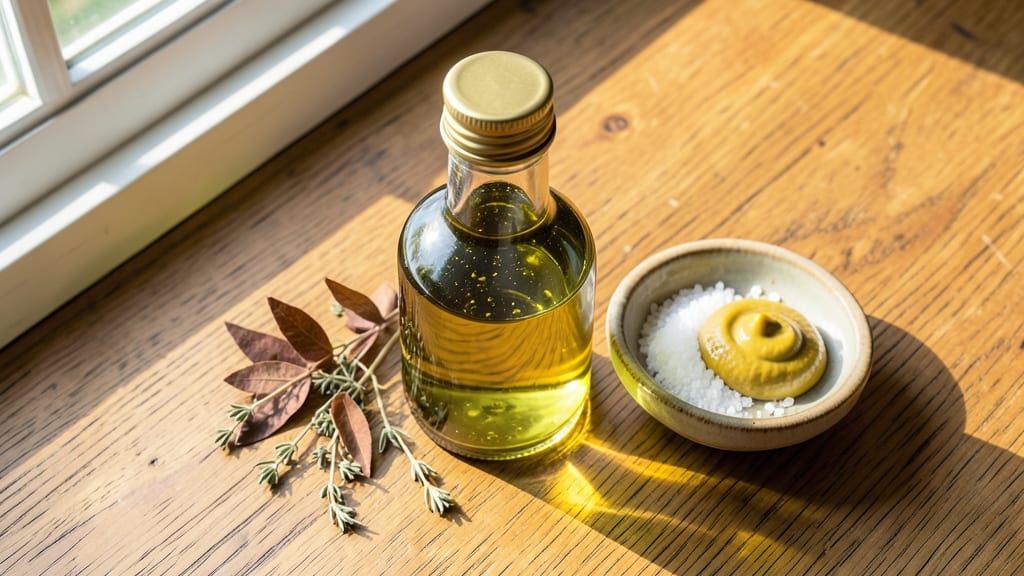
Aunt Martha's old-fashioned salad dressing recipe brings back the creamy, tangy perfection of homemade dressing that store-bought versions simply can't match. This classic blend of vinegar, oil, and spices creates a rich, balanced dressing that elevates any garden salad, Caesar, or coleslaw.
I first tasted this version at my aunt's kitchen table, where she'd shake together a batch every summer—its simplicity hiding layers of flavor that keep it fresh in my memory.
The secret lies in the precise ratio of vinegar to oil, which creates a stable emulsion without needing mayonnaise or commercial thickeners. Just a few tablespoons of Dijon mustard and a pinch of dried herbs like oregano and thyme add depth, while a touch of sugar balances the acidity.
Unlike modern dressings, this one builds flavor over time, making it even better after sitting for a few hours in the fridge.
What makes this dressing truly special is its versatility—it works equally well on crisp romaine, hearty potato salads, or even as a marinade for grilled vegetables. The texture is creamy yet light, with just the right tang to cut through rich ingredients.
Once you try this homemade version, you'll never go back to bottled again.
With just five ingredients and five minutes of prep, this dressing delivers restaurant-quality results at home. The method is straightforward, but the flavor is anything but ordinary. Let's get started on recreating Aunt Martha's timeless recipe—your salads will never be the same.
Ingredients for aunt martha's old fashioned salad dressing
Five simple ingredients, one timeless shake—just like Aunt Martha used to make.
| Ingredient | Amount | Notes |
|---|---|---|
| Extra-Virgin Olive Oil 🫒 | 1 cup | High-quality, fruity variety |
| White Wine Vinegar 🍷 | ½ cup | Dry, crisp vinegar preferred |
| Dijon Mustard 🥬 | 1 tbsp | For creaminess and depth |
| Granulated Sugar 🍚 | 1 tbsp | Balances acidity |
| Dried Oregano 🌿 | ½ tsp | Mild, Mediterranean variety |
| Dried Thyme 🌿 | ¼ tsp | Earthy, aromatic flavor |
| Salt 🧂 | ½ tsp | Kosher or sea salt |
| Black Pepper 🌶️ | ¼ tsp | Freshly ground preferred |
The olive oil and vinegar are the stars here. Trader Joe's or Whole Foods carry great extra-virgin olive oil—look for a fruity, peppery note. White wine vinegar should be dry and crisp; Bragg is my go-to for consistency. The Dijon mustard adds that creamy texture without mayo, and you can't skip it. I always grab the Maille brand if I'm splurging, but regular Dijon works fine. The dried herbs? Penzeys bulk bins are perfect for small amounts—no waste, all flavor. Just make sure they smell fresh, not dusty.
No white wine vinegar? Apple cider vinegar works too, but it adds a fruity twist. Short on Dijon? Yellow mustard at half the amount gets you close. Want more tang? Add an extra teaspoon of vinegar. The sugar balances the acidity, but if you're watching carbs, you can skip it—just know it'll be sharper. Balsamic vinegar can replace white wine vinegar, but reduce to 3 tbsp since it's sweeter. Fresh thyme or oregano? Use one-third the amount of dried. And if you're feeling fancy, a pinch of Worcestershire sauce adds umami depth.
This dressing only needs five minutes to shake together, but it tastes even better after sitting for at least 1 hour—the flavors meld. Store it in a clean jar in the fridge for up to 2 weeks. I always double the batch because it disappears fast. If it separates, just give it a good shake before using. Perfect for salads, grilled veggies, or even drizzled over roasted potatoes. The leftovers? Freeze for 3 months in ice cube trays for single-serving portions.
Why You'll Love This Recipe
- Here’s the best part: this recipe doubles easily, and the leftovers? They last in the fridge for weeks. I keep a jar in my fridge at all times because it’s my go-to for last-minute meals or when I’m too tired to think. Plus, the ingredients are cheap—you’re not breaking the bank for a bottle of store-bought dressing when this costs pennies.
- Five-Ingredient Magic: I swear by this recipe because it’s the kind of dressing that proves you don’t need a fancy pantry—just olive oil, vinegar, mustard, sugar, and oregano. That’s it. No measuring cups to stress over, no fancy techniques—just stir, taste, adjust, and boom. Honestly, I’ve made it in a mason jar while chatting on the phone, and it still comes out perfect.
- Tangy, Herby, Addictive: The white wine vinegar cuts through everything, the Dijon mustard adds that little kick, and the oregano? It’s the secret—dried, but it still packs a punch. Between us, I’ve used this on everything from grilled chicken to roasted potatoes, and it never lets me down. That balance of sweet, sharp, and earthy is chef’s kiss.
- Weeknight Workhorse: This isn’t just for salads. Drizzle it over pasta, toss it with roasted veggies, or even use it as a marinade for chicken. I’ve even poured it over warm bread with a sprinkle of flaky salt—trust me, it’s a game-changer for lazy nights. It’s the kind of dressing that makes mealtimes feel special without the fuss.
Step-by-step instructions for Aunt Martha's old fashioned salad dressing
This classic dressing comes together faster than you'd think—just a few simple steps to balance rich olive oil with bright vinegar.
Whisk Together the Wet Ingredients
In a medium bowl, pour in the 1 cup extra-virgin olive oil and ½ cup white wine vinegar. I like to use a whisk for this part because it helps emulsify the oil and vinegar right from the start. You'll see the mixture start to look cloudy—that's normal and actually a good sign.
Next, add the 1 tablespoon Dijon mustard and 1 tablespoon granulated sugar. The mustard adds that creamy texture we all love, while the sugar just takes the edge off the vinegar. Stir everything together until it's completely smooth and there are no streaks of oil or vinegar left. This ensures your dressing will stay emulsified and not separate later.
Add the Seasonings and Dry Ingredients
Now it's time for the herbs and spices. Sprinkle in the ½ teaspoon dried oregano, ¼ teaspoon dried thyme, ½ teaspoon salt, and ¼ teaspoon black pepper. I always use freshly ground black pepper because the flavor just pops more than pre-ground stuff.
Give everything a good stir with your whisk or a fork. You want those herbs to break up and distribute evenly throughout the dressing. If you taste it now, it'll be a little sharp and vinegary—that's okay, because the olive oil will mellow it out as you whisk it in.
Emulsify for a Creamy Finish
This is where the magic happens. Take your whisk and start whisking vigorously for about 1-2 minutes. You'll see the mixture start to thicken and turn into a smooth, creamy consistency. If it starts to look like it's separating again, just keep whisking—it'll come back together.
Here's the thing—don't rush this step. The longer you whisk, the more stable your dressing will be. If you're in a hurry, you can also use an immersion blender for about 10-15 seconds to get that same creamy texture. Once it looks smooth and glossy, your dressing is ready to use.
Taste and Adjust to Perfection
Before you pour it over your salad, give it a taste. If it needs more sweetness, add a little more sugar—just ¼ teaspoon at a time. Need more tang? Add a splash of vinegar. Too thick? Thin it out with a little water or more vinegar. Too thin? Stir in a little more olive oil.
Remember, this dressing is meant to complement your salad, not overpower it. Once you've got it just right, transfer it to a clean jar or bottle. It'll keep in the fridge for up to 2 weeks, so you can make a big batch and have it ready for whenever you need it.
Pro Tips For Making Aunt Martha'S Old Fashioned Salad Dressing
- Whisk in Stages: Start by mixing the Dijon mustard and sugar—this keeps the sugar from clumping when you add the vinegar later. Then slowly drizzle in the olive oil while whisking constantly; if you pour it all at once, you’ll end up with a greasy, unbalanced mess.
- Use Room-Temp Oil: Cold olive oil thickens the dressing faster, making it harder to emulsify. Let your bottle sit out for 10 minutes before measuring—just enough to prevent clumping and ensure a smooth, silky finish.
- Measure Vinegar First: I learned this the hard way—adding mustard and sugar to the vinegar first prevents grainy texture when the oil comes in. If you dump oil first, the sugar will sit like sand at the bottom no matter how much you shake it.
- Toast the Oregano: Sprinkle the dried oregano into a dry pan over low heat for 30 seconds until fragrant—this wakes up its flavor and cuts through the vinegar’s sharpness. Skip this, and you’ll taste "dried herb" instead of "herb."
Flavor customization for these flavors
Classic Tangy Twist
For a brighter, more vibrant dressing, swap the white wine vinegar for apple cider vinegar and add ½ teaspoon ground cinnamon. This autumn-inspired version pairs perfectly with roasted butternut squash salads or shaved Brussels sprouts.
The cinnamon adds warmth, while the apple cider vinegar brings a fruity tang that balances the olive oil beautifully. 🍎
Herb-Infused Variations
Fresh herbs elevate this dressing to new heights. Try adding 1 tablespoon finely chopped fresh dill or 1 teaspoon chopped fresh tarragon for a bright, garden-fresh flavor. For a Mediterranean touch, mix in 1 teaspoon chopped fresh basil and ½ teaspoon lemon zest.
These variations work especially well with Greek salads or grilled vegetable platters.
Spicy Kick Options
If you love heat, stir in ½ teaspoon smoked paprika or ¼ teaspoon cayenne pepper for a subtle smoky or fiery edge. For a more complex flavor, add 1 teaspoon hot honey or a dash of Tabasco sauce.
This spicy version pairs wonderfully with Southwestern salads or grilled chicken dishes. Just be sure to taste as you go—spices can intensify once chilled.
Creamy Upgrade
For a richer, more luxurious dressing, replace the Dijon mustard with 2 tablespoons crème fraîche or 1 tablespoon sour cream. This addition creates a velvety texture that works beautifully with Caesar salads or creamy potato salads.
If you want to keep it dairy-free, use 1 tablespoon Greek yogurt instead. The result is a dressing that feels indulgent yet remains light and refreshing.
Sweet and Savory Balance
Add a touch of sweetness with 1 teaspoon honey or 1 teaspoon maple syrup to complement the tangy vinegar. This variation is ideal for fruit salads or goat cheese salads.
For a savory twist, stir in ½ teaspoon soy sauce or 1 teaspoon Worcestershire sauce to deepen the umami flavor. The result is a dressing that’s versatile enough for almost any dish.
Regional Adaptations
Inspired by Southern cooking, try adding ½ teaspoon onion powder and ¼ teaspoon garlic powder for a deeper, more robust flavor. This version pairs perfectly with pimento cheese salads or collard greens.
For a French-inspired touch, swap the dried thyme for 1 teaspoon fresh thyme and add a pinch of fleur de sel for a delicate, salty finish. 🌍
Nutrition facts
Frequently asked questions about classic homemade salad dressings
Why does my homemade dressing separate?
Separation happens when oil and vinegar aren't properly emulsified. Keep whisking for 1-2 minutes until smooth, or use an immersion blender for 10-15 seconds. The Dijon mustard helps bind the mixture—don't skip it! If it separates later, just shake before using.
Can I make this dressing without Dijon mustard?
Yes! Use ½ tablespoon yellow mustard instead, but it won't be as creamy. For a dairy-free option, try 1 tablespoon Greek yogurt or 1 teaspoon honey to help emulsify. The texture will be slightly different, but still delicious.
How long should I let the dressing sit before using?
Let it rest for at least 1 hour in the fridge—the flavors meld beautifully! If you're short on time, whisk it again before serving. The longer it sits (up to 2 weeks), the better it tastes. This is why Aunt Martha always made it ahead.
What's the best way to store leftover dressing?
Transfer to a clean, airtight jar and refrigerate for up to 2 weeks. For longer storage, freeze in ice cube trays (up to 3 months)). Thaw overnight in the fridge—never at room temperature. Always check for separation before using.
Can I use this dressing for anything besides salads?
Drizzle it over grilled vegetables, roasted potatoes, or bowls of grains. It also makes a great marinade for chicken or fish—just add a splash of olive oil first. The tangy balance works surprisingly well in many dishes!