
Sauces & Condiments
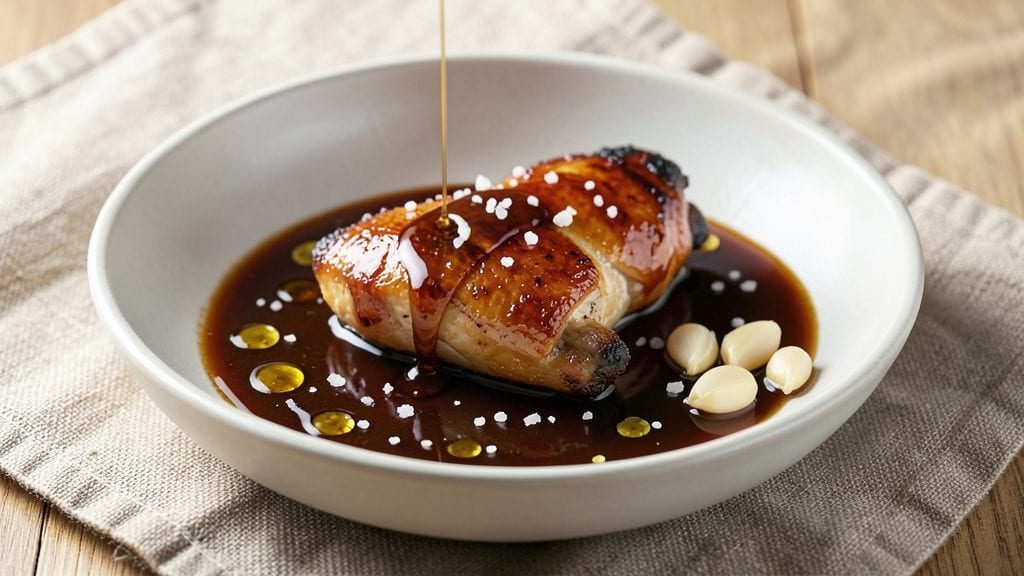
This Bachan's Japanese BBQ sauce copycat recipe delivers the same smoky-sweet depth that makes it a staple in Asian BBQ spots—now you can recreate that signature glaze at home. 🌟 The secret lies in balancing soy sauce, mirin, and a touch of brown sugar, then letting it reduce until it reaches that perfect thick, glossy consistency.
I've been perfecting this sauce for years, and it's become my go-to for glazing ribs, grilled chicken, or even as a dipping sauce for dumplings.
The magic happens during the simmering process, where the flavors meld together to create that complex umami profile. Unlike many store-bought versions, this recipe uses high-quality ingredients—no artificial flavors or preservatives—so you get a sauce that's rich, slightly tangy, and packed with smoky depth.
It takes about 30 minutes to make, and the best part? It keeps well in the fridge for up to two weeks, so you can make a big batch and use it all week.
By the time you're done, you'll have a sauce that's perfect for glazing meats, marinating tofu, or even drizzling over noodles. The color is a deep amber, the aroma is irresistible, and the flavor is a perfect balance of sweet, smoky, and savory.
This is the kind of sauce that elevates any dish from ordinary to extraordinary.
Once you try this copycat version, you'll never go back to the store-bought kind. Let's get started on making your own batch—your taste buds will thank you.
Ingredients for bachan's japanese bbq sauce copycat
Nine simple ingredients transform into that iconic smoky-sweet glaze you crave.
| Ingredient | Amount | Notes |
|---|---|---|
| Soy Sauce 🥫 | ½ cup | High-quality, low-sodium preferred |
| Mirin 🍶 | ¼ cup | Sweet cooking wine, not table mirin |
| Brown Sugar 🍚 | ¼ cup | Light or dark, packed firmly |
| Rice Vinegar 🍶 | ¼ cup | Seasoned works, but plain is better |
| Sesame Oil 🥜 | 1 tbsp | Toasted, not flavored |
| Garlic Cloves 🧄 | 4 cloves | Fresh, minced for depth |
| Fresh Ginger 🌿 | 1 tbsp | Grated, not powdered |
| Water 💧 | ½ cup | Room temperature preferred |
| Honey 🍯 | 1 ½ tbsp | Wildflower or clover |
| Sesame Seeds 🥜 | 1 tbsp | Toasted, for garnish |
The soy sauce is your foundation—Kikkoman or Lee Kum Kee are my go-tos, but any high-quality brand works. Mirin is non-negotiable for that signature sweetness (no, table mirin won't cut it). Trader Joe's sells a great one, or check the Asian aisle at Walmart. For brown sugar, Domino is reliable, but if you've got Murray's, grab that—it's got more molasses flavor. The garlic and ginger? Fresh is essential here—powdered just won't give you that same punch. Toast your sesame seeds in a dry pan for 30 seconds before adding them to the sauce—trust me, it makes all the difference.
No mirin? Substitute 1 tbsp extra honey plus 1 tbsp water—it's not perfect, but it gets you close. Running out of rice vinegar? Apple cider vinegar works in a pinch, but you'll lose some of that delicate tang. Sesame oil too strong? Cut it to 1/2 tbsp and add an extra 1/2 tbsp of honey to balance. The honey matters—avoid artificial sweeteners—they'll ruin that caramelized depth. And if you're gluten-sensitive, use tamari instead of soy sauce (just know the flavor will be slightly different).
This sauce keeps for up to 2 weeks in the fridge, sealed tightly. For longer storage, freeze in ice cube trays—just thaw overnight in the fridge. The flavor actually improves after the first day as everything melds together. I like to make a big batch and use it all week—glazing ribs, drizzling over dumplings, or even as a marinade for tofu. If it thickens too much, just stir in a splash of water. If it's too thin? Simmer uncovered for 5 more minutes.
Why You'll Love This Recipe
- Pantry Magic: I swear by this sauce because it’s made with stuff I already have. No fancy shopping trips—just soy sauce, mirin, and a splash of vinegar. Honestly, I’ve made it at least five times this month, and I’m still reaching for the same ingredients every time.
- Umami Bomb: That balance of sweet, salty, and funky? Chef’s kiss. The brown sugar caramelizes just enough to cut through the soy’s sharpness, while the sesame oil adds this nutty depth that makes it impossible to stop dipping. I’ll be real: I’ve caught myself sneaking spoonfuls straight from the jar.
- Glazes Everything: Grill? Done. Stir-fry? Covered. Even my sad Tuesday-night chicken thighs become a star. The sauce clings like a dream—no thinning needed—and it works on anything from tofu to roasted veggies. (Yes, even on a Tuesday night.)
- No-Waste Winner: A little goes a long way, so I make big batches and stash it in the fridge. It keeps for weeks, and the flavor only gets richer. Plus, if I forget to use it all, I just freeze it in ice cube trays—perfect for quick marinades later. My wallet and my taste buds thank me.
Step-by-step instructions for Bachan's Japanese BBQ sauce copycat recipe
This smoky-sweet glaze nails the authentic umami depth—easy to make, big on flavor!
🍳 Step 1: Bloom the Aromatics in Sesame Oil
Heat a small saucepan over medium-low heat and add the 1 tablespoon sesame oil. Once the oil shimmers (about 30 seconds), add the 4 cloves minced garlic and 1 tablespoon grated fresh ginger. Cook for 1-2 minutes until fragrant but not browned—this releases their aromatic oils without bitterness.
Here's the thing—don't walk away. Garlic burns in seconds, and you want that sweet, nutty aroma, not bitter smoke. Stir constantly until you can smell that unmistakable Japanese BBQ profile developing. This aromatic base is the flavor foundation of the entire sauce.
🍳 Step 2: Combine Wet Ingredients and Simmer
Pour in the 0.5 cup soy sauce, 0.25 cup mirin, 0.25 cup brown sugar, 0.25 cup rice vinegar, and 0.5 cup water. Stir vigorously to dissolve the brown sugar completely—you should see it disappear into the liquid. Bring the mixture to a gentle boil over medium-high heat.
Once boiling, reduce heat to medium-low and let it simmer uncovered for 8-10 minutes until the liquid reduces by about 30%. You'll notice the sauce thickens and darkens slightly—that's when you know the flavors are melding together. This reduction step concentrates the sweetness and deepens the umami.
🍳 Step 3: Sweeten and Finish
Remove the sauce from heat and stir in the 1.5 tablespoons honey. The mixture will bubble slightly—this is normal. Let it cool for 2-3 minutes while you taste and adjust. If it needs more depth, add another ½ teaspoon soy sauce. For extra sweetness, add ½ teaspoon honey. The sauce should balance perfectly between smoky, sweet, and tangy.
I like to let it cool completely before using—this allows all the flavors to fully develop. The sauce should coat the back of a spoon with a glossy, syrupy consistency. If it thickens too much while cooling, simply whisk in 1 teaspoon water to reach your desired pouring consistency.
🥘 Step 4: Toast the Sesame Seeds (Optional but Recommended)
While the sauce cools, toast the 1 tablespoon sesame seeds in a dry skillet over medium heat for 1-2 minutes until golden brown and fragrant. Watch them closely—they burn quickly! Transfer to a small bowl to let them cool while you finish the sauce.
These toasted seeds add incredible texture and nutty depth when sprinkled on top of glazed dishes. They're the perfect garnish for ribs, chicken wings, or even drizzled over noodles. If you skip this step, don't worry—the sauce still tastes amazing, but the texture contrast makes it even better.
⏰ Step 5: Use Immediately or Store Properly
Use your sauce immediately for glazing or store it in an airtight container in the refrigerator for up to 2 weeks. The flavors actually improve over time! When ready to use, gently reheat in a saucepan over low heat until warmed through—don't boil or the sauce will separate.
This copycat recipe delivers that signature Bachan's profile—rich, smoky, with just the right balance of sweet and tangy. The umami depth comes from the soy sauce and mirin combination, while the honey and brown sugar create that signature caramelized finish. You'll be amazed how simple ingredients can create such complex flavor!
Pro Tips For Making Bachan'S Japanese Bbq Sauce Copycat
- Simmer Slow and Steady: This isn’t a race—reduce the sauce on medium-low heat until it thickens to a syrupy consistency (about 15-20 minutes). I used to crank the heat and end up with a burnt, bitter mess; the sauce needs time to meld, not to boil furiously.
- Use Real Mirin, Not Substitutes: Cheap cooking wine won’t cut it here. Mirin has a delicate sweetness and acidity that balance the soy and sugar—skip the shortcut unless you’re okay with a flat, one-dimensional flavor. If you must substitute, add a splash of white wine + 1 tsp sugar and adjust to taste, but it won’t be the same.
- Strain the Sugar First: Brown sugar clumps like a stubborn guest at a party. Dissolve it in the rice vinegar first (warm it slightly if needed) before adding to the pot—this prevents grainy texture in your sauce. I learned this after serving a batch with visible sugar crystals and wondering why it tasted "off."
- Taste Before Adding Sesame Oil: The sesame oil is the finishing touch, but it’s easy to overdo it. Remove the sauce from heat first, let it cool for 2 minutes, then add just ½ teaspoon—you can always add more, but you can’t undo the nutty overpowering if you go too far. (Yes, I’ve done that too.)
Essential equipment for this recipe
Saucepan Essentials
You’ll need a medium-sized, heavy-bottomed saucepan—I swear by my All-Clad stainless steel (about 3-quart capacity)—to handle the simmering without scorching. The flat base distributes heat evenly, preventing hot spots that could burn your sauce.
Avoid thin aluminum pans—they heat unevenly and might react with acidic ingredients like rice vinegar. 🔥
Heat Control Tools
A kitchen thermometer (like the Thermoworks Thermapen) helps you monitor the simmer—ideal temperature is between 180-200°F. This ensures even reduction without boiling too aggressively. For stovetop control, I use induction burners (like my Breville Precision Cook Control) for precise heat adjustments.
If you’re on gas, a diffuser burner spreads heat evenly for consistent simmering.
Whisk for Smoothness
A balloon whisk (like the OXO Good Grips) is my go-to for dissolving brown sugar and blending ingredients seamlessly. Its flexible wires cut through thickened sauce better than a spoon, ensuring no lumps remain.
For the final texture, I give it a quick stir with a silicon spatula—it’s heat-resistant and gentle on nonstick pans if you’re testing consistency.
Measuring Precision
Invest in a digital scale (I use the Escali Primo) for accurate measurements—especially for brown sugar and honey. Volume measurements can vary (e.g., packed vs. loosely scooped sugar), but a scale guarantees consistency.
For liquids, a graduated measuring cup (like Pyrex) with clear markings prevents spills and ensures you hit those ¼-cup mirin or ½-cup soy sauce targets precisely.
Storage Containers
Store your sauce in glass airtight containers (I love Le Parfait jars)—they’re microwave-safe and won’t absorb odors like plastic. For freezing, use silicone molds (like Stasher bags) to portion single-use servings.
Label with the date—this sauce keeps for 2 weeks refrigerated or 3 months frozen, but trust me, it’ll disappear faster than that. ❄️
Optional Garnish Tools
Toast sesame seeds in a small cast-iron skillet (like Lodge)—its heavy base prevents burning while achieving that nutty aroma. For garnishing, a fine-mesh strainer (like OXO Good Grips) catches stray seeds if you prefer a smoother finish.
A microplane (for ginger) and garlic press (for cloves) speed up prep, but fresh mincing adds depth—your call! 🥜
Nutrition facts
Frequently asked questions
Why does this Japanese BBQ sauce need to simmer?
Simmering reduces the liquid by about 30%, concentrating the flavors and creating that signature glossy, syrupy texture. This step also helps the soy sauce's umami and the mirin's sweetness meld together perfectly. Skipping it leaves the sauce too thin and watery.
Can I make this sauce without mirin?
Yes! Substitute 1 tablespoon extra honey plus 1 tablespoon water for the mirin. The sauce will still taste delicious, though it'll be slightly less complex. For a closer match, use 1 tablespoon dry sherry instead—it adds depth without overpowering.
How do I know when the sauce is done?
The sauce is ready when it coats the back of a spoon with a glossy, syrupy consistency and reduces by about 30% (from 2 cups to roughly 1.4 cups). It should also darken slightly and smell richly aromatic. Taste it—balance is key: sweet, tangy, and smoky with no single flavor overpowering.
What are the best ways to use this sauce?
This versatile sauce works as a glaze for ribs, chicken wings, or grilled fish, a marinade for tofu or beef, or even a dipping sauce for dumplings or spring rolls. For extra shine, brush on 30 minutes before cooking. Pro tip: Save some to mix with mayo for a quick Asian-inspired BBQ sauce!
Can I freeze this sauce?
Freeze in ice cube trays or small containers for easy portioning. Thaw overnight in the fridge and reheat gently over low heat until warmed through—never microwave directly, or it may separate. The sauce keeps its quality for up to 3 months frozen.