Main Courses
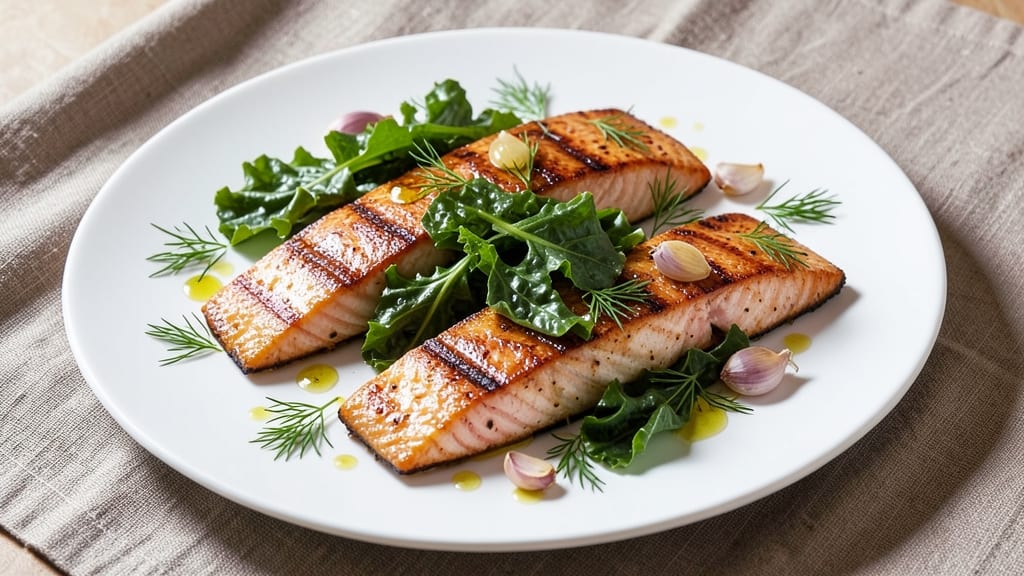
This baked salmon with kale recipe delivers restaurant-quality results with crispy skin and vibrant greens that complement every bite. The secret lies in a precise baking technique that ensures the salmon stays moist while achieving that coveted crispy texture, paired with nutrient-packed kale that adds a satisfying crunch.
I developed this method after years of experimenting with salmon preparations, and it never fails to impress—whether you're cooking for a weeknight dinner or a special occasion.
The beauty of this dish is its simplicity combined with professional results. You'll need just a few key ingredients: fresh salmon fillets, crisp kale leaves, olive oil, and a blend of herbs and citrus to elevate the flavors.
The salmon bakes at a precise temperature to maintain its tenderness while developing that crispy skin, while the kale roasts until it's tender yet still holds its shape, creating a perfect balance of textures. This method ensures you'll achieve foolproof results every time, with minimal effort and maximum flavor.
What you'll end up with is a plate that's as visually appealing as it is delicious—golden, crispy salmon fillets resting on a bed of vibrant, slightly charred kale. The combination of rich, flaky salmon and earthy, nutrient-rich greens creates a harmonious flavor profile that's both satisfying and balanced.
The crispy skin on the salmon adds an extra layer of texture that makes every bite worth savoring, while the kale brings a fresh, slightly bitter contrast that cuts through the richness of the fish.
This recipe is versatile enough to serve as a complete meal on its own or pair beautifully with additional sides like roasted potatoes or a simple grain. The method is designed to be foolproof, ensuring you'll achieve professional-quality results without the need for advanced techniques.
Whether you're a seasoned home cook or just starting out, this baked salmon and kale recipe will become a staple in your rotation—easy to prepare, packed with flavor, and guaranteed to impress.
Ingredients for baked salmon and kale
Just 11 ingredients transform simple salmon and kale into restaurant-worthy perfection.
| Ingredient | Amount | Notes |
|---|---|---|
| Salmon Fillets 🐟 | 4 whole | Skin-on, center-cut preferred |
| Fresh Kale Leaves 🥬 | 8 cups | Torn into bite-sized pieces |
| Extra-Virgin Olive Oil 🫒 | ½ cup | High-quality, fruity variety |
| Lemon Juice 🍋 | 2 tbsp | Freshly squeezed, no pulp |
| Fresh Dill 🌿 | ¼ cup | Chopped, stems removed |
| Garlic Cloves 🧄 | 3 cloves | Minced, for salmon topping |
| Sea Salt 🧂 | 1 ½ tsp | Fine grain, kosher preferred |
| Black Pepper 🌶️ | ½ tsp | Freshly ground for best flavor |
| Honey 🍯 | 1 tbsp | For crispy skin glaze |
| Toasted Almond Slices 🥜 | ¼ cup | For garnish, optional |
| Fresh Lemon Wedges 🍋 | 2 whole | For serving |
The salmon makes or breaks this dish—center-cut fillets with skin are non-negotiable for that crispy texture. Grab the thickest fillets you can find (about 1-inch thick) from the seafood counter. If it's been sitting too long, ask for the freshest cut. Whole Foods or Trader Joe's usually have great options, but call ahead to check their seafood rotation. Pat the fillets dry before seasoning—this helps the skin crisp up. Kale? Curly green kale works best, but any variety in the produce section will do. Remove the tough stems and tear the leaves into bite-sized pieces (no need to chop finely).
No fresh dill? Dried dill at one-third the amount works, but fresh is ideal—it brightens up the dish. Short on honey? Maple syrup gives a similar glaze, though slightly less crispy. The lemon juice can be bottled, but freshly squeezed has way more zing. Swapping kale for spinach? Use the same amount, but it'll wilt faster. For the almonds, any nut works—walnuts or pecans add a different texture. The garlic can be pre-minced from a jar, but freshly minced tastes better. If you're in a pinch, just skip the garnish—it's not essential.
Salmon stays fresh for 2 days in the fridge, but bake it the same day for best results. Kale keeps for 5 days wrapped in a damp towel. The almonds? Store them in an airtight container for up to 2 weeks. This dish reheats poorly—plan to serve it fresh from the oven. I always make a double batch and save half for lunches. The leftovers keep for 2 days in the fridge, but the texture changes slightly. Best enjoyed immediately.
Why You'll Love This Recipe
- One-Pan Magic: Honestly, I swear by this recipe because it’s that easy—just toss the salmon and kale on a sheet pan, drizzle with olive oil, and let the oven do the work. No chopping boards full of mess, no last-minute cleanup. The kale wilts right alongside the salmon, so you’re not stuck with a separate side dish.
- Bright & Zesty: That lemon juice and fresh dill combo? It’s like a sunshine burst in every bite. The salmon stays moist while the kale gets tender, and the bright acidity cuts through the richness—no heavy sauces needed. It’s the kind of flavor that makes you reach for seconds without even thinking.
- Meal Prep Hero: Between us, this is my go-to for busy weeks. Bake a big batch on Sunday, and you’ve got lunch or dinner covered for days—just reheat the salmon gently and toss the kale in a salad or wrap. (Yes, even on a Tuesday night when you’re exhausted.)
- Budget-Friendly Protein: Salmon fillets might seem pricey, but they stretch further than you’d think, especially when paired with hearty kale. A single pan feeds four, and leftovers reheat like a dream—no soggy fish here. It’s fancy enough for guests but simple enough for a weeknight.
Step-by-step instructions for baked salmon with kale
Here's how to bake restaurant-quality salmon with crispy skin and vibrant kale in one easy pan.
Prep the Salmon for Perfect Crispy Skin
Preheat your oven to 400°F and line a baking sheet with parchment paper. Pat the 4 whole salmon fillets completely dry with paper towels—this is crucial for crispy skin. I like to press down firmly on each fillet to remove all moisture from the surface.
In a small bowl, whisk together 1 tablespoon honey, 2 tablespoons lemon juice, and 1.5 teaspoons sea salt. Brush this mixture generously over both sides of each salmon fillet, making sure to get it on the skin. The honey creates that beautiful caramelized crust while keeping the fish moist inside.
Let the salmon sit at room temperature for 10 minutes while you prepare the kale. This ensures even cooking throughout the fillets. I know it's tempting to pop them in the oven right away, but this short wait makes all the difference for crispy skin and tender flesh.
Roast the Salmon Until Crispy and Flaky
Place the salmon fillets on the prepared baking sheet, skin-side down. Bake for 12-15 minutes until the skin is deep golden brown and crispy, and the internal temperature reaches 145°F when measured at the thickest part. You'll know it's ready when the salmon releases easily from the skin with a gentle tug.
Here's the thing—I like to press down gently on the fillets during the first 5 minutes of baking. This prevents them from curling and ensures even contact with the hot pan. Don't flip them during cooking; the skin needs that direct heat to crisp up properly.
Once done, transfer the salmon to a plate and tent loosely with foil. Let it rest for 5 minutes before serving. This resting period keeps the juices inside where they belong, preventing them from running out when you cut into the fish.
Sauté the Kale Until Tender-Crispy
While the salmon bakes, heat 0.5 cup extra-virgin olive oil in a large skillet over medium heat. Add the 8 cups fresh kale leaves and cook for 4-5 minutes, stirring occasionally, until the kale wilts down and the edges start to crisp. You're looking for bright green leaves with slightly browned edges—this means it's perfectly tender yet still crisp.
Add the 3 minced garlic cloves, 0.5 teaspoon black pepper, and 0.25 cup chopped fresh dill to the skillet. Cook for another 1 minute until fragrant. The garlic should be golden but not burned—this adds wonderful depth to the dish. Give everything a good stir to combine all the flavors.
Remove the skillet from heat and let the kale sit for 1 minute to finish steaming. The residual heat will help soften the kale just right. This is where the magic happens—the kale absorbs all those beautiful flavors from the olive oil, garlic, and dill while maintaining its vibrant color.
Assemble and Garnish the Perfect Plate
Divide the sautéed kale evenly among 4 plates, creating a bed for the salmon. Place one salmon fillet on top of each serving of kale, skin-side up. The crispy skin should be facing up so everyone can enjoy that perfect crunch with every bite.
Sprinkle each plate with 0.25 cup toasted almond slices and serve immediately with the 2 whole fresh lemon wedges. The almonds add a nice crunch contrast to the tender salmon and kale, while the lemon wedges let everyone add a fresh zing to their plate. I like to squeeze a little extra lemon juice over the top right before serving—it really makes the flavors pop.
This dish comes together beautifully with minimal effort, delivering that crispy skin you crave and nutrient-packed kale that adds color and texture. The honey glaze on the salmon gives it a subtle sweetness that pairs perfectly with the bright, tangy flavors of the kale and lemon.
Pro Tips For Making Baked Salmon And Kale
- Dry the Salmon First: Pat those fillets thoroughly with paper towels—no wet spots. I learned this the hard way when my salmon turned out soggy instead of crispy. Wet skin = steam = bland, rubbery salmon. Trust me, take the extra 30 seconds.
- Massage the Kale: Tear the leaves into bite-sized pieces, then rub them with your hands and a glug of olive oil for 30 seconds. This softens the tough stems and makes the greens actually tender. (Yes, even if you’re impatient like me—it’s worth it.)
- Bake at 400°F, Not Lower: Skip the gentle 375°F—crank it to 400°F for the first 10 minutes. The salmon cooks faster at the start, then finishes perfectly without drying out. I used to undercook it at lower temps, and the center stayed cold. Hot start = happy salmon.
- Add Lemon Zest, Not Just Juice: Zest a strip of lemon peel over the salmon before baking—it brightens the flavor way more than juice alone. (Save the juice for drizzling at the end.) I was skeptical until I tried it; now it’s non-negotiable for me.
Pro cooking tips for baked salmon and kale
Salmon Skin Secrets
Pat the salmon fillets bone-dry with paper towels before baking—this is non-negotiable for crispy skin. I press each fillet firmly to remove every last drop of moisture, even going so far as to use a second towel. The skin needs to be completely dry to develop that perfect golden crust.
For extra insurance, I let the salmon sit at room temperature for 10 minutes before baking—this ensures even cooking and prevents the center from being undercooked while the edges crisp. 🔥
Honey Glaze Magic
The honey-lemon glaze isn’t just for flavor—it’s a crispy skin catalyst. I mix 1 tbsp honey with 2 tbsp lemon juice and 1.5 tsp sea salt to create a sticky, flavorful barrier. Brush it generously on both sides of each fillet, including the skin.
The honey caramelizes beautifully in the oven, creating that coveted crispy texture while keeping the fish moist inside. Don’t skip this step—it’s the difference between good and restaurant-quality salmon.
Kale Texture Control
For perfectly tender-crispy kale, cook it in 0.5 cup extra-virgin olive oil over medium heat for exactly 4-5 minutes. Stir frequently to ensure even browning—you want the edges to crisp while the centers stay bright green.
The key is timing: remove it just as the edges start to brown. Let it rest off-heat for 1 minute to finish steaming, which softens the leaves without turning them mushy. This technique keeps the kale vibrant and adds that satisfying crunch. 🥬
Garlic Timing Trick
Add the 3 minced garlic cloves to the kale in the last minute of cooking—this prevents them from burning while still infusing maximum flavor. I also toss in 0.25 cup chopped fresh dill at this stage to brighten the dish.
The dill’s fresh, herbal notes cut through the richness of the salmon and complement the earthy kale beautifully. Don’t overcook the garlic; it should be golden and fragrant, not bitter. This small detail elevates the entire dish.
Resting for Juiciness
Never skip the 5-minute rest after baking the salmon. This crucial step allows the juices to redistribute throughout the fillets, ensuring each bite is moist and flavorful. I transfer the salmon to a plate, tent it loosely with foil, and let it rest while I finish the kale.
Cutting into the salmon too soon causes all the juices to spill out, leaving you with dry, flavorless fish. Trust me, the wait is worth it for that perfect, juicy texture. 💡
Almond Garnish Hack
Toast the 0.25 cup almond slices in a dry skillet over medium heat for 2-3 minutes until golden and fragrant. This adds a nutty crunch that contrasts beautifully with the tender salmon and kale. I like to sprinkle them over the dish right before serving so they stay crisp.
For extra flair, I drizzle a little more lemon juice over the top—it ties all the flavors together and adds a bright, refreshing finish. This garnish isn’t just decorative; it enhances the dish’s texture and flavor profile.
Nutrition facts
Frequently asked questions
Can I use frozen salmon for this recipe?
Fresh salmon is ideal, but you can use frozen fillets if thawed properly. Place them in the refrigerator overnight or use the cold water method (sealed in a bag) for 20-30 minutes. Pat them completely dry before seasoning to ensure crispy skin. Never thaw at room temperature—this promotes bacterial growth.
What if my salmon skin isn't crispy?
Crispy skin requires three key steps: bone-dry fillets, skin-side down baking, and proper oven temperature (400°F). If yours isn't crispy, try pressing down gently on the fillets during the first 5 minutes of baking. For extra insurance, broil for 1-2 minutes at the end to caramelize the skin.
Can I substitute kale with another green?
Spinach wilts faster, so use 6 cups instead of 8. Swiss chard or collard greens work well too—just trim the stems and chop similarly. For a heartier texture, try 1 cup chopped Brussels sprouts with the kale. The key is keeping the greens vibrant and tender-crispy.
How do I make this dish ahead of time?
Prep the salmon and kale separately up to 1 day ahead. Store the seasoned fillets (unbaked) in the fridge, and keep the kale ingredients in a sealed container. On serving day, bake the salmon fresh and sauté the kale just before plating. The flavors hold up well, but the crispy skin is best enjoyed immediately.
What's the best way to reheat leftovers?
This dish reheats best in a 350°F oven for 8-10 minutes to maintain texture. For the kale, warm it in a skillet with a splash of water for 2 minutes—this prevents drying. Avoid microwaving the salmon, as it can make the skin rubbery. Leftovers keep for 2 days in the fridge.