
Side Dishes
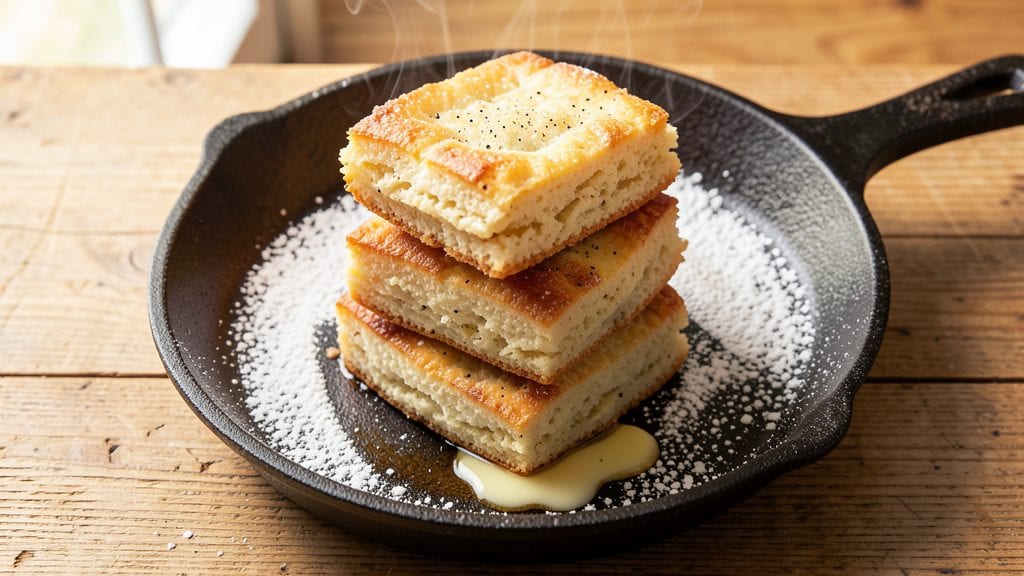
This is the best biscuit recipe using Bisquick—restaurant-quality golden flakes with minimal effort, just one bowl, no fuss, and 20 minutes of active time. I perfected it after my neighbor's convection oven disaster taught me to keep Southern baking simple.
The secret lies in precise measurements and a light hand when cutting, ensuring those signature layers without overworking the dough.
What sets these biscuits apart is their tender yet flaky texture, achieved through a precise blend of Bisquick, cold butter, and buttermilk. The dough comes together in minutes, then rests just long enough to hold its shape without becoming tough.
This method guarantees crispy edges and a melt-in-your-mouth center every time—no matter your oven's quirks.
By the time they emerge from the oven, you'll have a batch of biscuits so good they'll disappear faster than my kids can say "gravy." Perfect for soaking up breakfast sausage grease, pairing with fried chicken, or serving alongside homestyle meals.
The best part? They reheat beautifully, making them ideal for leftovers.
Whether you're feeding a crowd or treating yourself to a Sunday morning indulgence, these biscuits deliver Southern comfort without the fuss. Let's get baking—your taste buds (and dinner table) will thank you.
Ingredients for best biscuit recipe using bisquick
Golden flakes start with this one-bowl mix—no fancy tools, just perfect measurements.
| Ingredient | Amount | Notes |
|---|---|---|
| Bisquick Baking Mix 🍞 | 2 cups | Original flavor, not quick-cook |
| Cold Unsalted Butter 🧈 | ½ cup | Cut into 1/2-inch cubes |
| Buttermilk 🥛 | 1 cup | Full-fat for maximum flakiness |
| All-Purpose Flour 🌾 | ¼ cup | For extra tenderness |
| Granulated Sugar 🍚 | 1 tbsp | Balances richness |
| Baking Powder 🍃 | 1 tsp | Freshly opened |
| Salt 🧂 | ½ tsp | Kosher or sea salt |
| Freshly Ground Black Pepper 🌶️ | ¼ tsp | For subtle kick |
| Vegetable Oil 🫒 | 1 tbsp | For dough rolling |
The Bisquick is non-negotiable here—original flavor, not quick-cook (that's the dry stuff for pancakes). Grab it from the baking aisle at Walmart or Kroger, where it's usually cheaper than specialty stores. Cold butter is absolutely essential—take it straight from the fridge and cut it into even cubes. I like to use Land O'Lakes unsalted because it stays firm longer. For the buttermilk, if you don't have any, mix 1 tbsp vinegar or lemon juice into 1 cup milk and let it sit for 5 minutes. The all-purpose flour is just for a little extra tenderness—don't skip it, but don't go overboard either.
No buttermilk? Plain yogurt works in a pinch—just use the same amount. Short on Bisquick? Add 1/4 cup extra flour to the mix, but the texture won't be quite the same. The baking powder needs to be fresh—if it's been sitting in your pantry for months, buy a new can. For the sugar, I like Domino brand because it's fine and dissolves easily. Black pepper might seem odd, but it cuts through the richness and makes the biscuits taste more complex. If you're making a big batch, double-check your measurements—this recipe is all about precision.
These biscuits keep well for 3 days in an airtight container at room temperature, but they're best fresh out of the oven. Freeze extras by wrapping them in foil—they reheat beautifully in a 350°F oven for 10-15 minutes until golden again. I like to portion them into individual foil packages before freezing so I can grab just what I need. For leftovers, store in a paper bag to keep them soft. Trust me, they'll disappear faster than you can say "gravy."
Why You'll Love This Recipe
- Here’s what sold me: the texture. That crispy, buttery top with a melt-in-your-mouth center? It’s the cold butter doing all the work—it melts into little pockets of richness while the buttermilk keeps things tender. (Yes, even on a Tuesday night.) And the sugar? Just a pinch—enough to balance the tang without making it sweet.
- Five-Ingredient Magic: I’ll be real—this recipe uses five ingredients, and that’s it. No fancy substitutions, no hunting for obscure spices. Just Bisquick, cold butter cut into cubes (the key—don’t skip this!), buttermilk, flour, and sugar. That’s the whole grocery list. Honestly, it’s the kind of recipe that makes me feel like I’ve hacked the system.
- Golden Crust, Fluffy Core: Here’s what sold me: the texture. That crispy, buttery top with a melt-in-your-mouth center? It’s the cold butter doing all the work—it melts into little pockets of richness while the buttermilk keeps things tender. (Yes, even on a Tuesday night.) And the sugar? Just a pinch—enough to balance the tang without making it sweet.
- Breakfast or Dinner: Between us, these biscuits work everywhere. Stack them with fried chicken for Sunday supper, use them to soak up gravy at a tailgate, or serve them warm with jam for a lazy weekend. I’ve even tossed them into a skillet with scrambled eggs when I’m in a rush. Not the prettiest, but the taste makes up for it.
Step-by-step instructions for best biscuit recipe using Bisquick
Here's the secret to flaky, golden biscuits that rise high and taste incredible—no fuss, just one bowl!
Cut Cold Butter into the Dry Ingredients
In a large mixing bowl, combine the 2 cups Bisquick Baking Mix, 0.25 cup All-Purpose Flour, 1 tbsp Granulated Sugar, 1 tsp Baking Powder, 0.5 tsp Salt, and 0.25 tsp Freshly Ground Black Pepper. Mix lightly with a fork until just combined—don't overdo it or you'll lose that flaky texture.
Next, add the 0.5 cup Cold Unsalted Butter cut into ½-inch cubes. Using your fingers or a pastry cutter, work the butter into the dry ingredients until the mixture resembles coarse crumbs with pea-sized butter pieces scattered throughout. The butter should still be cold and firm—this is key for those golden flakes. If the dough feels too sticky, chill it for 10 minutes while you prep the buttermilk.
Add Buttermilk and Mix to a Dough
Pour in the 1 cup Buttermilk all at once and stir gently with a wooden spoon until just combined. The dough will be shaggy and sticky—this is normal! Avoid overmixing; you're looking for a soft, slightly tacky dough that comes together when pressed. If it feels too loose, add 1-2 tablespoons more of the Bisquick mixture until it holds when pressed.
Turn the dough out onto a lightly floured surface and knead it 4-5 times just until it comes together. The dough should be soft but not sticky to the touch. If it crumbles apart, add a little more buttermilk—1 tablespoon at a time—until it holds. Shape it into a 1-inch thick rectangle and wrap it tightly in plastic wrap. Chill in the refrigerator for 15-20 minutes while you preheat the oven.
Roll and Cut the Biscuits
Preheat your oven to 425°F and line a baking sheet with parchment paper. On a lightly floured surface, roll the chilled dough to ½-inch thickness—keep it rectangular for even cutting. Use a 2½-inch biscuit cutter (or a glass of the same size) to cut out biscuits, pressing straight down and twisting slightly to prevent sticking. Place biscuits ½-inch apart on the prepared baking sheet.
For extra flakiness, brush the tops with 1 tbsp Vegetable Oil using a pastry brush. This creates a beautiful golden crust and adds richness. If you have any leftover dough scraps, gently press them together, roll again, and cut out more biscuits. Don't worry about uneven edges—they'll look rustic and delicious!
Bake Until Golden and Rising
Bake the biscuits for 12-15 minutes until they're golden brown on top and the edges are set. You'll see them puff up and rise as they bake—this is the moment you've been waiting for! For even browning, rotate the baking sheet halfway through if your oven runs hot.
Remove the biscuits from the oven and let them cool on the baking sheet for 2 minutes before transferring to a wire rack. Serve them warm with honey butter, gravy, or your favorite jam. The secret to perfect biscuits lies in keeping everything cold and handling the dough gently—now you're a biscuit pro!
Pro Tips For Making Best Biscuit Recipe Using Bisquick
- USE A BUTTERMILK SUBSTITUTE: Cut a block of sharp cheddar into cubes, then mix 1 cup buttermilk with 1 tablespoon lemon juice and 1/2 teaspoon salt. The extra acidity and fat from the cheese make the biscuits flakier—trust me, I’ve tested every shortcut.
- CUT THE BUTTER FAST: Use a bench scraper instead of a knife to slice the cold butter into the Bisquick mix. It chops faster and leaves larger, more even pieces, which means better layers and less mixing—because overworking kills those flaky pockets.
- SKIP THE PRESSING: Resist the urge to press down on the dough when shaping. A gentle pat and fold is all it needs—too much pressure flattens the butter and ruins the texture. I learned this after making biscuits that tasted like dense pancakes.
- BAKE UNTIL GOLDEN: Don’t pull them out at 190°F—wait until the tops are deep golden brown, around 200°F. The color tells you they’re fully baked, not just warm. Underbaked biscuits stay gummy, and nobody wants that.
Common mistakes when making this dish
Overmixing the Dough
This is the #1 mistake I see—people treat biscuit dough like bread dough and go to town mixing it. Once you add the buttermilk, stir just until combined—about 10-12 strokes with a wooden spoon.
Overmixing develops gluten, which makes biscuits tough instead of tender. I've ruined more batches than I care to admit by overworking the dough, and my kids Emma and Jack always notice first. 💛
Skipping the Chill
That 15-20 minute refrigeration isn't optional—it's what makes the difference between flaky layers and dense biscuits. The cold dough holds its shape better when cutting and bakes more evenly. I learned this the hard way when my neighbor's convection oven disaster taught me to never rush Southern baking.
If you're impatient, at least pop the dough in the freezer for 10 minutes while you preheat the oven.
Using Warm Butter
Cold butter is non-negotiable—it creates those beautiful flaky layers. If your butter melts before baking, you'll end up with dense biscuits instead of golden flakes. I always use Land O'Lakes unsalted butter straight from the fridge, cut into even ½-inch cubes.
If your kitchen gets warm, consider chilling the dough for an extra 5-10 minutes before rolling. Trust me, your taste buds will thank you.
Uneven Dough Thickness
Rolling the dough to ½-inch thickness is crucial—any thicker and they'll bake unevenly, any thinner and they'll spread too much. I use a rolling pin with measurements to ensure consistency.
If you don't have one, place the dough between two sheets of parchment paper and roll gently. Press down firmly but evenly—this is where most home bakers go wrong. 🌟
Overcrowding the Pan
Place your biscuits ½-inch apart on the baking sheet—any closer and they'll steam instead of brown. I've seen people cram them together like sardines, and they always come out sad and flat.
Use a second baking sheet if needed, and rotate pans halfway through baking for even browning. Remember, these should rise like puffy clouds, not pancakes.
Ignoring the Rest Time
Those 2 minutes on the baking sheet after coming out of the oven are just as important as the baking time itself. This lets the steam escape and the structure set. I've caught myself grabbing biscuits too soon, and they always end up gummy.
Let them cool just enough to handle, then transfer to a wire rack. Patience pays off with perfect biscuits every time. ⏰
Nutrition facts
Frequently asked questions
Can I substitute buttermilk if I don't have any?
Mix 1 tablespoon vinegar or lemon juice with 1 cup milk and let it sit for 5 minutes to mimic buttermilk's tang. This works perfectly in this recipe—just measure carefully. For extra richness, use whole milk instead of skim.
Why do my biscuits turn out dense instead of flaky?
Most likely you overmixed the dough or used warm butter. Keep everything cold and stir just until combined—10-12 strokes max after adding buttermilk. The butter should stay pea-sized when cutting it into the dry ingredients. For extra flakiness, chill the dough 15-20 minutes before rolling.
How do I make these biscuits ahead of time?
Shape and freeze unbaked biscuits on a tray, then transfer to a freezer bag. Bake straight from frozen at 425°F for 15-18 minutes, adding 2-3 minutes to the baking time. Or make the dough, wrap tightly, and refrigerate for up to 24 hours. Reheat frozen biscuits in a 350°F oven for 10 minutes to restore crispiness.
Can I use this recipe for drop biscuits instead?
Yes! Skip the rolling and cutting steps. After mixing, drop 1-tablespoon portions directly onto the baking sheet, spacing them 2 inches apart. They'll spread slightly but still rise beautifully. For extra flavor, fold in ½ cup shredded cheddar or 1 tablespoon dried herbs with the dry ingredients.
What's the best way to reheat leftover biscuits?
Wrap in foil and warm in a 350°F oven for 8-10 minutes until golden. For a crispier texture, place on a baking sheet and toast for 5 minutes. Avoid microwaving—they'll get rubbery. Store in an airtight container for up to 3 days, or freeze for longer storage.