
Main Courses
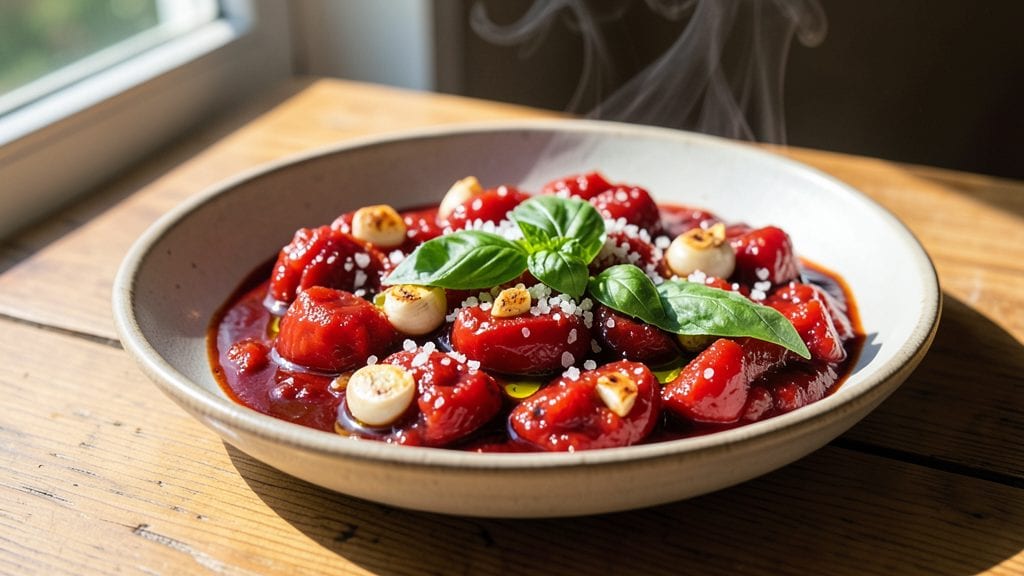
This Campari tomatoes recipe transforms simple ingredients into a restaurant-worthy pasta sauce with just 20 minutes of hands-on time—no long simmering required. The bittersweet balance of Campari, tomatoes, and garlic creates a sauce that clings to pasta like it was made in a Roman trattoria.
I developed this after years of experimenting with Italian sauces, and it finally delivers that perfect harmony of bright acidity and rich depth.
The secret lies in the quick reduction of Campari with tomatoes and garlic, which intensifies their flavors without overpowering them. You'll need just 5 ingredients plus pantry staples, and the technique is straightforward: sauté, deglaze, simmer, and finish with fresh basil.
This sauce works equally well over al dente spaghetti, tossed with fresh mozzarella, or drizzled over grilled chicken for a bold, modern twist.
What you'll end up with is a bold, bitter-sweet sauce that's vibrant enough to stand alone but rich enough to elevate any dish. The Campari adds a sophisticated edge, while the tomatoes keep it approachable and familiar.
The aroma alone will have your kitchen smelling like a Tuscan summer evening, and the first bite will prove it's worth every minute of prep.
Perfect for weeknight dinners when you want something impressive but not complicated, or as a make-ahead sauce for entertaining. Let's get cooking—this recipe is about to become your new go-to for Italian nights.
Ingredients for campari tomatoes
Five core ingredients plus pantry staples—this sauce delivers restaurant-level depth in minutes.
| Ingredient | Amount | Notes |
|---|---|---|
| Extra-Virgin Olive Oil 🫒 | ¼ cup | High-quality, fruity variety |
| Campari Liquor 🍷 | ½ cup | Chilled for best flavor |
| San Marzano Whole Tomatoes 🍅 | 28 oz | Crushed by hand, seeds removed |
| Garlic Cloves 🧄 | 4 cloves | Fresh, minced finely |
| Fresh Basil Leaves 🌿 | ¼ cup | Packed, stems removed |
| Diamond Crystal Kosher Salt 🧂 | ½ tsp | Fine grain preferred |
| Freshly Ground Black Pepper 🌶️ | ¼ tsp | Freshly cracked preferred |
| Red Wine Vinegar 🍶 | 1 tbsp | For brightness balance |
| Butter 🧈 | 1 tbsp | Unsalted, for richness |
| Pecorino Romano Cheese 🧀 | ¼ cup | Freshly grated, sharp |
| Spaghetti 🍝 | 12 oz | Al dente, reserved water |
The Campari is non-negotiable here—look for the original bitter-sweet variety at liquor stores or well-stocked grocery sections. Trader Joe's and Whole Foods usually carry it, but if you can't find it, Aperol works in a pinch. San Marzano tomatoes are worth hunting down for their natural sweetness and low acidity—they're the secret to that authentic Italian flavor. Fresh basil? Grab a bunch from the market—the vibrant green leaves pack more flavor than the sad plastic containers. The garlic should be freshly minced right before cooking to avoid bitterness.
No Campari? Substitute 2 tbsp balsamic vinegar plus 1 tbsp orange juice for a similar bitter-sweet profile. Running out of San Marzano? Any high-quality crushed tomatoes work, but add a pinch of sugar to balance acidity. Fresh basil wilt fast, so dried basil at half the amount is a decent backup. The butter at the end is crucial—don't skip it—it emulsifies the sauce and adds that creamy finish. For a vegetarian twist, swap the spaghetti for gluten-free pasta or zucchini noodles.
This sauce keeps beautifully—3-4 days in the fridge sealed tightly, or 3 months frozen in airtight containers. The flavors actually deepen overnight, so make extra. I like to portion it into ice cube trays for single-use portions—just thaw and toss with pasta. If it thickens too much when reheating, add a splash of pasta water. The Campari aroma lingers, so store it away from other foods to avoid cross-contamination.
Why You'll Love This Recipe
- Same recipe, two vibes: toss it with pasta for a 20-minute weeknight meal, or serve it chilled over bruschetta for guests. The Campari keeps it sophisticated without the fuss.
- Foolproof Simplicity: I swear by this—just halve the tomatoes, simmer them with garlic and a splash of Campari, then finish with olive oil and basil. No peeling, no dicing, no stress. That’s it. (Yes, even on a Tuesday night.)
- Bitter-Sweet Magic: The Campari cuts through the sweetness of San Marzano tomatoes like a bright, herbal whisper. One sip of the sauce and you’ll understand why I keep a bottle on hand—it’s that good.
- Weeknight to Dinner Party: Same recipe, two vibes: toss it with pasta for a 20-minute weeknight meal, or serve it chilled over bruschetta for guests. The Campari keeps it sophisticated without the fuss.
Step-by-step instructions for Campari tomatoes recipe
Here's how to craft this vibrant, bittersweet sauce that transforms simple spaghetti into a restaurant-worthy dish.
Prepare the Tomato Base
Heat the 0.25 cup extra-virgin olive oil in a large, deep skillet over medium-high heat until shimmering. Add the 28 oz San Marzano whole tomatoes (crushed by hand, seeds removed) and cook for 8-10 minutes, stirring occasionally. You'll see the tomatoes break down into a thick, glossy sauce—this is where the natural sweetness emerges. The oil should coat the tomatoes evenly, preventing them from sticking to the pan.
While the tomatoes cook, finely mince the 4 cloves garlic and chop the 0.25 cup fresh basil leaves, removing stems. Keep these separate until we need them—they'll add layers of aromatic depth. The tomatoes should reduce slightly, becoming syrupy and concentrated. If they darken too quickly, reduce the heat to medium to prevent burning.
Infuse with Campari and Aromatics
Pour in the 0.5 cup chilled Campari liquor and stir vigorously to incorporate. The alcohol will initially hiss as it hits the hot pan, but within 2-3 minutes, it will fully integrate, deepening the sauce's complex flavor profile. Add the minced garlic and cook for 1 minute—just until fragrant, as garlic burns faster than you think. Here's the thing: the Campari's bitterness cuts through the tomatoes' sweetness, creating that signature balance.
Next, stir in the 1 tbsp red wine vinegar and 1 tbsp butter. The vinegar brightens the sauce, while the butter adds richness that mellows the Campari's edge. Let the mixture simmer gently for 5 minutes, stirring occasionally. You're looking for a sauce that coats the back of a spoon but still has a luscious, velvety texture—not too thick, not too thin.
Season and Finish the Sauce
Taste the sauce and adjust seasoning with the 0.5 tsp Diamond Crystal kosher salt and 0.25 tsp freshly ground black pepper. The salt should enhance the tomatoes' natural sweetness, while the pepper adds a subtle heat. At this stage, the sauce should be vibrant red with a glossy sheen, and the Campari's bitterness should be noticeable but harmonious.
Remove the skillet from heat and fold in the chopped basil leaves. Let the sauce sit for 2-3 minutes—this allows the basil to release its aroma without wilting. The basil's freshness cuts through the bitterness, rounding out the sauce's flavor. Keep the sauce warm while you cook the spaghetti, but don't let it boil again, or the flavors will dull.
Cook and Toss with Spaghetti
Bring a large pot of well-salted water to a boil and cook the 12 oz spaghetti until al dente, about 1 minute less than the package instructions. Reserve 1 cup of pasta water before draining—this starchy liquid is your secret weapon for emulsifying the sauce. Drain the spaghetti, but don't rinse it; the residual starch helps the sauce cling.
Return the spaghetti to the pot and toss it with the Campari tomato sauce over low heat. Add the reserved pasta water 1 tablespoon at a time until the sauce coats the spaghetti evenly. The sauce should be glossy and clingy, not watery. Stir in the 0.25 cup freshly grated Pecorino Romano cheese until melted and fully incorporated. The cheese adds a salty, umami depth that ties everything together.
Serve Immediately
Transfer the spaghetti to warmed plates and garnish with additional grated Pecorino Romano and a sprinkle of fresh basil leaves. Serve right away—the sauce's flavors are at their peak when fresh. Each bite should deliver a perfect balance of sweet tomatoes, bitter Campari, bright basil, and salty cheese. The sauce should coat the spaghetti like a second skin, with a glossy finish that speaks to its richness.
Real talk: this sauce is best enjoyed immediately, but if you must prep ahead, cook the sauce up to Step 3, cool it completely, and refrigerate for up to 2 days. Reheat gently on the stove, adding a splash of water or pasta water to restore its texture. The flavors will mellow slightly but remain bold and complex.
Pro Tips For Making Campari Tomatoes
- Sear the Garlic First: Toss minced garlic into the olive oil over medium heat until it’s just golden—about 30 seconds. I learned this the hard way: skipping this step means bitter, raw garlic flavor sneaking into your Campari tomatoes. The oil should shimmer but not smoke, or you’ll burn the garlic and the whole dish will taste like regret.
- Peel Tomatoes Over Ice: Drop whole San Marzano tomatoes into ice water for 10 seconds before peeling—skin slides off like a dream. No more wrestling with stubborn skins or ending up with half your tomatoes still attached. Works even better if you’ve blanched them for 30 seconds first, but the ice shortcut saves time when you’re impatient (yes, even if you’re impatient like me).
- Reduce Campari Slowly: Let the Campari simmer uncovered for 2-3 minutes until it’s reduced by half before adding tomatoes. Rushing this step means a boozy, underdeveloped sauce instead of a rich, balanced one. The alcohol needs time to cook off, or your dish will taste like a bitter aperitif rather than a bright, layered tomato sauce.
- Tear Basil at the End: Add whole basil leaves at the start, then tear them by hand when serving—this keeps their aroma intact longer. I used to chop them all up front, and the flavor faded faster. A few torn leaves at the table also make the dish look like you put in extra effort (even if you didn’t).
Troubleshooting your campari tomatoes
Tomatoes Burned Too Fast
If your tomatoes darken or burn before fully breaking down, you're likely cooking them too hot. I've made this mistake more times than I'd admit—especially when I'm eager to rush through the recipe. The fix?
Reduce the heat to medium once the tomatoes start to soften, around 8-10 minutes in. Keep stirring gently to prevent sticking, and resist the urge to crank up the flame. A heavy-bottomed skillet (like my trusty Lodge cast iron) helps distribute heat evenly, preventing hot spots. 🔥
Campari Overpowering Flavor
The Campari's bitterness can dominate if you don't balance it properly. I learned this the hard way when I doubled the amount in a fit of enthusiasm. To fix it, add 1 tablespoon of red wine vinegar and 1 tablespoon of butter as called for—they mellow the bitterness beautifully.
If the sauce still tastes too harsh, stir in 1 teaspoon of sugar or a pinch of salt to round out the flavors. Taste as you go, and remember: the sauce should be complex, not one-note.
Sauce Too Thin or Watery
A thin sauce usually means you didn't reduce the tomatoes enough or added too much pasta water. Let the tomatoes cook longer over medium-low heat until they thicken naturally. If the sauce is still too thin after cooking, simmer it uncovered for 2-3 extra minutes to evaporate excess liquid.
For a quick fix, mix 1 tablespoon of cornstarch with 1 tablespoon of water, stir it into the sauce, and cook for 1 more minute until thickened. 💡
Garlic Burns Before Adding Campari
Garlic burns faster than you'd think, especially when you're distracted (guilty!). To prevent this, add the minced garlic just before pouring in the Campari—the alcohol's chill will shock the pan and stop the cooking process instantly.
If your garlic does burn, taste the sauce and adjust with a splash of lemon juice or a pinch of salt to mask the bitterness. Freshly minced garlic is key here—pre-minced garlic from jars lacks the aromatic punch and burns more easily.
Sauce Separates When Tossing with Pasta
This happens when the sauce isn't emulsified properly. The reserved pasta water is your best friend here—add it 1 tablespoon at a time while tossing the spaghetti. The starch in the water helps bind the sauce to the pasta.
If the sauce still separates, stir in 1 tablespoon of cold butter or a splash of olive oil to help it cling. I also like to toss the pasta and sauce over low heat to keep everything warm and cohesive. 🍝
Basil Wilts or Turns Slimy
Adding basil too early or letting it sit in the hot sauce will turn it mushy. Fold in the chopped basil off the heat and let the sauce rest for just 2-3 minutes before serving.
If your basil still looks sad, replace it with freshly chopped parsley or a sprinkle of dried oregano for a different but still vibrant finish. Store-bought basil often lacks flavor, so I always grab a bunch from my local market—it makes all the difference!
Nutrition facts
Frequently asked questions
Can I make this sauce without Campari?
The bittersweet Campari is key to the flavor profile, but you can substitute 2 tablespoons balsamic vinegar plus 1 tablespoon orange juice for a similar effect. For a non-alcoholic version, try 1 tablespoon each of lemon juice and honey to mimic the balance of acidity and sweetness. The sauce will still be delicious, just with a different character.
How long does this sauce keep in the fridge?
This sauce stays fresh for 3-4 days when stored in an airtight container in the refrigerator. The flavors actually deepen over time, making it perfect for meal prep. For longer storage, freeze portions in ice cube trays—thaw and toss directly with pasta when ready. Just add a splash of water when reheating to restore texture.
What's the best pasta to use with this sauce?
While spaghetti is classic, this sauce works beautifully with bucatini, linguine, or even penne. For a lighter option, try gluten-free spaghetti or zucchini noodles. The key is al dente pasta—the sauce clings best to slightly firm noodles. Avoid overcooking, or the sauce may turn watery when tossed.
Can I use canned tomatoes instead of fresh?
Yes! For the best results, use San Marzano crushed tomatoes—they're sweeter and less acidic. If using regular canned tomatoes, add 1 teaspoon sugar to balance the acidity. Drain excess liquid before cooking to prevent a watery sauce. The texture will be slightly different but still delicious, especially if you reduce the sauce longer.
What other proteins pair well with this sauce?
This bold sauce pairs perfectly with grilled chicken, seared shrimp, or prosciutto-wrapped mozzarella. For a vegetarian option, toss with creamy ricotta or roasted eggplant. The bittersweet balance works especially well with rich, fatty proteins that can stand up to the Campari's intensity. Serve over polenta for a heartier dish.