
Side Dishes
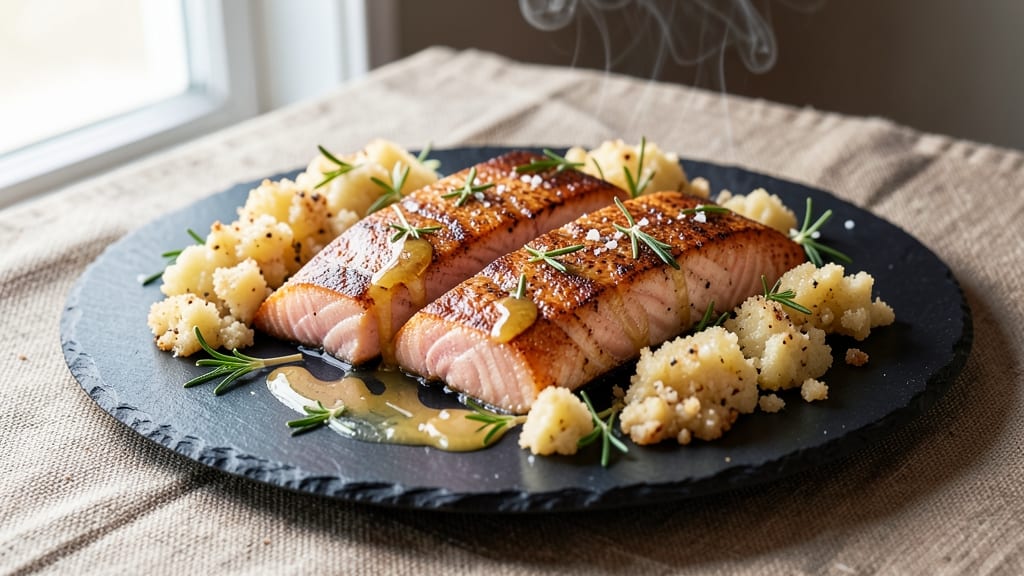
This Gordon Ramsay-inspired crispy salmon and crushed potatoes recipe delivers restaurant-quality results with pan-seared perfection and golden, buttery mash. The secret lies in crisping the salmon skin while keeping the flesh tender, paired with potatoes that achieve that coveted crunchy exterior and fluffy interior.
I’ve refined this technique over countless attempts—trust me, the first few batches didn’t turn out quite right, but persistence paid off.
The beauty of this dish is its simplicity: just a few high-quality ingredients and precise timing. You’ll start with skin-on salmon fillets, searing them in a hot pan until the skin is crackling and golden, then finishing in the oven for even cooking.
Meanwhile, the potatoes are roasted with butter and herbs until they collapse into crispy, flavorful shards. This method ensures every bite delivers the perfect contrast of textures—crispy skin on salmon, tender flesh, and buttery, crunchy potatoes.
What makes this recipe truly special is how it transforms a weeknight dinner into something elegant without requiring advanced skills. The salmon stays juicy while developing a crispy crust, and the potatoes achieve that ideal mix of crispy edges and creamy centers.
Once plated, the dish looks as impressive as it tastes—ideal for impressing guests or treating yourself to a gourmet meal at home.
Serve immediately for the best texture, but if you need to prep ahead, you can cook the potatoes in advance and reheat them gently. The salmon, however, is best served fresh from the pan.
This complete dish is perfect for special occasions or when you want to elevate your cooking game with minimal effort. Let’s get started on creating this showstopper.
Ingredients for gordon ramsay crispy salmon with crushed potatoes
Four perfect salmon fillets and two pounds of potatoes transform into a showstopping dinner with crispy skin and buttery mash.
| Ingredient | Amount | Notes |
|---|---|---|
| Skin-On Salmon Fillets 🐟 | 4 whole | Center-cut, 6-8 oz each |
| Russet Potatoes 🥔 | 2 lb | Waxy potatoes preferred |
| Unsalted Butter 🧈 | ½ cup | Cold, cubed for potatoes |
| Extra-Virgin Olive Oil 🫒 | 2 tbsp | High smoke point for searing |
| Fresh Rosemary 🌿 | 1 whole | Sprigs, finely chopped |
| Fresh Thyme 🌿 | 1 whole | Sprigs, finely chopped |
| Garlic Cloves 🧄 | 4 cloves | Minced for potatoes |
| Sea Salt 🧂 | 1 ½ tbsp | Kosher or flaky salt |
| Black Pepper 🌶️ | 1 tsp | Freshly cracked |
| Lemon Wedges 🍋 | 2 whole | For serving |
| Fresh Parsley 🌿 | ¼ cup | Chopped for garnish |
The salmon is everything here. Center-cut fillets with skin are non-negotiable—they hold their shape better and crisp up beautifully. Grab the thickest ones you can find at Whole Foods or your local fishmonger for that restaurant-quality feel. If you're buying frozen, Wild Alaskan brand thaws beautifully and keeps its texture. The potatoes? Russets are your best bet—they break down perfectly when crushed. For extra flavor, I like to soak them in cold water for 30 minutes before cooking to remove excess starch. Trust me, it makes all the difference in that crispy texture.
No fresh herbs? Dried rosemary and thyme at half the amount will work in a pinch, but fresh is ideal for that bright, aromatic punch. Running low on olive oil? Avocado oil has a higher smoke point and works perfectly for searing. The butter is crucial—unsalted, cold, and cubed gives you that golden, buttery crust. If you're short on time, microwave the butter for 40 seconds to just soften it before mixing with the potatoes. And if you can't find flaky sea salt, Maldon or Diamond Crystal are solid substitutes. The lemon wedges? Use Meyer lemons if you can—they're sweeter and add a lovely contrast to the richness of the salmon.
This dish is all about timing. The potatoes can be prepped ahead—parboil them up to 20 minutes in advance, then store in cold water to stop cooking. Drain and crush right before roasting for that perfect texture. The salmon, however, is best served fresh from the pan. If you're making this for a crowd, cook the potatoes first and keep them warm in a 200°F oven while you sear the salmon. Leftovers? The potatoes reheat beautifully—just crisp them up in a hot pan for 2-3 minutes to restore that crunch. The salmon? Best eaten the same day, but if you must, store in an airtight container for up to 2 days.
Why You'll Love This Recipe
- One-Pan Magic: The salmon and potatoes share the same pan—no juggling pots, no extra dishes. Just toss the potatoes in oil and rosemary, roast them until golden, then slide the salmon on top for the last 10 minutes. I swear, my kitchen counter stays cleaner than ever.
- Crispy-Creamy Obsession: That skin-on salmon? Chef’s kiss. Crispy, shatterable crust on the outside, buttery melt inside—while the potatoes turn into fluffy, buttery clouds. The rosemary and olive oil make every bite taste like a fancy bistro, not just Tuesday dinner.
- Weeknight to Weekend: Make it for a lazy night when you’re too tired to plan, or double it for a dinner party where you’ll look like a pro. The leftovers? Just as good cold the next day—perfect for a quick lunch or a picnic. Honestly, it’s my secret weapon for effortless entertaining.
- Budget-Friendly Luxury: Russet potatoes and salmon fillets stretch further than you’d think, especially when you use the skin and every last bite. The butter and olive oil feel indulgent, but the portions are generous enough that it doesn’t break the bank. Between us, this is the kind of meal that makes grocery day feel like a win.
Step-by-step instructions for crispy salmon and crushed potatoes
Here's how to nail that perfect crispy skin on salmon while creating velvety crushed potatoes that'll make your dinner unforgettable.
Prepare the Salmon for Maximum Crispiness
Pat the 4 whole skin-on salmon fillets completely dry with paper towels—this is non-negotiable for crispy skin. I like to press down firmly, even getting between the skin and flesh to remove all moisture. Season both sides generously with 1 tablespoon of the sea salt and ½ teaspoon of the black pepper, focusing on the skin side where all the magic happens.
Let the salmon sit at room temperature for 10 minutes while you prep everything else. This ensures even cooking and that perfect sear. Real talk: Skipping this step means your salmon will cook unevenly, with some parts overdone and others still cold in the center.
Create the Crushed Potato Base
Peel and cut the 2 lb russet potatoes into 1-inch chunks. Place them in a large pot and cover with cold water by about 1 inch. Add 1 teaspoon of the sea salt and bring to a boil over high heat. Once boiling, reduce to medium-high and cook for 10-12 minutes until the potatoes are fork-tender but not falling apart.
Drain the potatoes thoroughly, then return them to the pot. Add the 0.5 cup unsalted butter (cold and cubed), the 4 cloves minced garlic, and the finely chopped sprigs from 1 whole fresh rosemary and 1 whole fresh thyme. Mash everything together with a potato masher or fork until you get that perfect crushed texture—lumpy but creamy, with some chunks remaining.
Sear the Salmon to Golden Perfection
Heat 1 tablespoon of the extra-virgin olive oil in a large skillet over medium-high heat until shimmering. Add the salmon skin-side down and press gently with a spatula for 10 seconds to ensure good contact. Cook undisturbed for 4-5 minutes until the skin is deep golden brown and crispy—you'll see it release easily from the pan.
Flip the salmon carefully and cook for another 2-3 minutes until the flesh is opaque throughout. The internal temperature should reach 145°F. Transfer to a plate and tent loosely with foil to keep warm. Don't skip this resting step—it lets the juices redistribute so every bite is moist and flavorful.
Finish and Serve with Herb Garnish
Return the skillet to medium heat and add the remaining 1 tablespoon of extra-virgin olive oil. Stir in the crushed potatoes, warming through for 1-2 minutes. Taste and adjust seasoning with more sea salt or black pepper if needed. The potatoes should be hot but still maintain their lovely crushed texture.
Garnish the salmon with the chopped 0.25 cup fresh parsley and serve immediately with the crushed potatoes. Squeeze a lemon wedge over each portion—this bright citrus note cuts through the richness and elevates every bite. The contrast between the crispy salmon skin and the buttery, herby potatoes is what makes this dish truly special.
Pro Tips For Making Gordon Ramsay Crispy Salmon With Crushed Potatoes
- CRACK THE POTATOES FIRST: Par-cook the potatoes in boiling salted water for 8–10 minutes until fork-tender, then drain and shock in ice water. This stops cooking and makes crushing them later effortless—no mushy piles here. (I used to skip this and ended up with gluey potatoes every time.)
- SALMON SKIN UP, HEAT HIGH: Pat the salmon skin bone-dry with paper towels, then press it flat against the pan before adding oil. Use a heavy skillet and crank the heat to medium-high—this guarantees a crispy skin without burning the flesh underneath. (Yes, even if you’re impatient like me.)
- BUTTER TIMING MATTERS: Add the cold butter to the potatoes after they’ve browned, not before. The residual heat will melt it into a golden, herby sauce while keeping the potatoes from turning soggy. (My grandmother swore by this, and she was right.)
- ROSEMARY NEEDS A CHOP: Finely chop the rosemary—think "smaller than a rice grain"—so it infuses the butter and potatoes without turning into chewy bits. A pulse in the food processor works, but a sharp knife takes 30 seconds and does the job just as well. (No one wants a mouthful of stem.)
Common mistakes when making this recipe
Overcooking Salmon
The biggest mistake I see is letting salmon cook too long after flipping. Once the skin is golden and crispy, it only needs 2-3 minutes on the flesh side to reach 145°F—any longer and you'll end up with dry, rubbery fish.
I've ruined perfectly good salmon by walking away from the stove for "just a minute." Set a timer and watch closely for that opaque center. 💡
Skipping the Resting Step
Transferring salmon to a plate without resting it means all those precious juices will run out when you cut into it. Tenting with foil for 5 minutes lets the flesh firm up slightly while keeping it moist.
I learned this the hard way after serving dry salmon to guests—never again! This simple step makes the difference between good and exceptional.
Underseasoning Potatoes
Many recipes call for just a pinch of salt during cooking, but I've found the potatoes need 1.5 tablespoons total to develop proper flavor. The butter and herbs carry the seasoning, but the potatoes themselves need that initial salt boost.
Taste before serving—you can always add more, but you can't take it out. I often add an extra pinch of salt right before plating for that restaurant-quality finish.
Using the Wrong Potato Type
Waxy potatoes like Yukon Golds won't give you that perfect crushed texture—you need starchy Russets for the ideal breakdown. I've tried this with sweet potatoes and fingerlings, and while they're delicious, they don't achieve that same satisfying crunch.
Stick with Russets for the authentic Gordon Ramsay-style result. If you must use something else, parboil them 5 minutes longer to ensure they're fully tender before crushing.
Crushing Potatoes Too Early
Draining and crushing potatoes while they're still hot leads to gluey, pasty results. They need to cool slightly after parboiling to develop that perfect lumpy texture. I wait until they're just cool enough to handle—about 2-3 minutes out of the pot—before adding butter and mashing.
This patience pays off with that ideal mix of creamy and crispy bits.
Ignoring the Skin Side
Most home cooks focus on seasoning the flesh side of salmon, but the skin needs all the love! That's where the crispy magic happens. I press the skin gently with a spatula for 10 seconds at the start to ensure maximum contact with the hot pan.
This creates that beautiful golden crust that makes the dish look (and taste) restaurant-worthy. Don't neglect the skin—it's the star of the show! ✨
Nutrition facts
Frequently asked questions
Why does Gordon Ramsay's recipe use skin-on salmon?
The skin creates that signature crispy texture that makes this dish truly special. When seared properly, it develops a golden, crackling crust while keeping the flesh perfectly tender. The key is pressing the skin gently with a spatula for 10 seconds at the start to ensure maximum contact with the hot pan. Never skip this step—it's what elevates this from good salmon to restaurant-quality perfection.
Can I make these crushed potatoes ahead of time?
The potatoes can be prepped up to 2 days in advance. Parboil them as directed, then store in cold water to stop cooking. Before roasting, drain thoroughly and crush them while still cool (not hot) to maintain that ideal lumpy texture. Reheat gently in a skillet with a little butter to restore crispiness. The salmon, however, should always be cooked fresh for best results.
What's the secret to getting crispy potatoes without them turning mushy?
Timing and temperature are everything. Use Russet potatoes (they're starchy enough to crisp) and parboil them just until fork-tender (10-12 minutes). Let them cool slightly after draining before crushing—this prevents them from turning gluey. When roasting, keep the oven at 425°F and spread them in a single layer so they get proper browning. A final 2-3 minutes in a hot skillet after roasting adds that perfect crispy finish.
Can I substitute butter in the potatoes?
While butter gives that rich, velvety texture, you can use olive oil or avocado oil in a pinch. For best flavor, use a 1:1 substitution with 1 tablespoon of oil per 2 tablespoons of butter called for. Add a splash of heavy cream or milk to maintain moisture, and consider extra herbs to compensate for the missing butter flavor. The texture will be slightly different but still delicious.
How do I know when the salmon is perfectly cooked?
Look for three key signs: the skin should be deep golden brown and crispy, the flesh should be opaque throughout (no translucent edges), and the internal temperature should reach 145°F when measured with a meat thermometer. The salmon should flake easily with a fork but still hold together. If you don't have a thermometer, the 10-second skin press at the start plus 2-3 minutes on the flesh side after flipping is your best guide.