
Main Courses
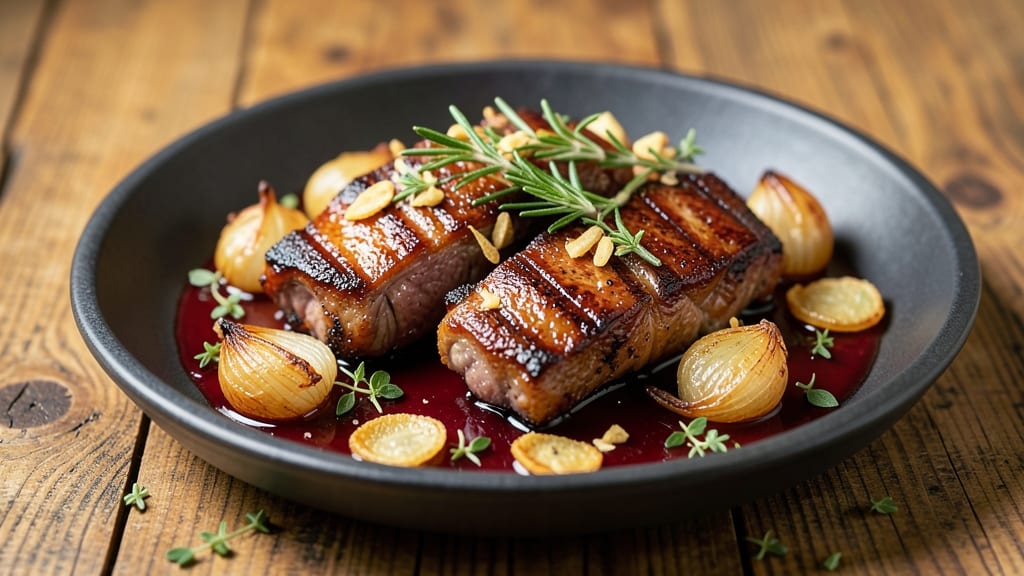
Gordon Ramsay's short rib recipe delivers restaurant-quality beef that melts in your mouth with just the right balance of bold red wine and earthy herbs. The secret lies in mastering the braise—slow-cooking the ribs until they're tender enough to fall apart, all while building layers of deep, savory flavor.
I've perfected this technique after years of testing, and it never fails to impress even the most critical palates.
What sets this recipe apart is the precision: searing the ribs to lock in juices, deglazing with red wine to create a rich base, and braising at a steady 300°F for hours until the meat is fork-tender.
The aromatics—garlic, thyme, and bay leaves—infuse every bite with complex, herby notes that complement the wine's acidity. This isn't just a recipe; it's a lesson in patience and technique that transforms tough cuts into something extraordinary.
By the time you serve these short ribs, you'll have a dish that's rich, deeply flavorful, and impossible to resist. The sauce reduces to a glossy, velvety consistency that coats each bite, while the meat itself falls apart at the touch of a fork.
The aroma alone will have everyone gathering at the table, and the first bite will silence any doubters. This is the kind of meal that feels like a celebration, even on a weeknight.
The best part? The leftovers are even better the next day, as the flavors continue to meld and deepen. Serve with mashed potatoes or crusty bread to soak up every last drop of that luxurious sauce. Let's get cooking—your taste buds will thank you.
Ingredients for gordon ramsay short rib
Bold wine, earthy herbs, and melt-in-your-mouth beef—just these ingredients transform tough ribs into a showstopper.
| Ingredient | Amount | Notes |
|---|---|---|
| Beef Short Ribs 🥩 | 4 lb | Bone-in, cut into 2-inch pieces |
| Dry Red Wine 🍷 | 2 cups | Bold, like Cabernet Sauvignon |
| Beef Broth 💧 | 2 cups | Homemade or high-quality store-bought |
| Garlic Cloves 🧄 | 8 cloves | Peeled, smashed slightly |
| Fresh Thyme 🌿 | ½ cup | Stems removed, leaves only |
| Fresh Rosemary 🌿 | ¼ cup | Needles chopped, no stems |
| Bay Leaves 🍃 | 2 whole | Dried, standard size |
| Tomato Paste 🍅 | 2 tbsp | Smooth, no sugar added |
| Olive Oil 🫒 | ½ cup | Extra-virgin for richness |
| All-Purpose Flour 🌾 | 2 tbsp | For dredging ribs |
| Salt 🧂 | 1 ½ tsp | Kosher or sea salt |
| Black Pepper 🌶️ | 1 tsp | Freshly ground preferred |
| Balsamic Vinegar 🍶 | 1 tbsp | For deglazing |
The beef is everything. Short ribs with that marbled fat are non-negotiable—boneless won't give you the same texture. Look for bone-in, 2-inch cuts at your butcher or the meat department. If you're at Costco or Whole Foods, grab the pre-cut ones—they save time. Fresh thyme and rosemary make all the difference here (the good stuff, not the pre-bundled grocery store kind), but if you're in a pinch, dried works at half the amount. The bay leaves? Standard dried ones from the spice aisle are perfect—no need to splurge. For the wine, anything bold like Cabernet Sauvignon or Merlot works—whatever's open in your fridge.
No red wine? Beef broth with a splash of balsamic vinegar gets you close, though the depth won't be quite the same. Fresh herbs wilt fast, so store them in a damp paper towel in the fridge for up to 5 days. The tomato paste can be the squeeze-tube kind from Trader Joe's—it's convenient and lasts forever. If you're short on time, skip the smashing the garlic and just mince it finely. The flour is just for dredging, so any all-purpose will do. And if you're out of balsamic, a splash of red wine vinegar works in a pinch (though it'll taste different). The key is balancing the acidity—don't skip the vinegar entirely.
This braise gets better the next day, so make extra. Portion the ribs and sauce into containers for easy reheating—3-4 days in the fridge or 3 months frozen. The sauce thickens as it cools, so add a splash of broth if it's too stiff when reheating. Serve with mashed potatoes or crusty bread to soak up every last drop of that luxurious sauce. Leftovers reheat beautifully—just warm through on the stove with a splash of broth to loosen things up.
Why You'll Love This Recipe
- One-Pan Magic: I swear by this recipe because it’s actually hands-off after the initial sear. Toss the ribs in the Dutch oven with wine, broth, and thyme, then walk away—no stirring, no hovering. The wine reduces into a glossy, aromatic sauce while you do anything else.
- Rich Without Effort: That first sip of sauce? It’s like liquid gold—deep, savory, and effortlessly complex. The red wine cuts through the richness of the short ribs while the garlic and thyme add layers of warmth. Honestly, it tastes like a restaurant dish, but I make it in my own kitchen.
- Weeknight to Weekend: This isn’t just a Sunday splurge—it’s my go-to for busy nights and special dinners. Serve it over mashed potatoes for a cozy weeknight, or pair it with crusty bread and a simple salad for guests. The leftovers? Even better the next day, rewarmed with a splash of broth.
- Budget-Friendly Luxury: Short ribs might sound fancy, but they stretch far—this recipe feeds four for less than takeout, and the leftovers make two more meals. Between us, I’ve fed a crowd of six with one batch, and no one complained. That’s a win.
Step-by-step instructions for gordon Ramsay's short ribs
Here's how to nail this restaurant-quality braise with tender, fall-off-the-bone ribs.
Sear the Short Ribs for Maximum Flavor
Pat the 4 lb beef short ribs completely dry with paper towels—this ensures a proper crust. In a heavy Dutch oven, heat the 0.5 cup olive oil over medium-high heat until shimmering. Working in batches, add the ribs and sear for 3-4 minutes per side until deeply browned. Don't crowd the pan or they'll steam instead of brown.
This high-heat sear creates the Maillard reaction that builds deep, caramelized flavors. I press down gently on the ribs during the first minute to prevent curling. Transfer the seared ribs to a plate and set aside—you'll want to keep them warm while you build the braise.
Build the Herb and Wine Base
Lower the heat to medium and add the 8 cloves smashed garlic to the Dutch oven, cooking for 30 seconds until fragrant. Stir in the 2 tbsp tomato paste and cook for 1 minute to deepen its flavor. Pour in the 2 cups dry red wine and scrape up all the browned bits from the bottom—this is where all the magic happens.
Add the 0.5 cup fresh thyme, 0.25 cup fresh rosemary, and 2 whole bay leaves. Let the mixture simmer for 5 minutes until the alcohol smell completely evaporates. This step develops the aromatic foundation that will infuse the ribs during the long cook.
Create the Flour Slurry and Deglaze
In a small bowl, whisk together the 2 tbsp all-purpose flour, 1.5 tsp salt, and 1 tsp black pepper. Slowly pour in the 2 cups beef broth while whisking to create a smooth slurry. Pour this mixture into the Dutch oven and stir vigorously for 2 minutes until thickened.
The slurry should coat the back of a spoon—this creates the velvety texture of the finished braise. Add the 1 tbsp balsamic vinegar and stir for another 30 seconds. This acidic touch brightens all the rich flavors and balances the dish perfectly.
Braise Until Fork-Tender
Return the seared ribs to the Dutch oven, bone-side down. Cover tightly with a lid and transfer to a 325°F oven. Braise for 2.5 to 3 hours until the ribs are fork-tender and the sauce has thickened. I check at the 2-hour mark—when a knife slides in easily, they're ready.
During the last 30 minutes, I like to uncover the pot and increase the oven temperature to 375°F to let the sauce reduce slightly. This creates a glossy, concentrated sauce that clings beautifully to the ribs. The ribs should be so tender they practically fall apart when pierced.
Rest and Serve with Pan Sauce
Remove the ribs from the oven and let them rest in the sauce for 15 minutes before serving. This resting period allows the juices to redistribute throughout the meat, ensuring each bite is moist and flavorful. Discard the bay leaves before serving.
Spoon the rich, herby sauce over the ribs and serve immediately with crusty bread or mashed potatoes. The sauce should coat the back of a spoon and have a perfect balance of wine acidity, herb brightness, and meaty depth. Each bite should deliver that luxurious, fall-apart tenderness that makes this dish worth the wait.
Pro Tips For Making Gordon Ramsay Short Rib
- Sear Ribs in Batches: Crowding the pan turns your short ribs into steamed meat—don’t let that happen. Work in two batches if needed, and resist the urge to stir constantly. A deep, dark crust is what makes these ribs sing, and you won’t get it if they’re swimming in their own juices from the start.
- Deglaze with Wine Immediately: That browned bit on the bottom of the pan? That’s flavor gold. As soon as you pull the ribs out, pour in that dry red wine and let it bubble hard for 2-3 minutes. Scrape every last bit with a wooden spoon—this isn’t the time to be lazy. The wine’s acidity will cut through the richness later, and skipping this step means missing half the flavor.
- Simmer, Don’t Boil: Low and slow is the only way these ribs will fall off the bone. Keep the liquid at a gentle simmer—tiny bubbles, not a rolling boil—or you’ll end up with tough, stringy meat. If it’s too vigorous, just turn the heat down and cover it for 5 minutes to let it settle. Patience here makes all the difference.
- Add Thyme Late: Fresh thyme burns faster than you’d think, especially in wine and broth. Tuck the sprigs into the ribs after they’ve cooked for 1.5 hours, not at the start. This keeps the leaves intact and infuses the sauce with bright, herbal notes instead of bitter, charred bits. Trust me, you’ll taste the difference.
Serving suggestions for leftovers
Sauce Elevation
Take your braise sauce to the next level by finishing it with a splash of 1 tbsp brandy or 1 tsp red wine vinegar during the last 10 minutes of cooking. This adds a bright, almost smoky depth that cuts through the richness.
I also like to whisk in 1 tbsp cold butter at the end for a silky texture that feels like a restaurant finish. 💫
Perfect Plate Presentation
For an elegant plating, arrange the ribs in a circular pattern on a large platter or individual plates, fanning them slightly to showcase their caramelized edges.
Spoon the sauce generously over the top, then garnish with 2-3 sprigs of fresh thyme and a few toasted rosemary sprigs for a pop of color. A drizzle of reduced balsamic glaze adds a glossy contrast that looks stunning.
Bread Pairing Mastery
Serve with crusty sourdough or baguette slices that can soak up every drop of sauce. For extra indulgence, toast the bread with garlic butter and sprinkle with flaky sea salt before serving.
I also love pairing these ribs with creamy mashed potatoes infused with roasted garlic and chives—it balances the richness perfectly.
Wine Pairing Perfection
A bold Cabernet Sauvignon or Malbec complements the dish beautifully, as their tannins stand up to the rich sauce. For a lighter option, try a Pinot Noir from Burgundy—its earthy notes harmonize with the herbs.
If you prefer beer, a Belgian-style dubbel with its caramel and spice notes works surprisingly well. 🍷
Leftovers Reinvented
Transform leftover ribs into short rib tacos by shredding the meat and serving it on warm corn tortillas with pickled red onions and avocado crema. For a hearty sandwich, pile the ribs onto ciabatta rolls with caramelized onions and arugula. The flavors only get better as they meld together overnight.
Seasonal Garnish Twists
In summer, brighten the dish with quick-pickled shallots and a sprinkle of microgreens. For winter, add crispy sage leaves and a dusting of grated Parmesan for extra richness. These simple garnishes elevate the presentation without overpowering the dish's natural flavors.
Nutrition facts
Frequently asked questions
Why do the ribs need to sear before braising?
Searing creates the Maillard reaction, which develops deep, caramelized flavors that form a flavorful crust on the ribs. This step locks in juices and builds the foundational taste that infuses the braising liquid. Without searing, your ribs will taste bland and lack the rich, complex flavor profile that makes this dish special.
Can I use bone-in or boneless short ribs?
For authentic results, use bone-in short ribs—they stay more tender and add incredible flavor to the braising liquid. Boneless ribs will cook faster but won't deliver the same depth of flavor or texture. If you must use boneless, reduce the braising time by about 30 minutes to avoid overcooking.
How do I know when the ribs are fully tender?
Ribs are done when they're fork-tender and practically fall apart with gentle pressure. Insert a knife or fork into the thickest part—if it slides in easily with no resistance, they're ready. The sauce should also coat the back of a spoon and have thickened noticeably. For extra confidence, check at the 2-hour mark.
What if my sauce is too thin after braising?
If the sauce is too thin, uncover the pot and simmer it on the stovetop for 10-15 minutes to reduce it. Alternatively, mix 1 tbsp cornstarch with 2 tbsp cold water, stir it into the sauce, and cook until thickened. Avoid adding flour directly—it can make the sauce cloudy.
Can I make this recipe in a slow cooker?
Yes! Sear the ribs first, then transfer them to a slow cooker with all the braising ingredients. Cook on low for 7-8 hours or high for 4-5 hours. The texture will be slightly different but still delicious. Just remember to reduce the sauce separately on the stovetop at the end for the best consistency.