
Snacks
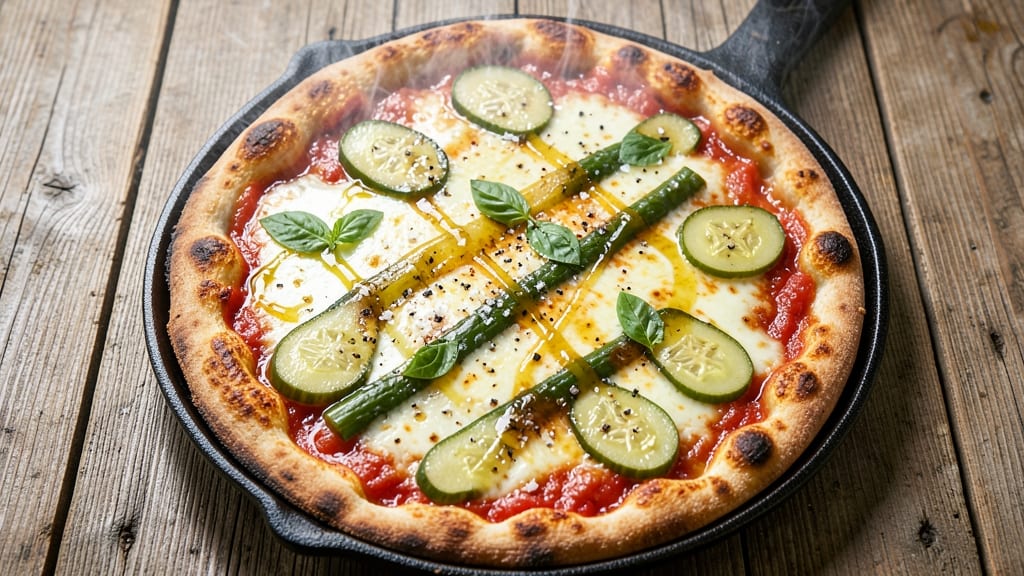
Rick’s pickle pizza recipe transforms a classic favorite into a tangy, vinegar-kissed masterpiece where the crust packs a punch alongside gooey cheese and briny pickles.
The secret lies in a vinegar-infused dough that delivers a subtle tang, balanced by a rich tomato sauce and melted mozzarella—all topped with crisp, tangy pickles that cut through the richness. This isn’t your average pizza; it’s a bold flavor explosion that demands attention.
What sets this recipe apart is the vinegar crust, which adds a sharp contrast to the creamy cheese and sweet pickles. The dough comes together in just 30 minutes, and the assembly is simple—no fancy techniques required.
The pickles aren’t just an afterthought; they’re the star, arranged in a visually striking pattern that ensures every bite delivers that perfect tangy crunch. The result? A pizza that’s as satisfying as it is unexpected, with a texture that’s crisp yet chewy and a flavor profile that lingers.
By the time it emerges from the oven, you’ll have a pizza with a golden, vinegar-kissed crust, a blanket of melted cheese, and pickles that stay crisp even after baking. The tangy-sweet balance is what makes this recipe unforgettable, turning a simple snack into something extraordinary.
Serve it with a cold beer or a sharp white wine to enhance the flavors, and watch as everyone at the table asks for seconds.
This isn’t just a pizza—it’s an experience. Whether you’re hosting a game day gathering or craving something different for a weeknight dinner, Rick’s pickle pizza delivers restaurant-quality results with minimal effort.
The best part? You can customize it with toppings like hot honey, pickled jalapeños, or fresh herbs to make it your own. Let’s get started!
Ingredients for rick's pickle pizza
Simple pantry staples transform into a tangy, crispy crust with briny pickles and melty cheese.
| Ingredient | Amount | Notes |
|---|---|---|
| All-Purpose Flour 🌾 | 3 cups | Unbleached preferred for best texture |
| White Vinegar 🍶 | ½ cup | White distilling vinegar works too |
| Warm Water 💧 | 1 ¼ cups | 110°F for ideal activation |
| Active Dry Yeast 🍞 | ¼ tsp | Fresh yeast doubles the amount |
| Granulated Sugar 🍬 | 1 tsp | Feeds yeast for activation |
| Salt 🧂 | 1 ½ tsp | Kosher or sea salt preferred |
| Olive Oil 🫒 | 2 tbsp | Extra-virgin for richness |
| Marinara Sauce 🍅 | 1 ½ cups | Store-bought or homemade preferred |
| Mozzarella Cheese 🧀 | 12 oz | Shredded, part-skim or whole milk |
| Diced Pickles 🥒 | 1 cup | Sweet or dill variety, drained |
| Garlic Cloves 🧄 | 3 cloves | Minced for sauce enhancement |
| Fresh Basil Leaves 🌿 | ¼ cup | Chopped for garnish |
| Cornmeal 🌽 | ¼ cup | For dusting pizza peel |
| Black Pepper 🌶️ | ½ tsp | Freshly ground for best flavor |
The vinegar makes all the difference here. White vinegar is classic, but apple cider vinegar adds a fruity twist. Grab the highest-quality flour you can find—King Arthur or Gold Medal are my go-tos. The yeast needs to be fresh, so check the expiration date on the package. If it's been sitting in your pantry for months, toss it. For the pickles, dill or sweet varieties work best—they stay crisp after baking. I always grab the small dill pickles at Trader Joe's because they're perfectly sized for pizza.
No yeast? Instant yeast works 1:1. Short on mozzarella? Parmesan and provolone blend for extra flavor. The sauce can be jarred (I won't judge), but if you're making it fresh, San Marzano tomatoes make a world of difference. Want more tang? Add a splash of white vinegar to your sauce. The cornmeal is key—it prevents sticking and adds a nice crunch. If you're feeling fancy, try semolina instead for an even crispier crust.
This dough keeps in the fridge for up to 24 hours wrapped in plastic. For best results, let it sit at room temp for 1 hour before rolling. The pickles can be prepped ahead and stored in the fridge for 1 week. Once baked, pizza reheats beautifully—just 5 minutes at 375°F to restore that crispy crust. Leftovers? I usually freeze slices wrapped individually—they're perfect for quick lunches.
Why You'll Love This Recipe
- No Yeast Fuss: I swear by this dough—just flour, vinegar, warm water, and a pinch of sugar. No waiting for yeast to proof or kneading until my arms ache. The vinegar kick actually makes it rise faster, so you’re done in 30 minutes flat.
- Tangy Crisp Edge: That vinegar in the dough isn’t just for rising—it gives the crust a sharp, addictive bite. Top it with whatever you like, but the contrast of the tangy crust against melted cheese? Pure satisfaction. (Yes, even on a Tuesday night.)
- Budget Crowd-Pleaser: Four simple ingredients stretch to feed four people for under $5. Honestly, my college roommates and I lived on this—cheap, filling, and no one ever complained. The sugar in the dough caramelizes just enough to make it feel special without costing a fortune.
- Leftovers That Don’t Suck: Unlike most pizza, this one reheats like a dream. The vinegar keeps the crust from getting soggy, so even day-old slices stay crisp. I’ll be real: I’ve microwaved cold slices with a splash of water and called it “breakfast pizza.” No judgment.
Step-by-step instructions for Rick's pickle pizza recipe
Here's how to create a tangy, crispy crust with that perfect cheesy pull—every bite will be a flavor explosion.
Activate the Yeast for a Light, Airy Crust
In a small bowl, combine the 1.25 cups warm water (about 110°F) with the 0.5 cup white vinegar and 1 tsp granulated sugar. Stir until the sugar dissolves completely. This tangy liquid is the secret to that signature vinegar crust flavor you'll love.
Sprinkle the 0.25 tsp active dry yeast over the surface and let it sit for 5-7 minutes until it becomes frothy. You'll see little bubbles forming—that's your yeast waking up! If it doesn't foam, your yeast might be dead, and you'll need to start over. Once activated, add the 3 cups all-purpose flour and 1.5 tsp salt to the bowl.
Mix and Knead the Dough to Perfection
Using a wooden spoon or your hands, stir the dough until it starts to come together. Then add the 2 tbsp olive oil and mix until the dough forms a shaggy mass. Turn it out onto a lightly floured surface and knead for 8-10 minutes until smooth and elastic. You'll know it's ready when it springs back slowly when poked.
Place the dough in a lightly oiled bowl, cover with a damp towel, and let it rise in a warm place for 1-2 hours, or until it doubles in size. The warmth helps it rise faster, but don't rush it—proper rising gives that perfect texture. Poke the dough gently; if it leaves a small dent that stays, it's ready for shaping.
Shape and Pre-Bake the Crust
Preheat your oven to 425°F. Punch down the risen dough and divide it into 4 equal balls (about 12 oz each). Roll each ball into a 12-inch round on a floured surface. Dust a pizza peel or baking sheet with 0.25 cup cornmeal—this prevents sticking and adds a nice crunch.
Transfer each dough round to the prepared surface. Spread 0.5 cup marinara sauce evenly over each crust, leaving a ½-inch border for the crust. Sprinkle with 0.25 tsp black pepper and 1 cup diced pickles (about ¼ cup per pizza). Bake for 10-12 minutes until the crust is golden and the edges start to crisp. This pre-bake sets the crust so it doesn't get soggy when you add the cheese.
Add Cheese and Finish Baking
Remove the pizzas from the oven and quickly sprinkle 3 oz mozzarella cheese (about ¼ of the total 12 oz) over each pizza. Return them to the oven and bake for another 5-7 minutes until the cheese is fully melted and bubbly. Watch closely—the cheese should be golden and stretchy, not burnt.
For extra flavor, add the 3 minced garlic cloves and 0.25 cup chopped fresh basil leaves right before serving. The garlic adds a subtle kick, while the basil brightens up the tangy crust. Let the pizzas rest for 2-3 minutes before slicing—this helps the cheese set just enough to hold up when you cut.
Serve and Enjoy Your Tangy Creation
Slice each pizza into 8 equal wedges and serve immediately. The crust should be crispy with a slight chew, the cheese gooey and stretchy, and the pickles adding that perfect tangy crunch. Pair with a simple side salad or garlic knots for a full meal experience.
Pro tip: If you're making these ahead, assemble the pizzas (up to the cheese step) and refrigerate for up to 24 hours. Bake straight from the fridge, adding 2-3 extra minutes to the cooking time. The flavors will deepen overnight, making every bite even more delicious!
Pro Tips For Making Rick'S Pickle Pizza
- Measure Vinegar Precisely: This recipe relies on that tangy vinegar kick—don’t eyeball it. Use a kitchen scale or a proper measuring cup (1 tablespoon is not the same as 15ml). I learned this the hard way when my first batch tasted like a sad salad instead of a bold pizza crust.
- Bloom Yeast in Warm Water: Dump that yeast straight into cold water, and you’re asking for trouble. Warm the water to 105–110°F (40–43°C)—hot enough to melt butter but not scald a finger—and let it sit for 5 minutes before adding sugar. The foam should look like a frothy beer, not a lukewarm puddle.
- Skip the Over-Kneading: This dough isn’t fussy, but don’t turn it into a workout. Knead just until it pulls away from the bowl—about 5–7 minutes by hand. Overwork it, and you’ll end up with a chewy brick instead of a crispy, airy crust. (Yes, even if you’re impatient like me.)
- Rest Dough in a Bowl: Dough rises best when it’s snug. After the first rise, shape it into a ball and plop it into a lightly oiled bowl—this keeps it from drying out or sticking. Cover it loosely (no airtight lid!) and let it double in size. I used to slap it on a floured tray, and it’d dry out before baking.
Troubleshooting this recipe
Crust Too Soggy?
If your crust ends up soggy instead of crisp, the issue is usually under-baking or too much sauce. First, ensure you pre-bake the crust for 10-12 minutes before adding cheese—this step is non-negotiable.
I’ve found that using too much marinara (over 0.5 cup per pizza) can also cause sogginess. For extra insurance, brush the crust with 1 tbsp olive oil after pre-baking to create a moisture barrier. 🌡️
Another common mistake is overloading toppings. Pickles are the star, but adding too many can weigh down the crust. Stick to ¼ cup pickles per pizza and avoid watery toppings like fresh tomatoes.
If you’re using a thin crust, reduce sauce to 0.3 cup and bake for 1-2 extra minutes to crisp it up.
Pickles Losing Crunch
Crisp pickles are essential for that tangy crunch—if yours turn mushy, it’s likely from over-baking or too much moisture. To prevent this, pat the pickles dry with a paper towel before adding them to the pizza.
I also recommend baking at 425°F (not higher) and keeping the total bake time under 15 minutes for the final cheese step. For extra crunch, add pickles right after pre-baking and cover with cheese immediately. 🥒
If your pickles still soften, try salted or bread-and-butter pickles—they hold up better than dill or sweet varieties. For a restaurant-style touch, lightly toast the pickles in a dry skillet for 1-2 minutes before adding them to the pizza. This caramelizes their edges while keeping the center crisp.
Cheese Not Melting Properly
Cheese clumping or failing to melt smoothly usually means too much moisture or incorrect temperature. First, ensure your mozzarella is fresh and shredded (pre-shredded cheese has anti-caking agents that prevent melting).
I swear by whole-milk mozzarella—it melts more evenly than part-skim. Before baking, let the cheese sit at room temperature for 10-15 minutes to avoid cold spots. 🧀
If your oven runs hot, reduce the temperature to 400°F for the final cheese bake. For extra gooeyness, mix 1 oz shredded mozzarella with 1 tbsp heavy cream before spreading—this creates a silky, stretchy texture.
Avoid adding cheese too early; wait until the crust is pre-baked and golden before topping.
Dough Not Rising Properly
A dense, flat crust often stems from dead yeast, cold water, or skipping proofing time. Always use warm water (110°F) and fresh yeast—I’ve ruined dough with expired yeast, and it’s a heartbreaking mistake.
If your dough isn’t doubling in 1-2 hours, place the bowl in a warmer spot (like a turned-off oven with the light on) to speed up fermentation. 🍞
For a faster rise, dissolve 1 tsp sugar in the water (as in the recipe) to feed the yeast. If your dough is still sluggish, try adding 1 tsp instant yeast for extra boost.
Once risen, punch it down gently and let it rest for 10 minutes before shaping—this relaxes the gluten for an even crust.
Sauce Too Watery
A runny sauce can drown your crust, so simmer your marinara for 5-10 extra minutes to thicken it. I like to add 1 tbsp tomato paste or 1 tsp cornstarch mixed with 1 tbsp water to stabilize it.
For a quick fix, spread the sauce thinly and let it bake uncovered for 2-3 minutes before adding cheese to evaporate excess moisture. 🍅
If you’re using a homemade sauce, reduce it on the stove until it coats the back of a spoon. For store-bought, drain excess liquid by pressing it through a fine-mesh sieve.
A well-seasoned sauce (with garlic, oregano, and a pinch of sugar) also balances the tangy crust better than plain tomato sauce.
Nutrition facts
Frequently asked questions
Can I make this pizza without yeast?
Yes! For a quick version, use 1 cup self-rising flour instead of all-purpose flour, and skip the yeast entirely. The dough will be ready in 15 minutes instead of hours. Just mix 1 cup self-rising flour, 0.5 cup white vinegar, 0.5 cup warm water, and 1 tbsp olive oil, then roll out immediately. The crust will be denser but still delicious!
What’s the best way to store leftover pickle pizza?
Wrap cooled slices tightly in plastic wrap or foil, then store in an airtight container. It keeps well in the fridge for 3-4 days—reheat slices at 375°F for 5 minutes to restore crispiness. For longer storage, freeze slices individually (up to 2 months) and reheat from frozen for 8-10 minutes). The pickles stay crisp if reheated quickly!
Can I use different types of pickles?
While dill or sweet pickles work best, try bread-and-butter pickles for a sweeter tang or spicy pickled jalapeños for heat. For extra crunch, use pickle spears arranged in a circular pattern. Just ensure they’re drained well—excess moisture makes the crust soggy.
Why does the crust taste vinegary?
The vinegar is key to the flavor! It tenderizes the dough and adds a bright tang that cuts through the richness of the cheese. If it’s too strong, reduce the vinegar to 0.25 cup or balance it with 1 tsp sugar in the dough. The crust should taste tangy but not harsh—like a cross between a classic pizza and a tangy flatbread.
Can I make this pizza in a home oven without a pizza stone?
Yes, but use a preheated baking sheet or cast-iron skillet for even heat distribution. For extra crispiness, bake on a sheet dusted with cornmeal and slide the pizza directly onto it. If your oven runs hot, reduce the temperature to 400°F to prevent burning. A pizza peel works too—just dust it well!