
Sauces & Condiments
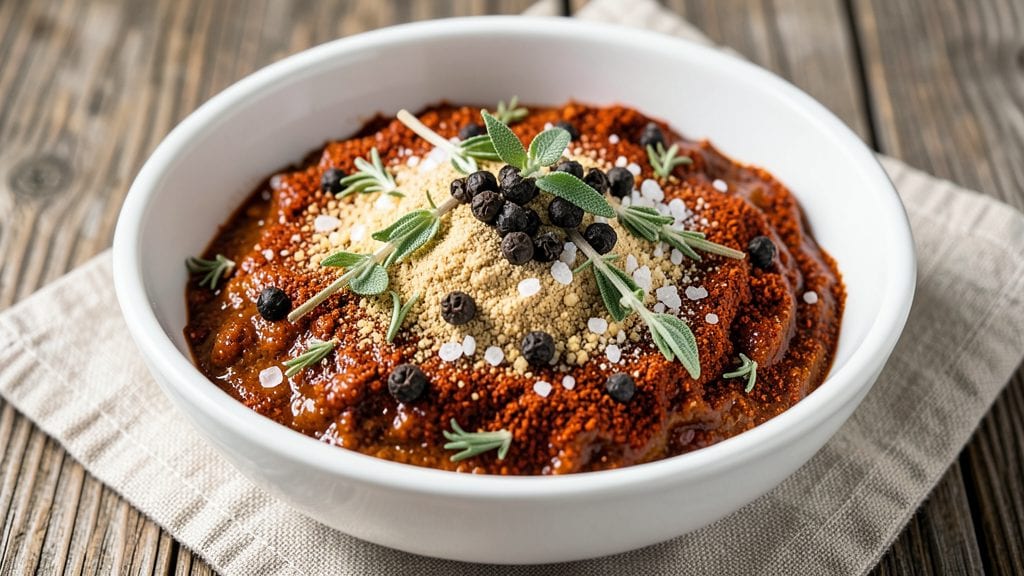
This savory seasoning recipe transforms ordinary meals into restaurant-quality dishes with just a sprinkle—no fancy ingredients or complicated techniques required. Growing up in a Boston triple-decker, I learned how simple spice blends could elevate everything from roasted chicken to popcorn, and this mix does exactly that.
The secret lies in balancing earthy, smoky, and umami notes for maximum flavor impact.
With just six pantry staples, this seasoning delivers professional-level results every time. The blend includes dried herbs, garlic powder, onion powder, and a touch of smoked paprika for depth—all measured precisely to ensure consistent flavor.
Unlike store-bought mixes, this one lets you customize with extra cayenne for heat or dried oregano for Mediterranean flair. It’s the kind of versatile seasoning that belongs in every kitchen.
Perfect for meats, roasted vegetables, or even popcorn, this mix adds bold flavor without overpowering. A single tablespoon transforms a simple grilled chicken into something extraordinary, while a teaspoon brightens up mashed potatoes or roasted Brussels sprouts.
The best part? It keeps for months in an airtight container, so you’ll always have a flavor boost on hand.
Whether you’re prepping for a weeknight dinner or entertaining guests, this seasoning mix is a game-changer. Let’s get started—your taste buds will thank you.
Ingredients for savory seasoning
Six pantry staples to transform any dish into restaurant-quality flavor magic.
| Ingredient | Amount | Notes |
|---|---|---|
| Smoked Paprika 🌶️ | 2 tbsp | High-quality Spanish smoked preferred |
| Garlic Powder 🧄 | 1 ½ tbsp | Freshly ground preferred |
| Onion Powder 🧅 | 1 ½ tbsp | Diamond Crystal for best flavor |
| Dried Thyme 🌿 | 1 tbsp | French thyme if available |
| Ground Black Pepper 🌶️ | 1 tbsp | Freshly cracked preferred |
| Diamond Crystal Kosher Salt 🧂 | 1 tbsp | Fine grain preferred |
| Ground Cumin 🌿 | 1 tsp | Toasted for deeper flavor |
| Ground Cayenne Pepper 🔥 | ½ tsp | Adjust for heat preference |
The smoked paprika is your secret weapon here—look for Spanish smoked in the spice aisle, not the generic stuff. Penzeys Spices or the bulk bins at Whole Foods carry the good stuff, but honestly, even the store-brand smoked paprika works if it's fresh. The garlic powder and onion powder should be Diamond Crystal if you can find it—they're finer and more flavorful than the generic brands. Freshly ground spices make all the difference, but if you're using pre-ground, check the date. If your cumin smells like dust, toss it. The thyme? French thyme has a more complex flavor than regular dried thyme, but either works in a pinch.
No smoked paprika? Regular paprika plus a pinch of liquid smoke gets you close. Short on cumin? Dried coriander at half the amount works surprisingly well. Want more heat? Add an extra pinch of cayenne or swap in red pepper flakes. The salt is non-negotiable—Diamond Crystal is ideal, but any fine kosher salt works. If you're using sea salt, reduce slightly since it's often coarser. For a Mediterranean twist, swap the thyme for dried oregano. For a BBQ-inspired version, add 1/2 tsp of brown sugar and 1/4 tsp of mustard powder to the mix.
Store this blend in an airtight container away from light and heat—it'll stay potent for 6-12 months. I keep mine in a small glass jar on my spice rack, but a sealed plastic container works too. Double the batch and give some away—everyone needs this in their kitchen. The mix is ready to use immediately, but if you want to toast the spices first, spread them on a baking sheet at 300°F for 5 minutes to wake up the flavors. Trust me, it's worth the extra minute.
Why You'll Love This Recipe
- No-Measurement Guessing: I keep this blend in a jar by my stove—just eyeball a pinch for eggs, a spoonful for roasted veggies. The smoked paprika and thyme team up so well, even when I’m distracted, it still tastes like I planned it.
- Deep Umami Magic: That smoky-sweet paprika with garlic powder? It’s the kind of flavor that makes plain grilled chicken taste like a restaurant dish. Honestly, I’ve used it on everything from mashed potatoes to popcorn—it’s that good.
- Pantry Superhero: Between us, this mix is my secret weapon for lazy nights. Toss it on frozen chicken thighs while they bake, or sprinkle it over canned beans for a quick soup. No fancy ingredients, just flavor that works.
- Lasts Forever: I made a big batch last summer and it’s still going strong. A little goes a long way, and since I buy spices in bulk, this seasoning pays for itself after two uses. Plus, no wasted herbs—just pure, concentrated taste.
Step-by-step instructions for crafting a versatile savory seasoning
Here's how to blend these pantry staples into a potent, customizable seasoning that elevates everything from grilled meats to roasted vegetables.
Measure Ingredients with Precision
Start by gathering all your ingredients and measuring them accurately using a kitchen scale or measuring spoons. The 2 tablespoons of smoked paprika should be the first component—its deep, smoky character forms the backbone of this blend. I like to use Spanish smoked paprika for its balanced heat and rich color, but any quality smoked variety will work.
Next, measure out the 1.5 tablespoons each of garlic powder and onion powder. These two ingredients provide the aromatic foundation that makes this seasoning so versatile. Diamond Crystal kosher salt is essential here—its fine grain dissolves evenly, ensuring consistent flavor distribution. Weigh or measure the 1 tablespoon of Diamond Crystal kosher salt carefully, as salt levels can make or break a seasoning.
Combine Dry Ingredients in a Mixing Bowl
Transfer all the measured ingredients to a medium mixing bowl. Add the 1 tablespoon of dried thyme, 1 tablespoon of ground black pepper, 1 teaspoon of ground cumin, and 0.5 teaspoon of ground cayenne pepper to the bowl. The thyme adds earthy depth, while the black pepper provides a sharp, piquant contrast. The cumin introduces warm, nutty notes, and the cayenne delivers subtle heat that wakes up the palette.
Use a whisk to break up any clumps and ensure all ingredients are evenly distributed. I find that French thyme offers the most complex flavor profile, but regular dried thyme works perfectly well. The freshly cracked black pepper is worth the extra effort—it releases its aromatic oils more readily than pre-ground pepper, giving your seasoning a brighter, fresher taste.
Blend Thoroughly for Uniform Texture
Transfer the ingredients to a food processor or spice grinder and pulse for 10-15 seconds until the mixture is completely homogeneous. You're looking for a fine, powdery consistency with no visible specks of individual spices. This step ensures every pinch of seasoning delivers consistent flavor, whether you're using it on a single steak or a large batch of roasted potatoes.
If you don't have a food processor, use a fork to mash the ingredients in the bowl, then sift through a fine-mesh strainer to remove any larger particles. The goal is to eliminate any texture variations that might create uneven flavor distribution when you use the seasoning. Give the bowl a final stir to make sure everything is well incorporated.
Store Properly for Maximum Freshness
Transfer the blended seasoning to an airtight container, preferably one with a small opening to minimize exposure to air. I recommend a dark glass jar or a well-sealed plastic container that blocks light—this helps preserve the volatile oils in the spices for longer. Label the container with the date and contents, as properly stored seasoning will keep its best flavor for up to 3 months in a cool, dark pantry.
This seasoning works beautifully on grilled meats, roasted vegetables, and even as a finishing dust for soups and stews. The balance of smoky, earthy, and slightly spicy notes makes it incredibly versatile. For best results, use within 2-3 months of making it, as the cayenne and cumin flavors mellow over time. Store it away from heat sources and moisture to maintain its potency.
Pro Tips For Making Savory Seasoning
- TOAST THE SPICES FIRST: I learned this the hard way—skipping this step makes your seasoning taste flat. Lightly toast the smoked paprika and thyme in a dry pan for 30 seconds until fragrant. That extra aroma is what turns good seasoning into unforgettable seasoning.
- SIFT THE DRY MIX: If you just eyeball measurements, you’ll end up with clumps of onion powder or uneven distribution. Use a fine-mesh sieve to blend everything together—especially if you’re storing it for later. Trust me, your next dish will taste more balanced.
- STORE IN AIR-TIGHT CONTAINER: This isn’t just about freshness—it’s about potency. After mixing, press the seasoning into a jar and seal it tight. Oxygen kills flavor fast, and you’ll lose that smoky depth in weeks if you leave it loose. (Yes, even if you’re only using it once.)
- ADJUST THE BLACK PEPPER LAST: Start with half the pepper called for, then taste as you go. Too much pepper can overpower the smoky, herby notes, and you can’t take it out. A little goes a long way—especially if you’re using this on delicate dishes like fish or eggs.
Make-ahead tips for leftovers
Pre-Mix Prep
I always double the batch and store it in two airtight containers—one in my pantry and one in my car for quick BBQ sessions. The key is to measure everything precisely before blending.
I use a small glass jar with a tight seal (like the Oriental Trading spice jars) to store it. These jars keep out moisture and light better than plastic containers, preserving the spices' potency for months. 🌶️
Freezer Storage
For long-term storage beyond 3 months, freeze individual portions in ice cube trays. Once frozen solid, transfer the cubes to a ziplock freezer bag and label with the date. This method works perfectly for my weekly meal prep—just pop out a cube when needed.
The cold preserves the cayenne's heat and the cumin's warmth better than room temperature storage. Thaw at room temperature before using.
Portion Control
Divide the seasoning into single-serving portions (about 1 tablespoon) in small containers for easy grab-and-go use. I keep these in my fridge door where they stay cool and accessible.
This prevents overuse—especially important with cayenne—and makes it easy to add just the right amount to any dish. Label each container clearly since different blends can look similar.
Reviving Stale Spices
If your seasoning tastes dull after storage, revive it by toasting the spices for 3-5 minutes at 200°F in a dry skillet. This reactivates the aromatic oils. I also add a tiny pinch of citric acid (from a bottle of powdered drink mix) to brighten flavors.
For a quick fix, mix in 1/8 teaspoon of fresh garlic powder—it makes an immediate difference. 💡
Meal Prep Applications
Pre-mix seasoning for specific dishes ahead of time. For example, blend 2 tablespoons of this mix with 1 tablespoon of brown sugar for BBQ rubs, or combine with 1 teaspoon of dried parsley for Italian-style seasoning.
Store these custom blends separately in labeled containers. I use small mason jars with twist-off lids for easy pouring. These pre-portioned mixes save time during busy weeknights.
Travel-Friendly Packing
Pack individual 1-tablespoon portions in small resealable bags for camping trips or road trips. I use quart-sized ziplock bags with a permanent marker label. These portions fit perfectly in a cooler or picnic basket.
The seasoning keeps its flavor for up to 2 weeks in a sealed bag at room temperature. Perfect for sprucing up campfire meals or picnic sandwiches.
Nutrition facts
Frequently asked questions
Can I use this seasoning on seafood?
This blend works beautifully on fish and shellfish, especially when grilling or baking. For delicate fish like cod or tilapia, use just ½ teaspoon per fillet—it enhances natural flavors without overpowering. Try it on shrimp skewers or roasted salmon for a smoky, savory kick.
How much seasoning should I use for roasted vegetables?
Start with 1 teaspoon per pound of vegetables and adjust to taste. Toss Brussels sprouts, carrots, or sweet potatoes in olive oil first, then sprinkle generously. The smoked paprika and cumin caramelize beautifully during roasting, adding deep flavor.
What’s the best way to store leftover seasoning?
Keep it in an airtight container away from light and moisture for up to 6 months. For longer storage, freeze in ice cube trays—just pop out a cube when needed. Label with the date to track freshness.
Can I adjust the heat level?
Yes! Reduce cayenne to ¼ teaspoon for mild heat or increase to 1 teaspoon for extra spice. For a smokier profile, add ½ teaspoon of chipotle powder. Always taste before seasoning your dish.
Is this seasoning gluten-free?
Yes, all ingredients are naturally gluten-free. Just ensure your smoked paprika and other spices aren’t processed in shared facilities if you have celiac disease or severe gluten sensitivity.