
Sauces & Condiments
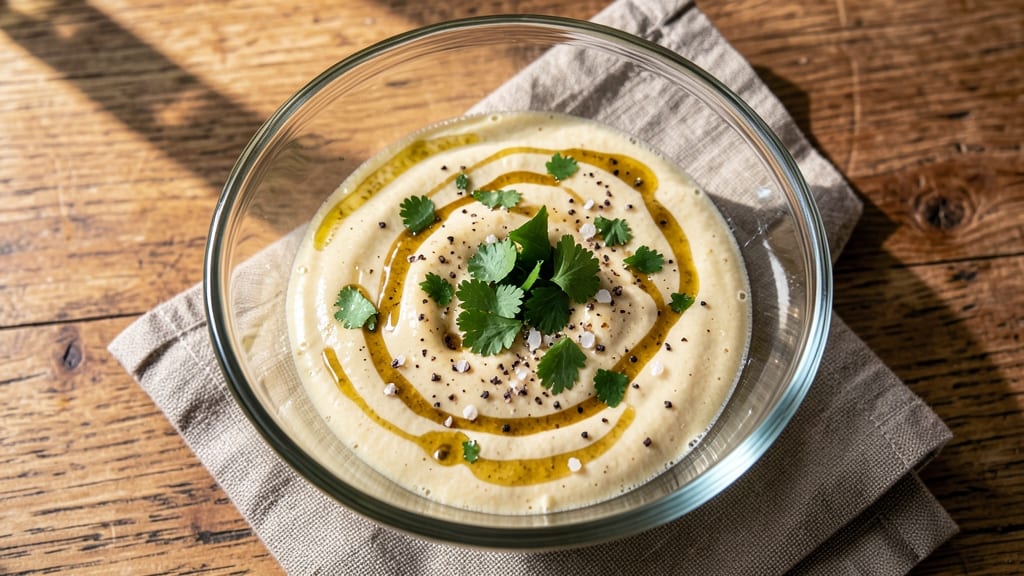
Creating a Subway-style vinaigrette at home is easier than you think, and this bright, tangy dressing delivers the same restaurant-quality balance in just minutes. The secret lies in the precise ratio of oil to vinegar, combined with a touch of Dijon mustard for depth and fresh herbs for freshness.
I developed this recipe after realizing how much better homemade tastes compared to store-bought versions—especially when paired with salads, sandwiches, or even as a marinade.
This vinaigrette comes together with just five simple ingredients and takes less than five minutes to whisk into a silky, flavorful sauce. The key is using high-quality extra-virgin olive oil and white wine vinegar, which create that signature tangy brightness.
A pinch of salt and a dash of Dijon mustard elevate the flavor without overpowering it, while fresh parsley adds a pop of color and freshness. The result is a dressing that’s bold enough to stand up to hearty sandwiches but versatile enough for any dish.
What makes this recipe truly special is its foolproof balance—never too sweet, never too sharp, just perfectly tangy with a touch of herbaceousness. The dressing stays fresh in the fridge for up to one week, making it ideal for meal prep.
Whether you’re dressing a salad, drizzling over grilled chicken, or using it as a marinade, this vinaigrette will become your go-to for adding brightness to any meal.
For those who love experimenting, try swapping the white wine vinegar for balsamic or adding a teaspoon of honey for a sweeter twist. The possibilities are endless, but the foundation remains the same: a perfect harmony of acidity, oil, and seasoning.
Let’s get started on making this dressing that tastes like it came straight from Subway’s kitchen.
Ingredients for subway vinaigrette
Five simple ingredients transform into the perfect tangy dressing—just like Subway's.
| Ingredient | Amount | Notes |
|---|---|---|
| Extra-Virgin Olive Oil 🫒 | ¾ cup | High-quality, fruity variety |
| White Wine Vinegar 🍷 | ⅓ cup | Dry, crisp white wine |
| Dijon Mustard 🍯 | 1 tbsp | Mild or strong preferred |
| Fresh Parsley Leaves 🌿 | ¼ cup | Packed, finely chopped |
| Sea Salt 🧂 | ½ tsp | Fine grain preferred |
| Black Pepper 🌶️ | ¼ tsp | Freshly ground preferred |
| Garlic Clove 🧄 | 1 whole | Minced for depth (optional) |
The olive oil and vinegar are the stars here. Extra-virgin olive oil makes all the difference—look for bottles labeled 'first cold press' at Whole Foods or Trader Joe's. White wine vinegar should be dry and crisp, not sweet. I grab mine from the Italian aisle at the grocery store—Balsamic Vinegar Co. has a great one. The Dijon mustard adds that signature depth, so don't skip it. Fresh parsley is ideal, but dried works in a pinch (use half the amount). For the garlic, one clove is perfect—it adds subtle flavor without overpowering.
No white wine vinegar? Apple cider vinegar or red wine vinegar works just fine. The mustard can be swapped for whole-grain mustard if you prefer a nuttier taste. Short on parsley? Fresh dill or tarragon adds a nice twist. Want extra brightness? Add 1 tsp lemon juice. The salt and pepper are simple but crucial—don't use table salt here (it's too fine), and always freshly grind the pepper. This dressing keeps its balance perfectly, so don't overthink the ratios.
Store any leftovers in a clean jar with a tight lid in the fridge for up to 1 week. I always make extra because it disappears fast—great for meal prep. The dressing thickens slightly in the fridge, so give it a quick whisk before using. If it separates, just stir it up. This keeps beautifully for up to 3 months frozen in ice cube trays if you're prepping for the holidays.
Why You'll Love This Recipe
- Five-Ingredient Magic: I swear by this combo—just oil, vinegar, mustard, parsley, and salt. No fancy gadgets, no waiting for ingredients to "bloom," just stir and go. Honestly, it’s the kind of recipe that makes me feel like a chef even when I’m wearing pajamas.
- Bright & Tangy: That Dijon mustard cuts through the richness of the olive oil, while the white wine vinegar keeps it sharp—not sweet, not heavy, just right. The parsley? It’s the fresh little hero that makes this taste like something you’d pay $12 for at a restaurant.
- Meal Prep MVP: I make a big batch on Sundays and keep it in the fridge for salads, roasted veggies, or even drizzled over grilled chicken. Between us, it’s the only dressing that doesn’t turn sad after a few days—it just gets better as the flavors marry.
- Pocketbook Performer: Extra-virgin olive oil is an investment, sure, but a little goes a long way here. A few sprigs of parsley stretch further than you’d think, and the vinegar? Cheap as dirt. It’s the kind of recipe that makes me feel fancy without breaking the bank.
Step-by-step instructions for Subway-style vinaigrette
This bright, tangy dressing comes together in minutes with simple ingredients you likely already have.
Whisk Together the Vinegar and Mustard
In a medium bowl, combine the 0.33 cup white wine vinegar and 1 tablespoon Dijon mustard. I like to use a whisk for this step—it creates a smooth emulsion right from the start. The vinegar should look slightly thickened as the mustard begins to incorporate. If you're using minced garlic, add the 1 whole garlic clove now and let it infuse for a minute while you prepare the rest.
This initial mixture forms the tangy base of your dressing. The Dijon mustard helps emulsify the oil later, preventing separation. Give it a quick stir to make sure everything is fully combined before moving to the next step. The garlic, if using, will add subtle depth that pairs perfectly with the bright acidity of the vinegar.
Gradually Add the Olive Oil
With the whisk still in the bowl, slowly drizzle in the 0.75 cup extra-virgin olive oil while whisking continuously. Start with a slow stream and gradually increase speed as the mixture begins to thicken. The key here is patience—adding the oil too quickly will cause the dressing to break and separate.
You'll notice the mixture transform from a thin liquid to a creamy, emulsified dressing. Keep whisking for about 1-2 minutes after all the oil is incorporated until it reaches a smooth, velvety consistency. If you see any separation, just whisk vigorously for another 30 seconds—it should come back together. The olive oil should now be fully incorporated, giving the dressing its signature rich texture.
Season with Salt, Pepper, and Fresh Parsley
Add the 0.5 teaspoon sea salt, 0.25 teaspoon black pepper, and 0.25 cup finely chopped fresh parsley leaves to the bowl. Stir everything together until the parsley is evenly distributed and the salt and pepper are fully dissolved. The parsley adds a fresh, vibrant note that brightens the dressing even more.
Taste the dressing and adjust the seasoning if needed. You might want to add a touch more salt or pepper, or even a splash more vinegar if the flavor feels too mild. The dressing should be tangy, slightly garlicky, and well-balanced—neither too sharp nor too bland. The parsley should be noticeable but not overpowering. This is your chance to fine-tune the flavor to your liking before serving.
Let It Rest and Serve
Transfer the dressing to a clean jar or airtight container and let it sit at room temperature for 10-15 minutes. This resting period allows the flavors to meld together and the dressing to reach its ideal consistency. The longer it sits, the more cohesive and flavorful it becomes.
Before using, give the dressing a quick stir to ensure everything is evenly mixed. It should be smooth, glossy, and ready to drizzle over salads, sandwiches, or vegetables. If you notice any separation after resting, simply whisk it again until it recombines. This dressing keeps well in the refrigerator for up to 1 week, making it perfect for meal prep. Enjoy it on your favorite greens or as a zesty addition to any dish!
Pro Tips For Making Subway Vinaigrette
- Whisk in Stages: Start with just the vinegar and mustard—no oil—until everything’s smooth. Then drizzle in the olive oil slowly while whisking like you’re beating eggs. I learned this the hard way: dumping oil in all at once just makes a greasy mess that won’t emulsify.
- Pulse the Parsley: Roughly chop the parsley stems first, then pulse them in a food processor with the salt before adding the rest. This releases more flavor and keeps the dressing vibrant longer—no one wants a sad, watery green sludge after 24 hours.
- Measure Mustard Precisely: Use the back of a teaspoon to scrape out the Dijon mustard—don’t eyeball it. Too little and the dressing won’t cling; too much and it’ll taste like a condiment factory. I once ruined a batch by using a heaping spoon, and it was bitterly obvious.
- Shake Before Using: Store the dressing in a jar with a tight lid, then give it a hard shake every time you open it. The oil and vinegar separate fast, but a quick shake re-emulsifies it instantly—no need to make fresh every time. (Yes, even if you’re impatient like me.)
Troubleshooting your subway vinaigrette
Oil-Vinegar Separation
The most common issue with homemade vinaigrettes is separation, where the oil and vinegar split into distinct layers. This happens when the emulsion breaks, usually from adding oil too quickly or using low-quality ingredients. To fix it, whisk vigorously for 30 seconds—the motion will re-emulsify the dressing.
I’ve found that using cold ingredients straight from the fridge helps stabilize the emulsion longer. If it keeps separating, add ½ teaspoon Dijon mustard or 1 teaspoon honey as a natural emulsifier. 💡
Overpowering Vinegar
If your vinaigrette tastes too sharp or acidic, it’s likely because the vinegar dominates. Balance it by adding 1-2 tablespoons more olive oil—this dilutes the acidity while maintaining the tang.
Another trick I learned from Nonna is to add a pinch of sugar (¼ teaspoon) to mellow the sharpness. If you’re using balsamic vinegar, reduce it to ¼ cup and add 1 teaspoon honey to soften the flavor. Always taste as you go!
Grainy Texture from Herbs
Chopped herbs can make the dressing gritty if not finely minced. Use a microplane or the fine blade of a food processor to chop parsley or other herbs until they’re almost paste-like.
For extra smoothness, pulse the herbs in a mini food processor for 5-10 seconds before adding them to the dressing. If you’re short on time, finely chop the herbs by hand with a sharp knife and a cutting board. 🌿
Mustard Clumps
Dijon mustard sometimes forms clumps, especially if it’s old or not fully mixed. To prevent this, whisk the mustard with the vinegar first—this helps break it down into a smooth paste. If clumps appear later, strain the dressing through a fine-mesh sieve before serving.
For a smoother texture, you can also blend the mustard with a splash of vinegar in a blender for 10 seconds before adding it to the rest of the ingredients.
Flat or Bland Flavor
A lackluster vinaigrette usually means the seasoning is off balance. Boost the flavor by adding ½ teaspoon garlic powder or a pinch of onion powder for depth. A splash of lemon juice (1 teaspoon) brightens things up, and a pinch of smoked paprika adds warmth.
If the dressing still tastes bland, increase the salt slightly (¼ teaspoon more) and let it rest for 30 minutes—the flavors will develop more over time. 💪
Too Thick or Too Thin
Consistency issues can be fixed with simple adjustments. If the dressing is too thick, thin it with 1-2 teaspoons of water or vinegar. For a thicker texture, whisk in 1 teaspoon of cornstarch or arrowroot powder mixed with 1 tablespoon cold water.
If the dressing separates after thickening, whisk it again until smooth. Pro tip: Store thickened dressings in a jar with a tight lid—they’ll hold their consistency better in the fridge.
Nutrition facts
Frequently asked questions
Why does this vinaigrette taste different from Subway's?
While we can't replicate their exact formula, this recipe captures the same bright, tangy balance using high-quality ingredients. The key difference is freshness—homemade vinaigrettes use real herbs and extra-virgin olive oil, while store-bought versions often contain preservatives and lower-quality oils. The Dijon mustard adds that signature depth that makes it taste restaurant-quality at home.
Can I make this vinaigrette without Dijon mustard?
Yes! Swap the Dijon for 1 tablespoon whole-grain mustard for a nuttier flavor or 1 teaspoon honey to balance the acidity. For a sharper taste, use 1 teaspoon lemon juice instead. The mustard helps emulsify the dressing, so if you omit it, whisk the oil in even more slowly.
How do I keep my vinaigrette from separating?
Separation happens when oil and vinegar split, usually from adding oil too quickly. To prevent it, whisk continuously while adding oil, and use cold ingredients. For extra stability, add ½ teaspoon Dijon mustard or 1 teaspoon honey. If it does separate, whisk vigorously for 30 seconds—it'll recombine! Store in a clean jar with a tight lid in the fridge for up to 1 week.
What are the best ways to use this vinaigrette?
This versatile dressing works perfectly on salads, sandwiches, grilled chicken, and roasted vegetables. Use it as a marinade for 15-30 minutes (not longer—it's acidic!). Drizzle over pasta or toss with quinoa or couscous for extra flavor. For a creamy twist, mix 1 tablespoon Greek yogurt into the dressing before serving.
Can I make this vinaigrette ahead of time?
This dressing keeps well in an airtight container in the fridge for up to 1 week. For longer storage, freeze it in ice cube trays—thaw and whisk before using. The flavors actually improve as they meld together over time. Just give it a quick whisk before serving to restore its silky texture.