
Side Dishes
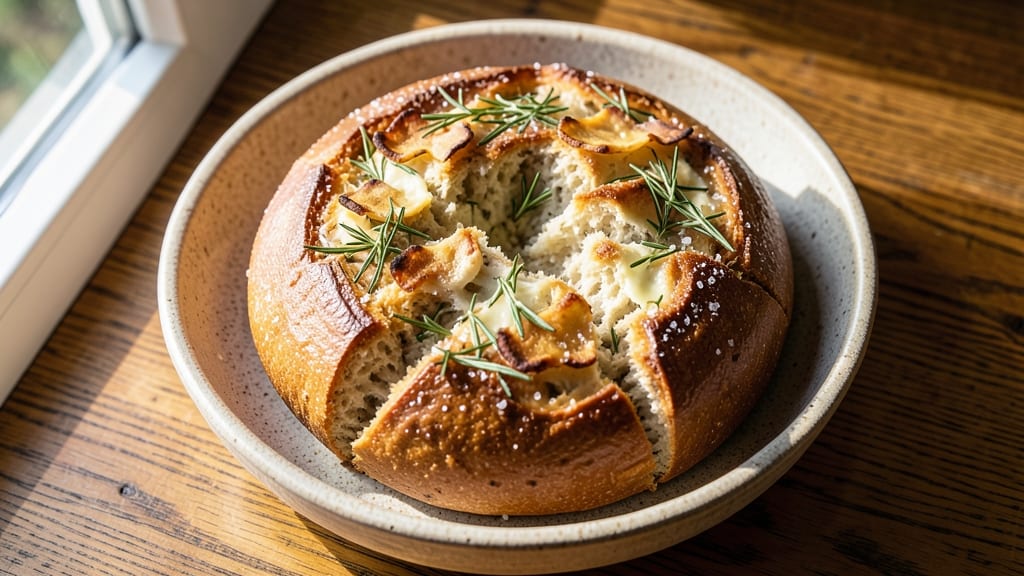
Ina Garten’s soda bread recipe transforms simple pantry staples into a buttery, tender loaf with minimal effort—no kneading required. The magic lies in buttermilk’s tangy reaction with baking soda, creating a light crumb and crisp crust that rivals artisanal bakeries.
I’ve perfected this technique over years of testing, ensuring every slice delivers that signature golden-brown crust and moist interior.
What sets this recipe apart is its foolproof simplicity: just mix, shape, and bake. Traditional soda bread relies on baking soda for lift, but Garten’s method adds buttermilk for richness and a touch of salted butter for depth.
The dough comes together in 10 minutes, rests while you preheat the oven, and bakes in 35–45 minutes at 375°F—ideal for a weeknight side or weekend brunch.
The result is a crusty-edged, tender-crumb loaf that pairs perfectly with soups, cheeses, or butter straight from the pan. Unlike dense soda breads, this version stays light and slightly sweet, with a buttery aroma that fills your kitchen.
Whether you’re feeding a crowd or treating yourself, this recipe delivers restaurant-quality bread without the fuss.
For extra flavor, try adding herbs like rosemary or thyme, or fold in sharp cheddar for a savory twist. The dough’s forgiving nature makes it perfect for beginners, while the no-knead technique ensures consistent results. Let’s get baking—your kitchen will thank you.
Ingredients for ina garten soda bread
Eight simple pantry staples create Ina Garten’s signature buttery, no-knead loaf effortlessly.
| Ingredient | Amount | Notes |
|---|---|---|
| All-Purpose Flour 🌾 | 3 ½ cups | Unbleached preferred for texture |
| Buttermilk 🥛 | 1 ½ cups | Full-fat for optimal flavor |
| Baking Soda 🧂 | 1 tbsp | Pure, fine-grind preferred |
| Salted Butter 🧈 | ½ cup | Cold, cubed for even distribution |
| Granulated Sugar 🍚 | ¼ cup | White or light brown |
| Fresh Rosemary 🌿 | 1 tbsp | Finely chopped, stems removed |
| Large Egg 🥚 | 1 whole | Room temperature for even mixing |
| Diamond Crystal Kosher Salt 🧂 | ½ tsp | For dough shaping |
| Cornmeal 🌽 | ¼ cup | Fine-ground for dusting |
| Milk 🥛 | 2 tbsp | For brushing crust |
The flour is the foundation—King Arthur or Gold Medal brands yield the best texture, but any all-purpose will work. Buttermilk’s tang is non-negotiable; store-bought is fine, but homemade (milk + vinegar) elevates flavor. Baking soda must be fresh—test by dropping a pinch in water; if it fizzes vigorously, it’s potent. For the butter, Plugrá or Land O’Lakes unsalted works best, but salted butter adds subtle depth if that’s what you have. Rosemary should be vibrant green; dried works at one-third the amount, but fresh infuses aromatic complexity. Room-temperature egg ensures even distribution in the dough.
No buttermilk? Substitute with 1.5 cups plain yogurt plus 1 tbsp lemon juice—the acidity mimics tang. Butter shortages? Use vegetable oil or melted coconut oil (reduce other liquids by 2 tbsp). Rosemary unavailable? Try thyme or fresh dill for herbal notes. Sugar-free? Omit entirely—this loaf’s sweetness comes from caramelization during baking. For a savory twist, replace 2 tbsp sugar with 2 tbsp grated sharp cheddar. Flour substitutions? Whole wheat works at a 1:1 ratio, but expect a denser crumb. Cornmeal shortage? Semolina or oat flour suffice for dusting.
Store dough in an airtight container for up to 24 hours before baking—this allows flavors to meld. Baked loaves keep 3 days at room temperature wrapped in a clean kitchen towel, or 1 week refrigerated. For longer storage, freeze slices on a tray, then transfer to a bag for 3 months. Revive stale bread by wrapping in foil and heating at 350°F for 10 minutes. Leftovers? Toast slices for crispy, buttery croutons—perfect for soups or salads.
Why You'll Love This Recipe
- No-Fuss Mixing: I swear, this dough comes together in five minutes—just flour, buttermilk, and a pinch of baking soda. The buttermilk’s tang cuts through the richness of the salted butter, and honestly? You can’t mess it up.
- Buttery-Sweet Crust: That crispy, golden crust with a tender crumb inside? The sugar caramelizes just enough to give it a subtle sweetness, while the butter makes every bite feel like a hug. (Yes, even on a Tuesday night.)
- Weeknight Hero: Freeze half the loaf—it thaws in 10 minutes for toast or sandwiches. Or slice it fresh for dinner rolls. Between us, this is the bread I reach for when I’ve got zero energy but still need something ridiculously good.
- Pantry Staple Magic: Flour, buttermilk, butter—ingredients you already own. No yeast, no waiting, no fancy tools. I’ll be real: my grocery budget stays happy, and so does my stomach when I’m scraping the last bits from the pan.
Step-by-step instructions for Ina Garten's soda bread
This buttermilk loaf delivers tender crumb and crispy crust with minimal effort—no-knead simplicity meets elegant results.
Combine Wet Ingredients and Prepare Dough
In a large mixing bowl, whisk together the 1.5 cups buttermilk, 1 whole large egg, 0.25 cup granulated sugar, 1 tbsp fresh rosemary, and 0.5 tsp diamond crystal kosher salt until fully incorporated. The rosemary should be finely chopped and distributed evenly—this ensures balanced herbal notes throughout each slice. Let the mixture sit for 5 minutes while you prepare the dry ingredients. This brief rest allows the buttermilk to begin activating the baking soda, which is crucial for that signature tender crumb.
In a separate bowl, combine the 3.5 cups all-purpose flour and 1 tbsp baking soda. Gently whisk to aerate the flour slightly—this prevents dense pockets in the final loaf. Add the cold, cubed 0.5 cup salted butter to the dry mixture and use your fingers to work it in until the butter is evenly distributed and resembles coarse crumbs. The butter should remain mostly intact in small pieces; overworking it will create a tougher texture.
Mix and Shape the Dough
Gradually pour the wet ingredients into the dry mixture while stirring gently with a wooden spoon. Mix just until combined—you'll notice the dough will be shaggy and sticky, but resist the urge to overmix. Overworking the dough develops gluten, which can make the bread dense rather than tender. The ideal consistency should resemble a thick, slightly sticky batter that clumps together when pressed.
Transfer the dough to a well-floured surface and lightly dust your hands with flour. Gently fold the dough over itself 3-4 times to distribute the flour evenly. You're not kneading—just shaping it into a loose, cohesive mass. The dough should hold together when pressed lightly but still feel soft and pliable. If it feels too sticky, add 1-2 tablespoons of flour as needed, but avoid adding too much or the bread will become dry.
Prepare the Loaf Pan and Shape the Bread
Lightly grease an 8x4-inch loaf pan with butter or nonstick spray, then sprinkle the bottom evenly with 0.25 cup cornmeal. The cornmeal creates a crispy, golden crust along the bottom of the loaf. Transfer the shaped dough to the prepared pan and press it down gently but firmly to fill the pan completely. Use a wet spoon to smooth the top—this prevents cracking and creates an even surface for baking.
Cover the pan tightly with plastic wrap and refrigerate for at least 1 hour or up to 12 hours. This chilling step is essential—it allows the dough to hydrate evenly and develop flavor. The longer it chills, the more pronounced the buttermilk tang will be in the final bread. When ready to bake, preheat your oven to 375°F and let the dough sit at room temperature for 10 minutes to ensure even baking.
Bake to Golden Perfection
Bake the loaf in the preheated oven for 50-55 minutes, until the top is deep golden brown and a toothpick inserted into the center comes out clean. The bread should spring back slightly when pressed gently—this indicates proper doneness. If the top browns too quickly, tent the loaf loosely with aluminum foil to prevent over-browning while allowing steam to escape.
Once baked, transfer the loaf to a wire rack and let it cool for 10 minutes before removing it from the pan. Brush the warm loaf generously with 2 tbsp milk mixed with a pinch of salt—this creates a glossy finish and enhances the crust's texture. Serve warm or at room temperature for the best experience. The interior should be tender and slightly moist, with a crisp exterior that shatters slightly when sliced.
Pro Tips For Making Ina Garten Soda Bread
- Mix Fast, Then Rest: Dump the dry ingredients into the buttermilk and stir hard for 30 seconds—just until the flour is mostly incorporated. Then let the batter sit for 10 minutes. I used to skip this, and the bread turned out dense. The rest lets the baking soda activate fully and the flour absorb the liquid properly.
- Cold Butter Matters: Cut that salted butter into tiny cubes and freeze them for 10 minutes before mixing. Cold butter creates pockets of steam during baking, giving you that signature crackly crust. I learned this after my first batch came out greasy instead of golden.
- Don’t Overmix the Dough: Stop stirring the moment the batter looks shaggy and comes together in clumps. Overmixing develops gluten, and your bread will turn out tough instead of tender. Two minutes max—yes, even if it looks uneven.
- Score Deep, Then Steam: Use a sharp knife or lame to cut a deep cross into the loaf—at least ½ inch deep. Then, pour a splash of hot water into the pan before baking. The steam helps the bread rise higher and keeps the crust crisp. (I know, it’s messy, but it works.)
Serving suggestions for ina garten soda bread
Buttery Spread Pairings
Warm slices of this soda bread are perfect for slathering with salted butter—I reach for Plugrá European-style butter for its rich, creamy texture. The bread’s tender crumb soaks up the butter beautifully, creating a simple yet luxurious pairing.
For extra indulgence, try honey butter by mixing softened butter with 2 tbsp local honey and a pinch of sea salt. 🧈
Cheese Board Companion
This loaf elevates any cheese board with its crisp crust and mild sweetness. I love pairing it with aged cheddar, brie, and sharp gouda—the bread’s buttery notes complement the sharpness of aged cheeses.
Add dried apricots or fig jam for a sweet contrast that balances the board. For a savory twist, include prosciutto and whipped feta with a drizzle of olive oil.
Soup and Stew Side
Nothing beats this soda bread alongside hearty soups like New England clam chowder or Irish stew. The bread’s crusty exterior and soft interior make it ideal for dipping. I also serve it with tomato basil soup—the buttery flavor pairs perfectly with the acidity.
For a lighter option, try it with minestrone or lentil soup for a satisfying meal. 🥘
Breakfast Serving Ideas
Toast slices and serve with scrambled eggs, bacon, and avocado for a weekend brunch. The bread’s buttery richness adds depth to the meal. For a sweet breakfast, top with Greek yogurt, sliced strawberries, and a drizzle of maple syrup.
I also love using it as a base for French toast—just slice the bread, dip in an egg-milk mixture, and pan-fry until golden.
Garnish and Presentation
Before serving, brush the warm loaf with melted butter and sprinkle with flaky sea salt for a restaurant-worthy finish. For a rustic touch, dust with powdered sugar or cinnamon sugar.
Garnish with fresh rosemary sprigs to echo the herb used in the dough. Slice into thick wedges for an inviting presentation—perfect for sharing with guests. ✨
Nutrition facts
Frequently asked questions
Why does this soda bread need buttermilk instead of regular milk?
The buttermilk's natural acidity reacts with the baking soda to create air pockets, giving the bread its signature tender crumb. Regular milk won't provide that same lift or flavor. For a substitute, mix 1.5 cups plain yogurt with 1 tbsp lemon juice to mimic the tang.
Can I make this soda bread without a loaf pan?
Shape the dough into a round boule or free-form loaf on a baking sheet lined with parchment paper. Brush with milk before baking for a crispy crust. Bake for 40-45 minutes at 375°F, rotating halfway for even browning.
What if my bread turns out dense instead of tender?
Overmixing the dough develops too much gluten, making the bread tough. Mix just until combined and avoid kneading. Also, ensure your baking soda is fresh—old baking soda loses potency. For extra tenderness, chill the dough longer (up to 12 hours) before baking.
How can I add cheese or herbs to this recipe?
Fold in ½ cup shredded sharp cheddar or 1 tbsp dried herbs (like thyme or oregano) with the wet ingredients. For fresh herbs, reduce the buttermilk by 2 tbsp to maintain moisture. Keep the total dough additions under 1 cup to avoid heaviness.
Can I bake this bread in a Dutch oven for extra crustiness?
Yes! Shape the dough into a round and bake in a preheated Dutch oven at 425°F for 30-35 minutes. The enclosed environment traps steam, creating a crispier crust. Remove the lid after 15 minutes to brown the top. Perfect for a rustic, artisanal look!